

 Select Language
Mixing Process
In the automotive industry, the manufacturing process of rubber products is crucial to product performance. Many automotive rubber spare parts companies regard the mixing process as the core link of the entire production process.
Mixing refers to the process of uniformly mixing various compounding agents into raw rubber in a rubber mixer. The quality of mixing directly determines the processing performance of the rubber compound and the quality of the finished product. Even with an excellent formula, improper mixing may lead to uneven dispersion of compounding agents, abnormal plasticity, easy scorching or blooming, making subsequent processes such as calendering, extrusion and vulcanization unable to proceed normally, thus resulting in the decline of product performance.
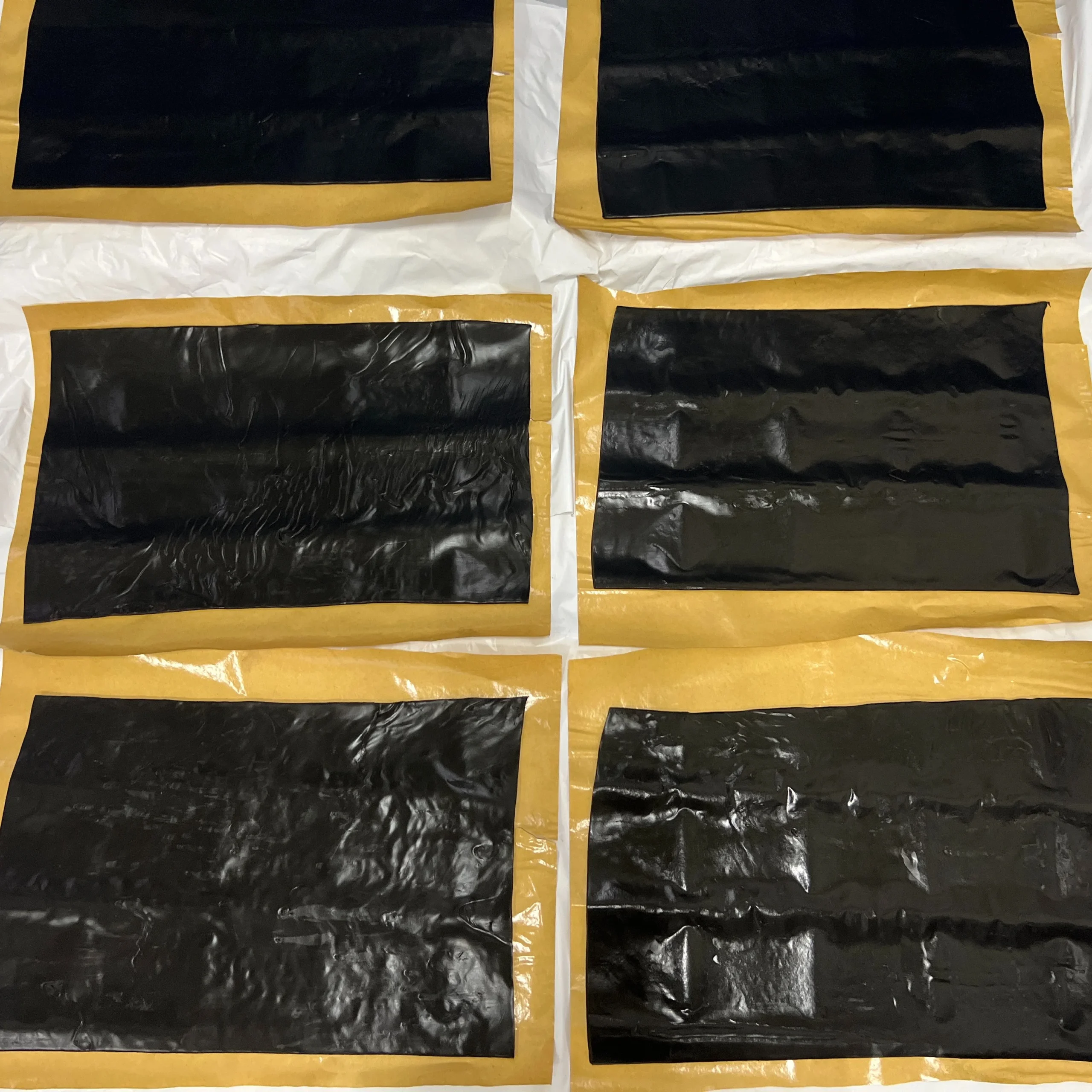
In the production workshops of automotive rubber spare parts manufacturers, the mixing methods are mainly divided into two types: open mill mixing and internal mixer mixing, both of which are intermittent operations.
The open mill mixing process usually includes three stages:
Rubber wrapping: The stage where raw rubber is softened;
Powder feeding: The stage where powder is added for mixing;
Kneading: The stage where raw rubber and compounding agents are fully dispersed.
Mixing process conditions (such as roll temperature, roll spacing, time and speed ratio) will be adjusted according to the type and application of the rubber compound. For components such as automotive sealing strips and shock absorbers, precise control of mixing temperature is particularly critical.
Internal mixer mixing is divided into three stages: wetting, dispersion and kneading. According to the type of rubber compound, one-stage or two-stage mixing method can be adopted. Most automotive rubber spare parts manufacturers tend to use the two-stage internal mixing method when producing high-heat-resistant or high-strength rubber compounds to achieve more uniform dispersion and stable rubber compound performance.
Calendering Process
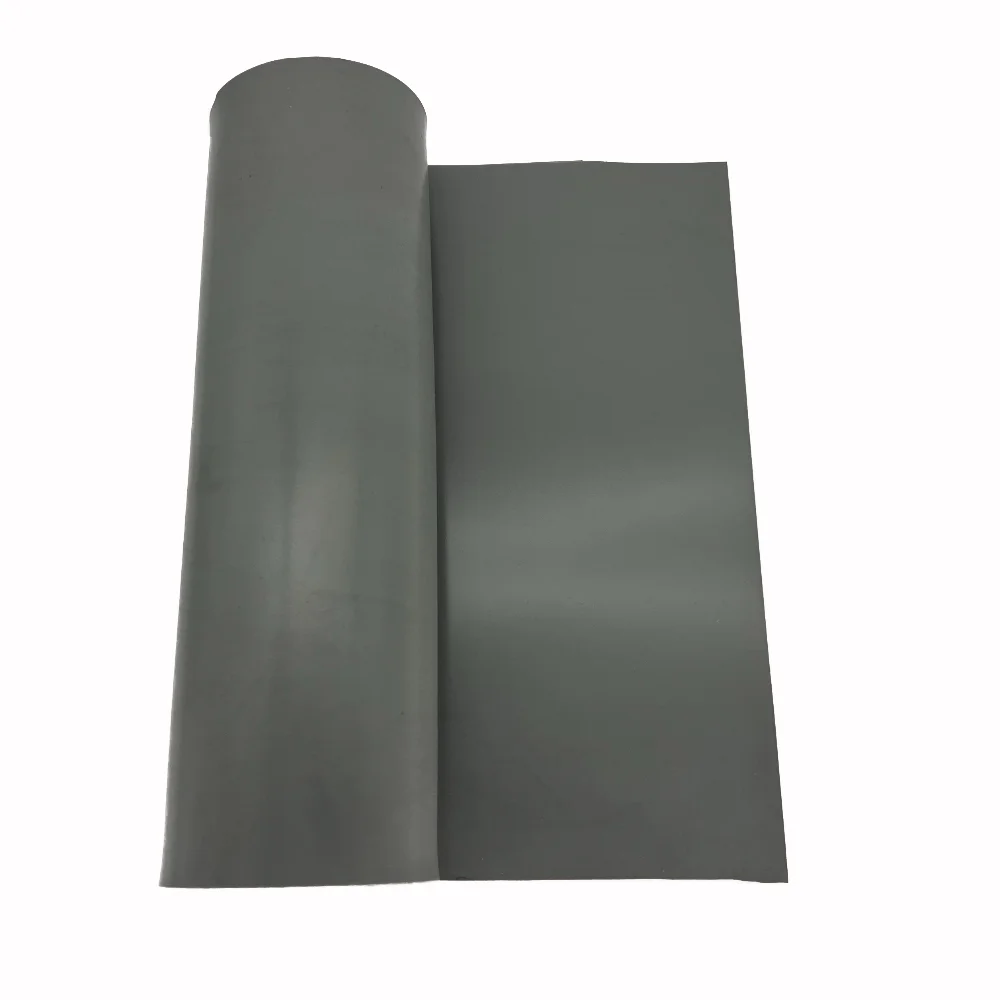
Calendering is an important step in making mixed rubber into semi-finished rubber sheets or rubberized fabrics. For automotive rubber spare parts manufacturers, this link affects the thickness accuracy, adhesion and dimensional stability of products.
The calendering process includes operations such as sheeting, laminating, profiling and fabric coating. The main structure of a calender includes working rolls, a frame, a temperature control device, a transmission and lubrication system, etc. According to the number of rolls, it can be divided into two-roll, three-roll and four-roll types; according to the arrangement form, there are vertical, horizontal, L-type, S-type and other different types.
The calendering process usually includes preheating of mixed rubber, drying of fabrics, calendering and forming, cooling and winding, and storage. Among automotive components, common semi-finished rubberized fabrics are used in dust covers, shock-absorbing pads, chassis vibration isolation pads, etc. Automotive rubber spare parts companies usually select different calender models according to product applications to ensure that the products have excellent thickness consistency and adhesion performance.
Extrusion Process
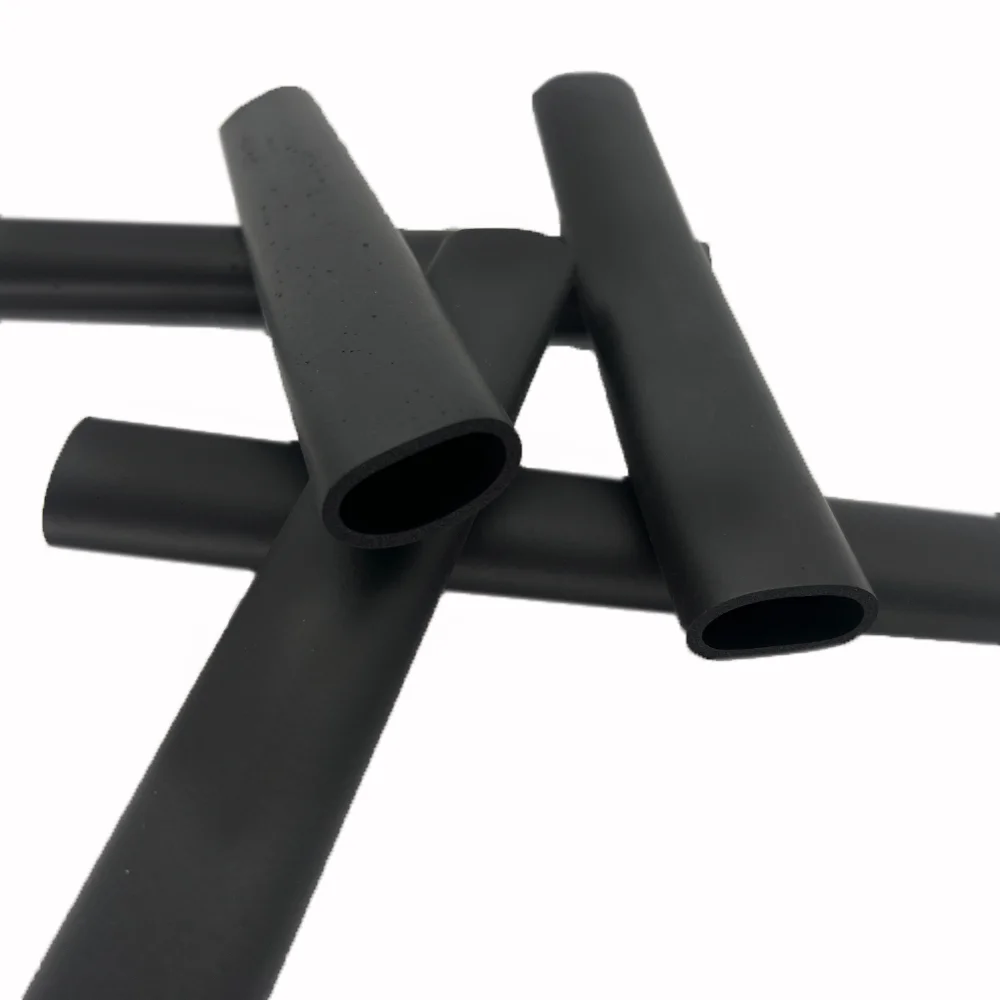
The extrusion process uses the action of the barrel and screw to form the rubber compound into the required cross-sectional shape. This process is widely used in the production of automotive sealing strips, oil pipes, sheaths and other products.
The extrusion performance of different rubbers varies significantly:
Natural rubber: Fast extrusion speed and small shrinkage rate;
Styrene-butadiene rubber: Large compression set and rough surface;
Ethylene-propylene rubber: Fast extrusion speed and stable dimensions;
Nitrile rubber: Poor extrusion performance, requiring sufficient hot mixing.
Modern automotive rubber spare parts suppliers are usually equipped with multi-stage temperature-controlled extrusion production lines, which can accurately adjust the barrel temperature and die temperature according to the requirements of different products, thereby ensuring the fluidity of the rubber compound and molding accuracy.
Conclusion
With the technological upgrading of the automotive industry, more and more automotive rubber spare parts companies have adopted intelligent production and formula optimization technologies to meet the strict requirements of automotive components for heat resistance, aging resistance and sealing performance.
Whether it is an automotive rubber spare parts manufacturer with a complete production system or an automotive rubber spare parts supplier focusing on global supporting supply, they are continuously improving product quality and international competitiveness through advanced mixing, calendering and extrusion technologies.
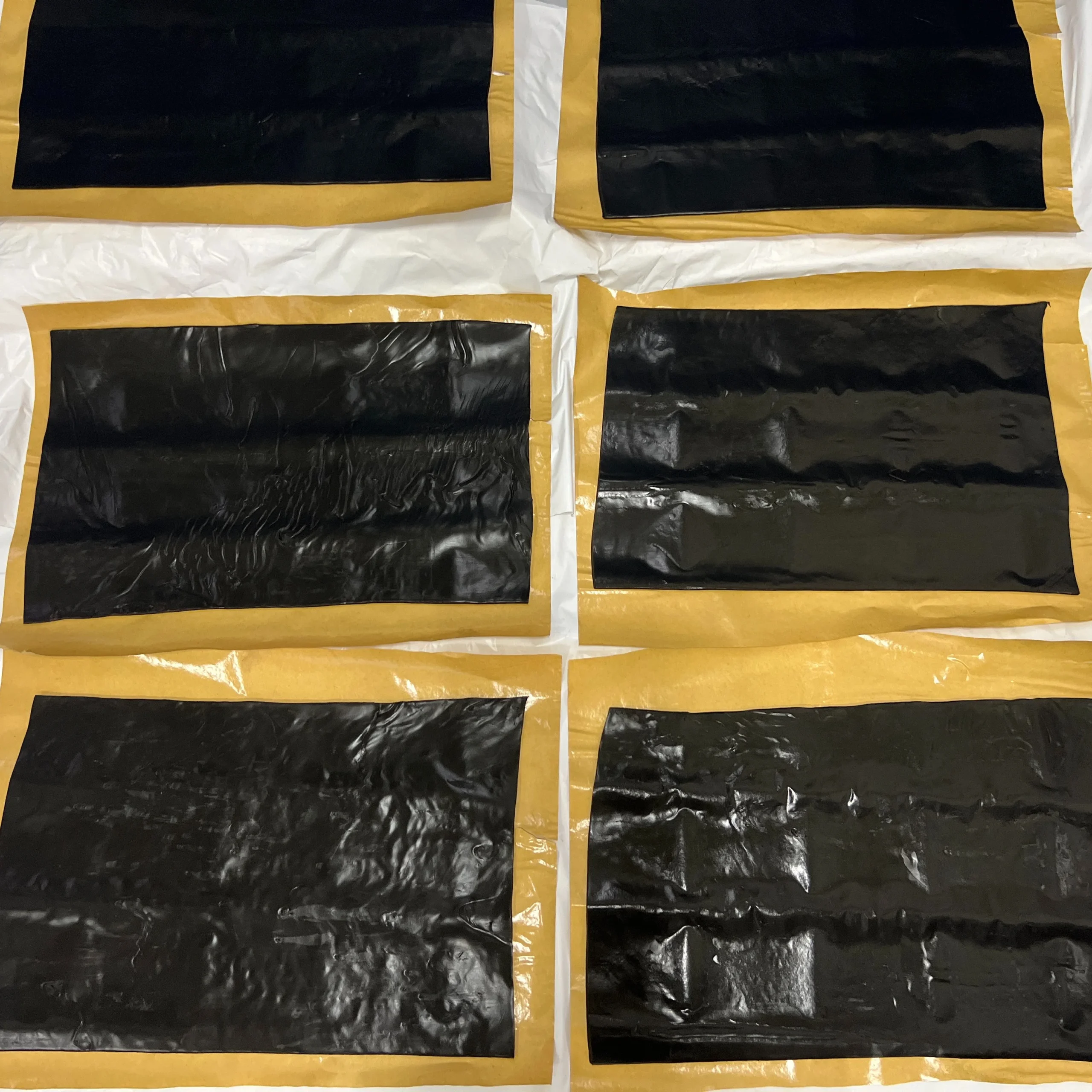
In the automotive industry, the manufacturing process of rubber products is crucial to product performance.