

 Select Language

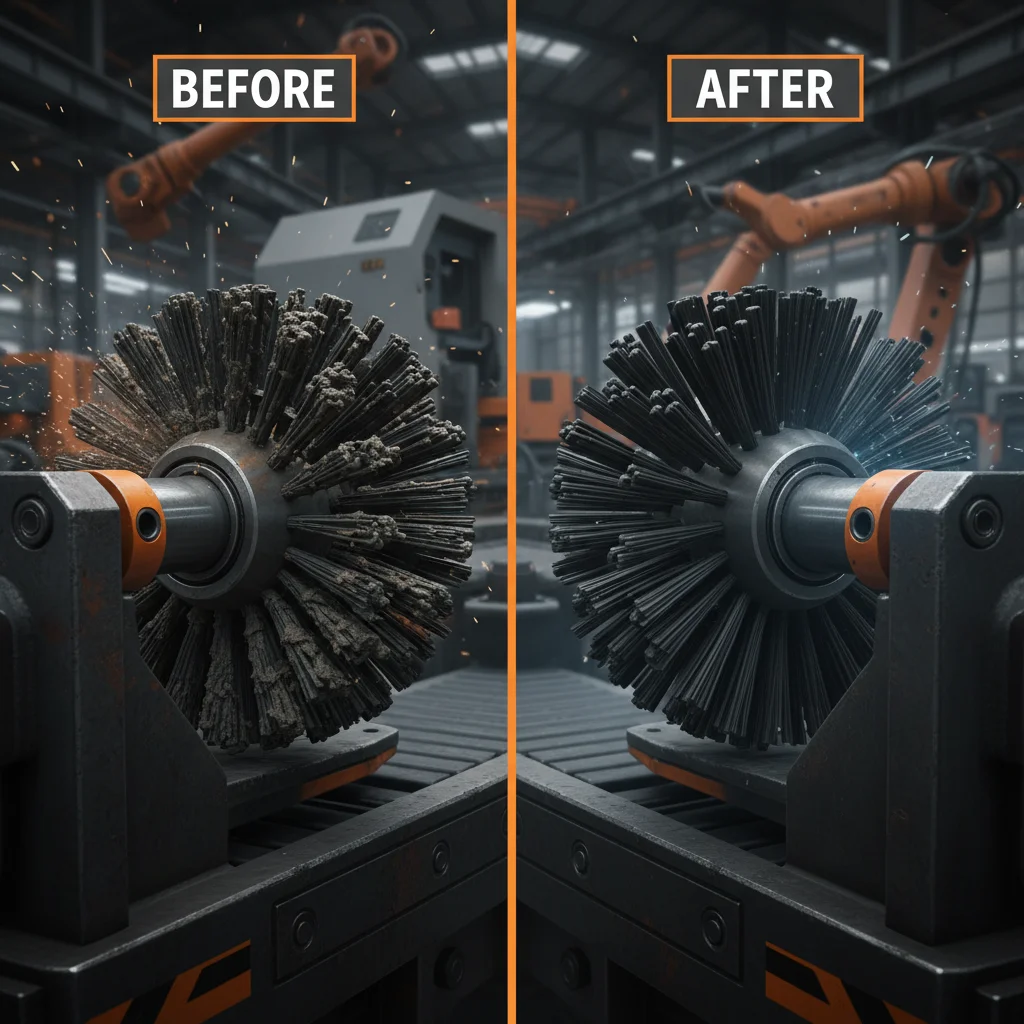
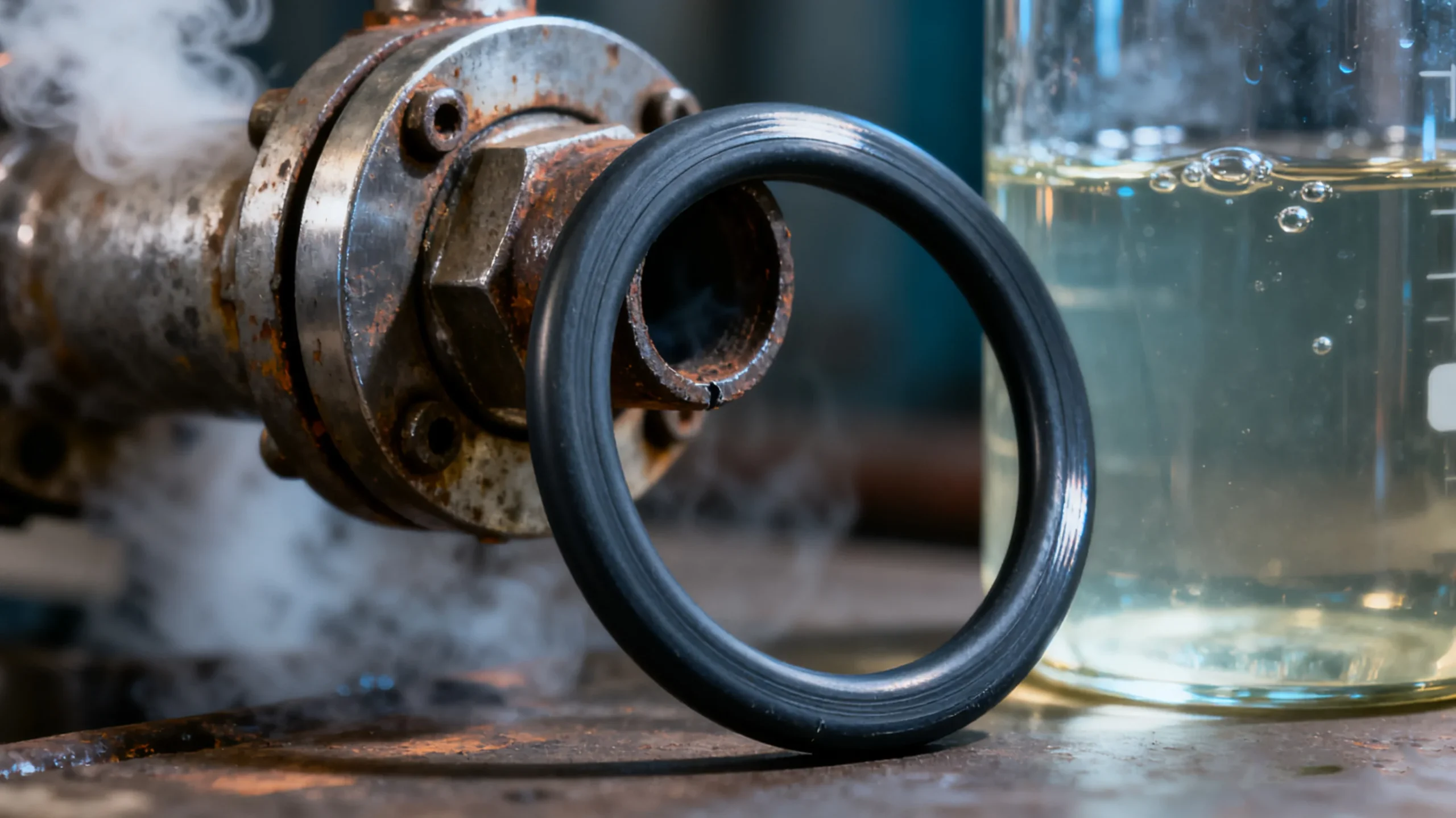
In industries such as petrochemicals, pharmaceuticals, semiconductors, and energy, conventional rubber seals often fail quickly due to chemical corrosion, high temperature and pressure, or dynamic stress—leading to leaks, contamination, and even safety incidents. Special-medium-resistant sealing elastomers, with their exceptional chemical inertness, mechanical stability, and environmental adaptability, have become the reliable guardians under extreme operating conditions!
Why Choose Special-Medium-Resistant Sealing Elastomers?
Fatal Weaknesses of Conventional Sealing Materials
❌ Chemical Corrosion: Strong acids, alkalis, and organic solvents cause swelling, embrittlement, or degradation
❌ Thermal Failure: Above 150 °C, rubber hardens or softens, losing sealing ability
❌ High-Pressure Permeation: Media penetrate micro-pores under high pressure, causing leaks
❌ Dynamic Fatigue: Repeated compression/stretching leads to permanent deformation and seal failure
Our Solution: High-Performance Elastomer Materials
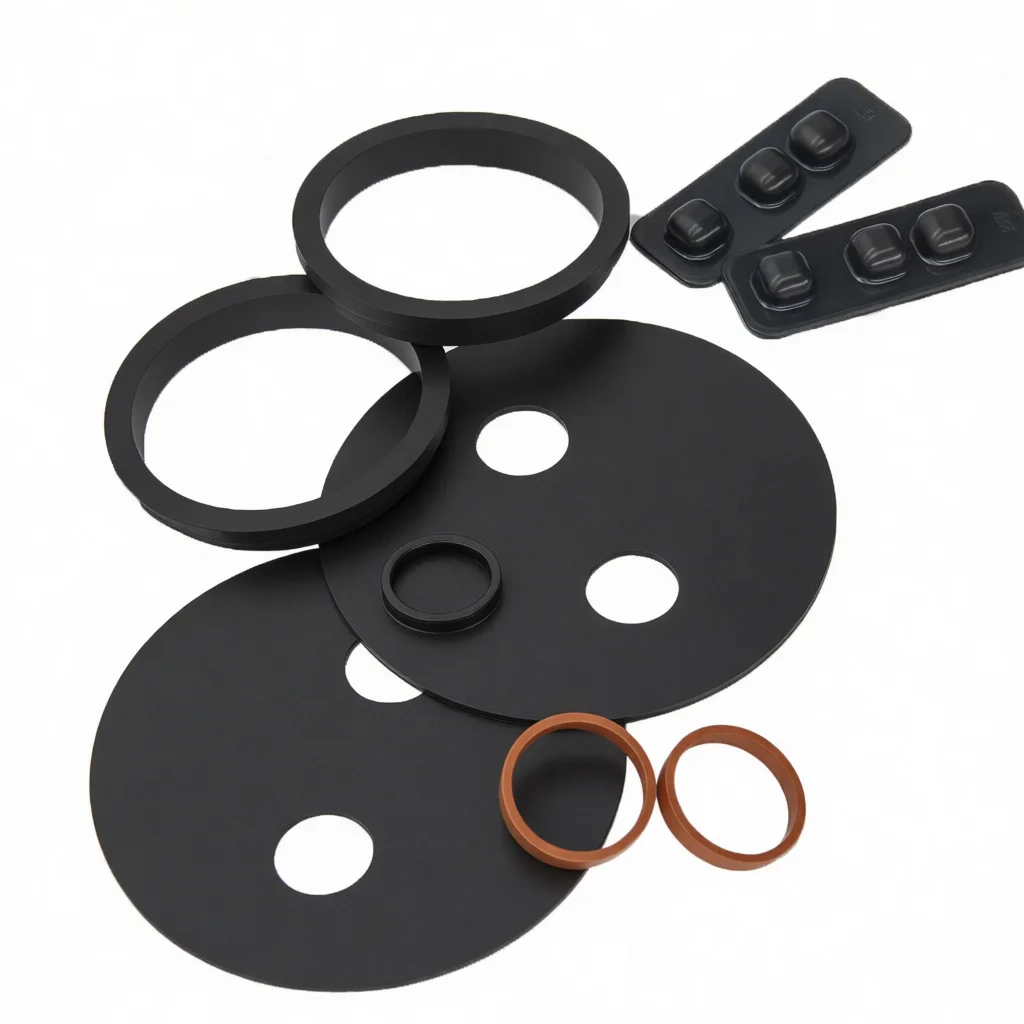
For different extreme conditions, we provide customized elastomer sealing solutions, covering fluoroelastomer (FKM), perfluoroether rubber (FFKM), hydrogenated nitrile rubber (HNBR), and ethylene propylene diene monomer (EPDM). These materials ensure reliable sealing even in the harshest environments.
Core Technologies: How Do We Achieve Superior Resistance?
Molecular Structure Optimization
Fluorocarbon Bonds (FKM/FFKM): Exceptional stability against strong acids, bases, and solvents
Hydrogenation (HNBR): Enhanced oil resistance and aging resistance
Ultra-Crosslinked Networks (EPDM): Excellent ozone and steam resistance
Nano-Composite Reinforcement
Graphene/Carbon Nanotubes: Increase mechanical strength and reduce permeability
Ceramic Microspheres: Improve wear resistance for high-pressure dynamic sealing
Adaptability to Extreme Environments
Material | Temperature Range | Chemical Resistance | Typical Applications |
FKM | -20 °C ~ 230 °C | Oils, acids | Chemical pump & valve seals |
FFKM | -30 °C ~ 320 °C | Strong acids, bases | Semiconductor equipment |
HNBR | -40 °C ~ 150 °C | Fuels, H₂S | Oil drilling & exploration |
EPDM | -50 °C ~ 150 °C | Water, steam | Food & pharmaceutical sealing |
Industry Application Cases
Petrochemicals: Corrosion & High-Pressure Resistance
Refinery reactor seals: Withstand H₂S and high-temperature hydrocarbons, service life improved 5×
LNG cryogenic valve seals: Remain elastic at -160 °C, ensuring zero leakage
Wastewater & Chemical Pipelines: Anti-Corrosion Sealing
Sewer pipeline seals: Resistant to acidic and alkaline cleaning agents
Toilet flushing system seals: Resistant to chlorine and chloramine solutions
Chemical reactor seals: Withstand strong acids and bases
Customized Services: Tailored to Your Extreme Conditions
✔ Media Compatibility Testing: Rapidly identify the optimal material
✔ Failure Analysis: Accurate diagnosis of corrosion or aging causes
✔ Rapid Prototyping: Quick turnaround of customized samples
In industries such as petrochemicals, pharmaceuticals, semiconductors, and energy, conventional rubber seals often fail quickly due to chemical corrosion, high temperature and pressure, or dynamic stress—leading to leaks, contamination, and even safety incidents. Special-medium-resistant sealing elastomers, with their exceptional chemical inertness, mechanical stability, and environmental adaptability, have become the reliable guardians under extreme operating conditions!