

 Select Language
Let's be honest, we've all been there: that incessant rattle from a car door, the low hum of machinery, or just the general buzz that seems to permeate modern life. It's not just annoying; it can actually impact our comfort, concentration, and even the lifespan of equipment. This is where the unsung heroes of noise and vibration control truly shine. Today, I want to pull back the curtain on something truly fascinating and, frankly, indispensable in many industries: the anti-vibration rubber sheet, high density shockproof plate, high density anti-vibration sheet, high density vibration plate.
Now, you might be thinking, "Rubber sheets? What's so special about that?" But trust me, these aren't your average door stoppers. We're talking about engineered materials designed to tackle one of the trickiest problems in physics: dissipating unwanted kinetic energy. The industry has seen a real surge in demand for these solutions, particularly with the ever-increasing focus on NVH (Noise, Vibration, and Harshness) performance in automotive, construction, and even consumer electronics.
What Makes These Plates So Effective? A Deep Dive into Materials & Tech
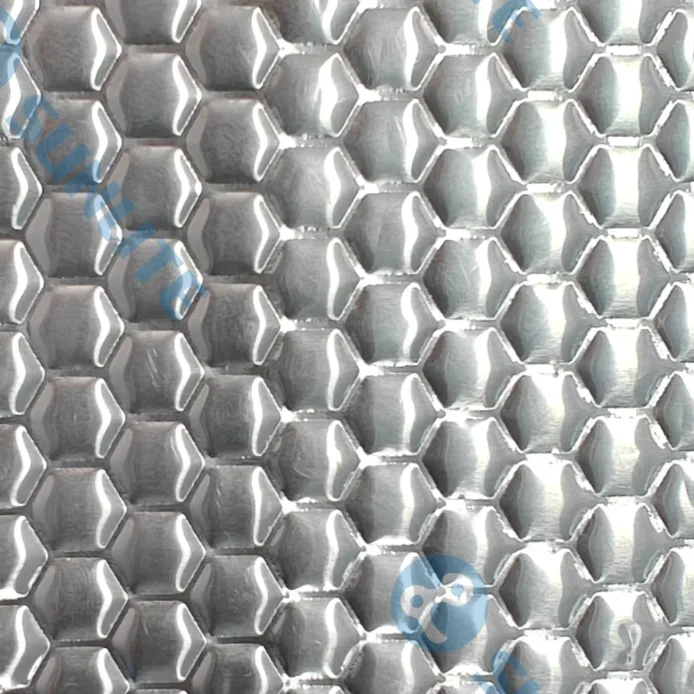
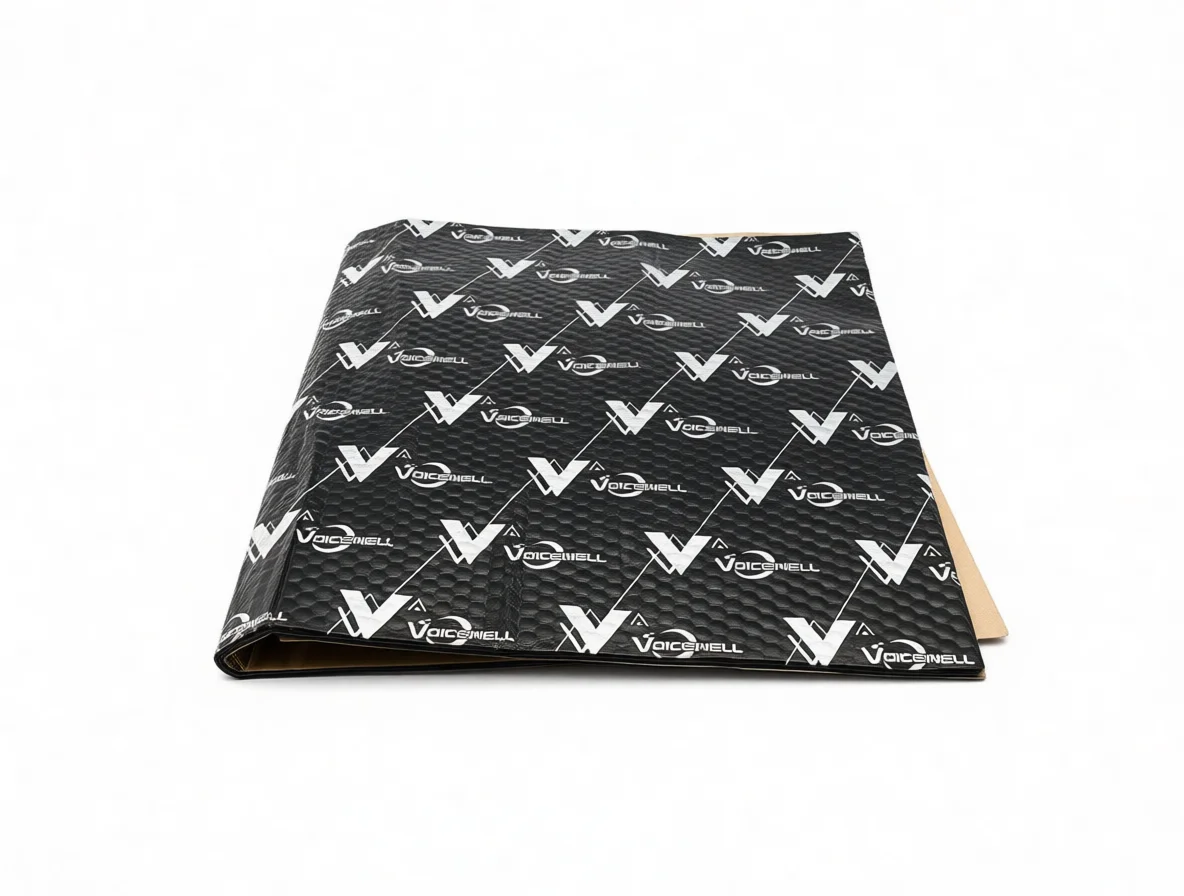
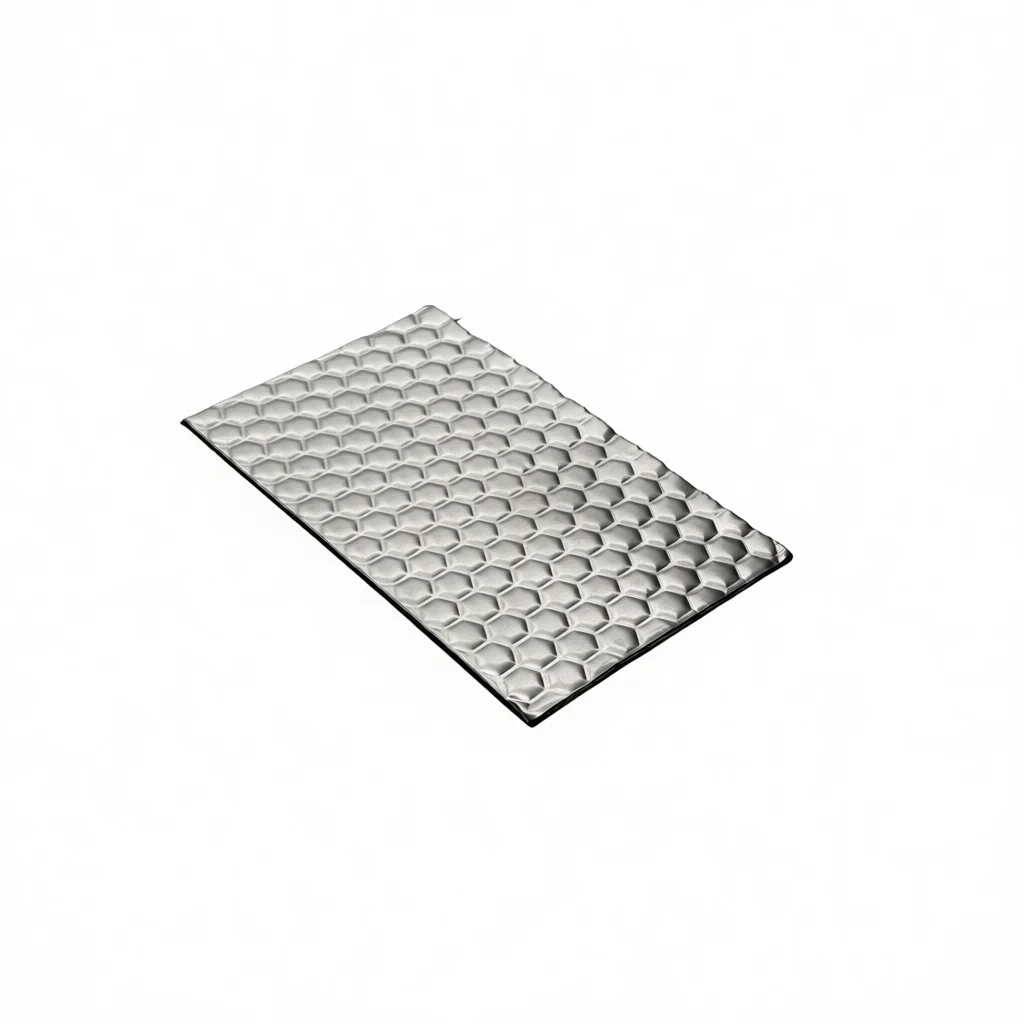
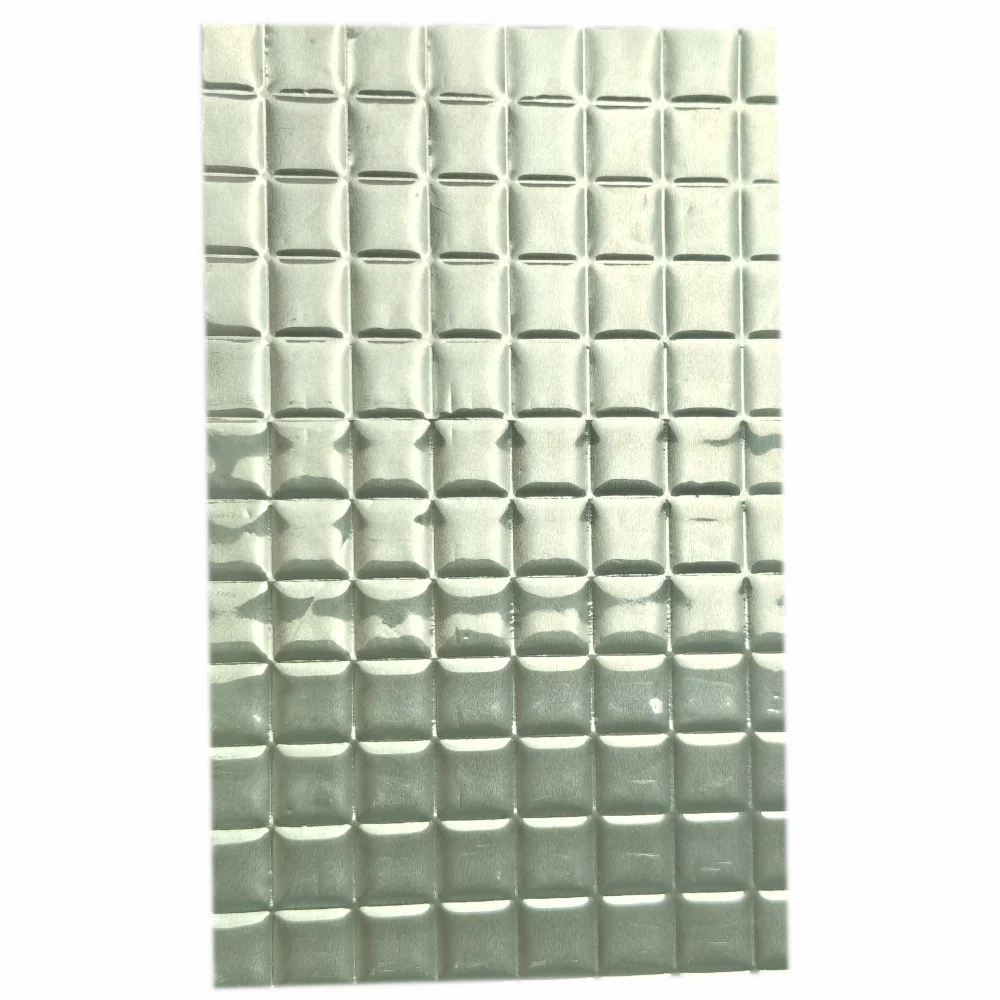
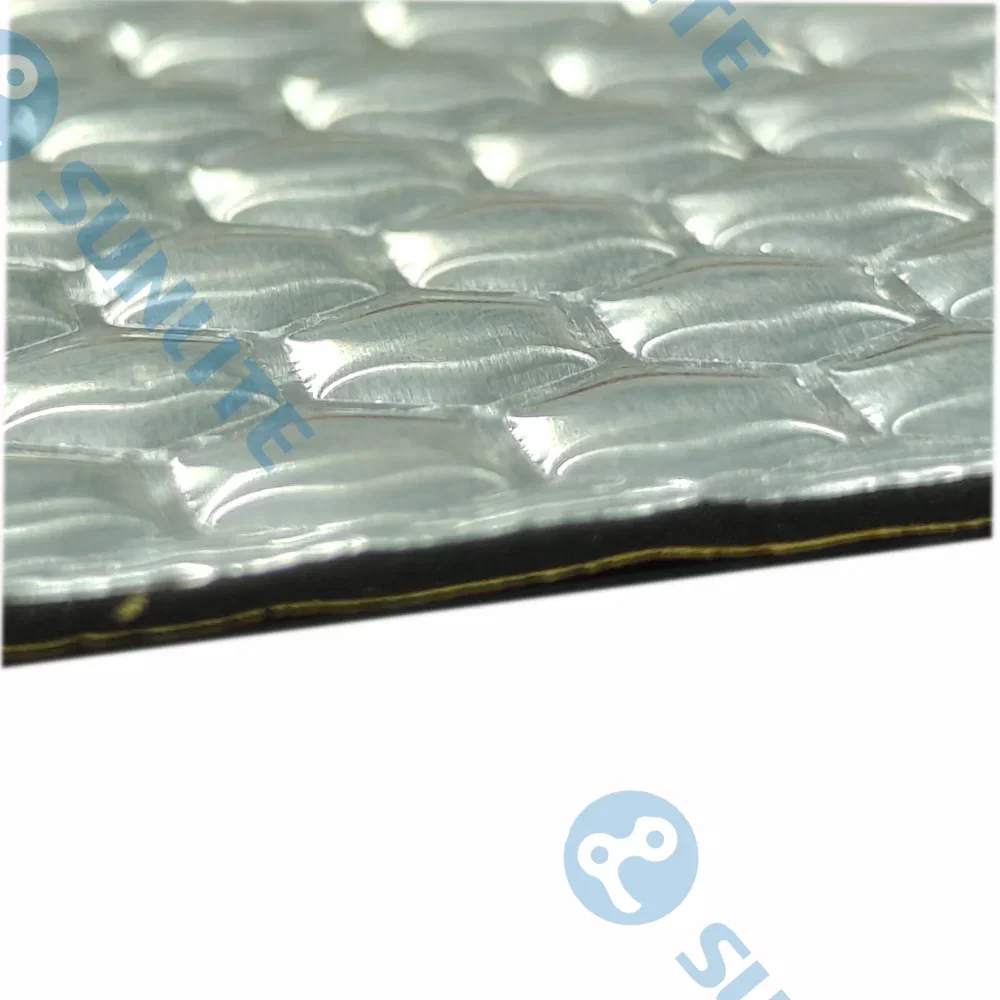
At the heart of a truly effective high density vibration plate is its material composition. Many premium solutions, like the High-Damping Vibration Plate I'm quite familiar with, leverage a clever blend of IIR (Isobutylene Isoprene Rubber), more commonly known as butyl rubber, often composited with an aluminum foil layer. This combination is, in my experience, a game-changer.
· Butyl Rubber (IIR): This polymer is renowned for its excellent impermeability to gases and, crucially for our discussion, its high damping properties. It absorbs mechanical energy and converts it into heat, effectively stopping vibrations dead in their tracks.
· Aluminum Foil: This isn't just for show. The foil acts as a constrained layer, increasing the overall stiffness and mass of the composite, which further enhances its damping capability. It also provides a reflective barrier, which can be beneficial in certain thermal applications.
A key technical specification to look for is the damping coefficient, or more precisely, the composite loss factor. For high-performance products, you're looking for values typically ≥0.25. This figure, simply put, tells you how good the material is at converting vibrational energy into other forms (mostly heat) rather than letting it propagate. Higher numbers mean better damping. It's a critical metric, trust me.
The Manufacturing & Testing Rigor
Creating a high-quality high density shockproof plate isn't just about mixing ingredients. It involves precise lamination processes, ensuring uniform thickness and perfect adhesion between the butyl rubber and the aluminum foil. Quality control is paramount, with manufacturers often conducting:
· Loss Factor Testing: Adhering to standards like ASTM E756, materials are tested for their ability to damp vibrations across a frequency spectrum.
· Adhesion Performance: Ensuring the back adhesive provides strong, long-lasting bond to various substrates without bubbling or shedding.
· Environmental Durability: Testing for anti-aging, moisture resistance, and performance consistency across a wide operating temperature range (e.g., -40℃ to 80℃). Many customers, especially in automotive, demand products that can maintain performance for 8+ years.
Where Do These Damping Plates Really Shine? Application Scenarios
Honestly, the applications are far more extensive than many people realize. From making your daily commute more peaceful to ensuring sensitive machinery runs without a hitch, the anti-vibration rubber sheet plays a crucial role.
Automotive NVH Enhancement:
· Inner Door Panels: Suppressing resonance, actually enhancing audio system sound clarity. Many audiophiles swear by this.
· Firewall & Engine Compartment: Significantly reducing engine noise transmission into the cabin.
· Floor & Chassis: Lowering low-frequency vibration and road noise – a huge factor in driving comfort.
· Trunk & Wheel Arches: Absorbing vibration from road debris and tire noise.
Industrial & Commercial Uses:
· HVAC Systems: Reducing fan vibration and duct noise.
· Machinery Mounts: Isolating sensitive equipment from external vibrations and preventing internal vibrations from affecting the structure.
· Construction: Floor underlays, wall panels to improve sound insulation and structural integrity against tremors.
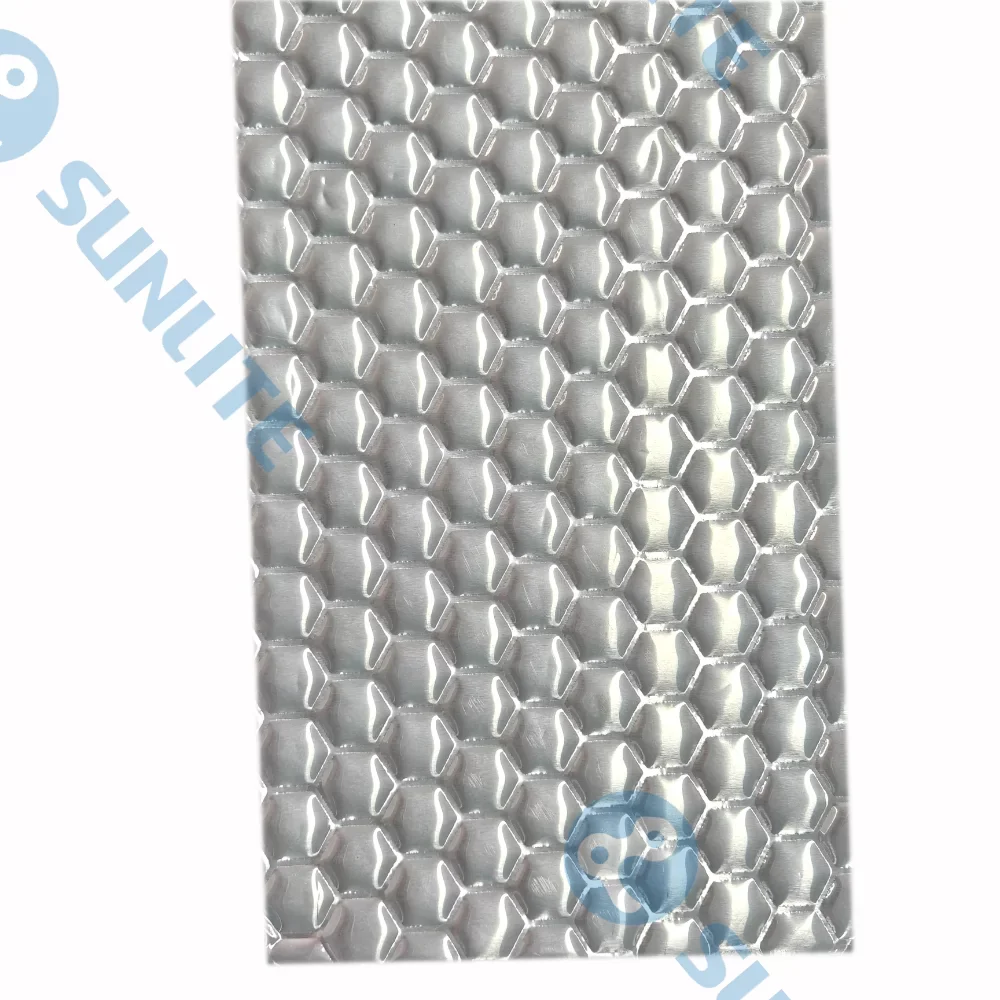
Product Specification Snapshot: High-Damping Vibration Plate
For those who appreciate the numbers, here's a quick look at what a high-performance high density anti-vibration sheet typically offers:
Feature | Specification |
Material Composition | IIR (Butyl Rubber) + Aluminum Foil Composite |
Damping Coefficient (Composite Loss Factor) | ≥ 0.25 |
Operating Temperature Range | -40℃ ~ 80℃ |
Service Life (Stability) | Maintains damping performance for >8 years |
Adhesion Performance | Strong, flexible; no bubbles or bulges on curved surfaces |
Environmental Compliance | Customizable to RoHS2.0, REACH, PAHs, TSCA |
Installation | Self-adhesive, cuttable, flexible for curved surfaces |
Vendor Comparison: What to Look For
When you're sourcing these materials, it's easy to get lost in the sea of options. Here's a quick, generalized comparison table to help you cut through the noise. This isn't about naming names, but rather highlighting key differentiators I've seen in the market.
Feature | Basic Damping Mat | Mid-Range Butyl Damping | Premium High-Damping Plate (e.g., Sunlitek-like) |
Damping Performance (Loss Factor) | Low (<0.15), often asphalt-based | Moderate (≈0.15 - 0.20), basic butyl | Excellent (≥0.25), high-loss butyl + foil |
Durability & Longevity | Poor, prone to cracking, shedding; short life | Fair, may harden over time; 3-5 years | Superior, anti-aging, moisture-resistant; >8 years |
Temperature Stability | Limited range, performance degrades quickly | Decent range, but can soften/harden at extremes | Wide range (-40℃ ~ 80℃), stable performance |
Environmental Compliance | Often unknown or non-compliant | Basic compliance for some; might vary | Customizable to global standards (RoHS, REACH, etc.) |
Installation Flexibility | Stiff, difficult to cut/conform | Reasonable, but may bubble on complex curves | Excellent, flexible, easy cut/fit to complex surfaces |
Cost-Effectiveness | Low initial cost, but poor long-term value | Mid-range, acceptable for less critical uses | Higher initial, but superior long-term performance & ROI |
Customization and Real-World Impact
One of the biggest advantages of working with a dedicated manufacturer is the ability to customize. Need a specific thickness? Or perhaps a different adhesive formulation for a unique substrate? Reputable vendors can tweak material composition, size, and even environmental compliance for specific regions. This kind of flexibility is crucial for large-scale industrial projects or niche applications.
I remember a case study from a major automotive OEM that struggled with specific low-frequency cabin drone at highway speeds. Standard damping solutions just weren't cutting it. By collaborating with a specialist in high density vibration plate technology, they developed a custom-tuned butyl/aluminum composite with an optimized loss factor for that specific frequency range. The result? A significant reduction in NVH, leading to higher customer satisfaction scores and, surprisingly, an overall improvement in perceived vehicle quality. It goes to show, sometimes the smallest, unseen components make the biggest difference.
Final Thoughts
In a world where comfort, longevity, and performance are increasingly valued, the role of advanced vibration damping materials cannot be overstated. From the quiet hum of an electric vehicle to the smooth operation of industrial machinery, these engineered solutions are literally absorbing the chaos and turning it into calm. So, the next time you experience that peaceful quiet, remember the hard work put into creating that silence, often by a humble yet powerful anti-vibration rubber sheet.
Authoritative References:
1. SAE International. (2022). Vehicle Noise, Vibration, and Harshness (NVH) Engineering Standards.
2. ASTM International. (2021). ASTM E756 - Standard Test Method for Measuring Vibration-Damping Properties of Materials.
3. ISO Standards. (2018). ISO 10846-1:2008 Acoustics and vibration — Laboratory measurement of vibro-acoustic transfer properties of resilient elements.
4. European Chemicals Agency (ECHA). (2023). REACH Regulation (EC) No 1907/2006.
Let's be honest, we've all been there: that incessant rattle from a car door, the low hum of machinery, or just the general buzz that seems to permeate modern life.