

 Select Language
In today’s industrial era driven by efficiency, environmental protection, and sustainable development, a groundbreaking material that combines the elasticity of rubber with the processability of plastics—Thermoplastic Vulcanizates (TPV)—is rising rapidly as the ideal alternative to conventional vulcanized rubber. TPV not only perfectly integrates the high elasticity of rubber with the reprocessability of plastics, but also offers outstanding weather resistance, chemical resistance, and recyclability. These advantages make TPV shine in diverse sectors such as automotive, electronics, construction, and healthcare. This article takes you through TPV’s unique strengths, application fields, and future development trends, showing how this material is redefining the industry.
What is Thermoplastic Vulcanizate (TPV)?
TPV is a high-performance elastomer prepared through dynamic vulcanization technology. In this process, rubber (such as EPDM, NBR) and thermoplastics (such as PP, PA) are melt-blended while the rubber phase undergoes crosslinking (vulcanization). The result is a microscale “sea-island” structure in which crosslinked rubber particles are uniformly dispersed in a plastic continuous phase.
This unique morphology gives TPV rubber-like elasticity and plastic-like processability:
It withstands repeated deformation like conventional rubber.
It can be rapidly molded through plastic-processing methods such as injection molding, extrusion, and blow molding.
It is 100% recyclable.
According to the latest QYResearch data, the global TPV market reached USD 1.269 billion in 2024, and is expected to grow to USD 1.364 billion by 2031 (CAGR 1.1%). EPDM/PP-based TPVs account for nearly 90% of the market, with automotive applications representing over 60% of downstream demand. In China, companies such as Shandong Dawn and Celanese lead the market, with Shandong Dawn holding more than 35% market share—showcasing strong local development momentum.
Why Can TPV Replace Conventional Rubber?
1. Superior Processability
Unlike traditional rubber that requires long curing cycles, TPV can be directly shaped using standard plastic-processing equipment.
Efficiency: Production cycles can be shortened by over 70%.
Precision: Low die swell and excellent melt flow allow precise molding of complex profiles with high surface quality.
Example: Automotive sealing strips made from TPV can be co-molded with glass, dramatically increasing production efficiency.
2. Excellent Environmental Resistance
Heat Resistance: Standard EPDM/PP TPV withstands continuous service at 135 °C; engineered TPVs by DuPont can endure over 150 °C.
Oil & Chemical Resistance: The crosslinked rubber phase ensures resistance to oils, fuels, acids, and alkalis.
Aging Resistance: Brands like Santoprene™ have proven durability exceeding 10 years in outdoor applications.
3. Environmental Sustainability
100% recyclable: scrap materials can be directly reprocessed, aligning with global eco-regulations.
No harmful plasticizers: safer for food-contact and medical applications.
Lower carbon footprint: avoids landfill or incineration required by thermoset rubbers.
4. Design Flexibility
Wide hardness range (Shore A 30–95).
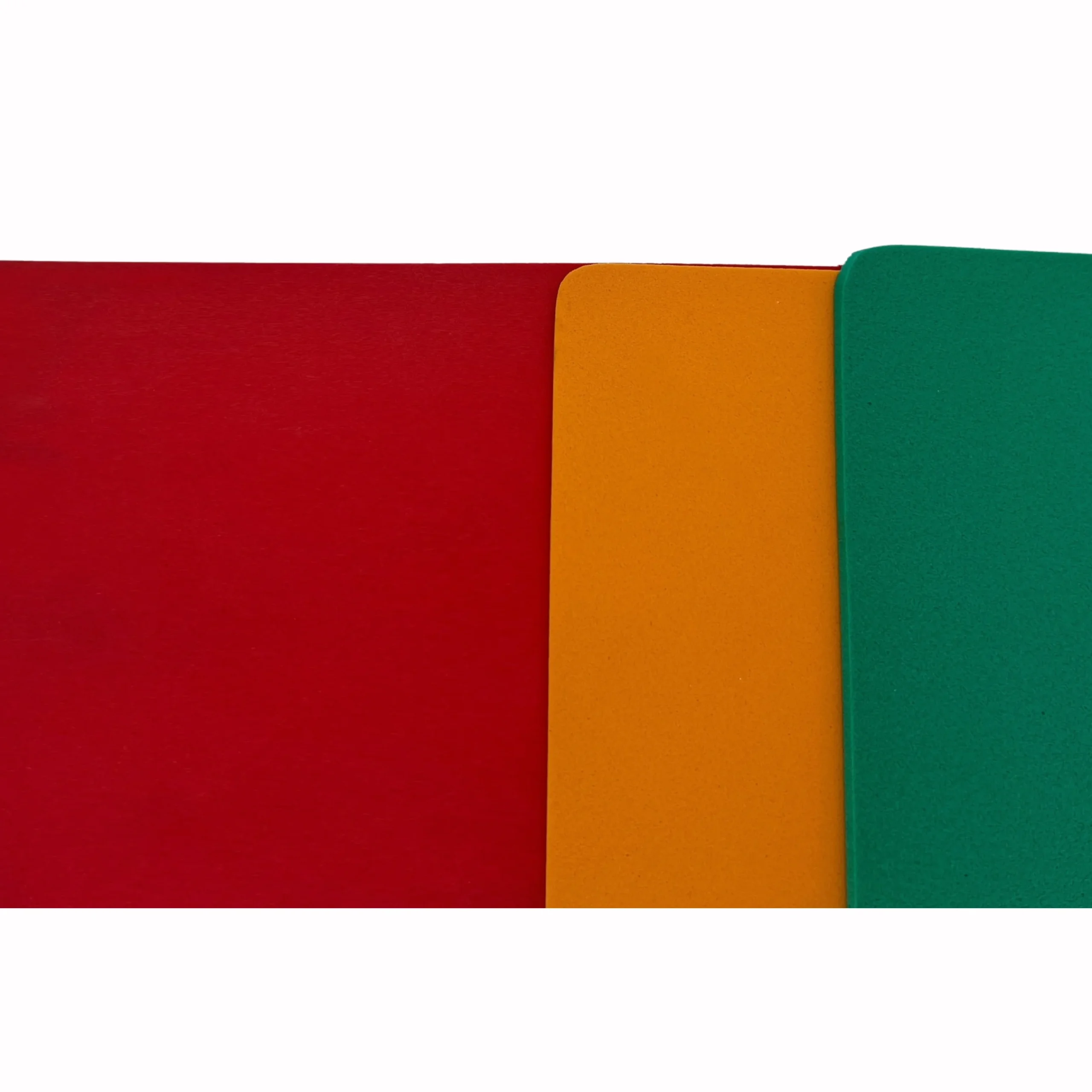
Rich color availability.
Compatible with PP, ABS, PA through co-extrusion and two-shot molding.
Example: PA/TPV co-extruded automotive fuel pipes integrate oil resistance (inner layer) and weather resistance (outer layer), simplifying assembly.
Wide Application Fields
Automotive Industry: Lightweight + Durability
Sealing systems: TPV door seals, sunroof guides—20% lighter than EPDM equivalents.
Chassis parts: Dust boots, suspension bushings—improved fatigue resistance.
Hoses & tubing: Turbocharger and coolant hoses—excellent heat and pressure resistance.
Electronics & Electricals: Safety + Aesthetics
Wires & cables: TPV jacketing offers ozone, UV, and flame resistance.
Appliance seals: Refrigerator gaskets, coffee machine tubing—food-contact safe.
Consumer devices: Grips, earphone cords—comfortable and durable.
Construction & Household: Durability + Visual Appeal
Window & door seals: Outperform PVC, service life >15 years.
Floor mats & trims: UV-resistant, rich color options.
Sanitary seals: Anti-scale, anti-mildew.
Medical & Food Packaging: Safety + Compliance
Medical catheters: Some TPVs certified under USP Class VI.
Pharma packaging: Sterilization-resistant, no extractables.
Straws & stoppers: Flexible, durable, recyclable.
Technology Innovation Driving TPV Boundaries
Micro–nano layered TPV: Beijing University of Chemical Technology developed TPU/MVQ layered TPV with +12.4% tensile strength and +12.1% elongation.
Liquid rubber-based TPV: Overcomes viscosity mismatch, significantly improving mechanical properties.
Functional TPVs: Conductive (carbon black-filled), flame-retardant (synergistic systems), oil-resistant (AEM/TPEE-based).
Recent research: Qingdao University of Science & Technology achieved enhanced aging resistance in acrylate/POM TPV; Shenzhen Woer’s patented technology boosted flame retardancy using modified polyhedral oligomeric silsesquioxanes without compromising mechanics.
Future Outlook: The Green Revolution of TPV
Automotive Electrification: EVs drive demand for lightweight, durable sealing in battery packs and charging interfaces.
Healthcare Upgrade: Biocompatible TPVs may replace silicone rubber, reducing costs.
Smart Materials: Conductive TPVs integrated with sensors may enable next-gen smart elastomers.
Global leaders such as ExxonMobil (Santoprene™), Teknor Apex, Mitsui Chemicals, and Shandong Dawn are heavily investing in R&D to advance TPV performance and sustainability. In China’s upcoming 15th Five-Year Plan, TPV is recognized as a key new material, expected to gain policy support and wider adoption in advanced manufacturing.
Conclusion
Thermoplastic Vulcanizates (TPV) are redefining elastomer standards with their unique performance combination—rubber elasticity, plastic processability, outstanding durability, and recyclability. From automotive sealing strips to medical tubing, from wire insulation to construction sealing, TPV’s applications are continuously expanding.
As innovation accelerates and environmental requirements tighten, TPV is poised to become a pillar of the future materials industry, offering more efficient and sustainable solutions. Choosing TPV is not just choosing a high-performance material—it’s choosing to move forward with a greener future.
Check out our products (https://reurl.cc/OmRrR3)
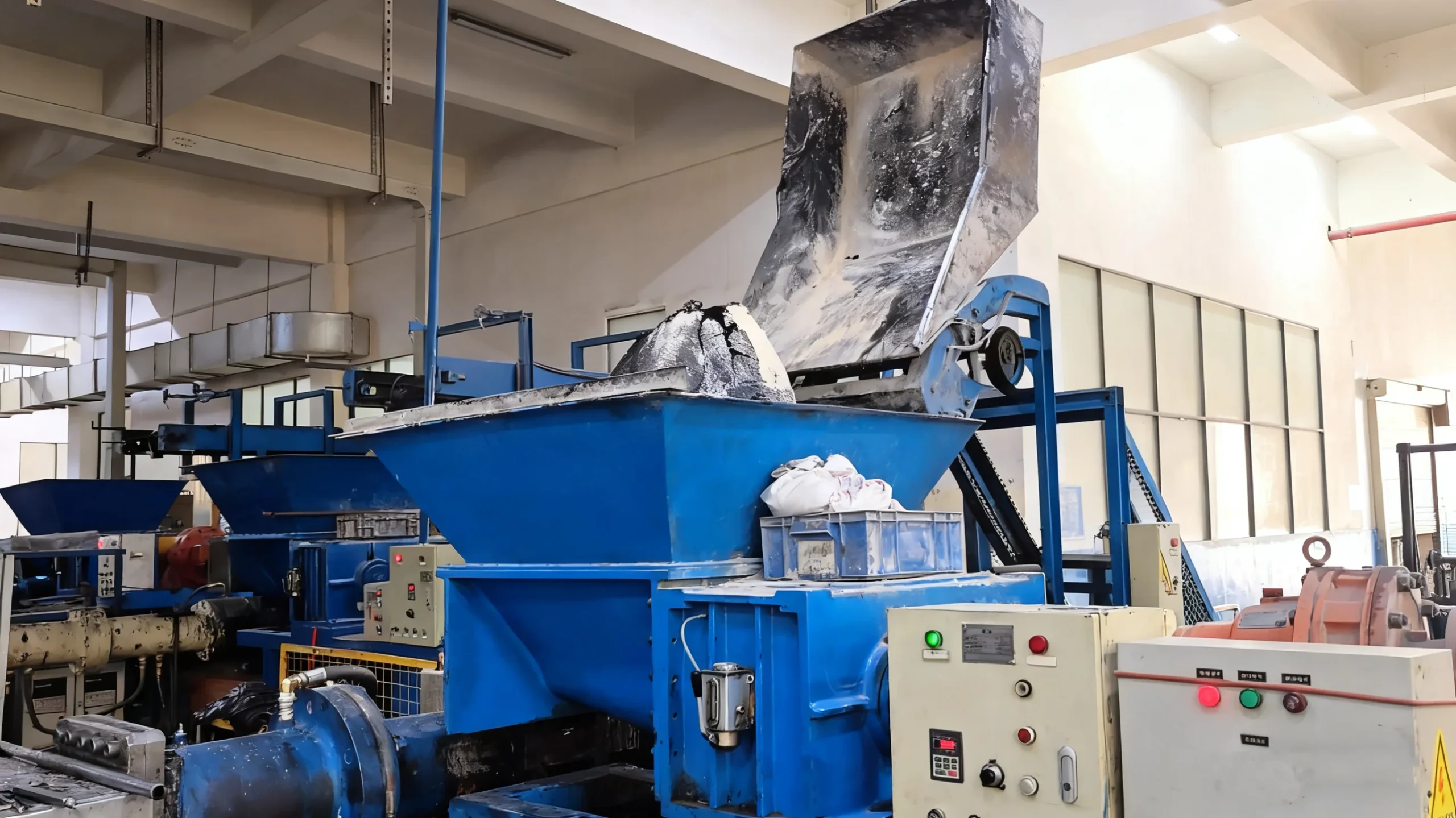
In today’s industrial era driven by efficiency, environmental protection, and sustainable development, a groundbreaking material that combines the elasticity of rubber with the processability of plastics—Thermoplastic Vulcanizates (TPV)—is rising rapidly as the ideal alternative to conventional vulcanized rubber.