

 Select Language
In the ever-evolving landscape of precision agriculture, drones have emerged as indispensable tools for efficient crop management. At the core of their spraying efficacy lies a critical yet often overlooked component: the tank pump system. This is where the innovative application of flexible impeller technology is making a transformative impact. Unlike traditional rigid pumps, these systems utilize a durable rubber impeller designed to handle the unique challenges of aerial application, from abrasive fertilizers to corrosive pesticides. This synergy of advanced materials and precise engineering ensures not only consistent spray patterns but also protects the longevity of the entire system, making it a cornerstone among high-performance agricultural drone parts.
Leading this material innovation is Guangdong Sunlite Technology Co., Ltd. (Stock Code: 838807). Established in 1998, Sunlite is a national high-tech enterprise, recognized as a specialized and sophisticated "Little Giant" and an NEEQ Innovation Layer enterprise. The company specializes in the R&D, design, production, and sales of advanced polymer and functional materials, providing expert-level solutions for elastomer applications across industries. With a sprawling 50,000-square-meter production base, two dedicated R&D centers, and a portfolio of over 40 authorized patents, Sunlite combines nearly three decades of material science expertise with stringent quality certifications like IATF 16949. Their deep understanding of elastomer behavior under stress, corrosion, and vibration is directly applied to perfecting the rubber impeller, creating pumps that are reliable, efficient, and built to last in the most demanding field conditions.
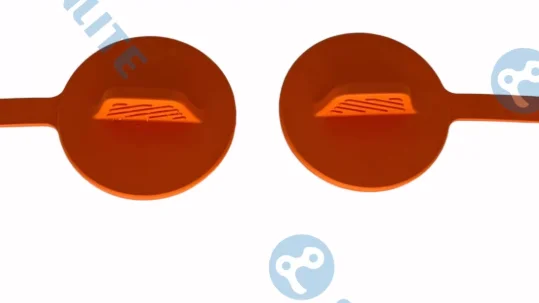
Optimizing Agricultural Drone Parts with Advanced Pump Technology
The ecosystem of agricultural drone parts is a marvel of modern engineering, where every component must work in perfect harmony to achieve maximum efficiency and ROI. The spraying system, in particular, carries the direct responsibility of translating data-driven decisions into physical action on crops. Integrating a flexible impeller pump into this system addresses several critical pain points. Its self-priming capability ensures instant flow upon activation, crucial for variable rate application. Furthermore, its gentle pumping action is ideal for sensitive tank mixes, minimizing foaming or separation.
The Engineering Marvel of the Flexible Impeller
The flexible impeller is the defining element of this pump technology. Crafted from specialized elastomers, these impellers feature vanes that flex as they rotate within a slightly eccentric housing. This action creates a progressive cavity that draws fluid in, carries it around the pump chamber, and expels it with consistent, non-pulsating pressure. This design is exceptionally tolerant of small debris and can run dry for short periods without catastrophic failure—a significant advantage in agricultural settings. The flexibility allows it to maintain a tight seal against the pump housing, ensuring efficient performance even as the vanes wear slightly over time. This resilience and forgiving nature make it an ideal mechanical heart for the unpredictable environments where agricultural drones operate.
Material Mastery: The Durability of the Rubber Impeller
The performance and lifespan of the pump are wholly dependent on the material science behind the rubber impeller. Not just any rubber will suffice. It must be formulated to withstand a harsh cocktail of chemicals, including fertilizers, herbicides, and insecticides, while maintaining its flexibility and tensile strength. Advanced compounds like nitrile, EPDM, or fluorocarbon elastomers are typically employed, each selected for its resistance to specific chemicals and operational temperature ranges. This mastery over material properties ensures the impeller does not swell, crack, or degrade when exposed to aggressive agents. This durability directly translates to less downtime for maintenance, lower long-term costs, and consistent spraying performance throughout the growing season, protecting a farmer's investment in both the drone and the chemicals it carries.
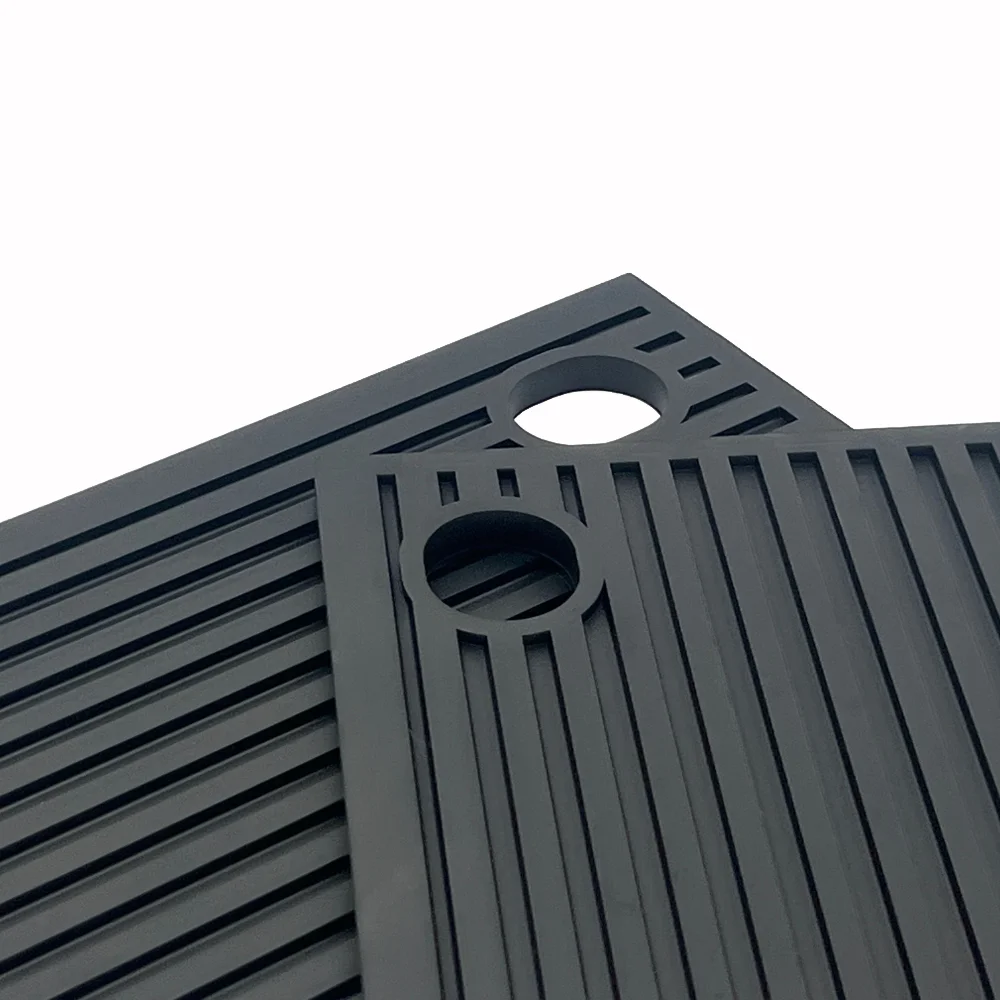
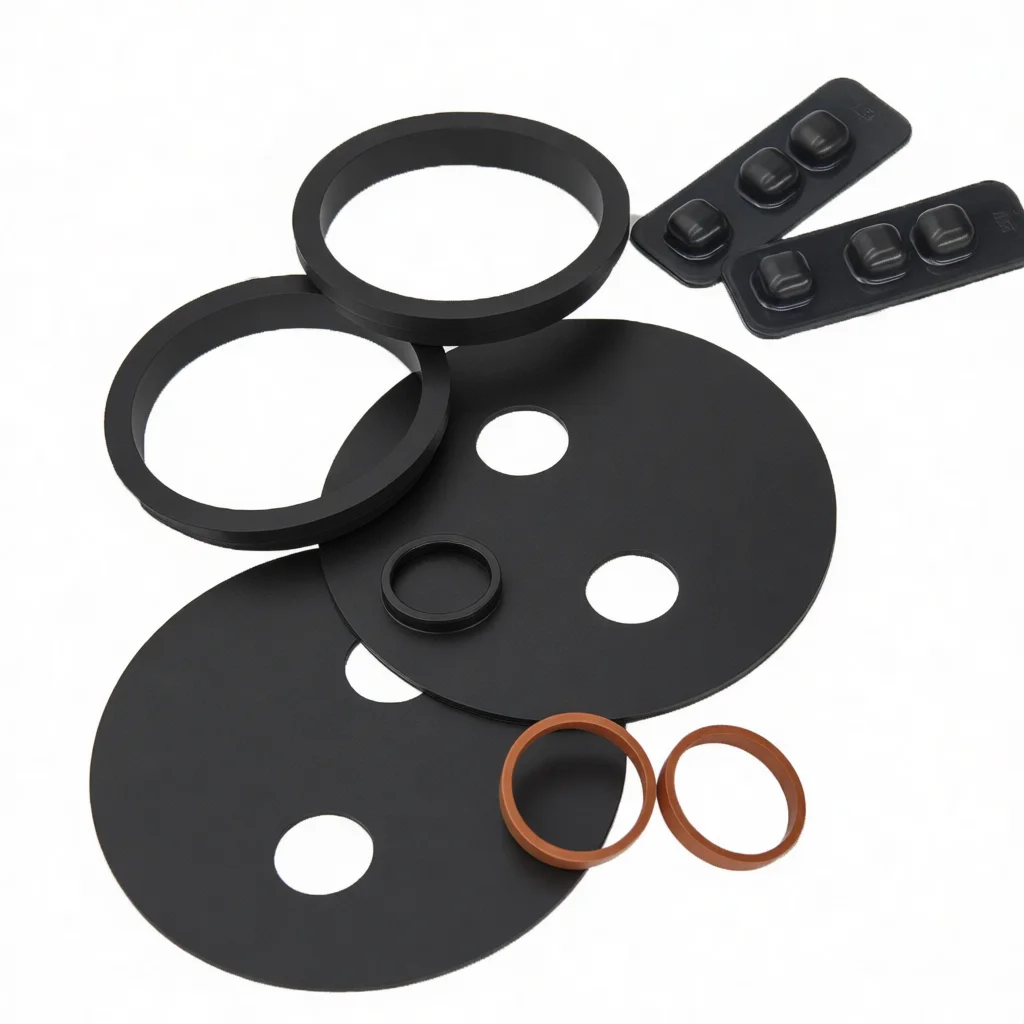
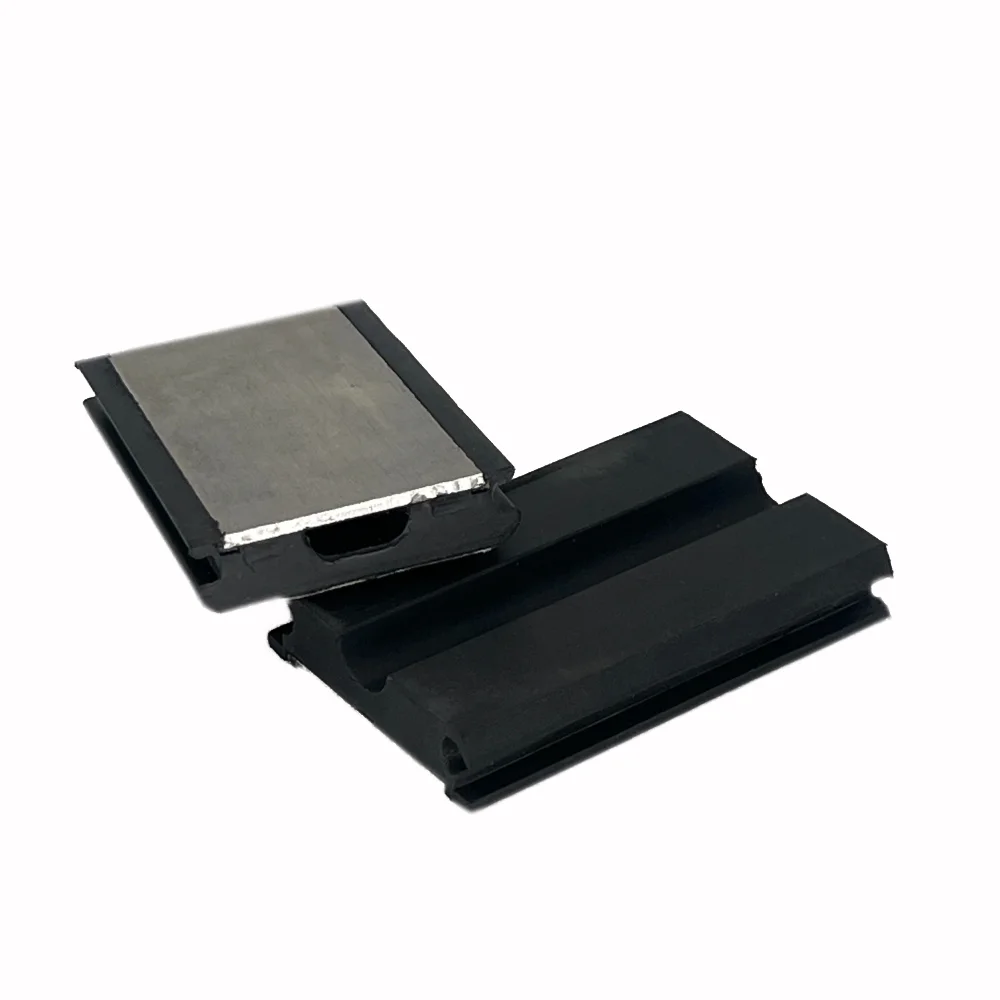
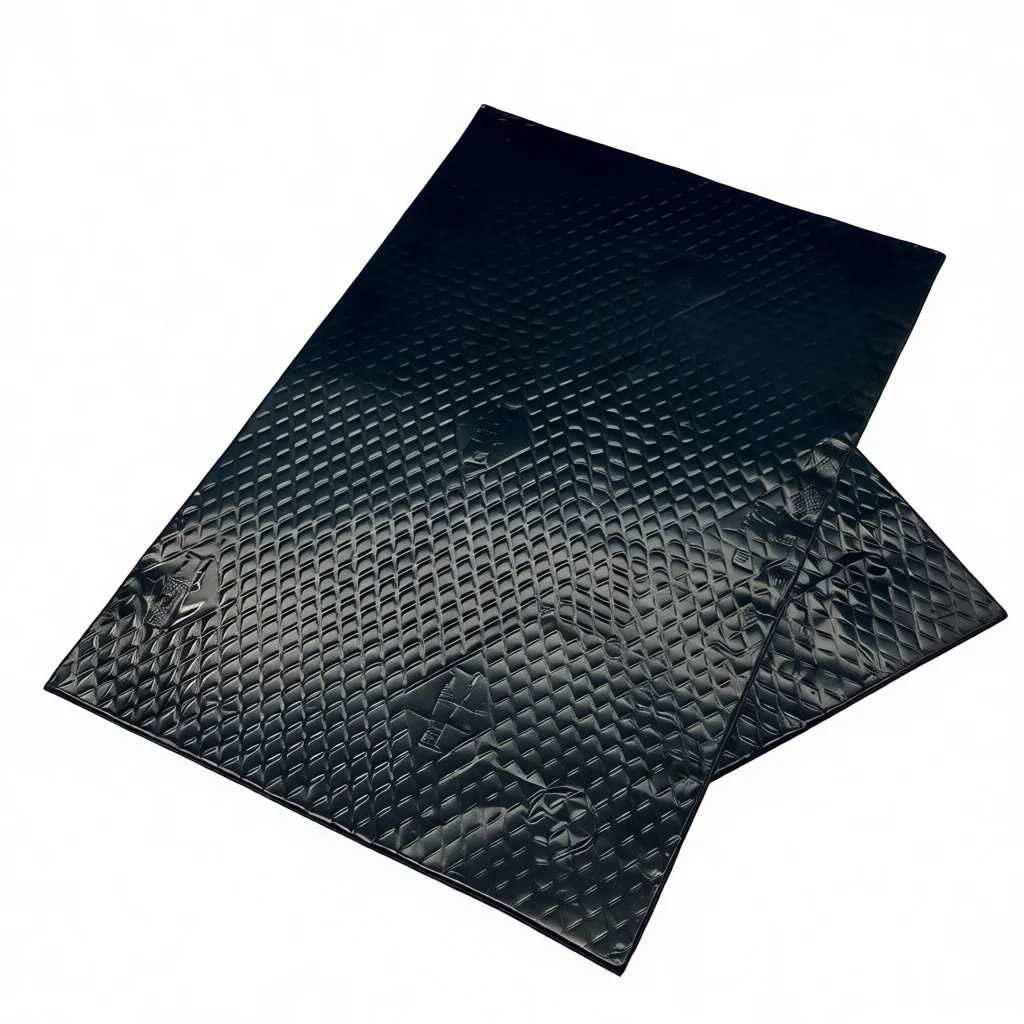
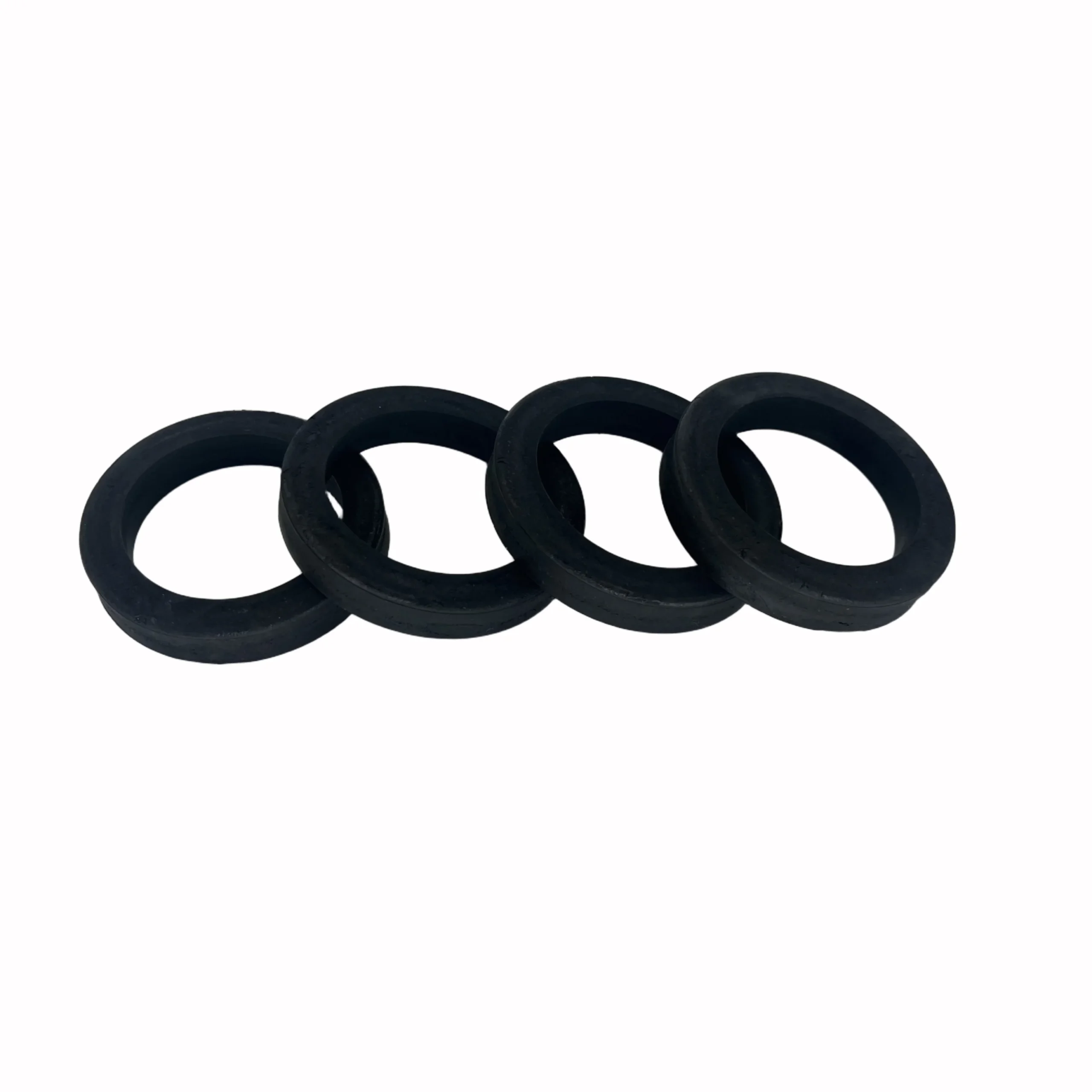
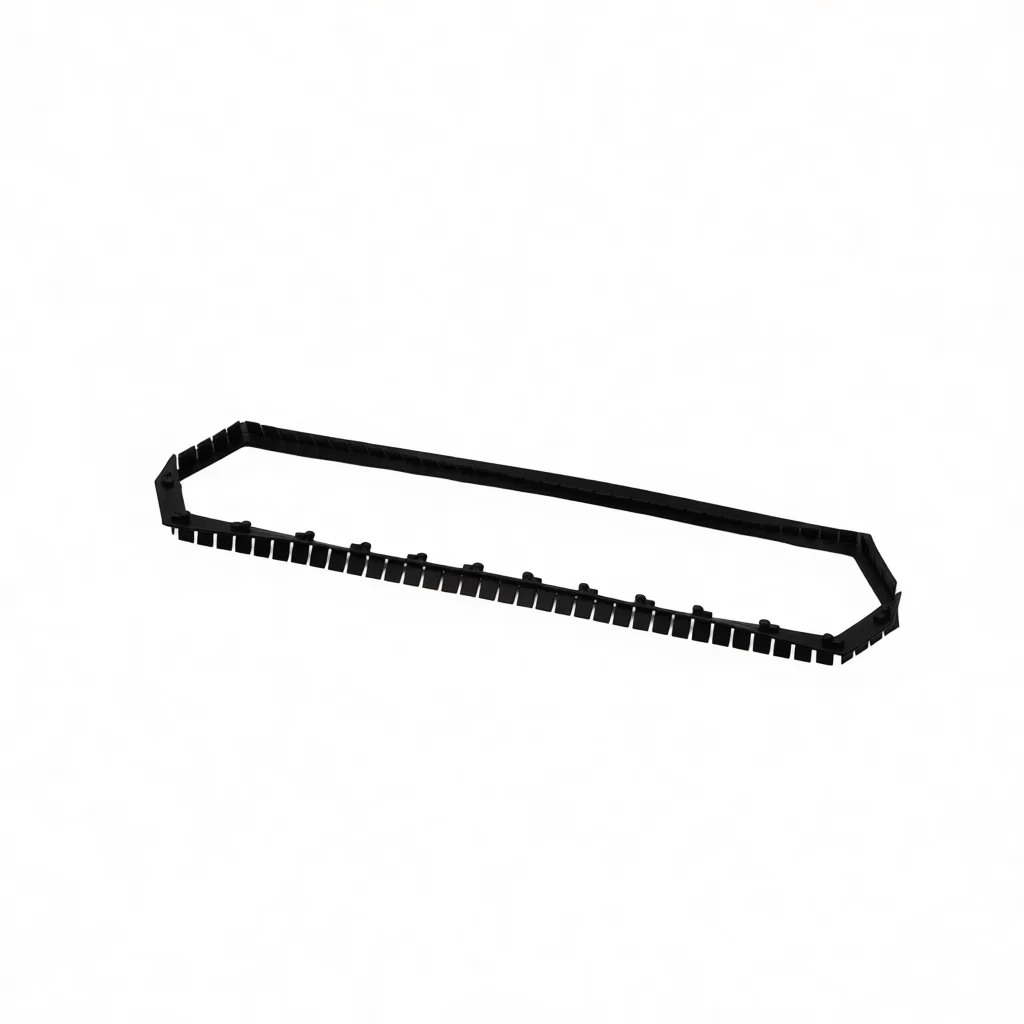
A drone's spraying system doesn't operate in isolation. The same material expertise used for the rubber impeller extends to critical sealing solutions that protect the entire drone. High-performance seals are vital for safeguarding sensitive electronics and mechanical parts from chemical exposure, moisture, and dust during rigorous field operations.
The following table details the parameters and applications of these essential sealing components, which work in concert with the pumping system to ensure total drone reliability:
Parameter Category | Details |
Application Scenarios | 1. Battery compartment sealing – prevents water and dust ingress to ensure battery safety. |
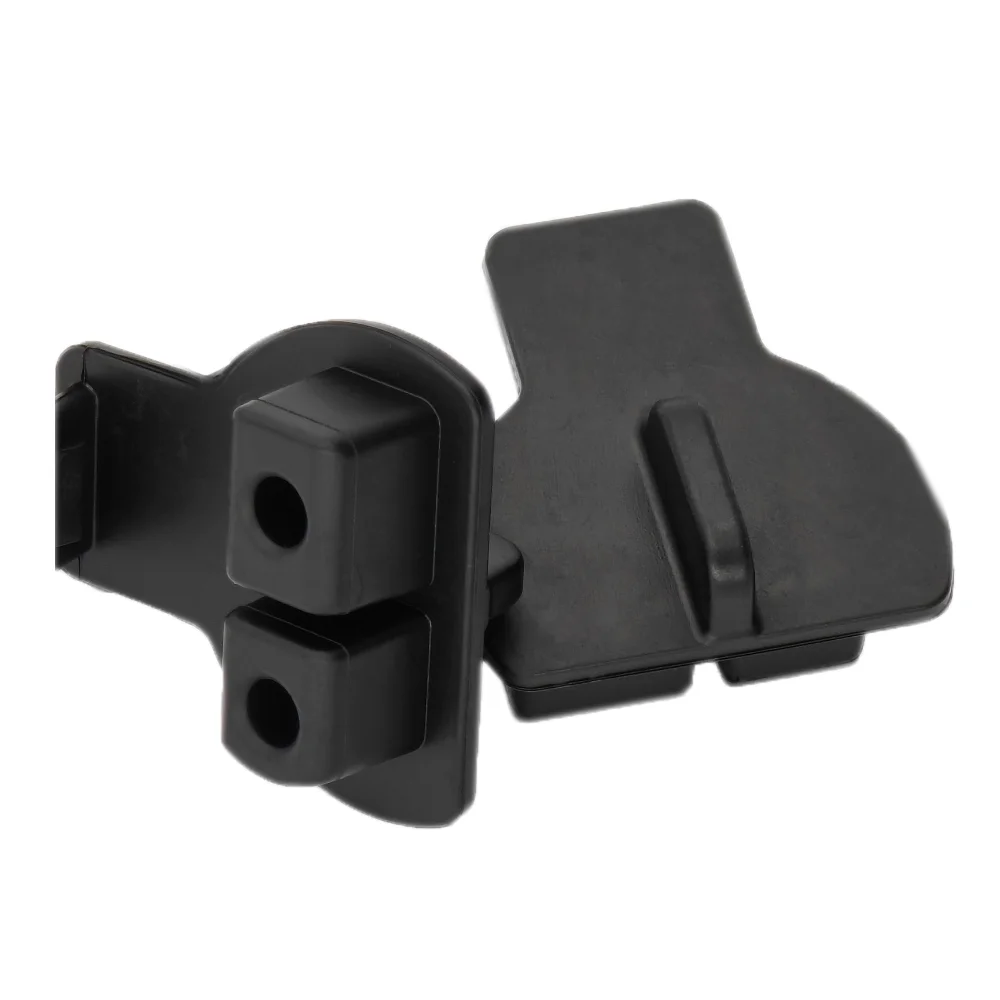
Product Description | This series of sealing rubber products is made primarily from FKM (fluororubber) and is specially designed for agricultural drones and robots operating in high-altitude, low-temperature, high-vibration, and highly corrosive environments. It offers excellent chemical resistance, sealing performance, and environmental adaptability. Widely used for sealing and protection in key areas such as battery compartments, motor systems, sensors, and housing interfaces. Custom designs based on drawings or samples are available. |
Product Function | Provides excellent sealing protection, corrosion resistance, temperature tolerance, and durability. Capable of prolonged operation in highly corrosive chemical environments. Safeguards core components from external liquid and dust erosion, enhancing overall stability and safety. Particularly suitable for demanding applications involving high-frequency operations and pesticide environments. |
Performance Index | Material Type: FKM Fluororubber |
Application Area | Widely applied in agricultural UAVs, inspection robots, and intelligent spraying equipment operating in highly corrosive environments. Specifically used for battery compartment, motor and transmission system, sensor and camera interface, and housing connection sealing. |
FAQs About Flexible Impeller Pumps
What are the main advantages of a flexible impeller pump for my agricultural drone?
The primary advantages are exceptional reliability and handling versatility. The flexible impeller design is self-priming, provides a smooth, non-pulsating flow for even spray patterns, and is tolerant of slurries and liquids with small particulates common in agriculture. Its ability to run dry briefly without immediate damage offers a critical safety margin during field operations, protecting your equipment from accidental pump burnout.
How does the rubber impeller handle corrosive chemicals like pesticides?
The rubber impeller is not made from standard rubber. It is engineered from advanced chemical-resistant elastomers like FKM (fluororubber) or EPDM. These materials are specifically compounded to resist swelling, cracking, and degradation when exposed to a wide range of fertilizers, herbicides, and insecticides. This ensures the pump maintains its efficiency and structural integrity over long periods, directly extending the service life of this crucial agricultural drone part.
Absolutely. Flexible impeller pumps respond excellently to speed variations, making them perfectly suited for integration with a drone's flight controller and variable rate technology (VRT). As the drone speed changes or enters zones requiring different application rates, the pump speed can be adjusted precisely, ensuring each plant receives the exact amount of input required. This precision is key to optimizing chemical usage and crop yield.
Why is sealing technology mentioned alongside the rubber impeller pump discussion?
A high-performance pump is only one part of a reliable spraying system. The same harsh chemicals that the rubber impeller pumps can attack other vital agricultural drone parts. Advanced sealing solutions, as detailed in our product parameters, are essential to protect battery compartments, motor bearings, and electronic sensors from leakage and corrosion. This holistic approach to system design ensures the entire drone operates safely and reliably in a corrosive environment.
What makes your company's approach to these agricultural drone parts unique?
Our approach is rooted in deep material science expertise and vertical integration. As a specialist in polymer and functional materials with a CNAS-certified lab, we don't just assemble parts; we engineer the elastomers at a molecular level. This allows us to tailor the flexible impeller and sealing components for optimal performance, durability, and chemical resistance, providing a complete, coherent, and highly reliable material solution for the demanding world of agricultural aviation.
In conclusion, the integration of robust flexible impeller pump technology, centered on a chemically resilient rubber impeller, represents a significant leap forward for aerial application. It transforms the drone tank from a simple container into an active, precise, and reliable dispensing system. When combined with equally advanced sealing solutions for other critical agricultural drone parts, operators gain a holistic platform designed for durability, precision, and maximum uptime. This synergy of innovation ensures that every flight mission is not only effective for the crop but also economically sustainable for the farmer, solidifying the role of advanced materials as the true enablers of precision agriculture's future.
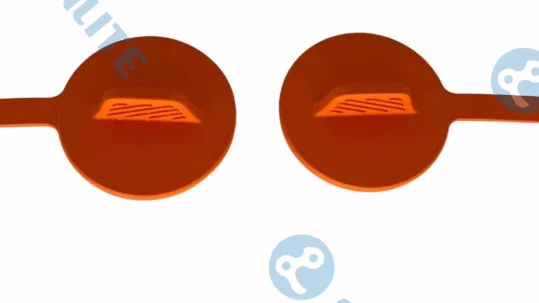
In the ever-evolving landscape of precision agriculture, drones have emerged as indispensable tools for efficient crop management.