Select Language
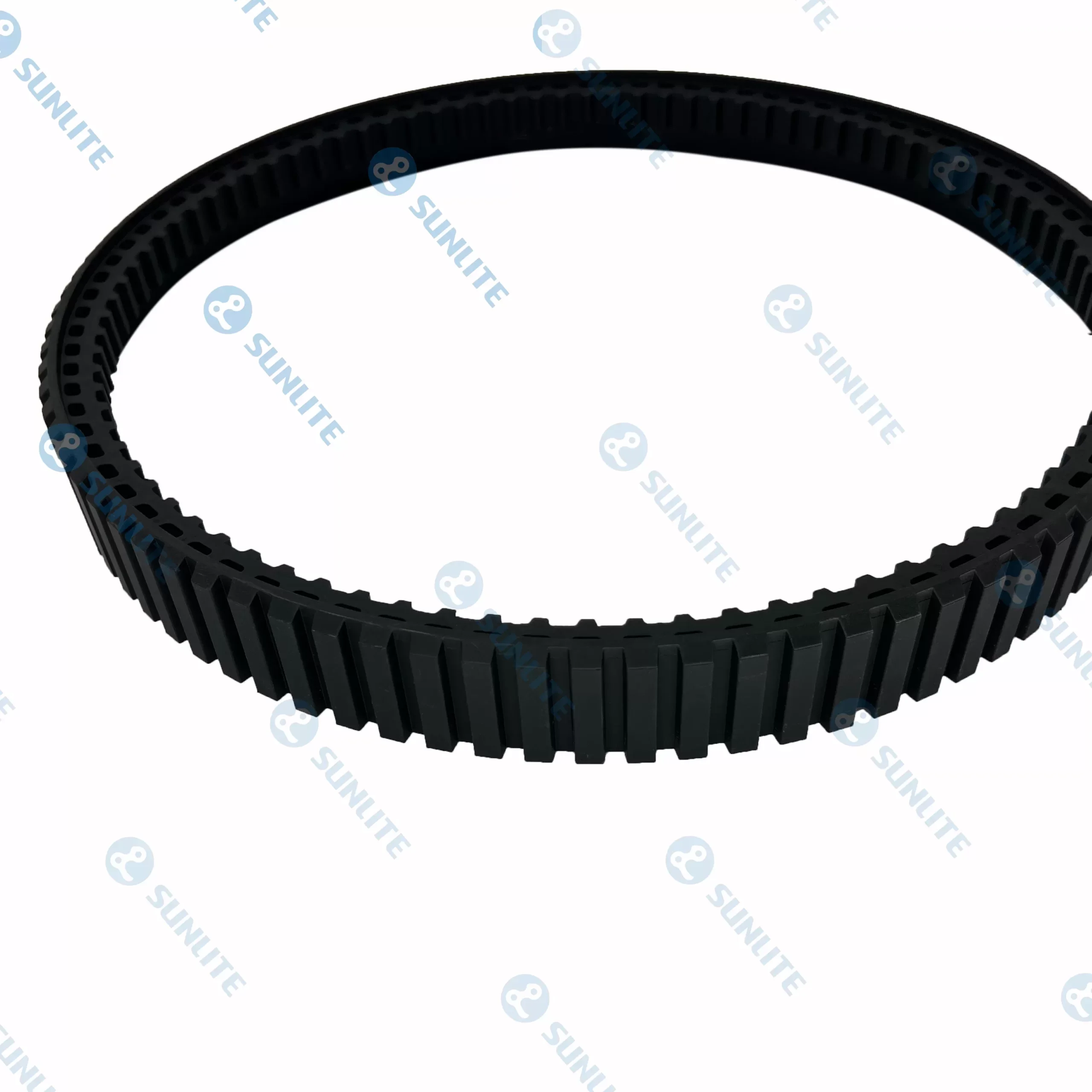
Choosing rubber tank tracks for robots, heavy duty robot tracks, robot tank tracks, caterpillar tracks for robots is trickier than it looks. On paper it’s rubber and lugs; in the field it’s chemistry, adhesion, and whether your bot grips a slimy wall after six months in chlorinated water. I’ve seen teams nail the drivetrain and then lose to a cracked tread. It hurts.
What’s shaping the market
The trend is toward application-specific compounds and smarter reinforcement: NBR for aggressive pools and seawater, TPU for abrasion and cold, aramid layers to hold pitch under torque. Also, buyers want traceable testing—ASTM/ISO numbers in the spec sheet, not just marketing. And yes, “robot track manufacturer” searches are up; customization is king.
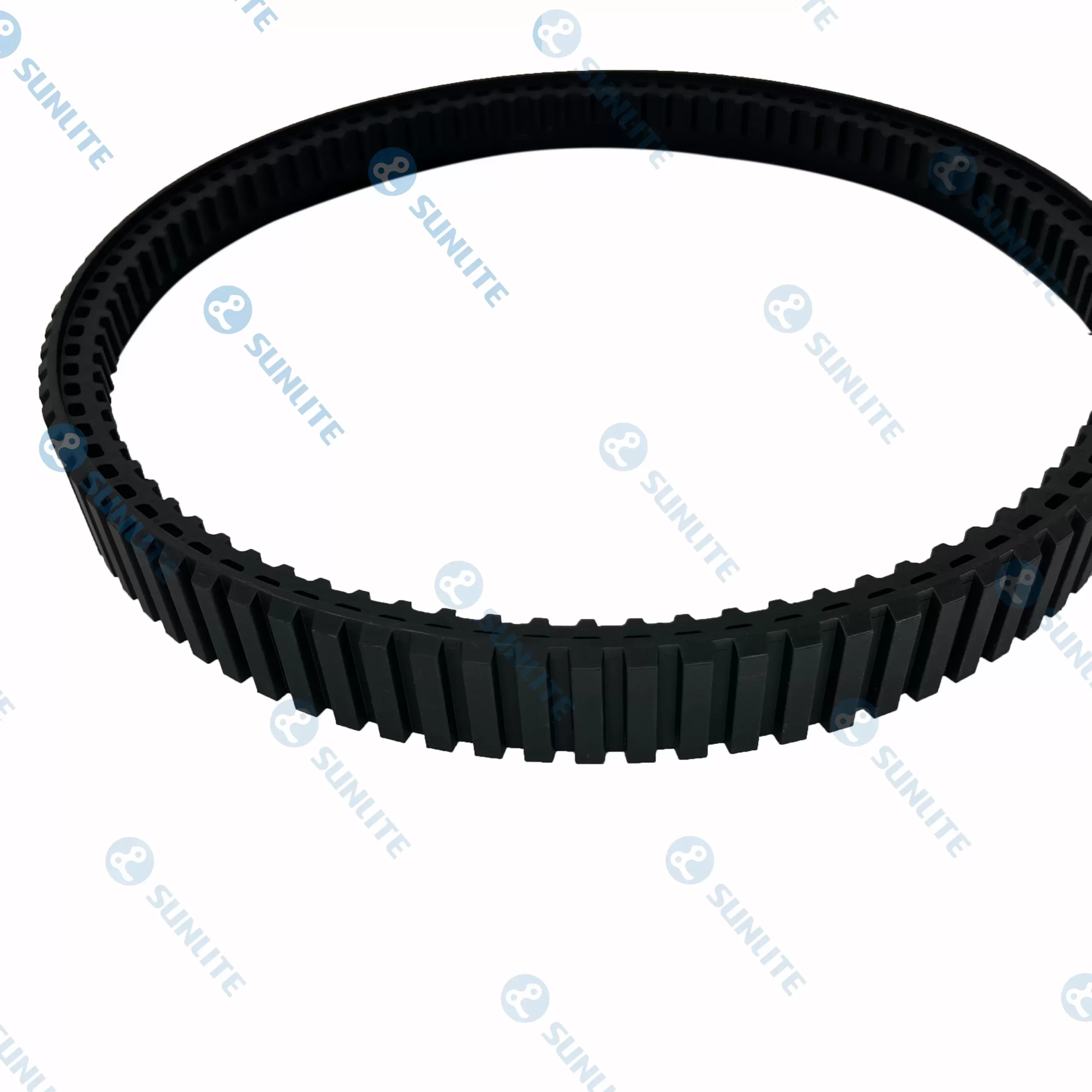
Product snapshot: Robot Drive Track (NBR)
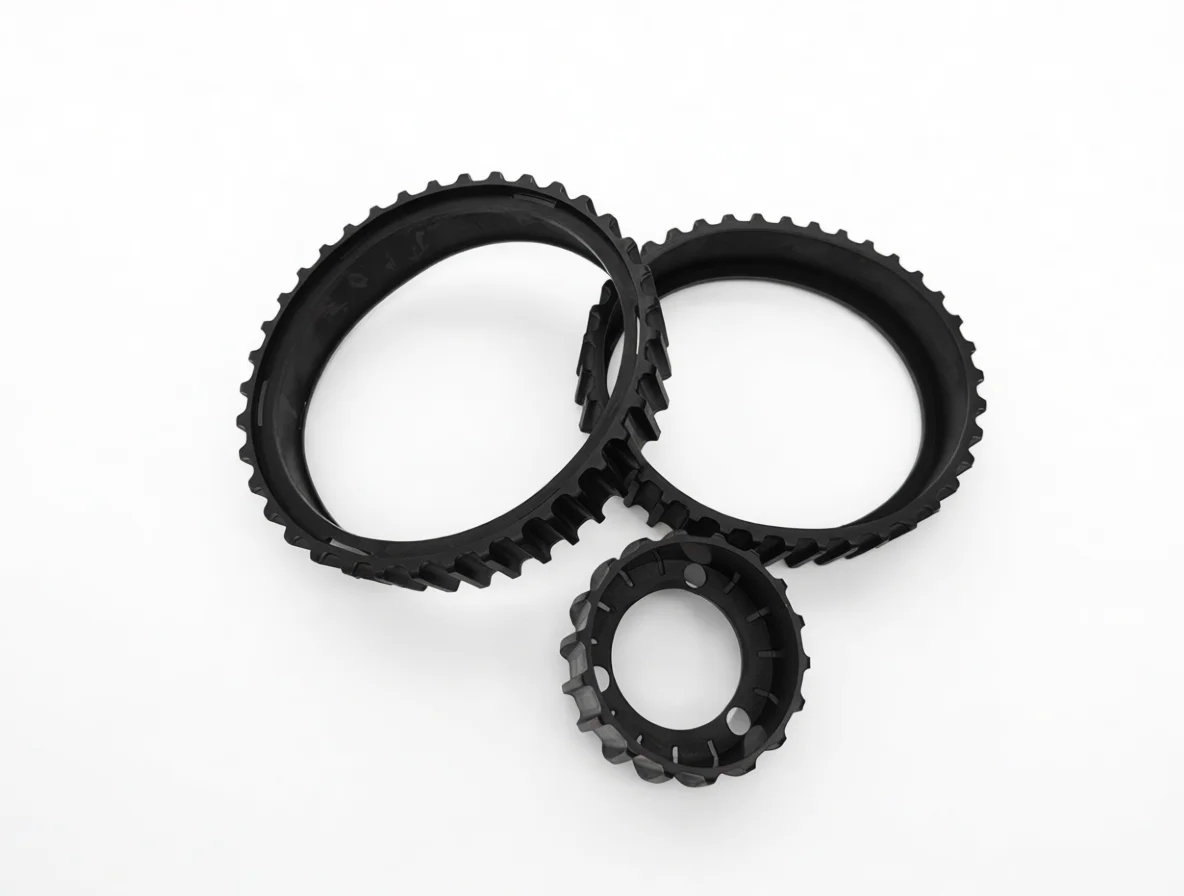
SunliteTek’s Robot Drive Track uses NBR (nitrile-butadiene rubber) built for underwater bots—pool wall-climbers, cable inspectors, sludge crawlers, even nuclear inspection units. To be honest, the chemical resistance numbers are what caught my eye first.
Parameter | Spec (≈, real-world may vary) |
Material | NBR compound, UV/ozone stabilized; high-adhesion base |
Hardness | 60–70 Shore A (ASTM D2240) |
Tensile strength | ≥12 MPa (ASTM D412) |
Chemical resistance | ≥75% property retention; ≤15% volume swell after 30-day immersion in residual chlorine, sodium hypochlorite, CuSO₄, mild acids/alkalis (ASTM D471) |
UV/Ozone | ≥75% retention (168 h UV); no cracks after 72 h ozone (ISO 1431) |
Temperature cycle | 6 cycles −20°C↔60°C, dimensional compliance |
Friction on wet tile | COF ≈0.7–0.9 with lugged pattern (lab data) |
Service life | 12–24 months typical underwater duty (usage-dependent) |
Process and testing (short version)
Materials: NBR blended with corrosion inhibitors, UV stabilizers, and reinforcing fillers; optional aramid fabric layer for pitch stability. Methods: precision molding, vulcanization, adhesive bonding, post-cure trimming. QA: hardness (D2240), tensile/elongation (D412), immersion/swell (D471), ozone (ISO 1431), compression set (ISO 815), dimensional tolerance checks, and torque/track slip rig tests. Certifications: ISO 9001 quality systems; RoHS/REACH on request. Actually, that last one is often overlooked—ask for documentation.
Where they’re used
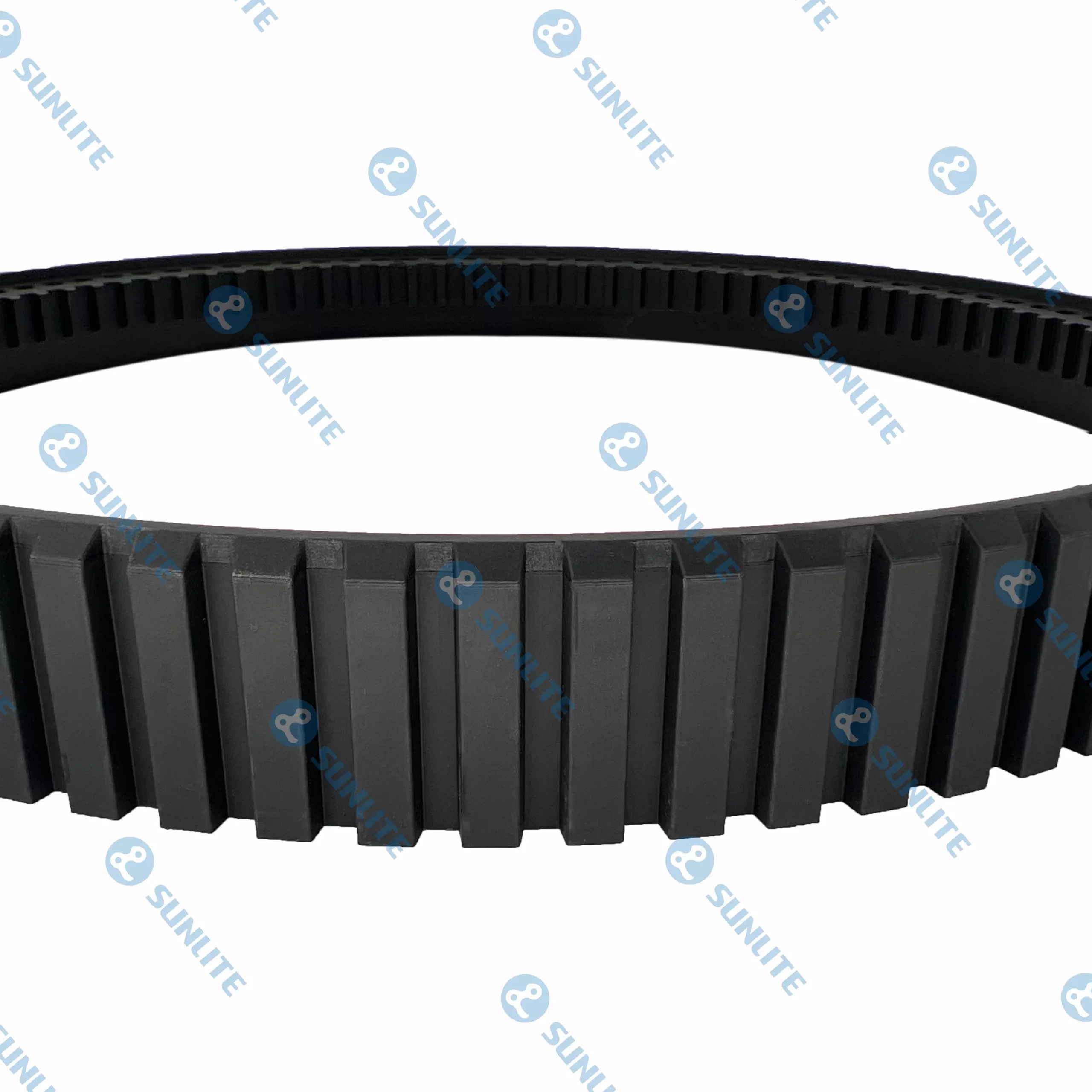
· Underwater structure and pool wall inspection—high-friction lugs help with vertical climbs.
· Subsea pipeline/cable survey and sediment zones—abrasion plus chemical splash is common.
· Hazardous/confined spaces—chemical mist, low visibility, and, sometimes, radiation-adjacent work.
· Nuclear facilities—materials chosen for ozone/oxidation stability under harsh ventilation.
Real-world notes and feedback
One municipal pool robotics team told me the NBR tracks kept grip after months of sodium hypochlorite dosing—surprisingly little swelling. A nuclear contractor said adhesion stayed intact after repeated decon cycles. Not universal, but consistent feedback across deployments of rubber tank tracks for robots, heavy duty robot tracks, robot tank tracks, caterpillar tracks for robots in wet, oxidizing environments.
Vendor snapshot (what to compare)
Vendor | Compound | Chlorine/Ozone | Certs | Customization | Lead time |
SunliteTek Robot Drive Track | NBR (underwater grade) | ≥75% retention; no ozone cracks (test-based) | ISO 9001; RoHS/REACH on request | Drawings/samples; lug pattern, pitch, width | ≈3–6 weeks |
Vendor A (generalist) | Generic rubber | Limited chlorine data | Basic QC | Standard sizes only | ≈2–4 weeks |
Vendor B (industrial) | TPU blend | Good abrasion; mixed ozone results | ISO 9001/14001 | Moderate | ≈4–8 weeks |
Customization tips
· Share torque curves and max slope; lug geometry can be tuned for shear strength vs. noise.
· Specify pool chemistry or seawater salinity; NBR blend ratios change accordingly.
· Ask for immersion swell and tensile retention data by chemical—don’t just accept “resistant.”
· If you’re a robot track manufacturer integrating OEM units, align pitch with sprocket tooth profiles early.
Bottom line: for harsh wet work, rubber tank tracks for robots, heavy duty robot tracks, robot tank tracks, caterpillar tracks for robots made from NBR with verified chlorine/ozone performance are a smart, low-drama choice. And yes, the boring test reports are your best friend.
References
1. ASTM D471 – Standard Test Method for Rubber Property—Effect of Liquids.
2. ISO 1431-1 – Rubber, vulcanized or thermoplastic—Resistance to ozone cracking.
3. ASTM D412 – Standard Test Methods for Vulcanized Rubber and Thermoplastic Elastomers—Tension.
4. ISO 9001 – Quality management systems—Requirements.
5. EU REACH Regulation (EC) No 1907/2006 – Registration, Evaluation, Authorisation and Restriction of Chemicals.
Choosing rubber tank tracks for robots, heavy duty robot tracks, robot tank tracks, caterpillar tracks for robots is trickier than it looks.