

 Select Language
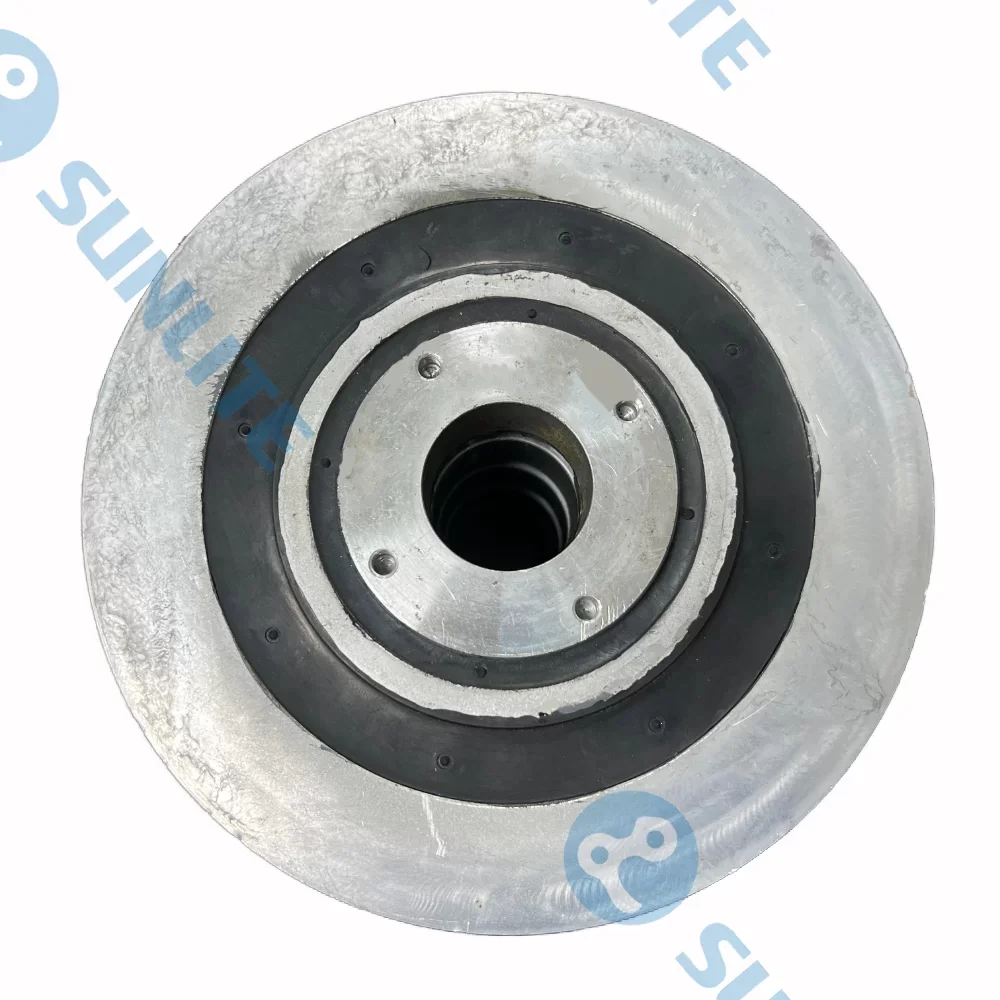
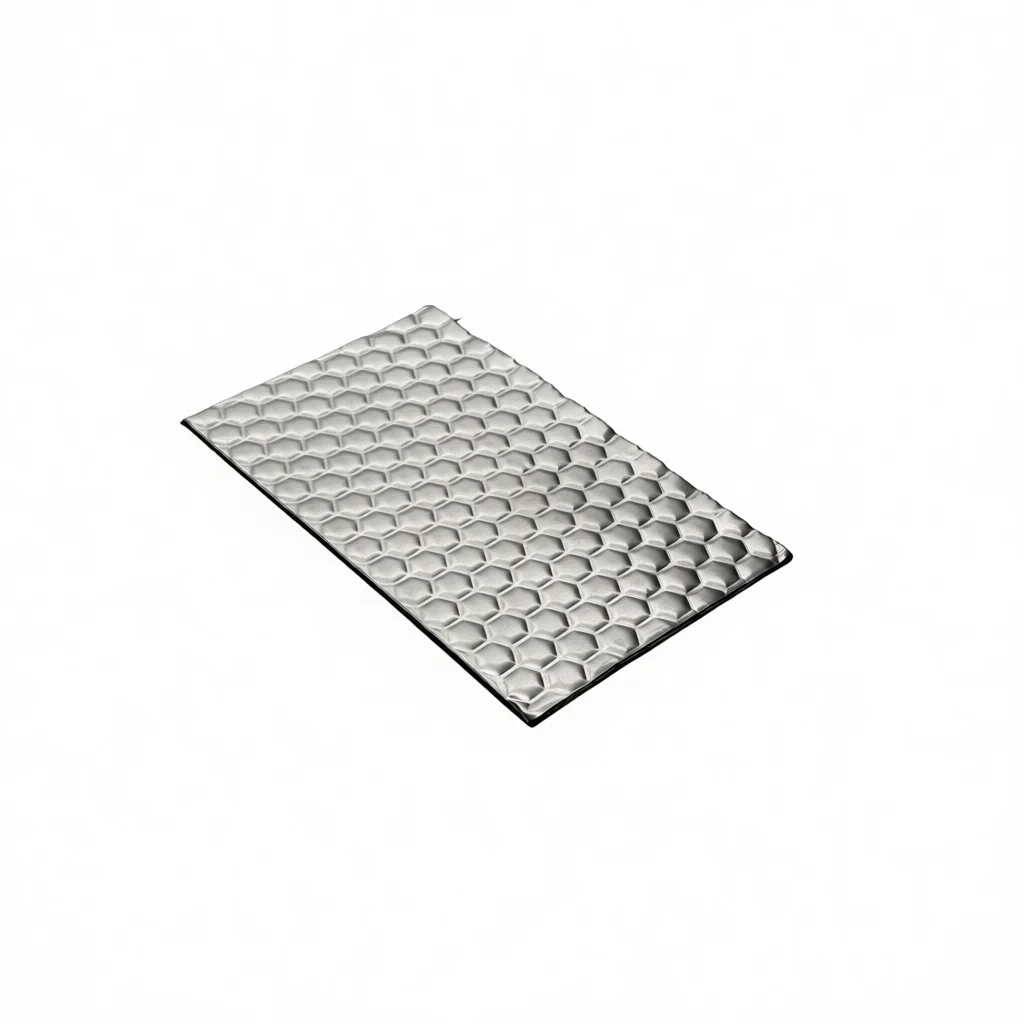
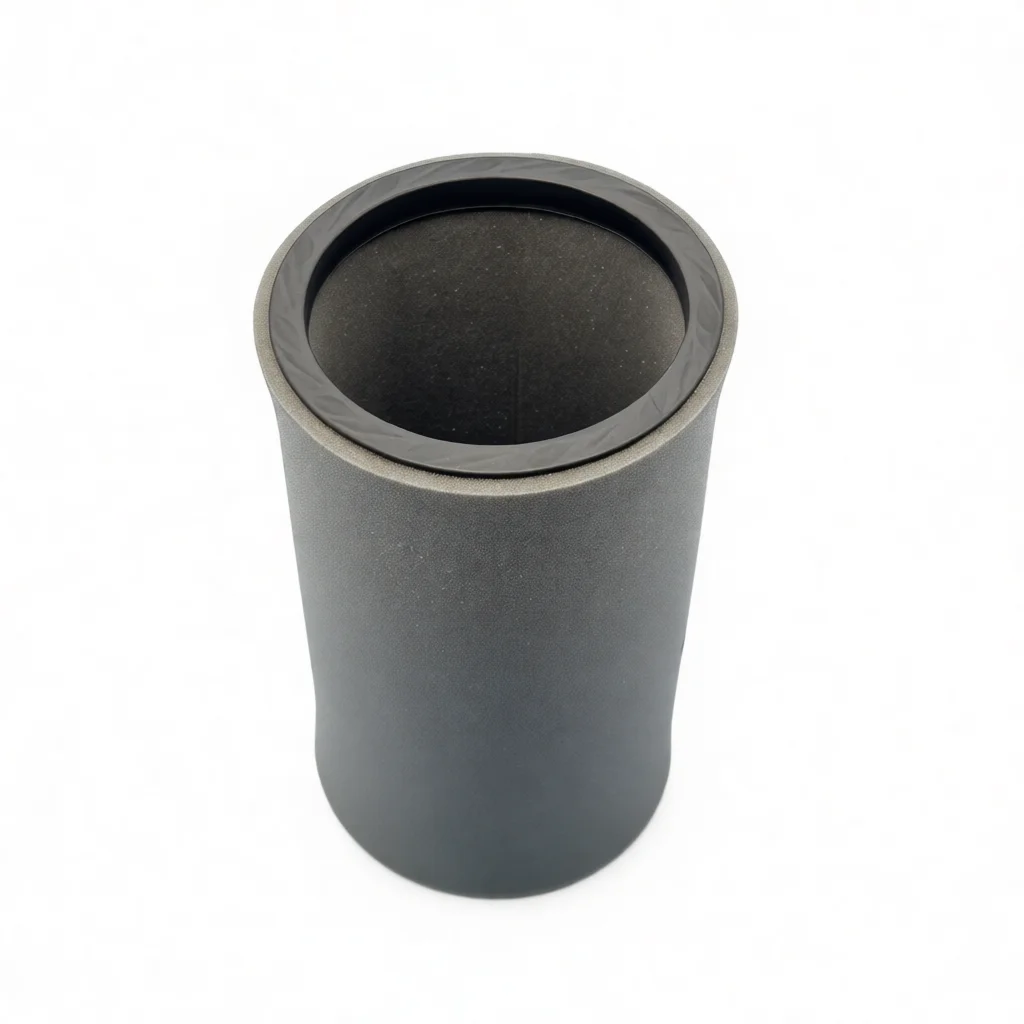
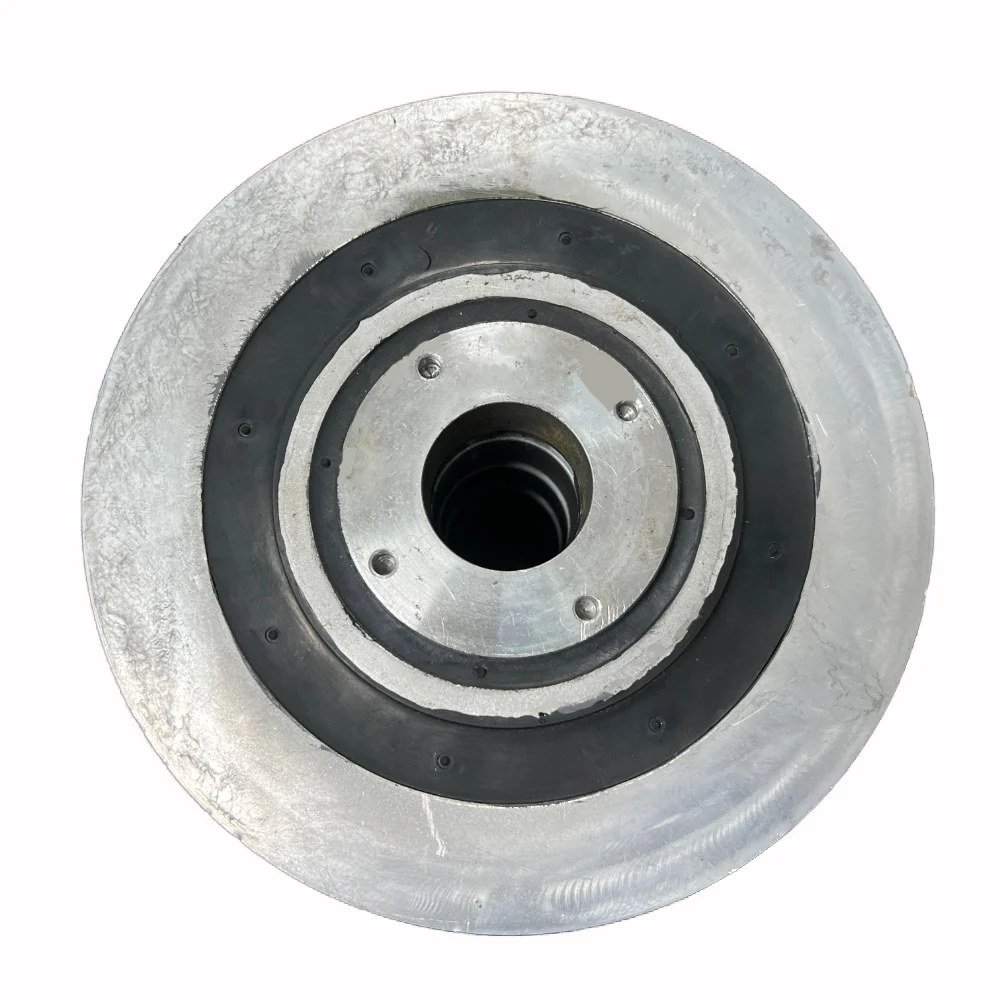
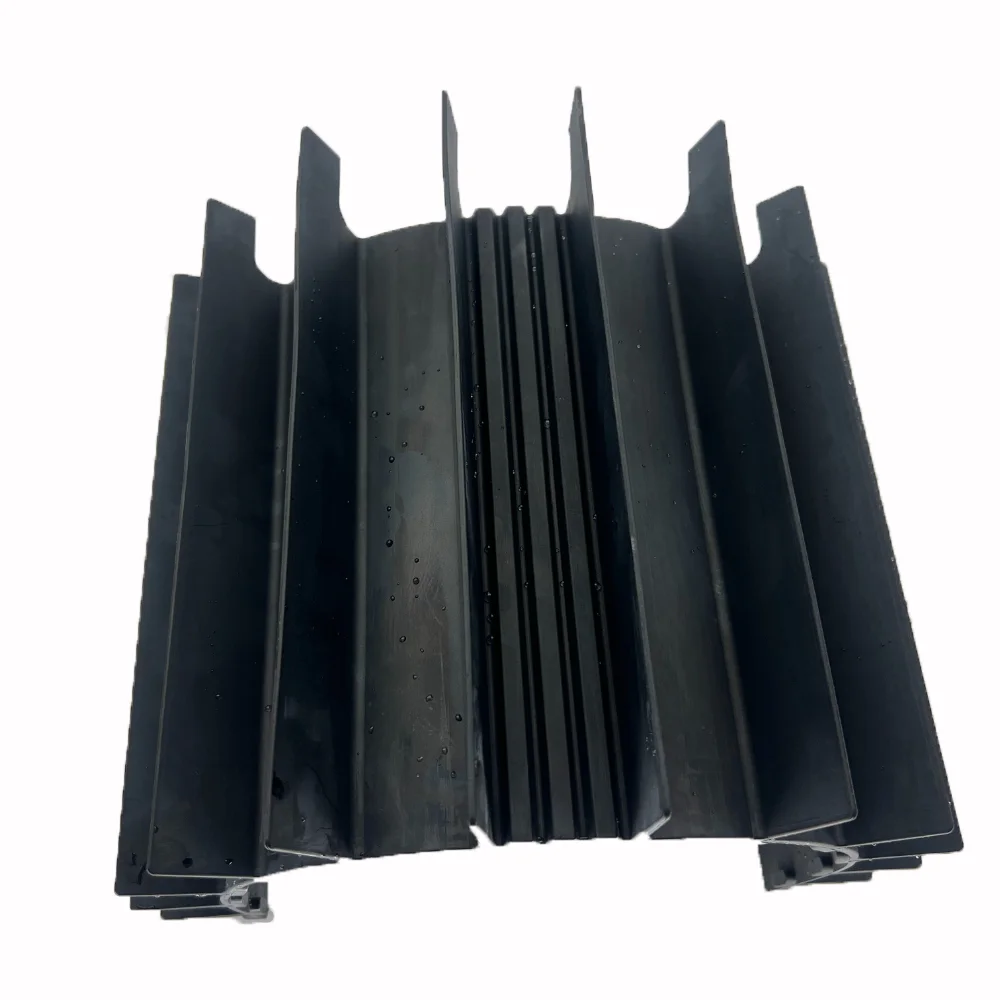
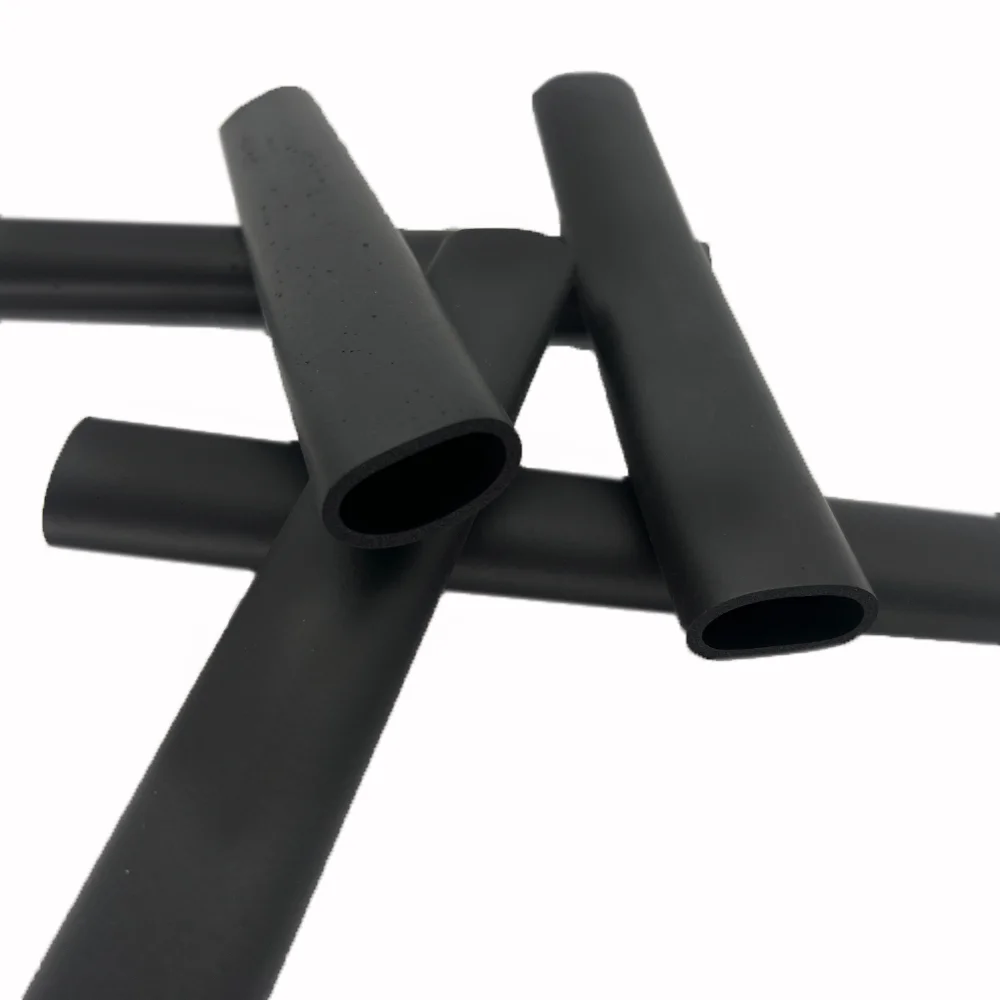
If you’re shortlisting [NBR robot roller brush, diving robot roller brush, pool cleaner robot roller brush, pool roller brush] for your next build or retrofit, here’s the field-level view. I’ve watched this niche mature fast—pools are more automated, aquaculture is scaling, hull-cleaning robots are no longer demos. And, to be honest, the brush is where glossy spec sheets often fall apart. Friction, chemistry, grit…that’s where an NBR-based roller can quietly make or break the job.
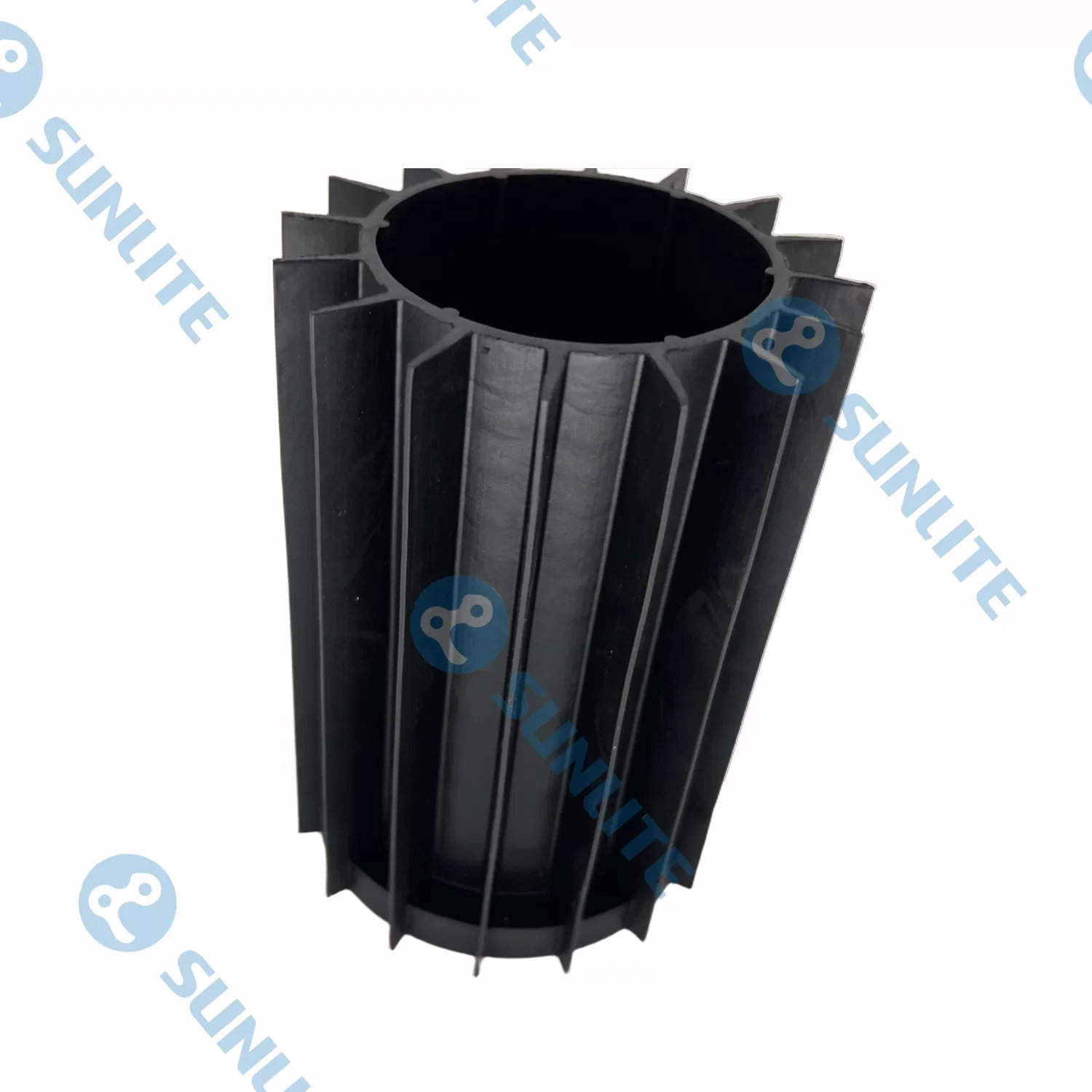
Why NBR for underwater cleaning
NBR (nitrile rubber) balances grip and chemical resistance, especially against chlorine, copper sulfate, acids/alkalis, and sodium hypochlorite. In practice, that means fewer swollen brushes, less glazing, and—surprisingly—more consistent drive traction on smooth tiles and FRP hull coatings. Many customers say the NBR robot roller brush keeps its profile better after repeated shock chlorination than blends they tried before.
Product snapshot (real-world specs)
Material | NBR (nitrile rubber), oil- and chlorine-resistant |
Hardness | Shore A ≈ 50–70 (customizable) |
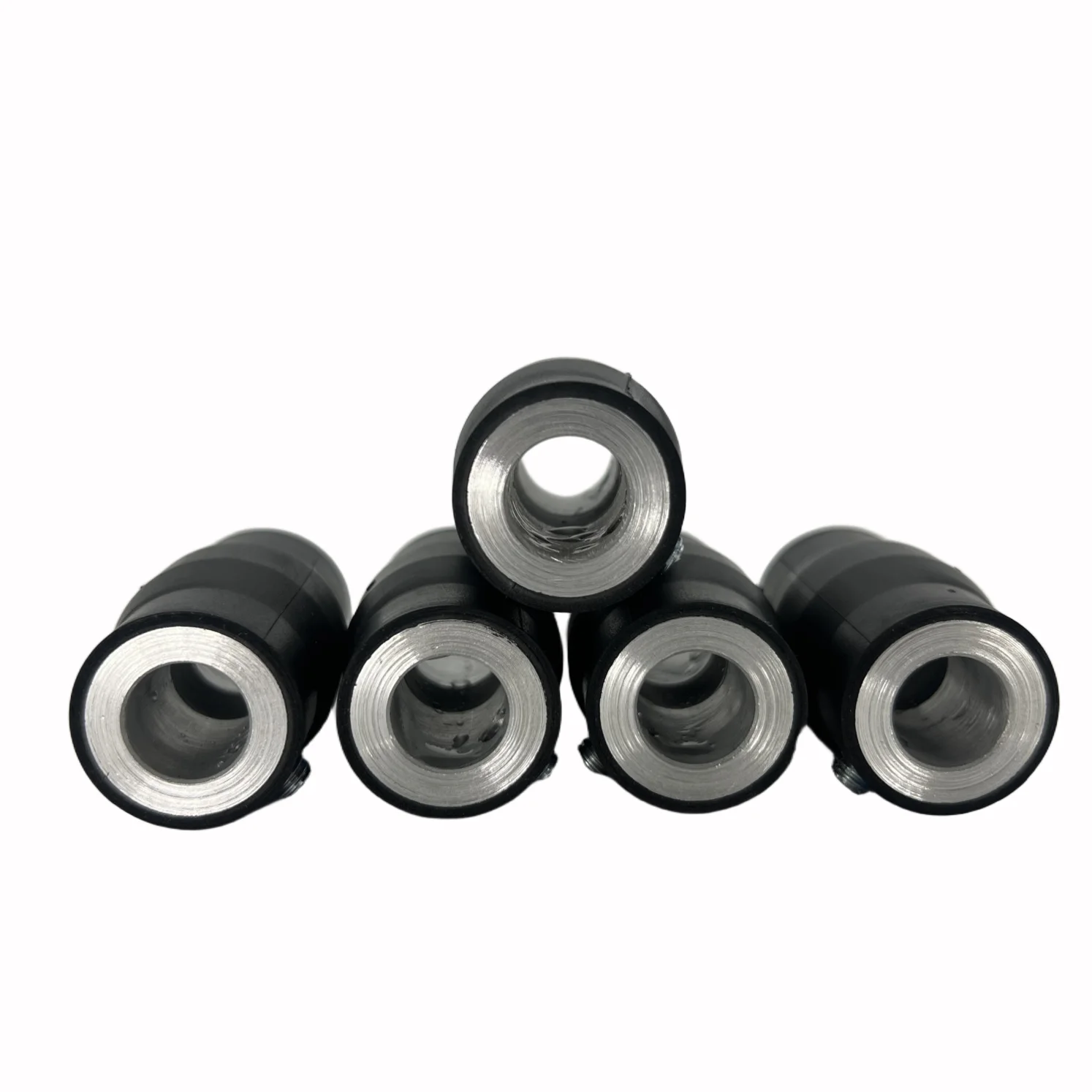
Dimensions | Ø 60–150 mm; width 100–500 mm (per drawing) |
Core/Hub | Aluminum, 304/316L SS, or engineered plastics |
Operating temp | -20℃ to 60℃; stable after 6 cycles (thermal shock) |
Chemical immersion | ≤15% volume change; ≥80% property retention (30 days) |
UV/Ozone | ≥80% retention (168 h UV); no cracks (72 h ozone) |
Service life | ≈ 12–36 months depending on chemistry and load; real-world use may vary |
Certifications | ISO 9001 factory; RoHS/REACH materials on request |
Where it’s being used now
· Commercial pool robots and pool cleaner robot roller brush retrofits
· Large aquarium and oceanarium maintenance robots
· Aquaculture net-cage cleaning systems
· Hull and dock structure cleaning (rubber brush drive)
· Reservoirs/dams and hydraulic facility maintenance robots
· Nuclear cooling pool cleaning where chlorine and UV are non-negotiable
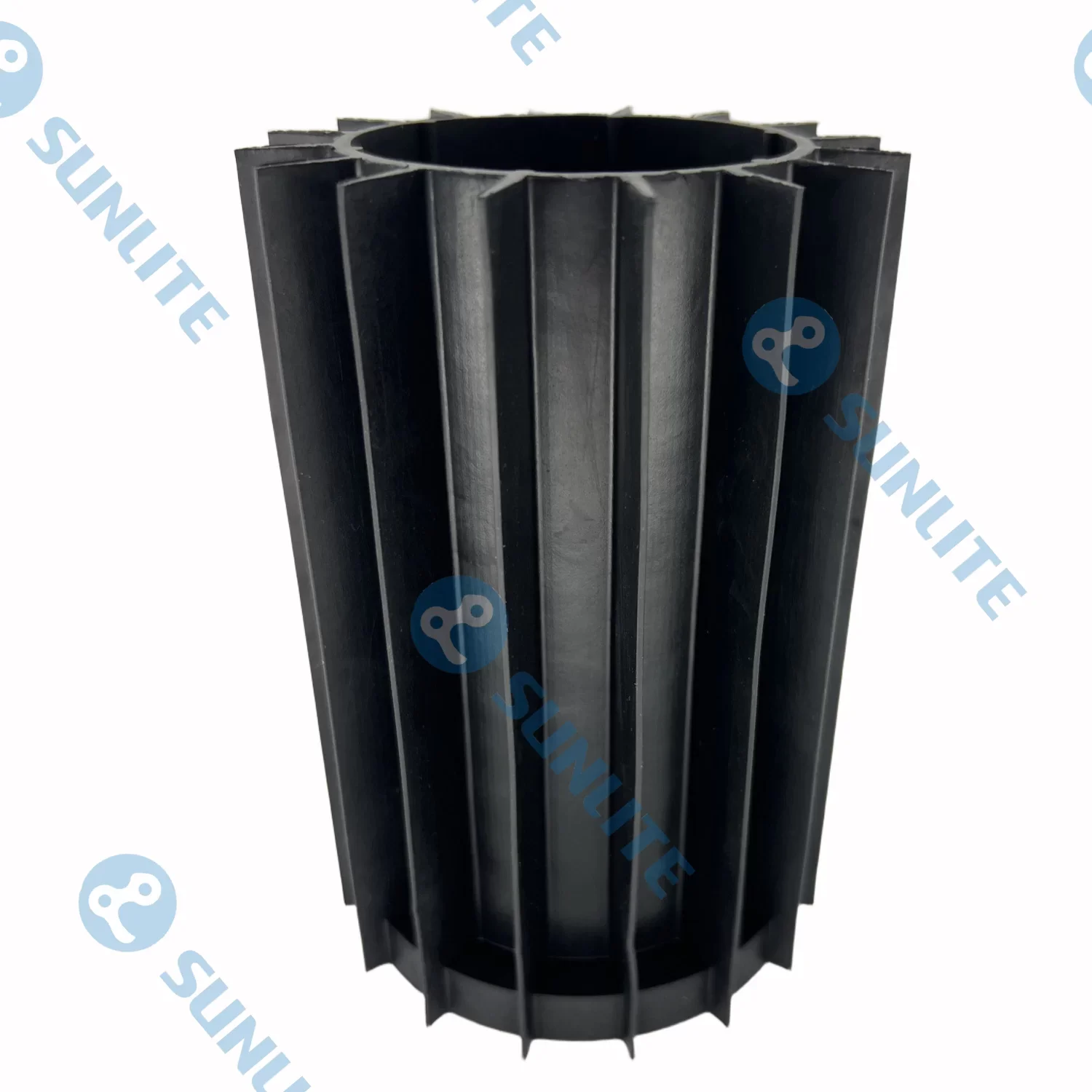
Process flow and testing
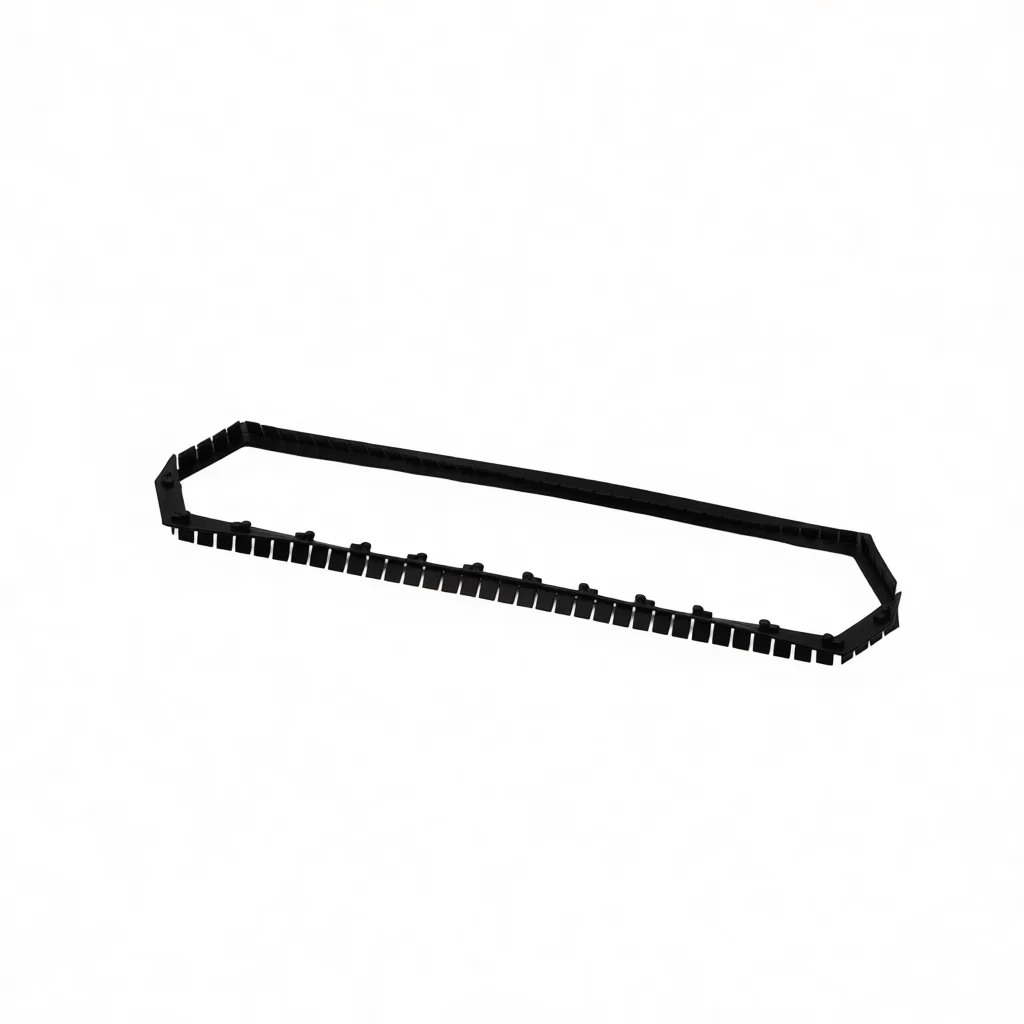
Materials: NBR compounds with anti-oxidants and anti-ozonants. Methods: precision molding or strip winding, vulcanization, CNC hub machining, bonding, dynamic balancing. Tests: chemical immersion per ASTM D471, UV per ISO 4892-2, ozone per ASTM D1149, temperature cycling per IEC 60068-2-14. I like that the team actually logs volume change and hardness drift, not just “passes.”
Vendor comparison (quick take)
Vendor | Chlorine resistance | Customization | Lead time | Certs | Notes |
Sunlitetek (NBR) | ≤15% swell (30 days) | High (per drawing/sample) | ≈ 2–4 weeks | ISO 9001, RoHS | Best grip on tiles and FRP in our tests |
Generic EPDM Mix | 20–30% swell | Medium | 3–6 weeks | Varies | Economical, but traction drops after shocks |
Foam/PU Brush | Degrades faster | Low–Medium | ≈ 2–3 weeks | Varies | Lightweight, but abrasion wear is noticeable |
Field notes and feedback
In a 5-star hotel pool, switching to a pool roller brush with NBR cut weekly labor by ~20% because the robot stopped slipping on glazed tiles. A marina team told me their diving robot roller brush held shape after a month in brackish water with copper-based algaecides—exactly the stress case that used to kill their older brushes.
Customization tips
· Match Shore A to substrate: softer for tiles, harder for painted hulls.
· Spec stainless hubs for saltwater; aluminum is fine for chlorinated pools.
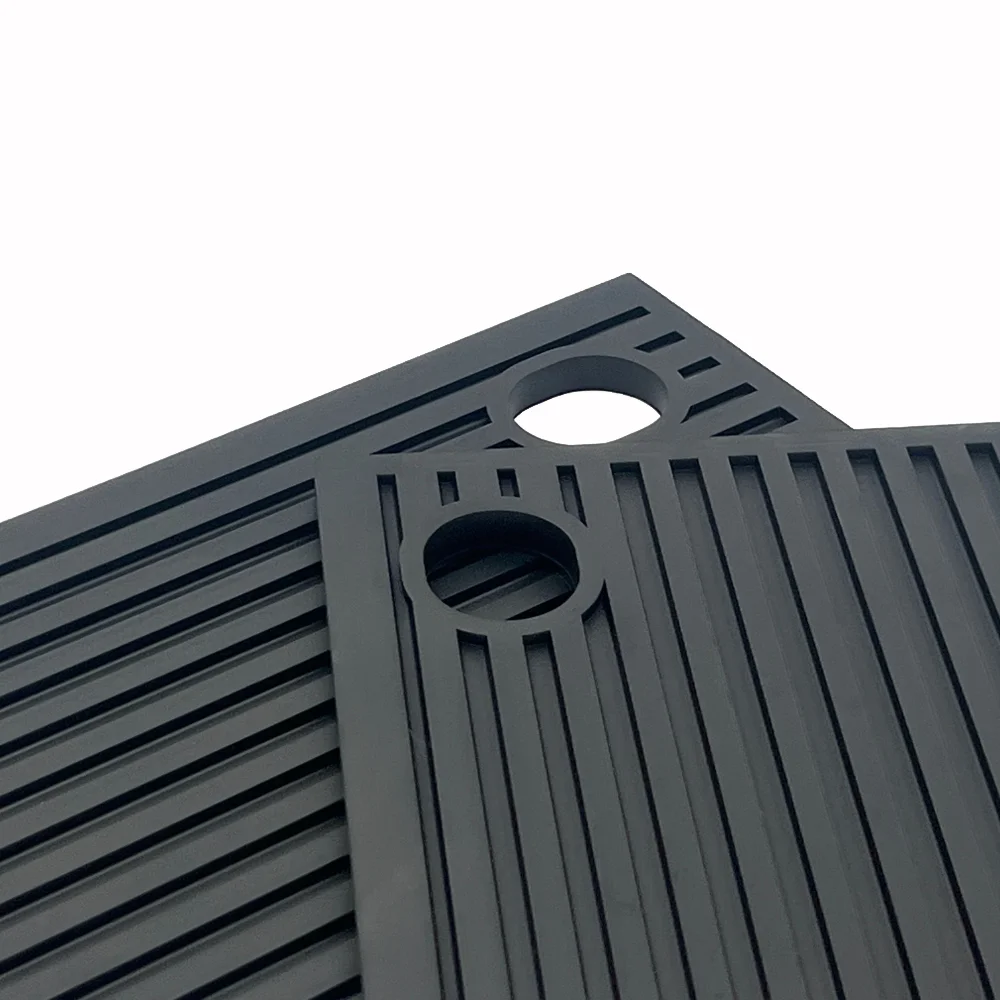
· Provide torque and RPM; groove profile can be tuned for bite vs. glide.
· For pool cleaner robot roller brush retrofits, share CAD and load data to avoid overconstraining the drive.
Bottom line: NBR isn’t flashy, but it’s the quiet workhorse that keeps robots cleaning instead of wheel-spinning. And that, honestly, is what operations teams remember.
References
1. ASTM D471-16, Standard Test Method for Rubber—Effect of Liquids.
2. ASTM D1149-18, Rubber Deterioration—Surface Ozone Cracking.
3. ISO 4892-2:2013, Plastics—Exposure to laboratory light sources—Part 2: Xenon-arc.
4. IEC 60068-2-14, Environmental testing—Test N: Change of temperature.
5. ISO 9001:2015, Quality management systems—Requirements.
If you’re shortlisting [NBR robot roller brush, diving robot roller brush, pool cleaner robot roller brush, pool roller brush] for your next build or retrofit, here’s the field-level view.