Select Language

The stability of modern megastructures, from high-speed rail networks to towering skyscrapers, rests upon an invisible layer of engineering. As urban environments become more congested and seismic activity remains a constant threat, the demand for sophisticated vibration control has transitioned from a luxury to a fundamental safety requirement. Identifying a damping shockproof supplier capable of meeting these stringent demands requires a deep understanding of material science, environmental safety, and the mechanical physics of energy dissipation. In an era where a single structural failure can have catastrophic consequences, the partnership between a construction firm and its component manufacturer is the most critical link in the supply chain.

The Strategic Value of a China Damping Halogen-Free Factory
Environmental regulations and fire safety standards have fundamentally altered the landscape of industrial manufacturing. For international contractors, the search for a china damping halogen-free factory is driven by the need to comply with rigorous "green" building certifications and safety protocols. Traditional damping materials often utilized halogens—elements like chlorine or bromine—to achieve flame retardancy. However, in the event of a fire, these materials can release toxic, corrosive smoke that endangers occupants and complicates rescue efforts.
A leading-edge china damping halogen-free factory utilizes advanced phosphorus-based or mineral-filled polymer chemistry to achieve fire resistance without the toxic trade-off. This shift in manufacturing philosophy is particularly vital for underground infrastructure, such as subway tunnels or deep-foundation utility hubs, where air quality and smoke management are paramount. By sourcing from a supplier that prioritizes halogen-free formulations, engineers ensure that the damping components contribute to the overall safety of the structure rather than becoming a secondary hazard during an emergency.
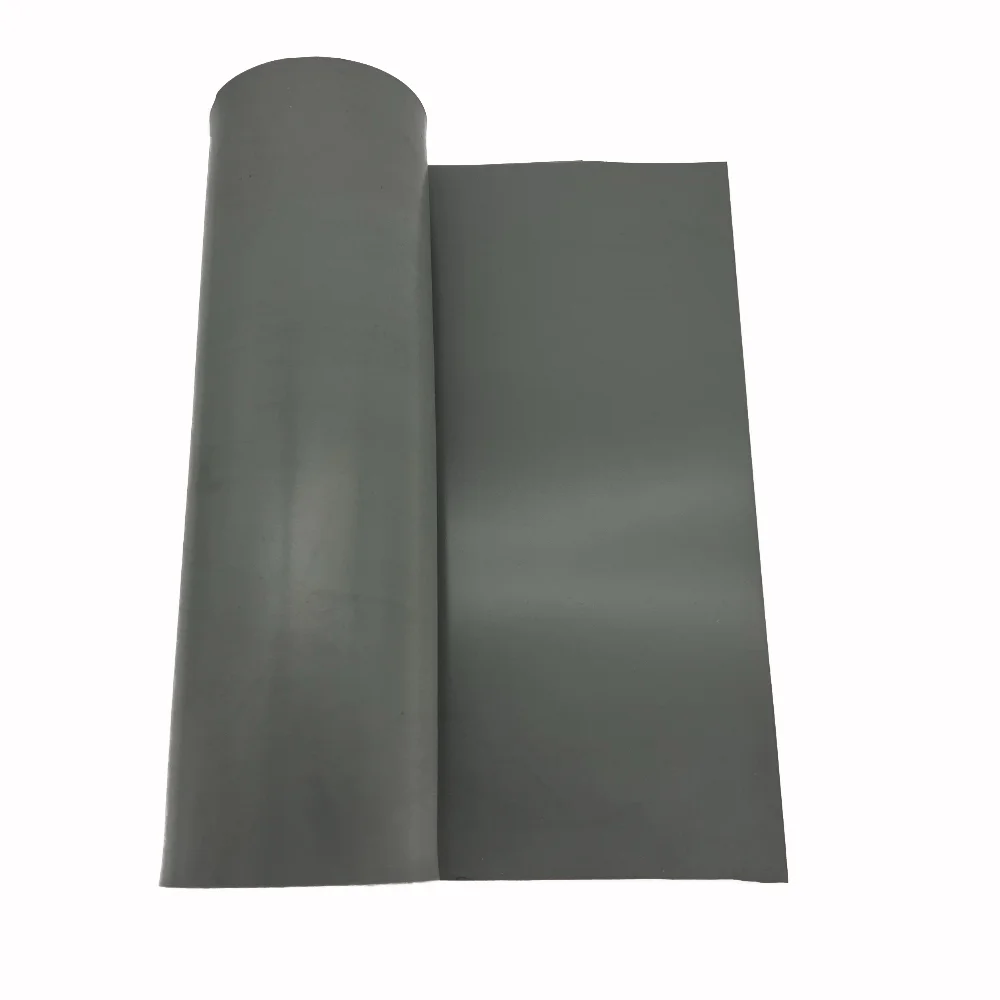
Advanced Material Science: Composite Damping Sheet for NVH Applications
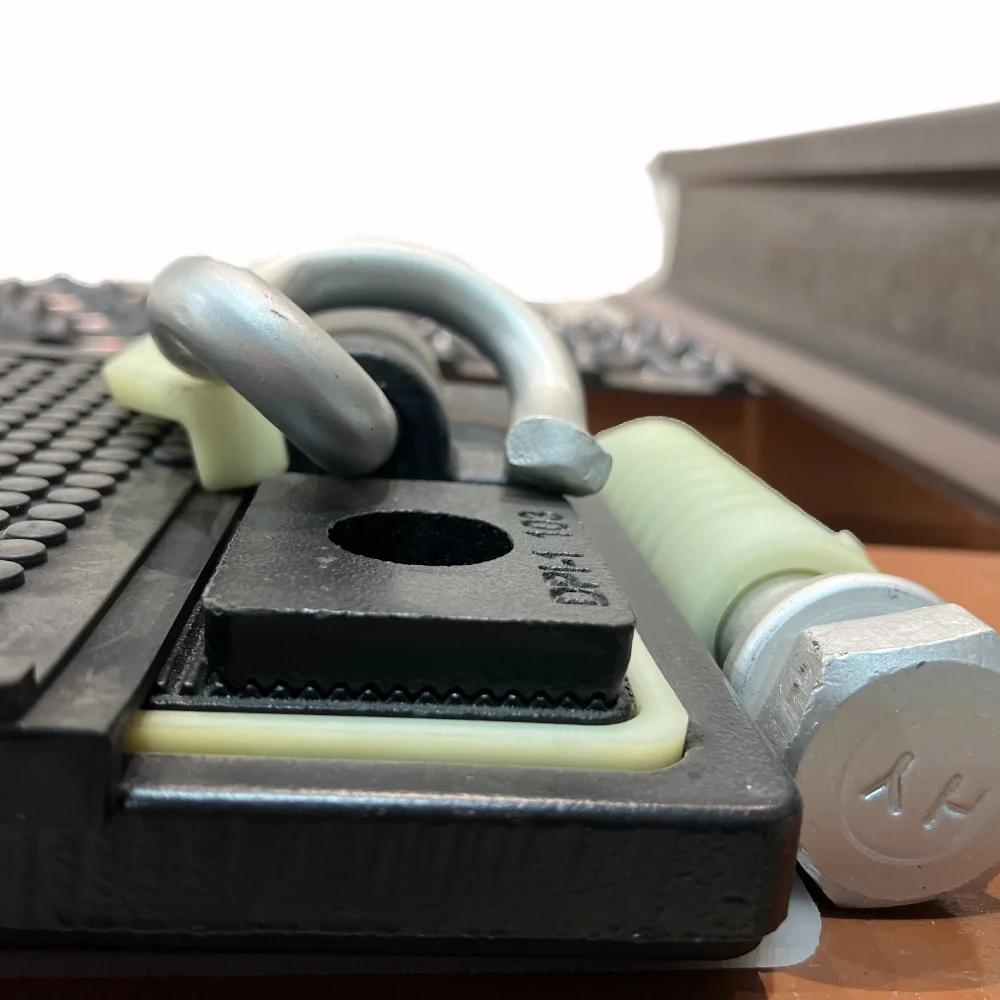
Noise, Vibration, and Harshness (NVH) are the three primary enemies of structural comfort and longevity. In large-scale infrastructure, these are not merely nuisances; they are indicators of energy loss and potential fatigue. The implementation of a composite damping sheet for NVH applications represents a significant leap forward from traditional single-layer rubber mats. These composite materials are engineered to convert kinetic energy—the physical shaking of a bridge or floor—into low-level thermal energy through a process known as hysteretic damping.
The effectiveness of a composite damping sheet for NVH applications lies in its heterogeneous structure. By layering materials of different densities and elastic moduli, engineers can target a broader spectrum of vibration frequencies. For instance, a sheet may combine a high-mass viscoelastic layer with a constrained metal or polymer foil. This sandwich construction forces the damping material to undergo shear deformation whenever the structure vibrates, significantly reducing the "ringing" effect in steel-framed buildings or the rumble of heavy machinery in industrial plants. A reliable supplier must possess the testing facilities to verify that these composite sheets perform consistently across various temperature ranges and load conditions.
Precision Engineering with a Customized Multi-Layer Isolation Damping Pad
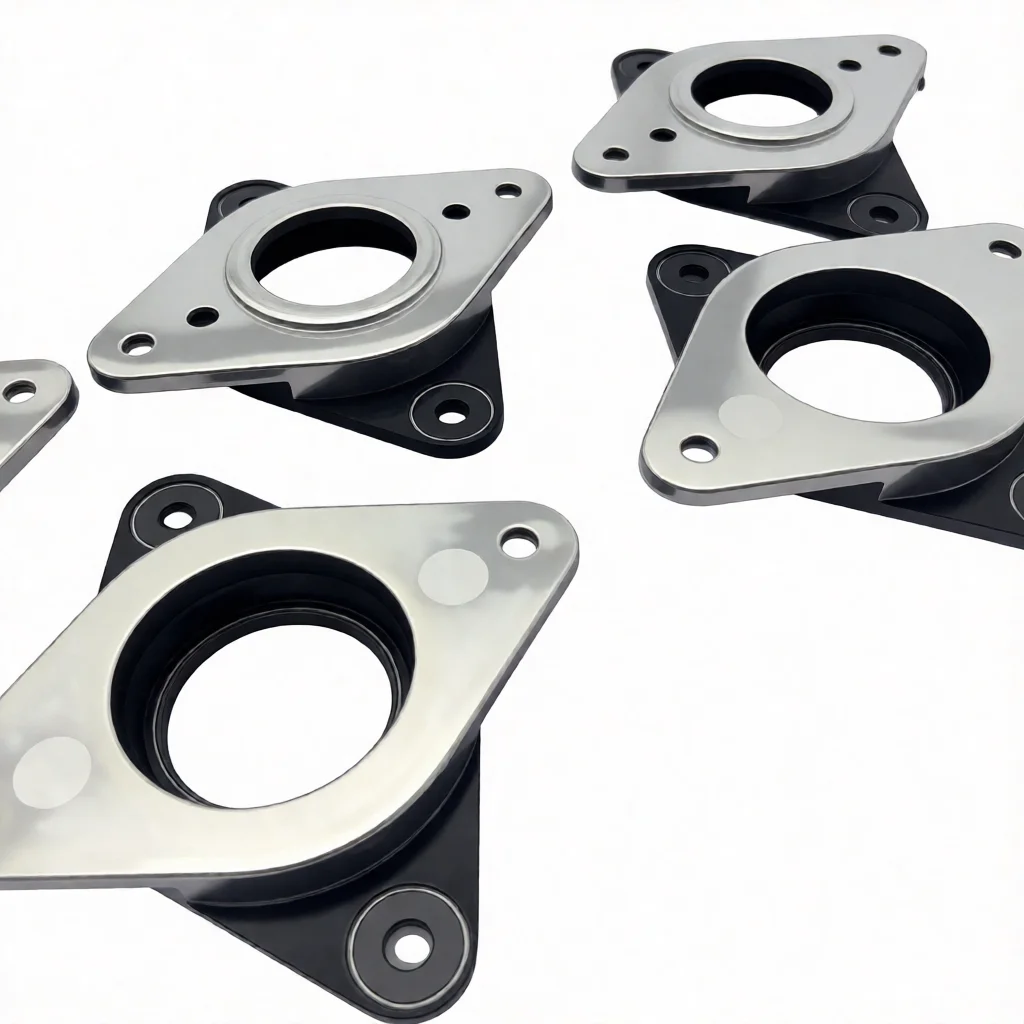
No two infrastructure projects are identical. The seismic profile of a coastal bridge is vastly different from the micro-vibration requirements of a semiconductor fabrication plant. This reality has necessitated the move toward the customized multi-layer isolation damping pad. Standardized, off-the-shelf isolation mounts often fail to account for the specific resonance frequencies of a unique architectural design. A high-tier damping shockproof supplier works as a technical consultant, using finite element analysis to tailor the damping response to the project's exact needs.
A customized multi-layer isolation damping pad typically functions through impedance mismatching. Each layer within the pad is designed to reflect or absorb specific wave patterns of energy. By adjusting the thickness, chemical composition, and stacking order of these layers, a manufacturer can "tune" the pad to act as a low-pass filter, allowing low-frequency structural movements while blocking the high-frequency vibrations that cause mechanical wear. This level of customization is essential for protecting sensitive equipment, such as MRI machines in hospitals or high-precision turbines in power plants, where even a micron of misalignment can lead to operational failure.
Longevity and Performance in the Multilayer High-Damping Vibration Damper
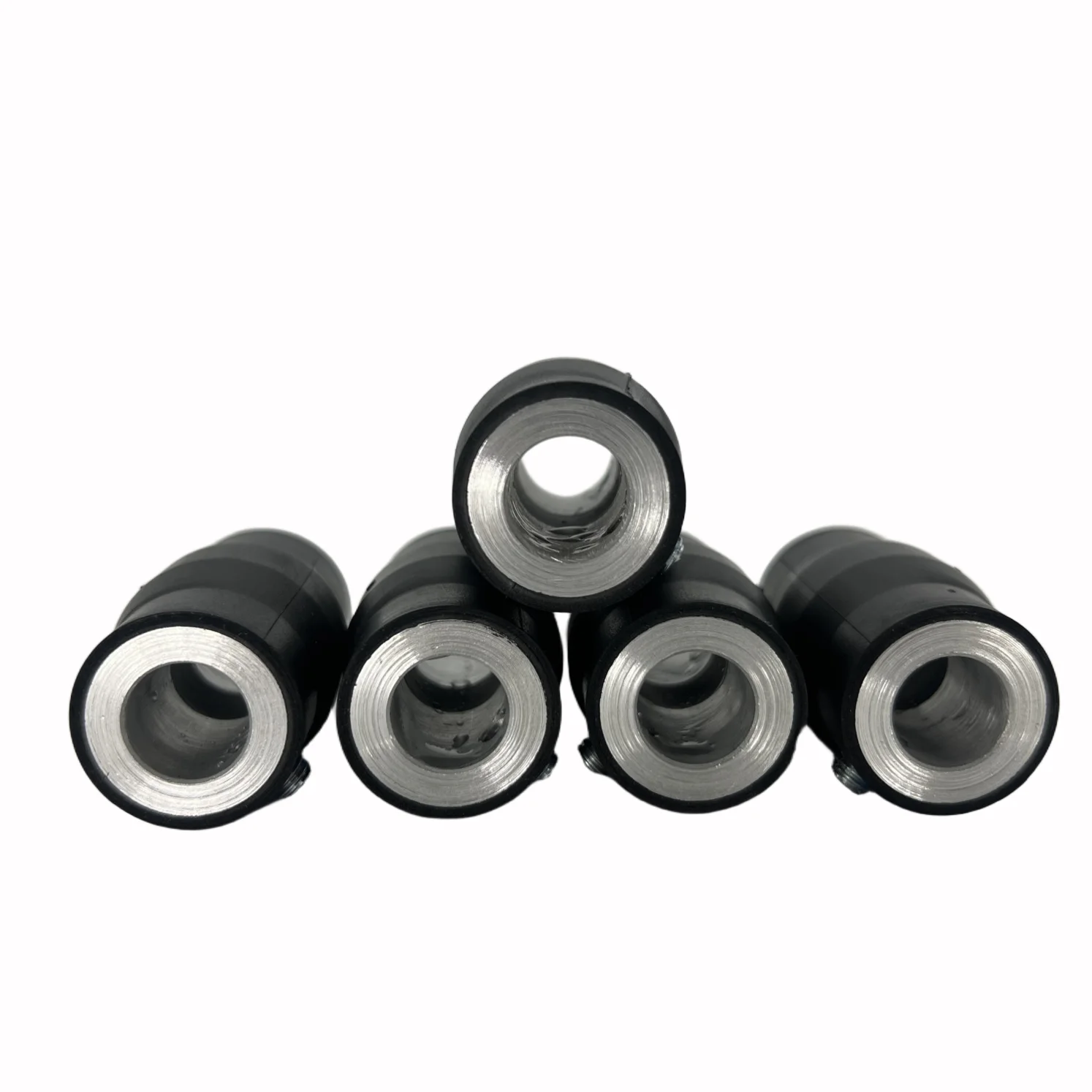
The primary challenge of infrastructure damping is time. A bridge or a dam is expected to last fifty to a hundred years, and the damping components must endure just as long under constant load and environmental exposure. The multilayer high-damping vibration damper is designed to address this need for extreme durability. Unlike hydraulic dampers that may leak or mechanical springs that can fatigue, high-damping elastomers provide a maintenance-free solution that relies on the molecular stability of the polymer itself.
Selecting a multilayer high-damping vibration damper requires an audit of the supplier's aging-resistance protocols. The materials must resist oxidation, UV degradation, and moisture ingress, all of which can harden the rubber and destroy its damping properties. A reputable damping shockproof supplier will provide documented evidence of long-term creep testing—measuring how the material deforms under a constant load over several years. This ensures that the damping system will not "bottom out" or lose its isolation efficiency a decade after installation, preserving the structural integrity and the financial value of the infrastructure.
The Global Logistics of Specialized Damping Components
Choosing a supplier is as much about logistics and quality control as it is about chemistry. For a china damping halogen-free factory, the ability to provide consistent batch-to-batch quality is the hallmark of a world-class operation. Infrastructure projects require massive quantities of material, and any deviation in the chemical "recipe" of a composite damping sheet for NVH applications can result in uneven damping across the structure, creating dangerous stress concentrations.
A reliable damping shockproof supplier implements rigorous ISO-certified quality management systems, from the raw material intake to the final shipment. This includes non-destructive testing of customized multi-layer isolation damping pads to ensure that each unit meets the specified load-bearing capacity and damping ratio. For the project manager, this transparency provides peace of mind, knowing that the "silent protectors" of the building have been vetted to the highest international standards.

The stability of modern megastructures, from high-speed rail networks to towering skyscrapers, rests upon an invisible layer of engineering.