Select Language

In the management of high-density housing, such as apartment complexes, the collective impact of minor mechanical failures can lead to significant financial and structural burdens. Among the most frequent yet overlooked issues in multi-family plumbing is the degradation of the internal flushing valve. While a single malfunctioning unit may seem trivial, the cumulative effect of hundreds of units suffering from a bad flapper on toilet systems can inflate utility costs and lead to persistent moisture issues that affect the entire building's health. Understanding the early indicators of this failure is essential for property managers and maintenance teams who aim to maintain a proactive rather than reactive operational strategy.

The Subtle Auditory Cues of a Flapper Leaking in Multi-Family Units
The most immediate sign of a malfunctioning seal is often not visible but audible. In the quiet hours of the night, a flapper leaking within a high-rise or garden-style apartment creates a distinct sound known as "phantom flushing." This occurs when water slowly seeps from the tank into the bowl, causing the fill valve to suddenly activate for a few seconds to replenish the lost volume. In an apartment setting, this sound can travel through shared walls and plumbing stacks, often leading to noise complaints from neighboring tenants who are disturbed by the intermittent hiss of water refilling in an adjacent unit.
Beyond the sudden refill, a constant, low-level trickling sound emanating from the cistern is a classic indicator that the seal has lost its integrity. This persistent noise suggests that the water is bypassing the valve at a steady rate, never allowing the fill valve to completely shut off. For property managers, these auditory signals serve as a frontline diagnostic tool. Encouraging residents to report "hissing" or "running" toilets through a streamlined maintenance portal can prevent a minor seal issue from becoming a massive water bill at the end of the fiscal quarter.
Visual Indicators of a Flapper for Toilet Leaking into the Bowl
While sound is a reliable indicator, visual evidence often provides the confirmation needed for a maintenance intervention. When a flapper for toilet leaking issues persists, it often leaves a tell-tale mark on the porcelain of the bowl. Because the water in many municipal systems contains minerals like calcium, magnesium, and iron, a constant trickle of water will eventually create a permanent streak or "rust line" that follows the path of the leak. This staining is particularly prevalent in older apartment complexes where the plumbing may be more susceptible to mineral buildup.
Another visual test utilized by professional plumbers involves the use of non-toxic dye tablets. By placing a tablet into the cistern and waiting for several minutes without flushing, maintenance staff can observe if the colored water migrates into the bowl. If the water in the bowl changes color, it is an undeniable confirmation that the seal is compromised. This method is especially effective in a multi-unit environment where maintenance teams must quickly diagnose and prioritize repairs across dozens of units in a single day. Identifying these visual cues early ensures that the "silent leaker" is caught before it wastes thousands of gallons of treated water.
Physical Degradation of the Flap Inside Toilet Cisterns
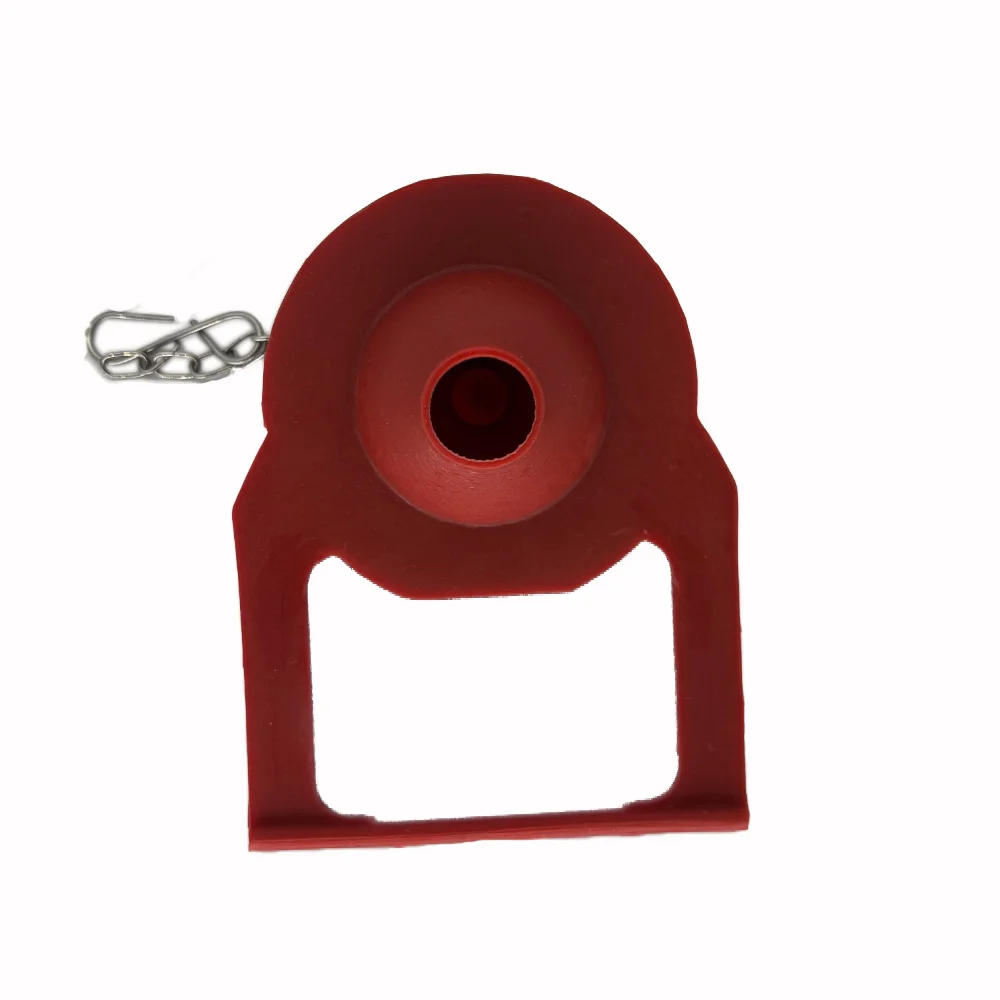
To truly understand why these failures occur, one must examine the physical state of the flap inside toilet tanks. In the closed environment of a cistern, the material is constantly exposed to water treatment chemicals such as chlorine and chloramines. Over time, these chemicals cause the rubber or polymer to undergo a process called "blistering" or "pitting." When a maintenance technician reaches into the tank and touches the valve, a degraded seal will often leave a black, oily residue on their fingers. This is a sign that the material is literally dissolving and losing its structural memory.
In apartment complexes that utilize reclaimed water or have high-pressure systems, the physical wear can be even more pronounced. The edges of the seal may become wavy or warped, preventing them from laying flat against the flush valve seat. Furthermore, the hinge points can become brittle and snap, or the lift chain may become entangled with the overflow tube. Any deviation from a perfectly flat, flexible, and centered position means the component is no longer fit for service. Regular physical audits of the "wet" components in every unit during annual safety inspections can help identify these material failures before they manifest as catastrophic leaks.
Environmental Stressors and Toilet Tank Flapper Leaking Patterns
The geographic location and the specific utility profile of an apartment complex can influence the frequency of toilet tank flapper leaking incidents. For instance, in regions with exceptionally hard water, mineral deposits can accumulate on the rim of the flush valve seat itself. Even if the rubber seal is relatively new, these jagged mineral deposits act like sandpaper, preventing a watertight closure and causing premature wear on the rubber surface. This creates a cycle of failure where simply replacing the rubber component is not enough; the seat must also be cleaned or resurfaced.
Furthermore, thermal fluctuations in the building's water supply can affect the expansion and contraction of the plastic and rubber parts. In complexes where the plumbing lines are not adequately insulated, the temperature shifts can cause the seal to "stiffen" during colder months, leading to a higher rate of leaks during the winter. Recognizing these patterns allows property managers to stock the correct replacement parts in advance of seasonal shifts. By understanding the external stressors—from water chemistry to temperature—maintenance teams can move beyond simple part replacement and toward a more comprehensive understanding of their building's specific plumbing dynamics.

In the management of high-density housing, such as apartment complexes, the collective impact of minor mechanical failures can lead to significant financial and structural burdens.