Select Language
 Understanding the 80mm Rubber O Ring: A Small Component with Big Impact
At first glance, an 80mm rubber o ring might seem like an unassuming piece of equipment—just a simple ring made of rubber. Yet, this small component plays a surprisingly big role across various industries worldwide. Whether it’s sealing joints in automotive engines, water pipelines, or even in space technologies, these o rings prevent leaks, ensure safety, and maintain operational integrity. Grasping the significance and nuances of the 80mm rubber o ring means appreciating how a tiny piece of rubber can help industries run smoothly, save money, reduce environmental impact, and even safeguard lives.
Let's dive into why this component is so globally relevant and see how understanding its materials, design, and applications can benefit manufacturers, engineers, and end-users alike.
The Global Importance of 80mm Rubber O Rings
Rubber o rings—particularly those at the 80mm specification—are fundamental in sectors ranging from oil and gas to pharmaceutical manufacturing. According to the International Organization for Standardization (ISO), sealing components like o rings have to meet strict standards globally, emphasizing their critical role.
Globally, billions of o rings are produced each year to respond to ever-growing industrial needs. For instance, leakages in machinery due to worn seals account for millions in losses and environmental hazards annually. Using reliable 80mm rubber o rings helps plug these gaps—quite literally.
Think about remote regions where infrastructure maintenance is difficult; a trustworthy seal can be the difference between functional equipment and costly downtime.
Mini takeaway:
- 80mm rubber o rings are vital in preventing leaks and maintaining industrial efficiency worldwide.
- They reduce environmental damage linked to system failures.
- Standardization ensures compatibility and safety across industries.
What Exactly Is an 80mm Rubber O Ring?
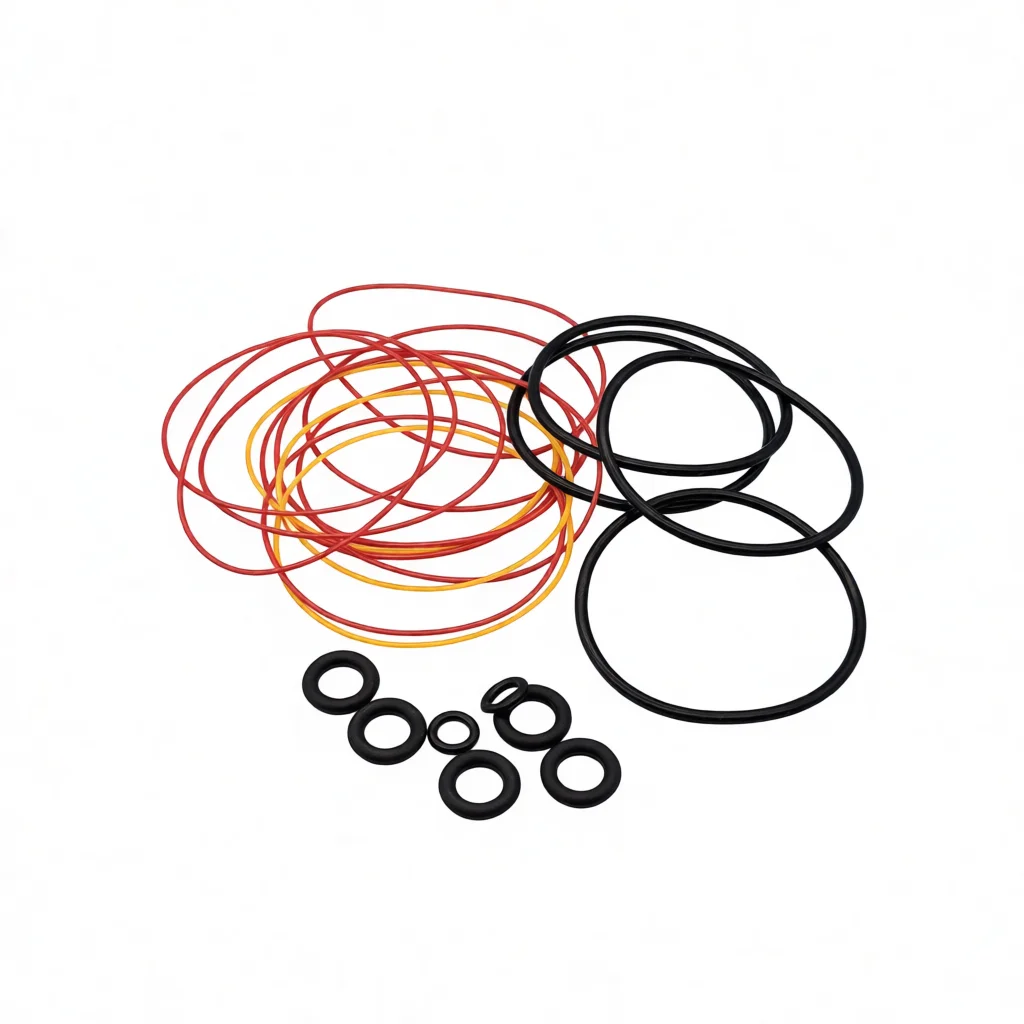
Simply put, an 80mm rubber o ring is a circular sealing element with an inner diameter close to 80 millimeters made from elastomeric material. The 'o ring' name comes from its doughnut shape designed to fit into grooves and compress upon assembly to form a tight seal between two parts.
This component’s design is deceptively simple but utterly essential. Its elasticity combined with pressure resistance allows it to create a barrier against gases, liquids, and contaminants—even in high-pressure or high-temperature scenarios.
Industries like aerospace, automotive repair, and even humanitarian water treatment systems rely on these o rings. For example, a durable 80mm rubber o ring in a portable water filtration unit used in disaster zones ensures clean water delivery without leaks or contamination.
Key Features that Make 80mm Rubber O Rings So Effective
Durability & Material Composition
Most 80mm o rings are made from nitrile rubber (NBR), silicone, EPDM, or fluorocarbon compounds, each tailored for specific chemical resistance and temperature tolerance. This diversity means the ring can withstand aggressive oils, extreme cold, or hot steam.
Precision Sizing & Fit
An 80mm diameter may sound generic, but the tolerances are tight. A ring that’s slightly off can lead to leaks; thus, manufacturers use computer-controlled molding methods and rigorous quality checks.
Compression Set Resistance
Over time, rubber tends to lose elasticity (compression set). Quality o rings minimize this, maintaining sealing integrity through long use cycles—crucial for industries where maintenance windows are narrow.
Cost Efficiency & Scalability
While these components are low-cost individually, using reliable o rings reduces machine downtime and maintenance costs exponentially, which many engineers estimate saves firms thousands yearly.
Environmental Sustainability
With growing concern over waste in manufacturing, some producers are turning to synthetic rubbers made with lower carbon footprints or recyclable materials, marrying performance with sustainability.
Easy Customization & Versatility
The basic shape can be tweaked in thickness, cross-section, or rubber grade, making the 80mm rubber o ring suitable for myriad applications.
Mini takeaway:
- Material choice affects durability and chemical resistance.
- Precision manufacturing avoids costly leaks or failures.
- Long-term reliability reduces both downtime and environmental impact.
Real-World Applications of the 80mm Rubber O Ring
Industries around the world rely on the 80mm rubber o ring, but here are a few highlights:
- Pipelines & Fluid Transfer: In oil drilling fields from the Gulf of Mexico to Siberia, robust seals prevent costly oil leaks that could cause environmental disasters.
- Automotive Sector: Engine components, transmission units, and fuel systems use these o rings extensively to maintain performance under varying temperatures.
- Medical Devices: Water-sealed pumps and sterilizable equipment depend on flexible, contaminant-resistant o rings for patient safety.
- Humanitarian Efforts: NGOs deploying water filtration units or emergency relief tents often include standard 80mm o rings to ensure quick, reliable assembly and maintenance.
- Renewable Energy: Wind turbines and solar panel trackers incorporate them to withstand weather extremes and mechanical stresses.
Oddly enough, despite being commonplace, many maintenance staff deeply appreciate the humble o ring for its "unsung hero" status in keeping equipment humming.
Product Specification Table: Typical 80mm Rubber O Ring
| Parameter | Specification | Notes |
|---|---|---|
| Inner Diameter (ID) | 80 ± 0.1 mm | Standard tolerance |
| Cross-Section Diameter | 7.0 mm | Common size for medium pressure |
| Material | Nitrile (NBR) | Good oil resistance |
| Temperature Range | -30°C to +100°C | Standard application range |
| Hardness (Shore A) | 70 ± 5 | Surface resilience balance |
| Compression Set | Good long-term elasticity |
Comparing Top Vendors of 80mm Rubber O Rings
| Vendor | Material Options | Quality Certification | Pricing | Lead Time | Customization |
|---|---|---|---|---|---|
| O-Ring World | NBR, EPDM, Silicone | ISO 9001 | $$ | 2-3 weeks | Custom sizes & colors |
| SealMaster Inc. | Fluorocarbon, Silicone | ISO 14001 | $$$ | 1 week (bulk) | High-temp resistant variants |
| Sunlite Tek | NBR, EPDM, Bio-based rubber | ISO 9001 & REACH | $ | 2 weeks | Eco-friendly materials available |
Advantages & Long-Term Value of Using Quality 80mm Rubber O Rings
When you invest in high-quality 80mm rubber o rings, you’re paying for reliability that pays off in spades:
- Reduced Downtime: Machines last longer without unexpected leaks.
- Cost Savings: Minimal maintenance means fewer repairs and replacements.
- Environmental Responsibility: Fewer leaks mean less contamination, supporting sustainability goals.
- Safety & Trust: Workers and customers alike trust equipment with robust seals. It’s peace of mind that matters.
- Innovation Friendly: These o rings can accommodate new tech demands from ever changing environments.
Oddly enough, it sometimes feels like no other product exists that more quietly but consistently supports so many industrial lifelines.
Emerging Trends & Innovations for the Future
The sealing industry isn’t static. Innovations in material science point towards bio-based rubbers derived from renewable sources, pushing for stronger but more eco-friendly seals. Automation in manufacturing, combined with AI-guided quality control, promises near-zero defects.
There’s also movement towards digital “smart seals” embedded with sensors to monitor pressure or degradation in real time. Imagine an 80mm o ring that tells you when it needs replacing before it becomes a problem—cutting unplanned downtime.
Incorporating sustainability, predictability, and smart technology, the future looks pretty bright for even this humble seal.
Challenges & How Experts Tackle Them
Rubber o rings, despite their reputation, sometimes face difficulties such as:
- Material Degradation: Exposure to harsh chemicals can degrade seals faster than expected.
- Installation Errors: Improper fitting can damage the o ring, causing leaks.
- Supply Chain Delays: Especially for custom materials, lead time can be a bottleneck.
Experts advise rigorous quality checks, proper staff training, and sourcing from trusted vendors. Combining that with design improvements—like protective coatings or backup seals—reduces risks.
FAQs About 80mm Rubber O Rings
- Q: How do I know if the 80mm rubber o ring fits my application?
- A: Check the inner diameter, cross-sectional thickness, and material compatibility with your fluids or gases. Manufacturers usually provide detailed specs and testing data. And if unsure, request sample fittings.
- Q: What’s the typical lifespan of an 80mm o ring in industrial use?
- A: Lifespan depends on operating conditions but high-quality rings can last from 2 to 5 years or more under normal pressure and temperature, longer if properly maintained.
- Q: Can I reuse rubber o rings after removing them?
- A: Generally, reusing o rings is not recommended because deformation and wear can compromise the seal’s effectiveness, leading to leaks.
- Q: Are eco-friendly 80mm rubber o rings available?
- A: Yes, some vendors now offer bio-based rubber options that meet sustainability certifications without sacrificing performance.
- Q: How do I order customized 80mm rubber o rings?
- A: Contact vendors like Sunlite Tek who specialize in customized sizes, materials, and certifications to match your exact use case.
Wrapping Up: Why the 80mm Rubber O Ring Still Matters
When you think about it, the 80mm rubber o ring provides vital sealing solutions without the fuss. Durable, cost-effective, and adaptable—its ability to keep crucial industrial systems leak-free impacts everything from global supply chains to humanitarian missions.
If you’ve found yourself scratching your head wondering about something so small with such a broad reach, you’re not alone. It’s these simple engineering marvels that, when done right, help our world run a little smoother.
Curious to explore quality 80mm rubber o rings for your next project? Visit Sunlite Tek for more info and customized solutions.
References

Understanding the 80mm Rubber O Ring: A Small Component […]