Select Language
 The Small but Mighty 8mm Rubber O Rings: Why They Matter Worldwide
At first glance, an 8mm rubber o ring might seem like just a tiny loop of rubber. But trust me, these little components punch way above their weight. They’re essential, especially in sealing and vibration damping applications across countless industries, from automotive to humanitarian aid equipment. Understanding their role isn’t just engineering trivia—it’s about reliability, safety, and sustainability on a global scale.
Introduction: Why 8mm Rubber O Rings Are a Global Staple
Rubber o rings, particularly the 8mm variety, have quietly become a cornerstone in the manufacturing and maintenance of equipment worldwide. According to ISO standards (ISO 3601), these sealing rings ensure the integrity of fluid and gas systems. The World Bank has noted that manufacturing sectors relying on components like these represent nearly 16% of global GDP, including automotive, aerospace, and even medical devices. Yet, challenges such as material degradation and supply chain inconsistencies keep engineers on their toes.
Oddly enough, the durability of these rings can directly impact things from drinking water safety to gas pipeline integrity. Which explains why such a seemingly minor piece is worth understanding.
Defining the 8mm Rubber O Ring
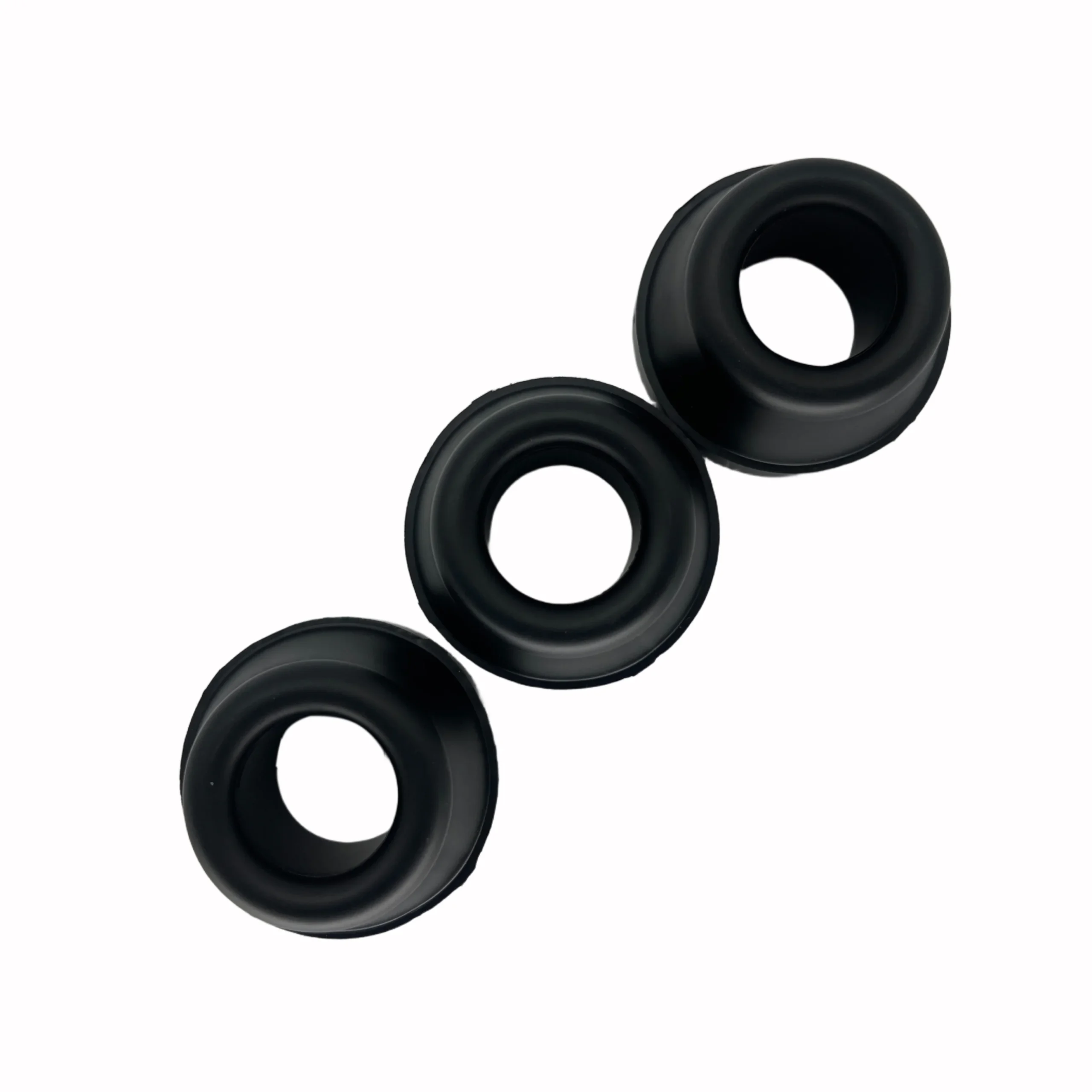
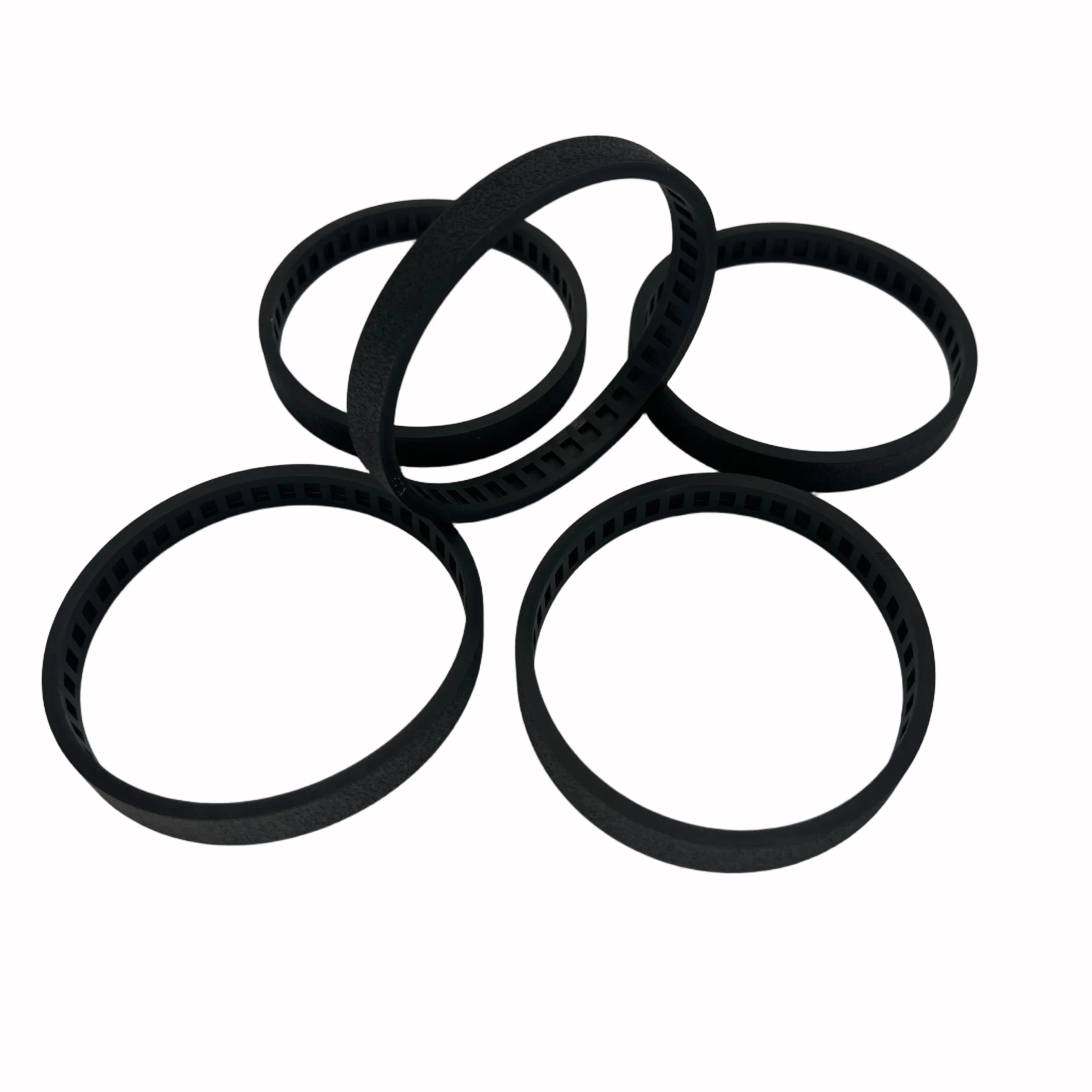
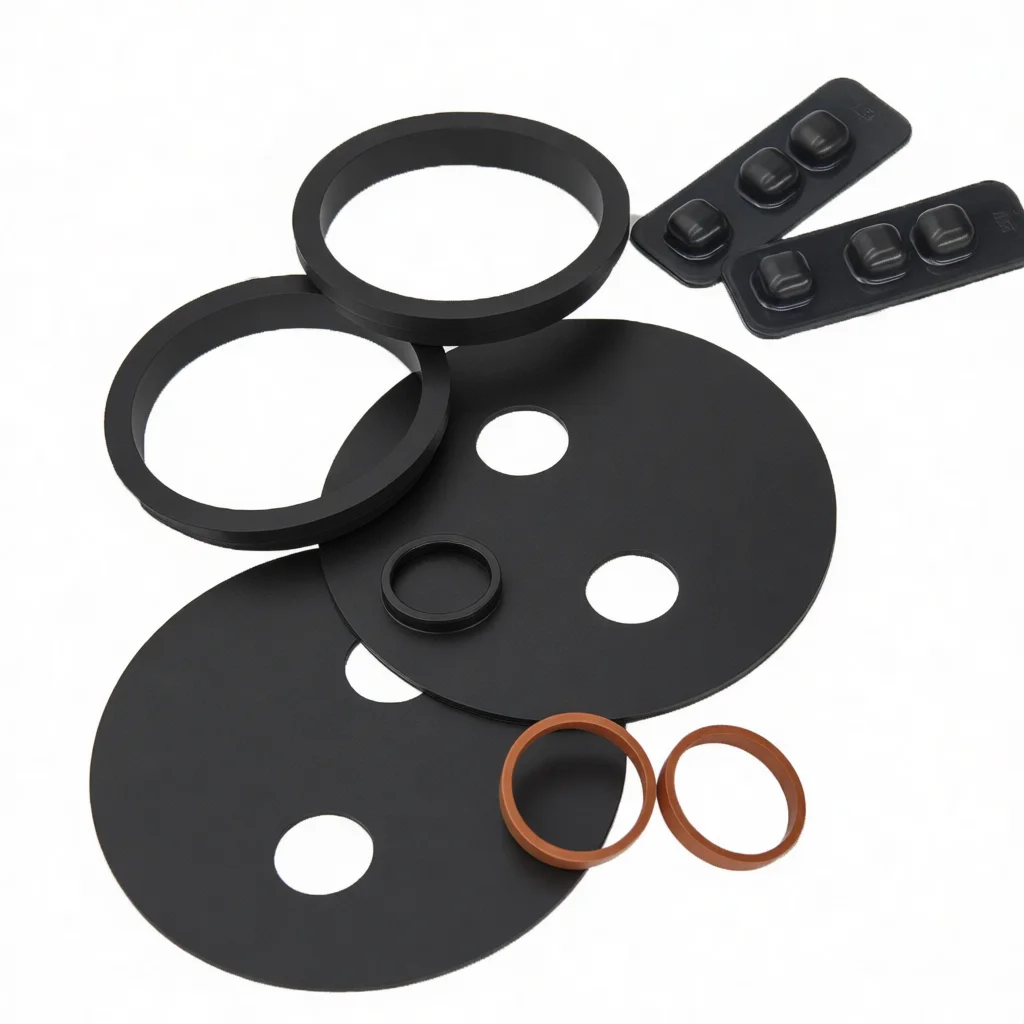
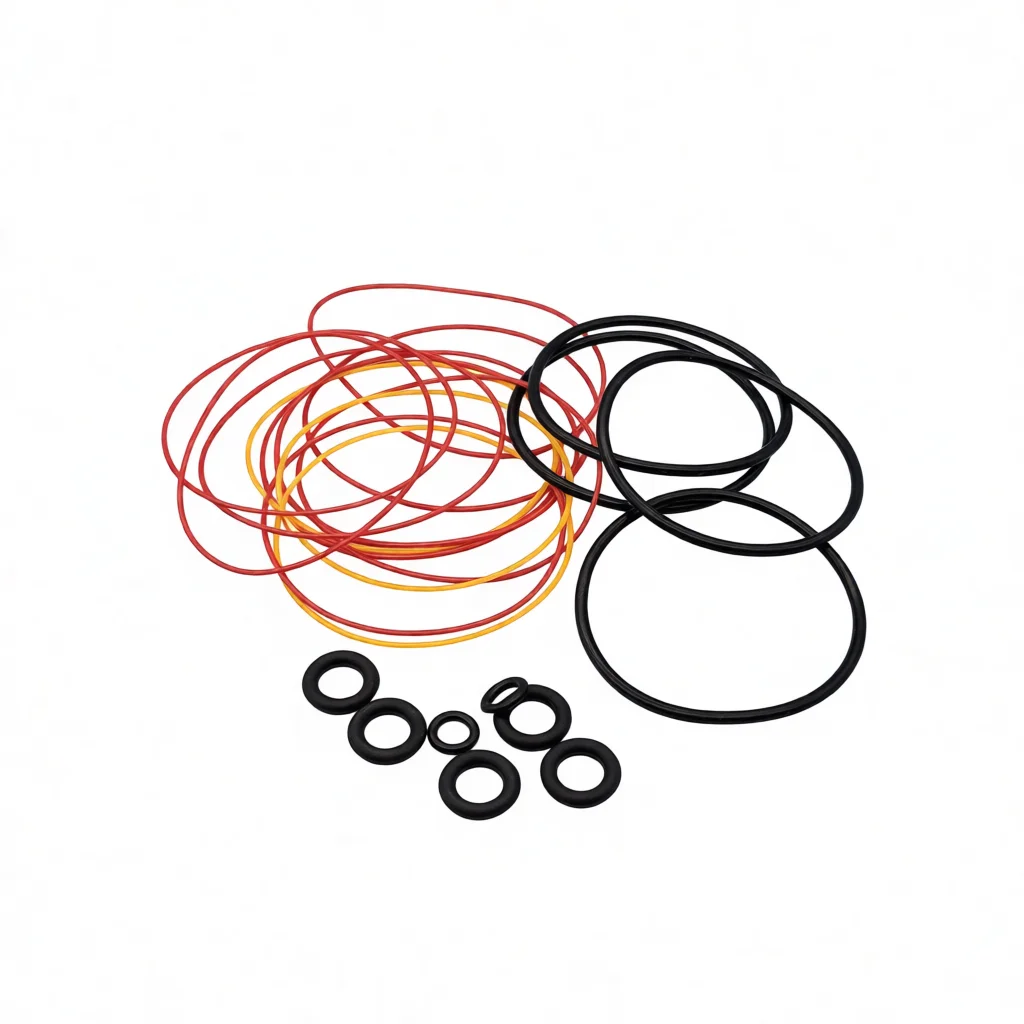
Simply put, an 8mm rubber o ring is a circular elastomer gasket with an 8mm cross-section thickness (or internal diameter, depending on specs), designed to create a seal between two joined parts. Its core purpose? Prevent leaks—whether liquid, gas, or vacuum—from escaping mechanical joints. This tiny ring can be made from materials like nitrile, silicone, or fluorocarbon rubber, tailored to the environment it's used in.
In humanitarian contexts, these o rings ensure machinery in relief operations runs without failure—think water purification units or emergency pumps.
Key Factors that Make 8mm Rubber O Rings Essential
Durability
One of the most critical characteristics. Whether exposed to chemicals, heat, or pressure, these o rings need to maintain elasticity and integrity. For instance, fluorocarbon o rings withstand temperatures up to 200°C, making them ideal for harsh industrial environments.
Material Compatibility
The choice of rubber material defines resistance to oils, fuels, or weathering. Silicone variants offer flexibility for low-temperature settings — critical in aerospace or medical gear.
Precision Sizing
Even a fraction of a millimeter off can cause system leaks. An 8mm cross-section or inner diameter o ring must meet exacting tolerances to function correctly, highlighting manufacturing quality.
Cost Efficiency
Despite their tiny size, mass production techniques have made 8mm rubber o rings incredibly affordable. This helps industries keep maintenance budgets in check.
Environmental Resistance
The best o rings resist breakdown from UV exposure, ozone, and chemicals, extending their service life in outdoor and industrial applications.
Mini Takeaway:
- Durability, material choice, precision, cost, and environmental resilience are pillars of an effective 8mm rubber o ring.
- Choosing the right o ring means fewer failures and longer equipment life.
Global Applications and Real-World Use Cases
Around the world, these tiny rings quietly keep things tight. For example, in European automotive plants, they're used extensively in engine assemblies to prevent oil leaks. In Southeast Asia, water treatment facilities rely on 8mm rubber o rings to maintain clean water supplies. Post-disaster relief organizations often depend on portable pumps sealed tightly by these o rings — ensuring no downtime in critical moments.
Industries benefitting include:
- Automotive manufacturing and repair
- Oil and gas pipelines
- Food and beverage processing
- Medical device manufacturing
- Humanitarian emergency equipment
Product Specification Table
| Specification | Details |
|---|---|
| Cross-Section Diameter | 8mm ±0.1mm |
| Material Options | Nitrile (NBR), Silicone, Viton (FKM) |
| Operating Temperature Range | -40°C to 200°C (depending on material) |
| Hardness (Shore A) | 70 (typical) |
| Standard Compliance | ISO 3601, ASTM D1414 |
Advantages & Long-Term Value
When you think of cost savings, it’s not just about buying cheap components. An 8mm rubber o ring that lasts twice as long means less downtime, fewer replacements, and much less frustration. From a sustainability standpoint, durable o rings reduce industrial waste. Frankly, any engineer will tell you the peace of mind that comes with a reliable seal can’t be overstated—it's about safety for operators and trust in equipment.
Plus, in humanitarian applications—like 8mm rubber o rings used in portable medical devices or water filtration systems—these tiny loops are crucial for health and dignity.
Vendor Comparison Table
| Vendor | Material Options | Lead Time | Price per 100 pcs ($) |
|---|---|---|---|
| SunliteTek | NBR, Silicone, FKM | 7 days | $15 |
| GlobalSeal | NBR only | 14 days | $12 |
| RubberPro | Silicone, Viton | 10 days | $18 |
Future Trends & Innovations
Looking ahead, the landscape of 8mm rubber o rings is pretty exciting. New synthetic rubbers with enhanced bio-compatibility and extreme temperature resistance are being developed. Some manufacturers are integrating digital quality control during production to minimize defects—cutting lead times and waste.
Green initiatives also encourage biodegradable elastomers, which may revolutionize disposable seals in medical or food industries. Automation in inventory management ensures quick dispatch in critical sectors, while 3D printing prototypes can jumpstart custom seals for unique machinery. Sort of like giving these humble rings a 21st-century reboot.
Challenges & Solutions
Of course, no product is perfect. Common challenges include premature ageing due to ozone exposure or mechanical wear. Supply chain hiccups also cause delays—especially for specialty rubber materials. But engineers often recommend controlled storage environments and scheduled replacements to mitigate these problems.
Innovative coatings or blends are appearing to improve UV and chemical resistance. Plus, partnering with reliable vendors like SunliteTek ensures quality control is tight, which really helps.
FAQ: Practical Questions About 8mm Rubber O Rings
- Q: How do I know which material type to choose for my 8mm rubber o ring?
- A: It depends largely on your application’s environment. For oil resistance, nitrile (NBR) is cost-effective. For higher temperatures or chemical exposure, Viton (FKM) or silicone might be better. Always check compatibility with fluids the ring will contact.
- Q: Can 8mm rubber o rings be reused after disassembly?
- A: Generally, it’s best practice to replace o rings after removal to avoid leaks caused by deformation or wear. Reusing them risks system failure unless the ring is inspected carefully and is in perfect condition.
- Q: Are custom sizes available if 8mm doesn’t quite fit my needs?
- A: Yes! Most reputable manufacturers offer custom fabrication within tight tolerances. Just reach out, provide specs, and they can often accommodate your needs.
- Q: What standards should I look for to ensure quality?
- A: ISO 3601 and ASTM D1414 are commonly cited standards ensuring dimensional and material quality in o rings. Choosing products compliant with them guarantees better reliability.
Wrapping It Up: Why Investing in Quality 8mm Rubber O Rings Pays Off
Small but mighty, 8mm rubber o rings truly keep modern machinery humming—whether in sprawling industrial plants or life-saving humanitarian equipment. Their world of materials, specs, and applications is rich and surprisingly impactful. If you aim for equipment reliability, sustainability, and cost efficiency, these little rings should never be underestimated.
Curious to explore more? Visit our site for premium 8mm rubber o rings and tailored solutions designed to keep your operations running smoothly.
References

The Small but Mighty 8mm Rubber O Rings: Why They Matte […]