The maintenance of crystalline water in residential and commercial swimming pools has transitioned from a labor-intensive manual chore to a highly sophisticated robotic operation. At the heart of this evolution lies the mechanical interface between the machine and the submerged surface. While filtration rates and navigational algorithms are vital, the efficacy of an automated cleaner is ultimately dictated by its scrubbing capability.
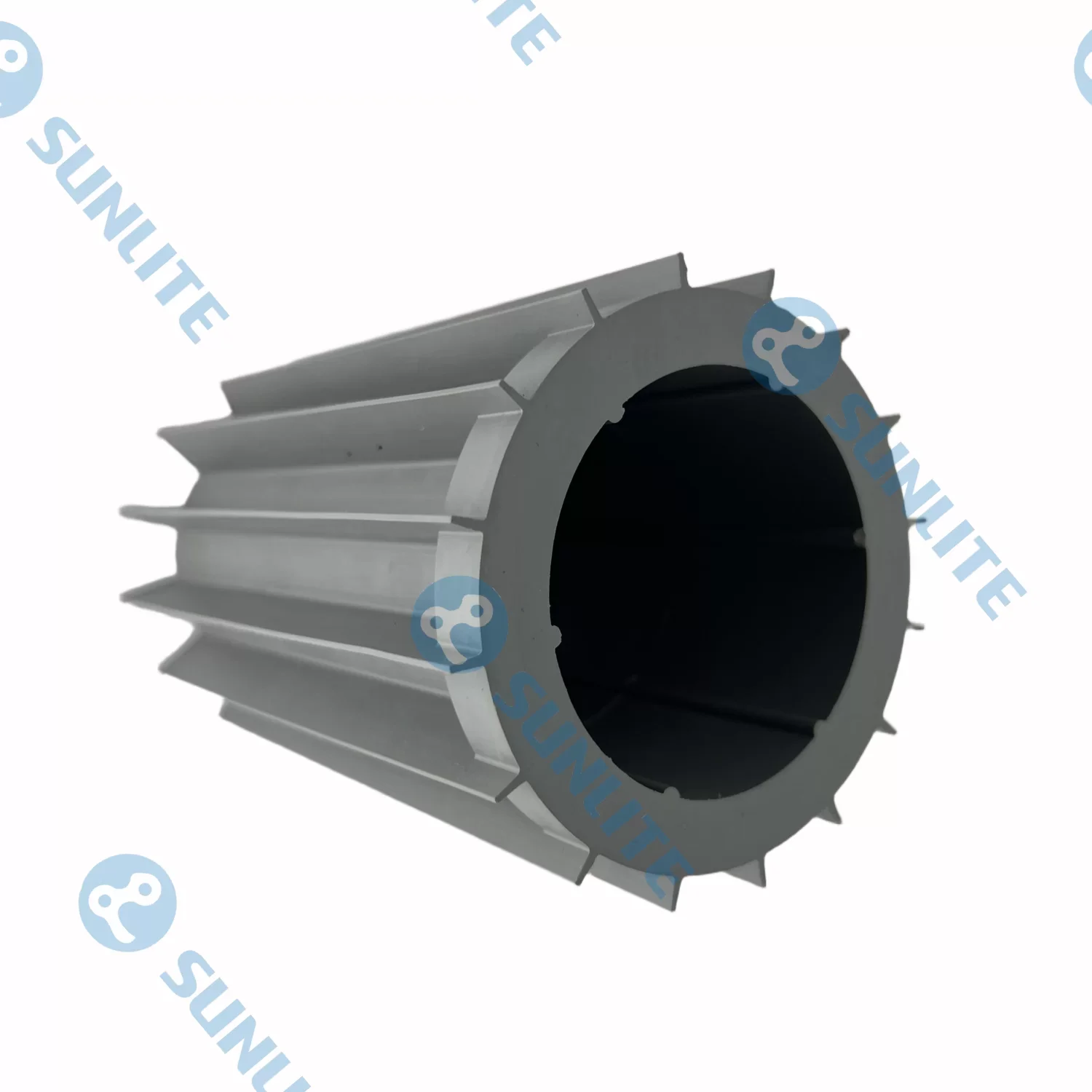
The Kinematics of an Effective Pool Roller Brush
To understand how an autonomous system combats algae, one must first analyze the physical interaction at the waterline and floor level. A high-performance pool roller brush does not merely skim the surface; it utilizes a combination of rotational speed and downward pressure to break the molecular bond between algae spores and the pool substrate. Algae, particularly the "black" and "mustard" varieties, secrete a protective biofilm that acts as a natural adhesive. Static pressure alone is insufficient to penetrate this layer.
The engineering focus in modern systems has shifted toward variable-speed rotation. By allowing the brush to spin at a rate higher than the robot's forward travel speed, engineers create a "scrubbing ratio." This ratio ensures that every square millimeter of the pool surface is contacted by multiple bristle or blade passes. This mechanical redundancy is essential for clearing the microscopic pores found in plaster and pebble-finish pools, where algae tend to take root and flourish.
Surface Adaptation with the Pool Cleaner Robot Roller Brush
Pools are rarely uniform environments. They consist of sharp 90-degree transitions, curved "coves," and vertical walls that present unique gravitational challenges. The design of a pool cleaner robot roller brush must account for these geometric variances. Unlike traditional upright vacuum brushes, a pool-specific roller must maintain constant contact even when the robot is climbing a vertical wall or traversing a tiled waterline.
Advanced designs utilize a floating axle system, which allows the roller to move independently of the robot's main chassis. This ensures that as the robot encounters a drain cover or a localized bump, the brush remains flush against the surface. Furthermore, the diameter of the roller is a critical factor in torque delivery. A larger diameter roller provides a more substantial contact patch, which is particularly useful in large-scale commercial pools where surface area coverage must be balanced against energy consumption. By optimizing the contact area, the system can achieve deeper penetration into grout lines where algae often hide from chemical treatments.
Material Innovation in the Robot Roller Brush
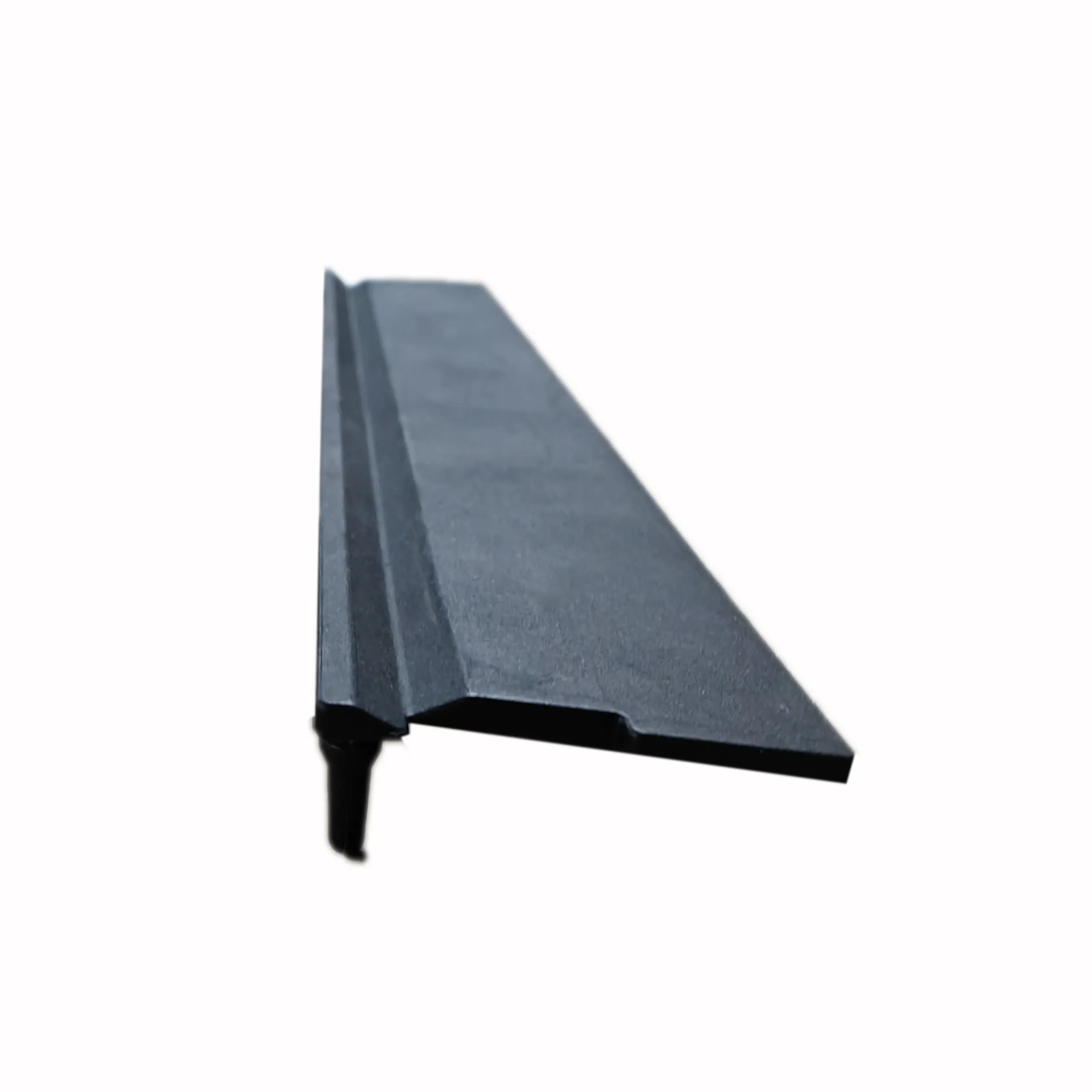
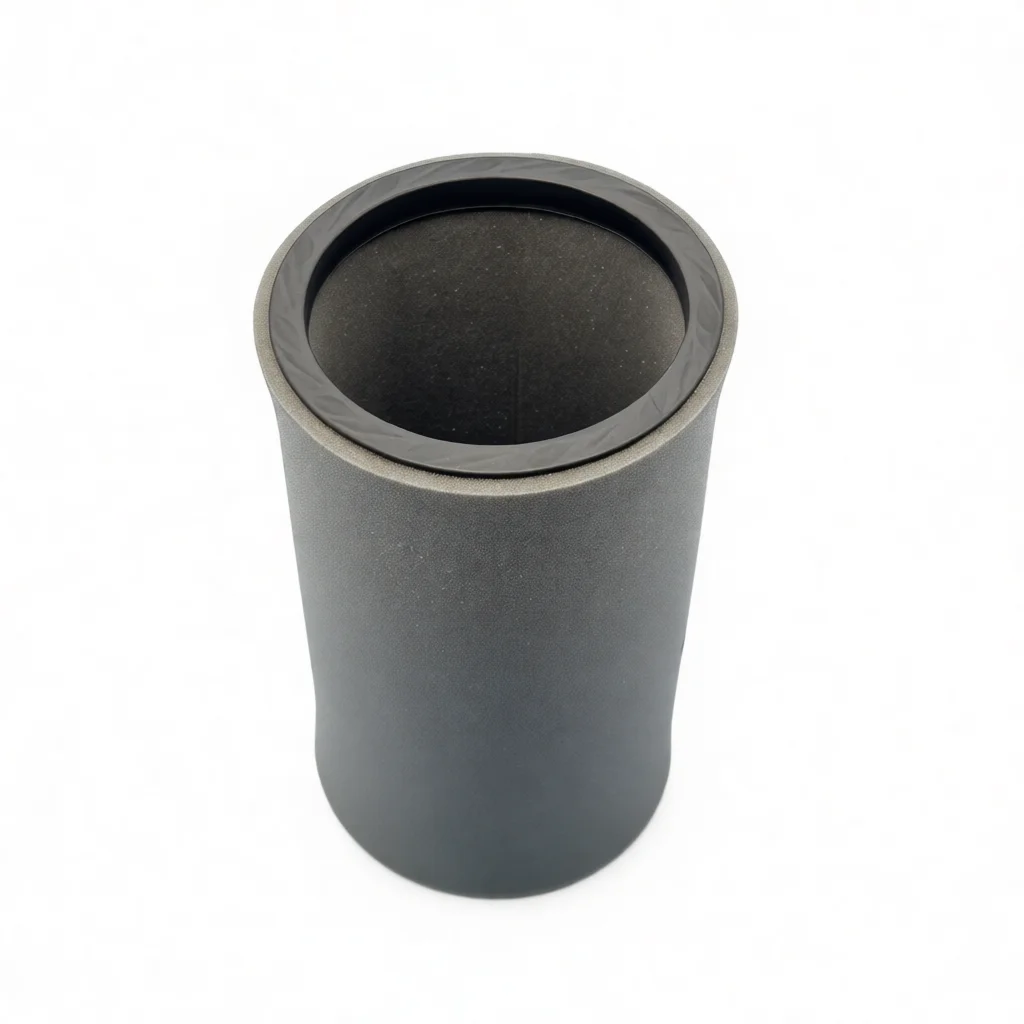
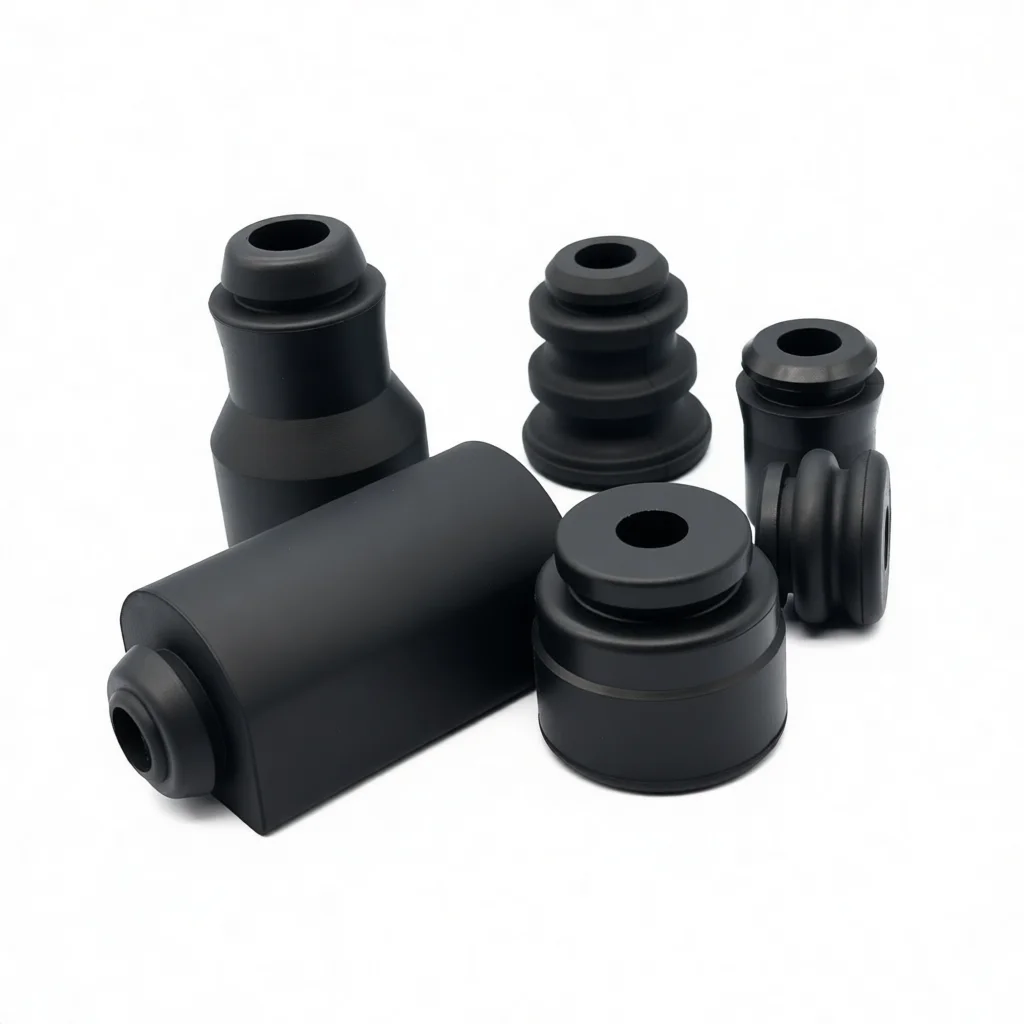
The transition from traditional nylon bristles to composite materials has marked a significant turning point in the industry. A contemporary robot roller brush often features a hybrid construction. Nylon or polypropylene bristles are effective for dislodging loose debris and silt, but they can struggle with the slick, slimy texture of an active algae bloom. To counter this, engineers have integrated "active" scrubbing strips made from specialized polymers.
These hybrid brushes work through a dual-action process. While the stiffer bristles reach deep into crevices, the softer polymer strips act as a squeegee, wiping away the loosened biofilm and directing it toward the suction intake. This prevents the algae from simply being redistributed throughout the water column. Moreover, the chemical environment of a pool—rich in chlorine, salt, and various pH balancers—is notoriously hostile to plastics. High-grade brushes are now manufactured with UV-stabilized and chemical-resistant compounds to prevent the bristles from becoming brittle and breaking off, which could otherwise lead to filtration clogs.
Navigational Synergy and the Robot Rolling Brush
A brush is only as effective as the system that guides it. The integration of a robot rolling brush into a machine’s pathfinding logic creates a symbiotic relationship between movement and cleaning. Modern autonomous cleaners use "brush-centric" navigation, where the robot may perform overlapping patterns or localized "spot-cleaning" maneuvers when sensors detect increased resistance or optical changes on the floor.
In areas of high contamination, such as the shaded corners of a pool where sunlight-deprived algae thrive, the robot may slow its forward velocity while maintaining high brush RPM. This concentrated effort ensures that the mechanical agitation is sufficient to lift the algae before the filtration system whisks it away. The synchronization between the drive motors and the brush motor is what separates entry-level cleaners from professional-grade autonomous systems. This harmony ensures that the brush is not just a passive component but an active participant in the robot’s environmental awareness.
Durability and Grip of the Rubber Roller Brush Robot
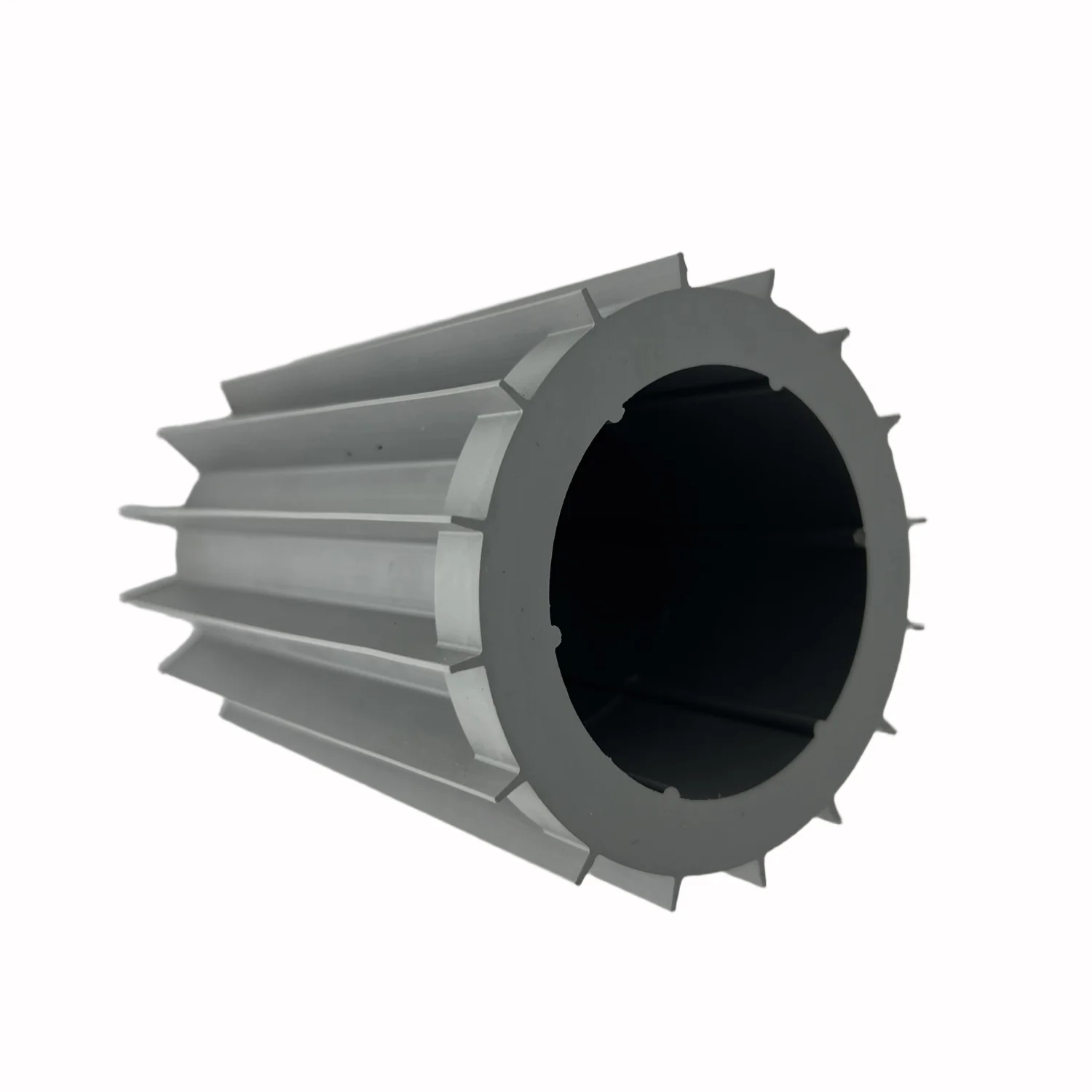
One of the most significant challenges in underwater robotics is maintaining traction on slippery, algae-coated surfaces. A rubber roller brush robot solves this problem by utilizing the brush itself as a secondary traction aid. When a robot attempts to climb a slick tile wall, the friction generated by the rubberized components of the roller provides the necessary "bite" to prevent sliding.
The density of the rubber used in these rollers is carefully calibrated. If the rubber is too hard, it may scratch delicate vinyl liners or glass tiles; if it is too soft, it will wear down prematurely against abrasive quartz or plaster finishes. The modern solution involves multi-density molding, where a central rigid core is wrapped in a softer, high-friction outer layer. This design provides the structural integrity needed for high-speed rotation while offering the "tackiness" required to scrub away algae at the waterline—the most difficult area of any pool to keep clean.
The maintenance of crystalline water in residential and commercial swimming pools has transitioned from a labor-intensive manual chore to a highly sophisticated robotic operation.