

 Select Language
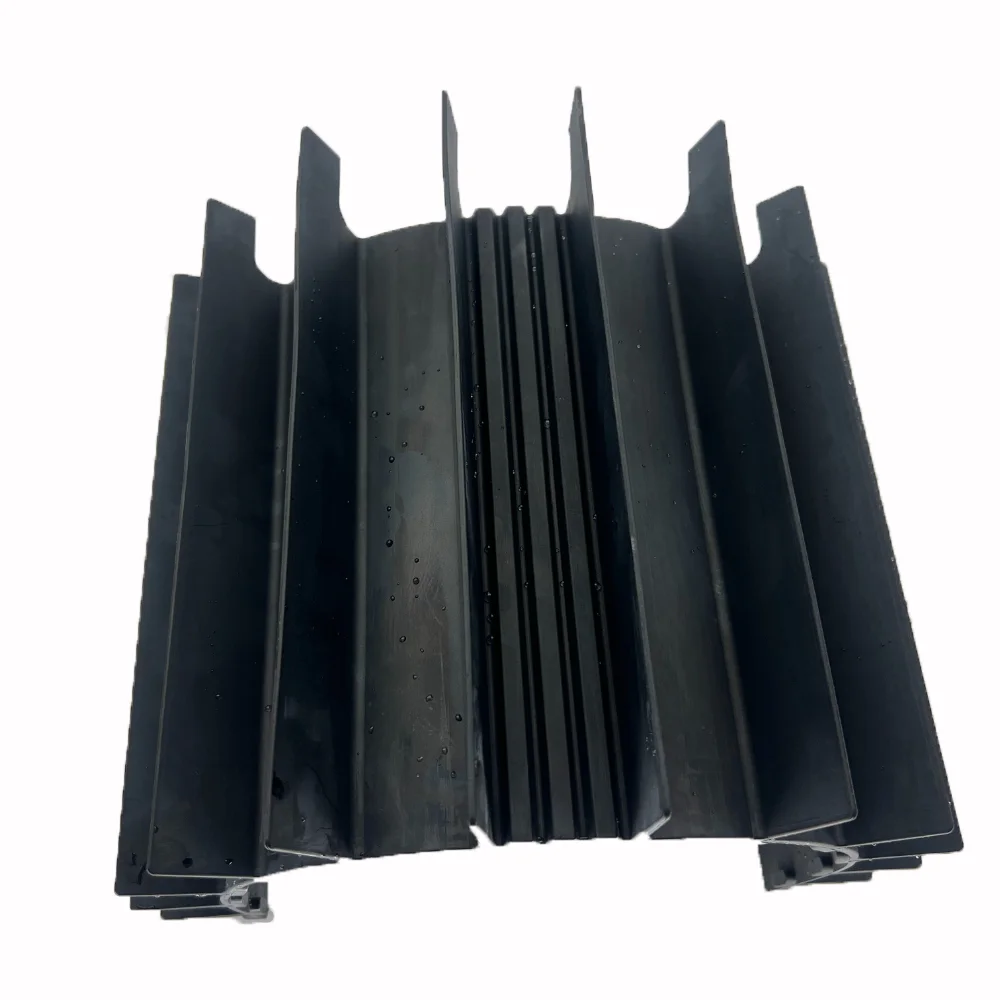
In the automotive industry, many automotive rubber spare parts companies adopt advanced injection molding and die casting technologies to improve production efficiency and product consistency.
The injection molding process refers to the process of directly injecting rubber compounds from the barrel into the mold to complete vulcanization, which includes steps such as feeding, plasticizing, injection, pressure holding, vulcanization and mold release.
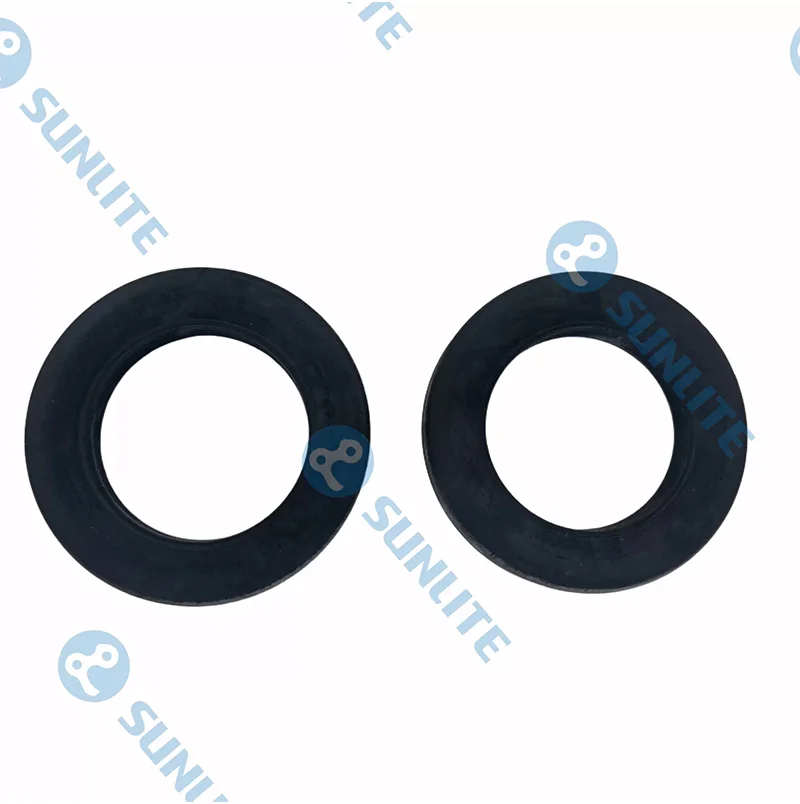
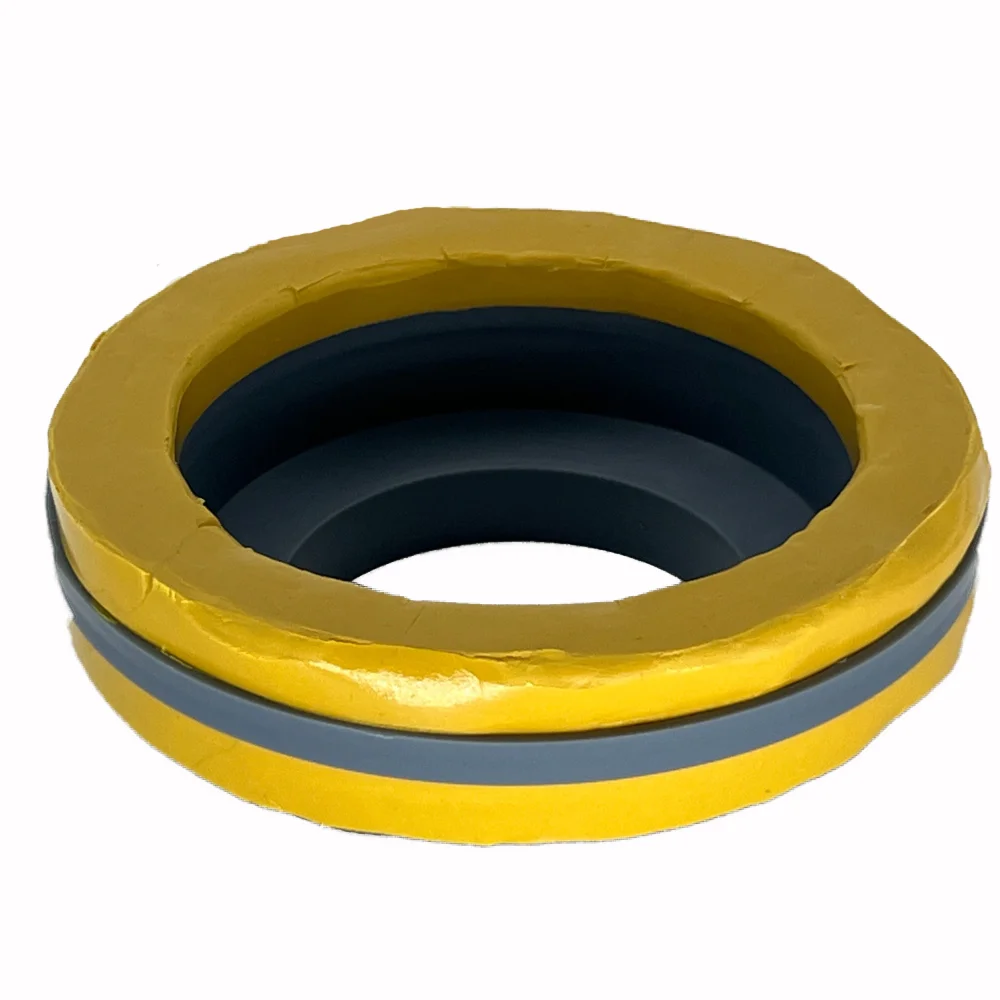
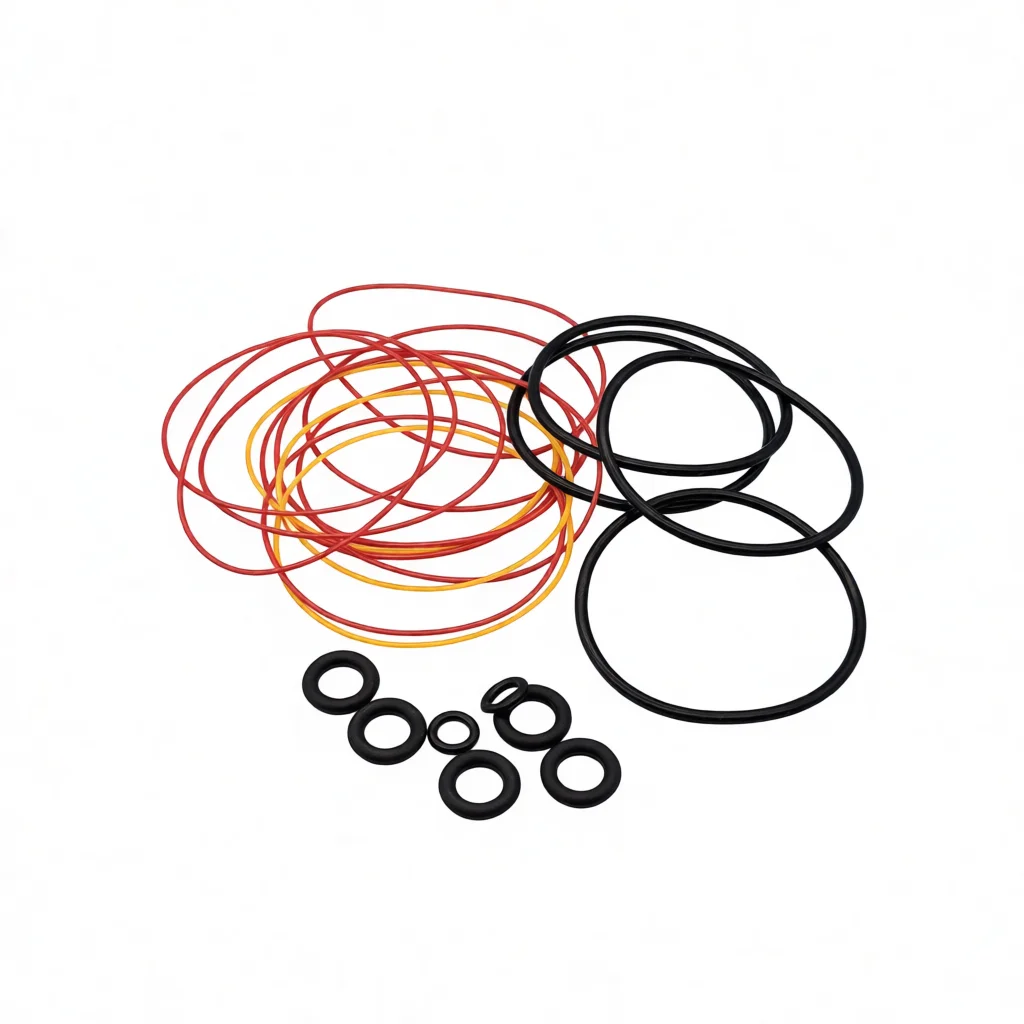
The biggest characteristics of this process are uniform temperature of the inner and outer layers of the rubber compound, fast vulcanization speed, and it can be used for mass production of molded products with complex structures. The commonly used equipment is a rubber injection molding vulcanizing machine, which is suitable for high-precision components such as automotive oil seals, sealing rings and suspension bushings.
Automotive rubber spare parts manufacturers usually control the mold temperature and injection pressure in the injection molding process to ensure that the products are dense, bubble-free and dimensionally stable. This process not only improves production efficiency, but also reduces the secondary processing time, thereby optimizing the cost structure.
The die casting process (also known as transfer molding or mold transfer method) is similar to the injection molding method, but it uses a downward pressure method to cast the rubber compound into the mold cavity for vulcanization. This method has less flash and smooth product surface, and is especially suitable for the production of high-precision components such as skeleton oil seals and shock absorber buffer blocks. Many automotive rubber spare parts companies generally adopt this process in export products to meet the dimensional accuracy and durability requirements of international customers.
Vulcanization Process
Vulcanization is the final key process in rubber processing and also the core link that determines product performance.
In the production lines of automotive rubber spare parts manufacturers, the vulcanization process is usually completed by means of thermal vulcanization.
Vulcanization is a process in which rubber molecules change from a linear structure to a network structure under a certain temperature and pressure, thereby obtaining high elasticity and durability. Common equipment includes vulcanizing tanks and flat vulcanizing machines.
The origin of vulcanization technology can be traced back to 1839. Charles Goodyear accidentally discovered that the performance of rubber mixed with sulfur was significantly improved after heating, which laid the foundation for the modern rubber industry.
Nowadays, both domestic and overseas automotive rubber spare parts suppliers use automatic temperature-controlled vulcanizing machines and precision mold systems to achieve a stable vulcanization cross-linking structure, thereby improving the aging resistance and tear resistance of the finished products.
Rubber Formula Design and Performance Control
The formula design of rubber products directly determines their physical and chemical properties.
For automotive rubber spare parts manufacturers, a reasonable formula must not only meet the processing performance, but also take into account the tensile strength, fatigue resistance, heat aging resistance and oil resistance.
The vulcanization systems of rubber mainly include sulfur system, peroxide system, resin system and oxide system.
Sulfur system: Suitable for most diene rubbers and can obtain excellent dynamic performance.
Peroxide system: Has good heat aging resistance and is suitable for automotive engine compartment components.
Resin and oxide systems: Mostly used for halogen-containing rubbers or special medium-resistant products.
At the same time, fillers such as carbon black, silica and calcium carbonate need to be added to rubber to improve reinforcement.
Automotive rubber spare parts companies usually adjust the filler particle size and specific surface area according to the functional requirements of different components (such as shock absorption, sealing and diversion) to balance strength and flexibility.
Softeners and Protection Systems
In order to improve processing performance and extend service life, automotive rubber spare parts suppliers will add softeners, plasticizers and anti-aging systems to the formula.
Softeners reduce the viscosity of the system, improve plasticity, and facilitate extrusion and molding.
The protection system prevents aging caused by oxygen, ozone, light and other factors through physical and chemical methods.
High-end automotive rubber components usually use phenolic antioxidants and p-phenylenediamine antioxidants to improve material stability.
In practical applications, automotive rubber spare parts manufacturers customize protection formulas according to different market demands (such as cold resistance, oil resistance and ozone resistance) to ensure that products can still maintain good sealing and elasticity in extreme environments.
Conclusion
From injection molding, die casting to vulcanization and formula optimization, modern automotive rubber spare parts companies have formed a full-process quality control system.
Whether it is an automotive rubber spare parts manufacturer focusing on manufacturing, or an automotive rubber spare parts supplier mainly engaged in export supporting, they are continuously introducing automated equipment and intelligent testing technologies to meet the strict requirements of the global automotive industry for high-performance rubber components.
In the automotive industry, many automotive rubber spare parts companies adopt advanced injection molding and die casting technologies to improve production efficiency and product consistency.