

 Select Language
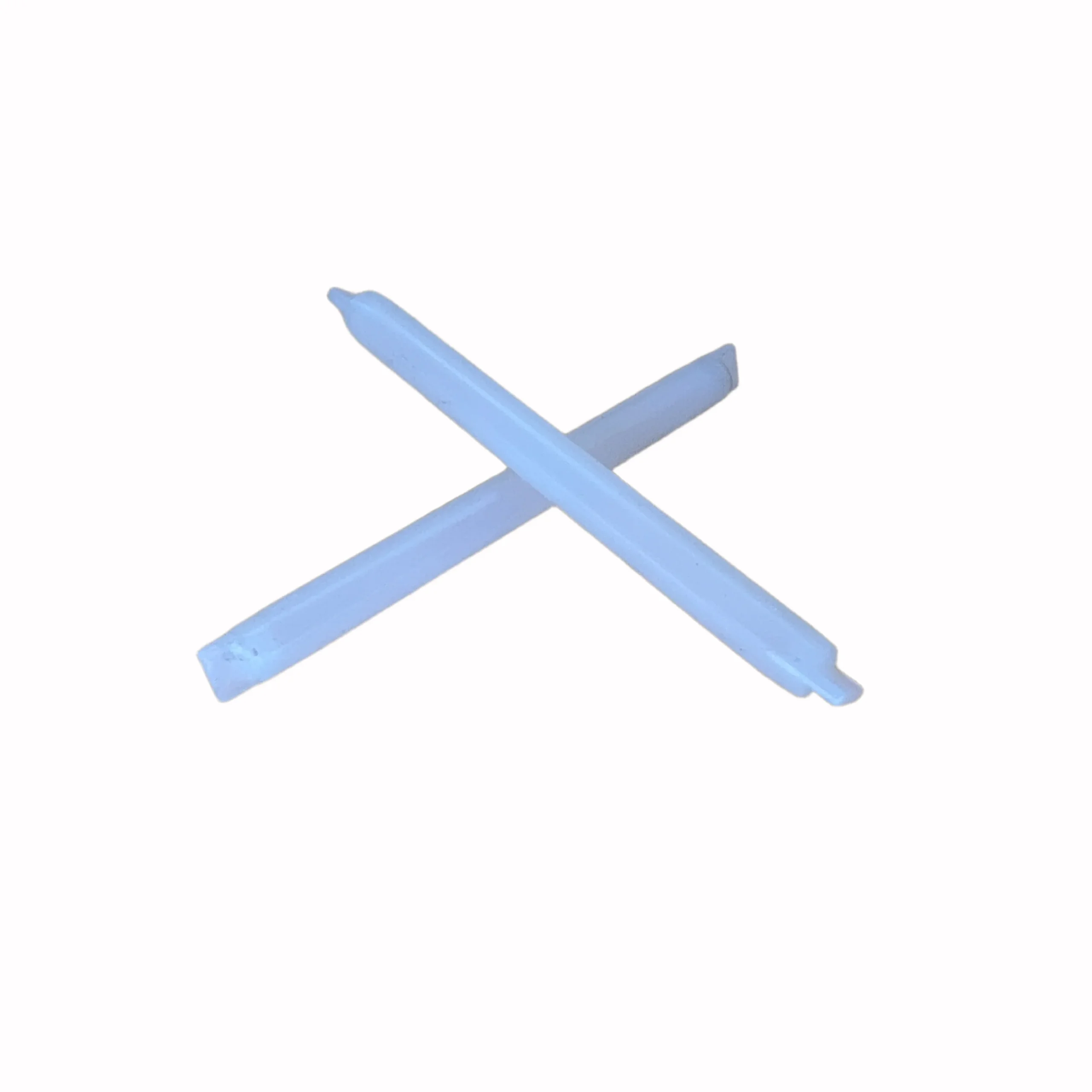
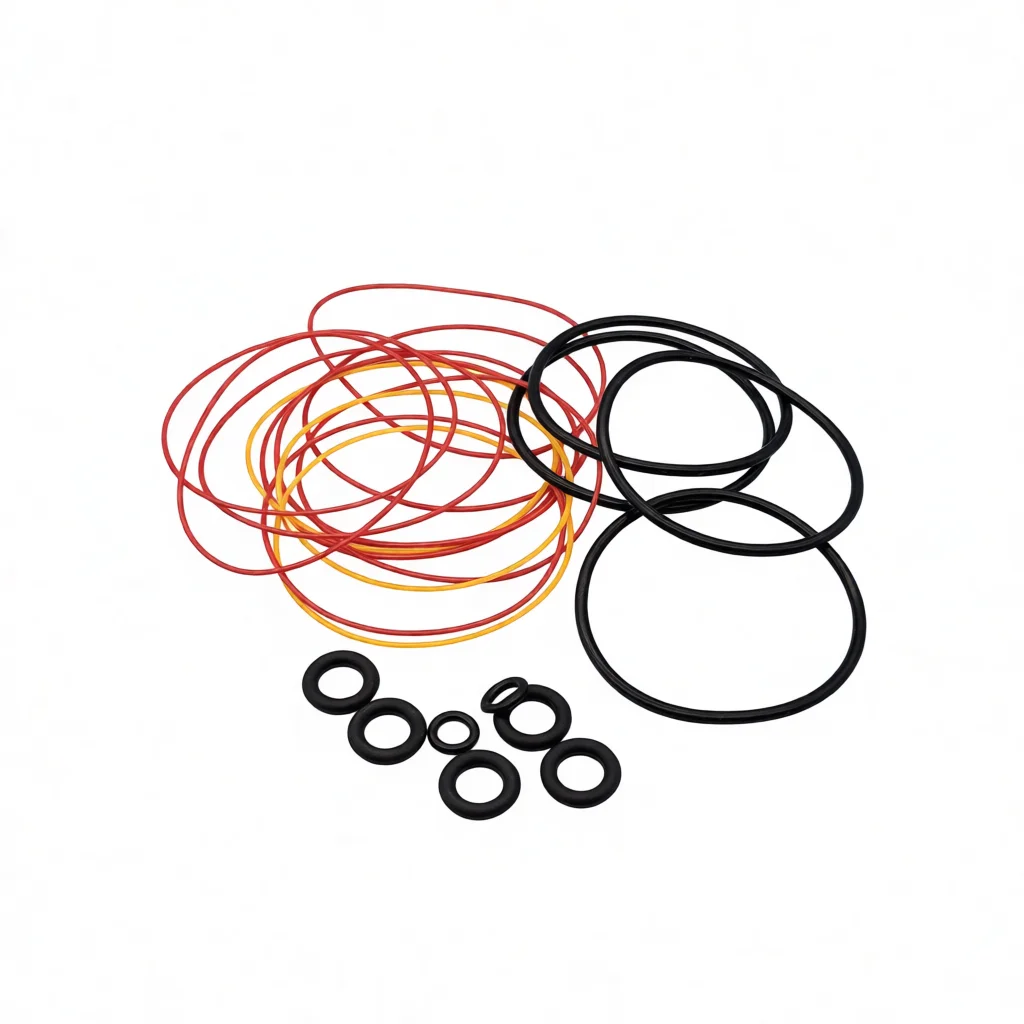
You know, in the world of construction and everyday household items, there are these little components that quietly do the heavy lifting, often unnoticed until they fail. Today, I want to shine a light on one such crucial player: the humble foam gasket. From keeping your toilet watertight to sealing out drafts from your windows, and even ensuring a snug fit for your foundation, these foamed wonders are surprisingly versatile.
The Quiet Revolution in Sealing Technology
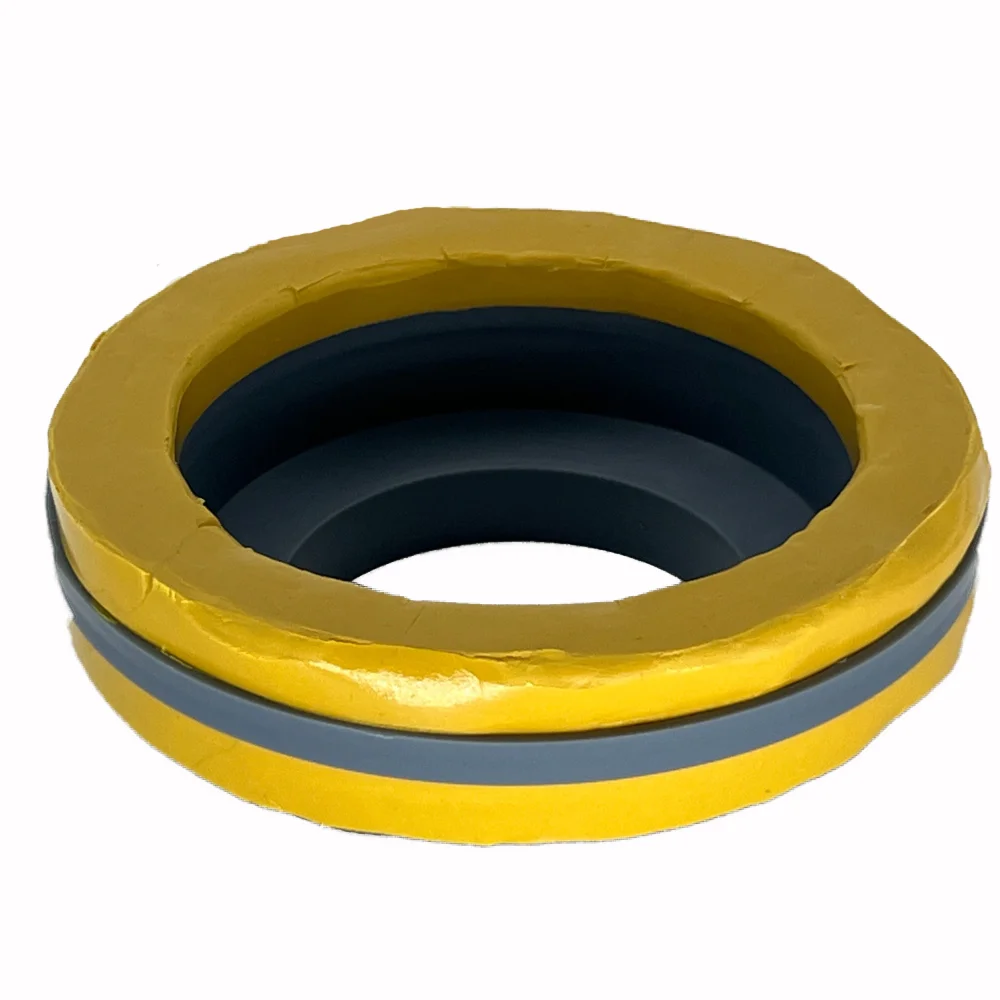
It might sound a bit dramatic, but foam gasket technology has really seen some interesting advancements lately. We're moving beyond just simple rubber O-rings. The industry trend is definitely leaning towards more specialized, high-performance materials that offer better durability, environmental compliance, and frankly, just better peace of mind. Many customers, myself included, are looking for solutions that last longer and contribute to a healthier indoor environment. Things like a reliable foam toilet gasket aren't just about preventing leaks anymore; they're about ensuring longevity and hygiene.
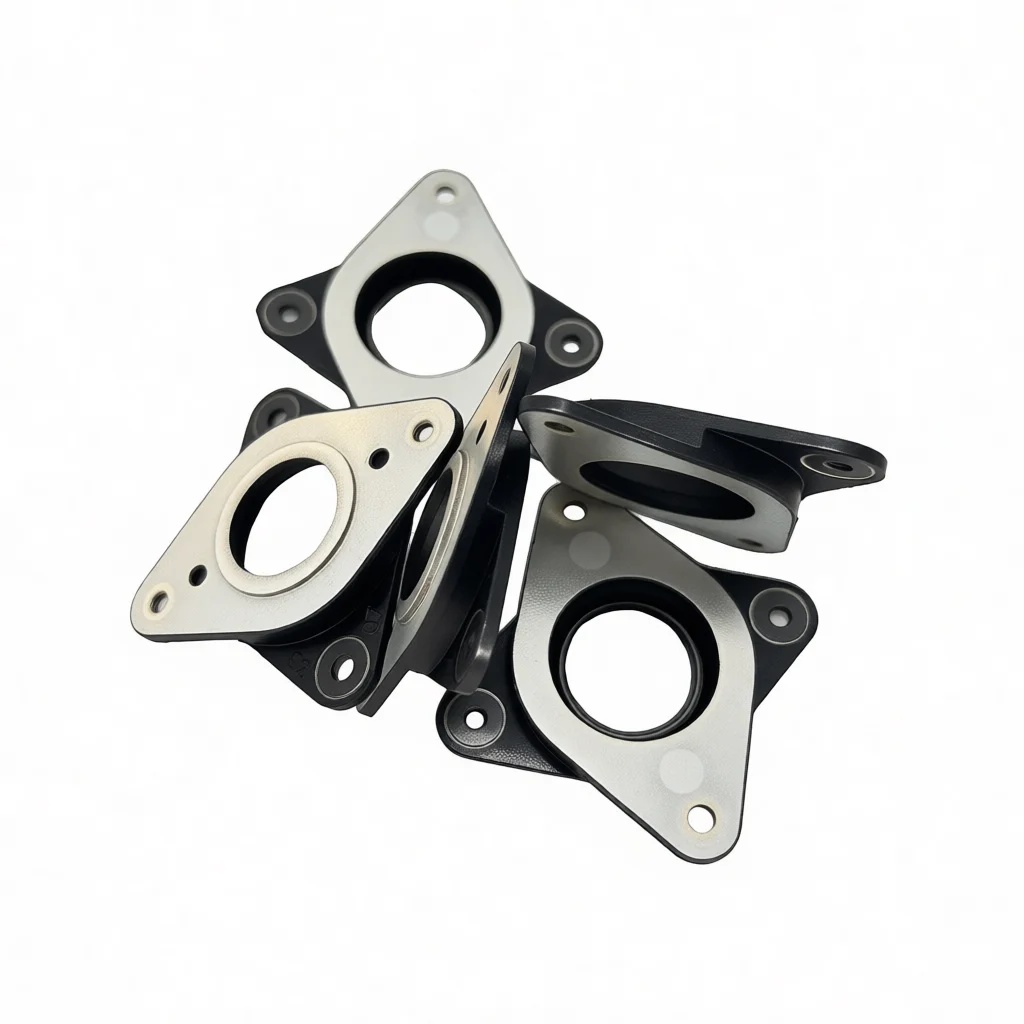
Take, for instance, the materials. We're talking about sophisticated polymers like EPDM (Ethylene Propylene Diene Monomer) and natural rubber (NR), crafted through precise molding processes. These aren't just any old sponges; they're engineered with a uniform, closed-cell structure. What does that mean for you? Well, less than 1% water absorption, for starters! And an impressive compression rebound rate of over 85%, which, to be honest, is fantastic for maintaining a seal over time. This makes them ideal for critical applications like a foam top window gasket, where you absolutely need consistent performance against the elements, or even a foam sill plate seal to prevent moisture intrusion at the foundation.
Where These Gaskets Truly Shine: Application Scenarios
The applications for these foamed rubber sealing and cushioning parts are incredibly diverse. Let's break down a few key areas:
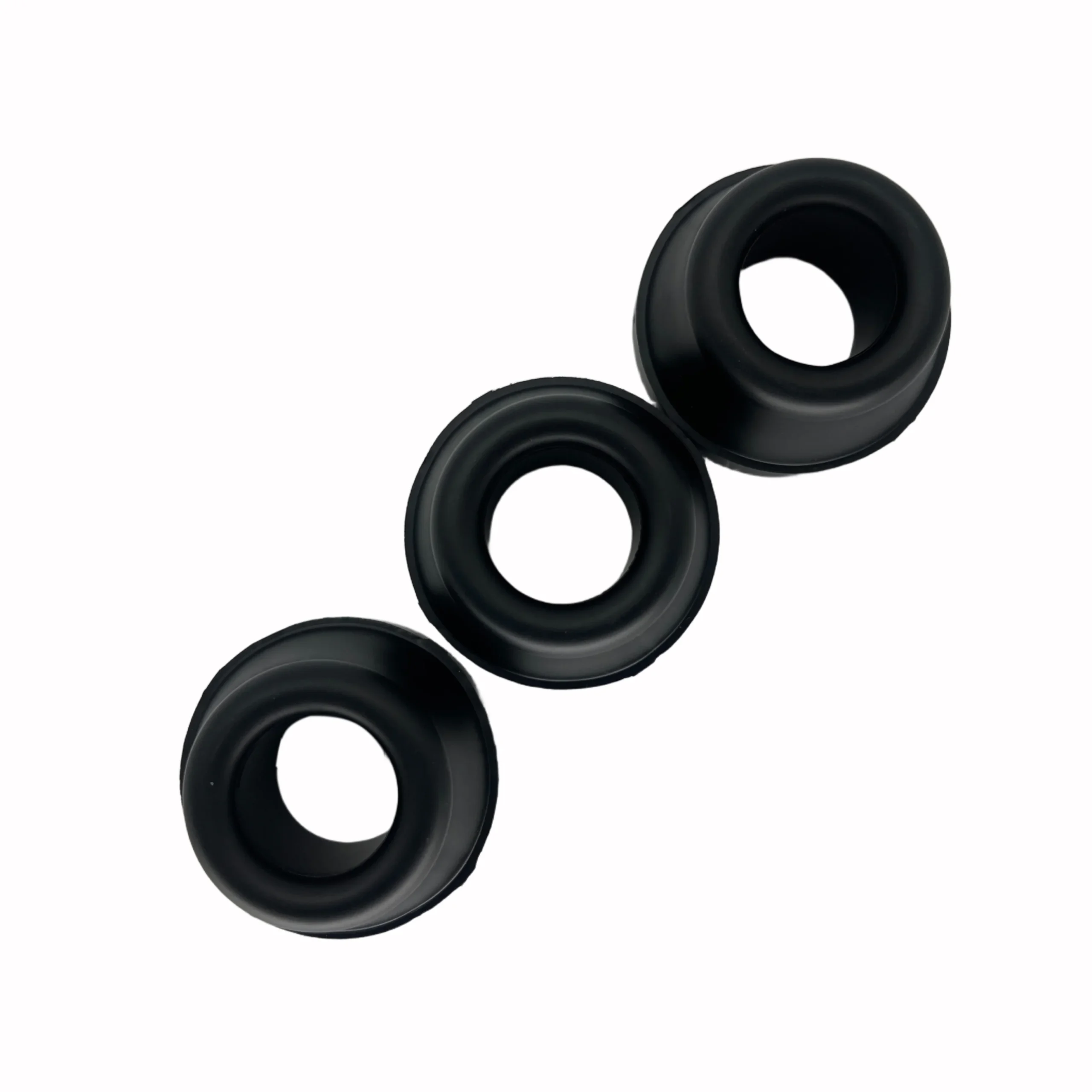
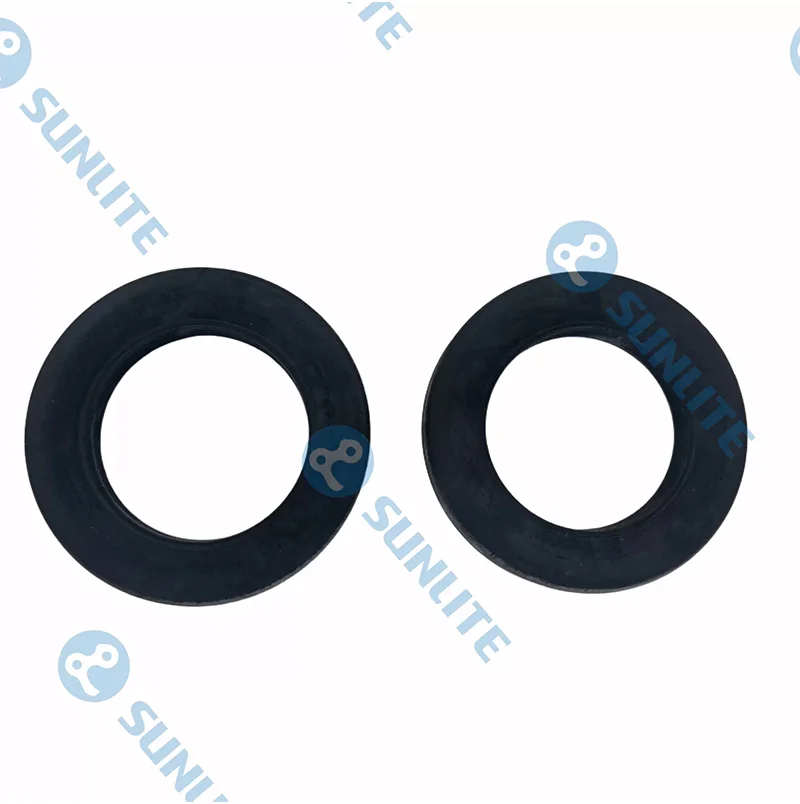
· Sanitary Ware: This is perhaps the most obvious. A foam toilet gasket acts as a crucial cushion for the toilet installation base, preventing shaking, damage to the floor, and, of course, leaks. Similarly, they seal connections between faucets and water pipes and cushion washbasins against brackets to reduce vibration and noise. Shower door frames often rely on them too.
· Windows and Doors: A robust foam top window gasket is essential for energy efficiency. It helps seal against drafts, moisture, and dust, contributing significantly to a home's insulation and comfort. In fact, many modern window systems utilize sophisticated foam profiles for superior thermal and acoustic performance.
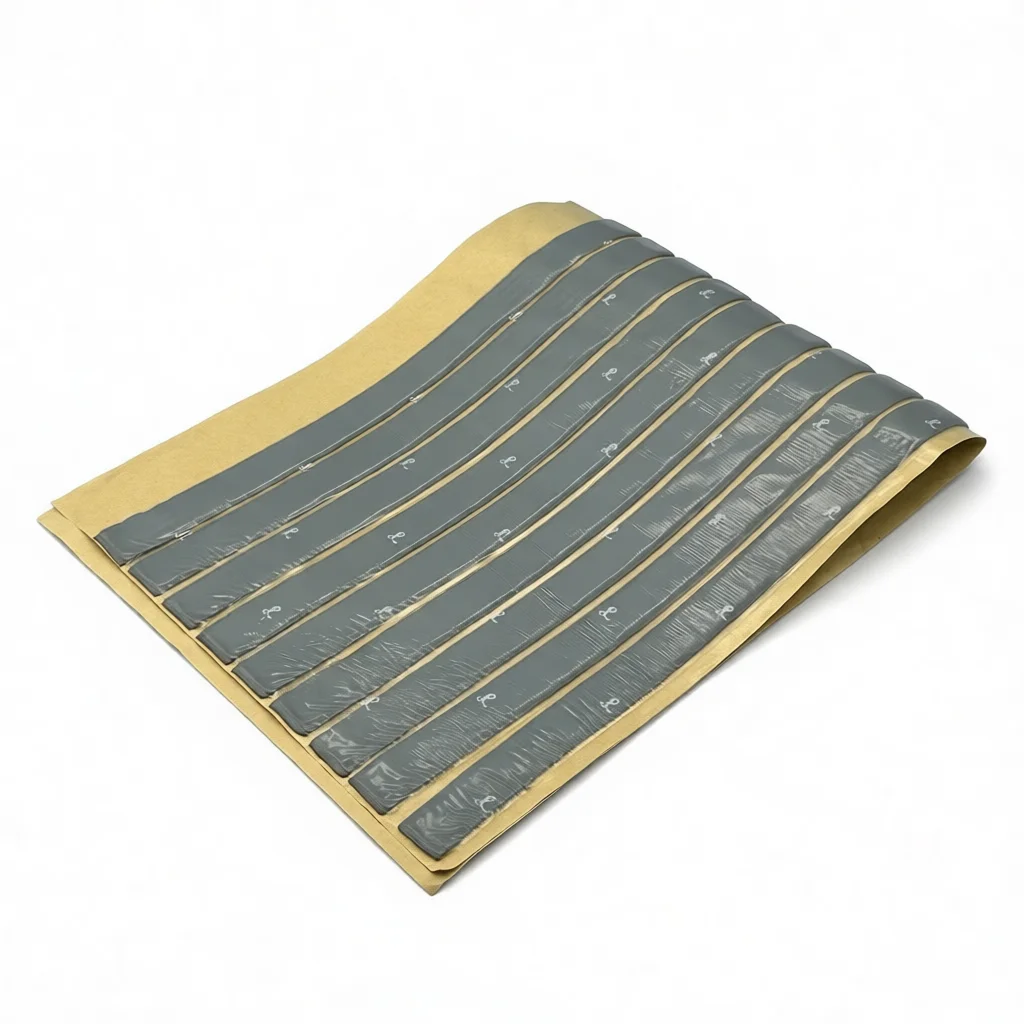
· Foundation and Structural: And then there's the foam sill plate seal. This is paramount in preventing air and moisture infiltration between the foundation and the sill plate of a building. It's a foundational component (pun intended!) for moisture management and energy saving in construction.
The advantages here are clear: superior sealing and leak-proofing, excellent cushioning and shock absorption, and impressive noise reduction. Plus, the closed-cell structure guarantees strong structural stability, meaning minimal long-term deformation. I've heard countless anecdotes from contractors praising how these components make their installations so much more secure.
Getting Technical: Specifications and Standards
When we talk about the nitty-gritty, it's all about the performance index. Here’s a quick overview of what to look for:
Performance Metric | Typical Specification |
Material | Foamed EPDM or Natural Rubber (NR) |
Density | ≈ 0.25–0.85 g/cm³ |
Compression Rebound Rate | >85% |
Water Absorption | <1% (Closed-cell structure) |
Weather Resistance | Ozone-resistant, UV aging-resistant; long outdoor service life |
Chemical Resistance | Resistant to weak acids, alkalis, cleaning agents, etc. |
Environmental Standards | RoHS2.0, REACH, PAHs, POPs, TSCA, PFAS Compliant |
These certifications are not just buzzwords; they represent rigorous testing for environmental safety and health. It means these products are free of harmful substances, making them suitable for domestic water systems and safe for continuous contact in residential and commercial buildings. Honestly, it's good to see manufacturers taking these standards so seriously.
Vendor Landscape and Customization
When it comes to sourcing, you'll find a range of suppliers. Some specialize in specific industries, while others offer a broader catalog. Customization is a huge factor, especially for unique architectural or product designs. Many leading manufacturers offer tailor-made solutions for dimensions, material blends, and even specific performance criteria.
Vendor Type | Key Strengths | Considerations |
Large Manufacturers | Broad product range, high volume, strong R&D, certifications | Might have higher minimum order quantities (MOQs) |
Specialized Boutiques | Niche expertise, rapid prototyping, strong customization options | Potentially higher unit cost for standard items, focused inventory |
Distributors/Resellers | Convenience, wider brand access, small order flexibility | Less direct technical support, prices might vary |
Ultimately, choosing a vendor really depends on your specific project's scale and customization needs. For instance, for a large-scale hotel or hospital project, you'd probably lean towards a large manufacturer for consistent quality and compliance. For a unique residential build, a specialized boutique might be the better fit.
The Takeaway: Investing in Reliability
So, whether you're dealing with a leaky toilet, a drafty window, or building a new home, understanding the role of a high-quality foam gasket is, I guess, pretty vital. These small, often unseen components play a massive role in the comfort, safety, and longevity of our living and working spaces. They truly are the unsung heroes of modern sealing. Investing in good quality here saves headaches and costly repairs down the line, which, if you ask me, is always a smart move.
Authoritative Citations
1. European Chemicals Agency (ECHA). (2023). REACH Regulation Overview. Retrieved from echa.europa.eu
2. U.S. Environmental Protection Agency (EPA). (2023). Toxic Substances Control Act (TSCA). Retrieved from epa.gov
3. International Organization for Standardization (ISO). (Various). Standards for Rubber and Plastics. Retrieved from iso.org
You know, in the world of construction and everyday household items, there are these little components that quietly do the heavy lifting, often unnoticed until they fail.