Select Language
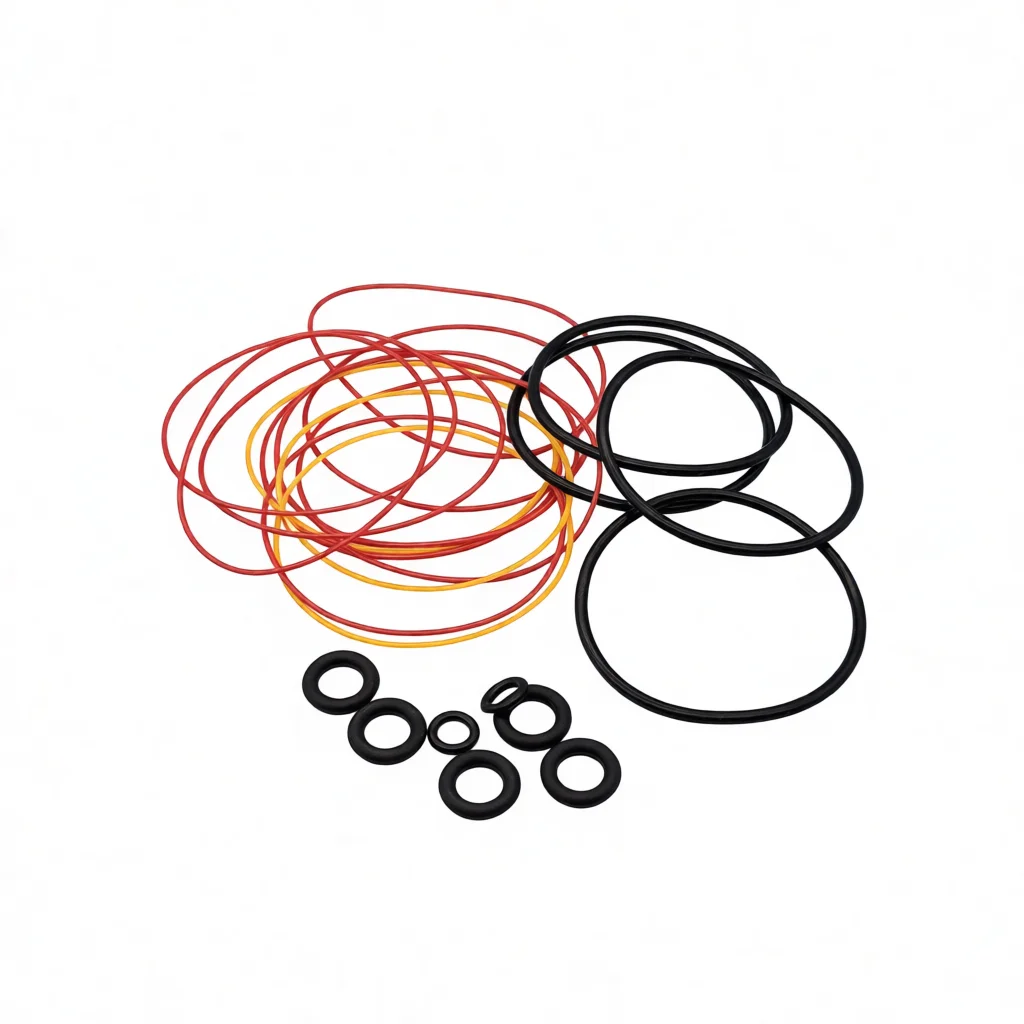
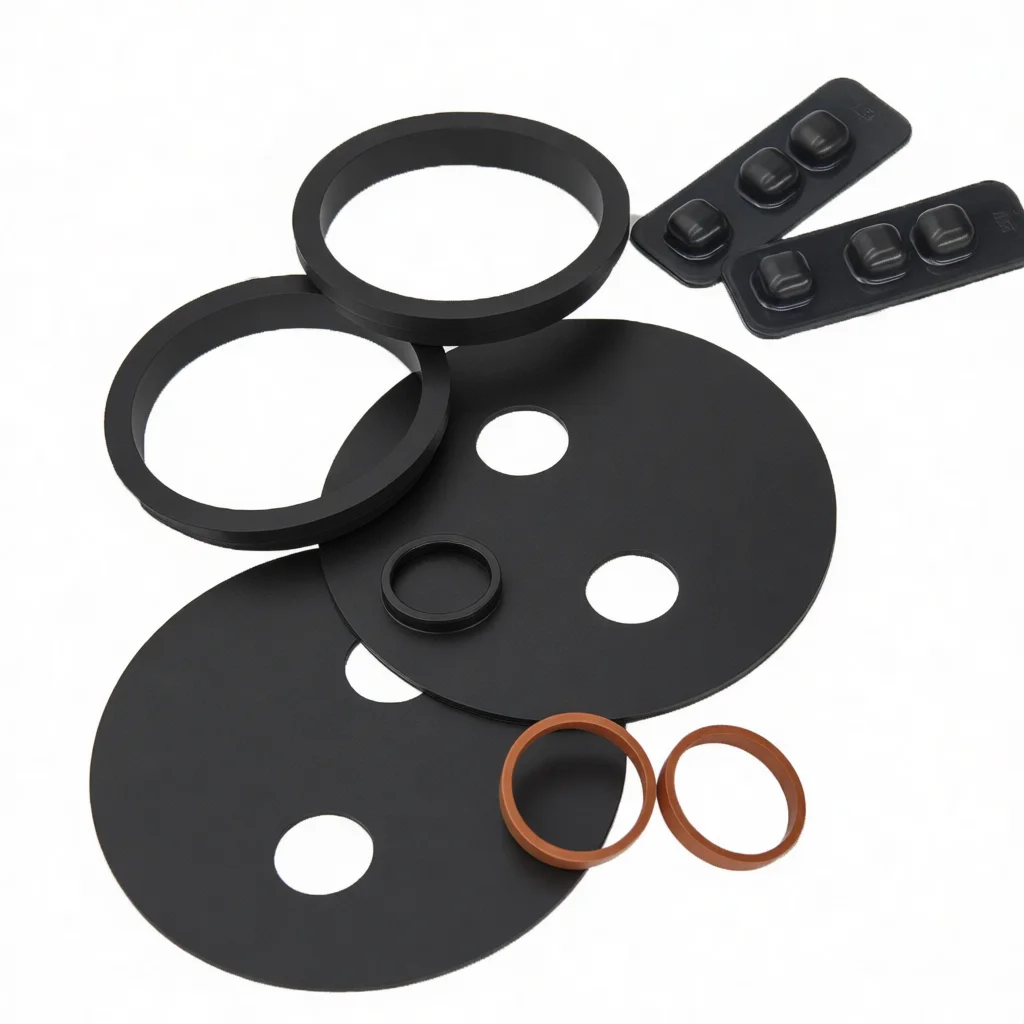
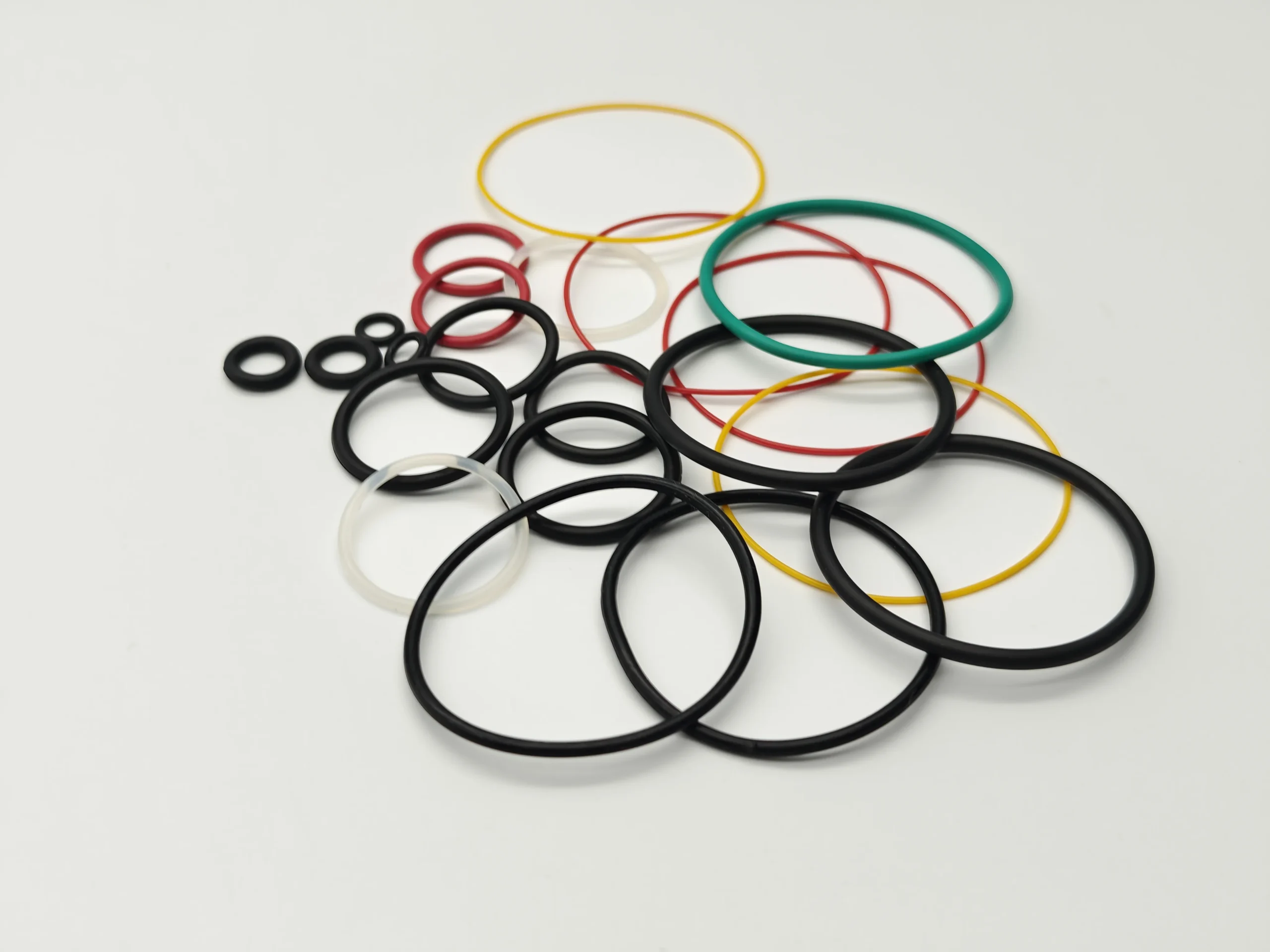
The sealing performance and service life of O-rings depend on dimensional accuracy and compound quality, requiring compounds with good mechanical strength, tear resistance, heat and oil resistance, and low compression set. Commonly used compounds include nitrile rubber (NBR), suitable for general oil-resistant applications; acrylic rubber (ACM), withstanding temperatures up to 150–190°C; fluorocarbon rubber (FKM) and silicone rubber (VMQ) for higher temperature environments.
At elevated working pressures, carbon black can be added to increase hardness, but excessive amounts may cause processing difficulties and performance degradation. To enhance heat and oil resistance while reducing compression set, peroxide curing (e.g., DCP) or efficient sulfur systems (low sulfur, high accelerator) can be employed to form stable carbon-carbon bonds and disulfide crosslink structures.
Reinforcement systems should utilize coarse-particle, low-activity fillers like thermal cracking carbon black or spray carbon black to ensure high elasticity, low heat generation, and minimal compression set, while allowing high loading for cost reduction. Dynamic sealing applications may incorporate some high-abrasion-resistant carbon black. Fluorocarbon rubber exhibits self-reinforcing properties, requiring only minimal coarse-particle carbon black; excessive amounts impair mechanical properties.
The sealing performance and service life of O-rings depend on dimensional accuracy and compound quality, requiring compounds with good mechanical strength, tear resistance, heat and oil resistance, and low compression set.