Select Language
 Understanding EPDM O Rings for Brake Fluid: Why It’s a Big Deal Worldwide
If you’ve ever peeked under the hood of a car, you might have noticed tons of small rubber seals and parts—each playing a tiny but crucial role. Among them, EPDM O rings designed for brake fluid stand out. These components might seem minor, yet globally, they form a backbone of vehicle safety systems. Pretty fascinating, isn’t it? Understanding these O rings isn’t just a niche for mechanics; it’s vital for industries, safety regulators, and automotive designers everywhere.
Given that virtually every vehicle on the planet depends on hydraulic brake systems, the reliability of these EPDM seals directly impacts safety, longevity of vehicles, and even environmental sustainability. Plus, their remarkable chemical resistance to brake fluids solves some tricky engineering puzzles lined with high heat and pressure.
Mini takeaways: EPDM O rings for brake fluid are small but essential parts that safeguard brake systems globally, ensuring safety and performance under tough conditions.
The Global Context: Why EPDM O Rings for Brake Fluid Matter Now More Than Ever
Worldwide, there are roughly 1.4 billion vehicles on roads. That’s a staggering number demanding durable brake systems — and by extension, durable seals. EPDM (Ethylene Propylene Diene Monomer) rubber fits this bill by offering exceptional resistance to brake fluid’s harsh chemicals and extreme temperatures.
As vehicle fleets grow—especially in developing economies—there’s escalating pressure on manufacturers to produce O rings with consistent quality that won’t degrade prematurely or cause hazardous leaks. ISO and ASTM standards keep quality in check but manufacturers also face challenges in maintaining cost-effectiveness with such high-volume needs.
In real terms, a single faulty seal can cause brake failure, risking lives and crores of property damage worldwide. So, the stakes are high, and so is the technology effort.
Mini takeaways: Worldwide automotive expansion pushes demand for reliable EPDM O rings capable of withstanding brake fluid’s chemical stress, which is critical to vehicle safety standards.
What Exactly Are EPDM O Rings for Brake Fluid?
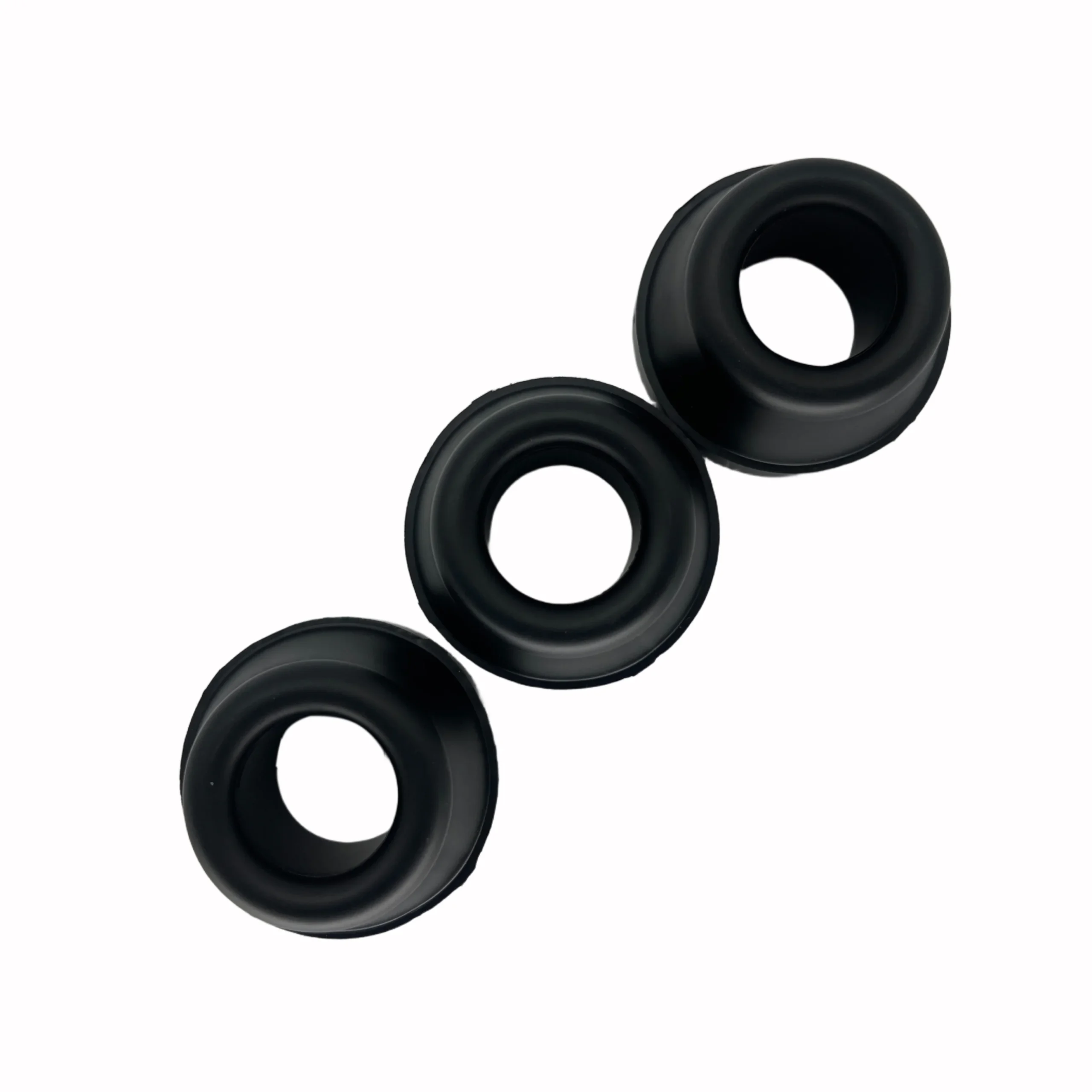
At their core, these are ring-shaped elastomer seals made from EPDM rubber, specially engineered to resist deterioration from brake fluids such as DOT 3, DOT 4, and DOT 5.1—the hydraulic fluids that actually transfer the force from your brake pedal to the wheels.
Unlike natural rubber or other synthetic materials, EPDM has a unique molecular structure that doesn’t swell, crack, or weaken when exposed to glycol-based brake fluids and the high temps found inside brake systems.
This resistance makes them indispensable in the automotive, aerospace, and heavy machinery industries—all requiring rigorous sealing in harsh conditions.
EPDM O rings for brake fluid are, simply put: The silent heroes that keep brake systems leak-proof and safe.
Key Features to Know About EPDM O Rings for Brake Fluid
1. Chemical Compatibility
EPDM’s strong affinity for resisting brake fluid chemicals is why it is the go-to choice. These rings won’t degrade or lose elasticity as many other rubbers do, even after prolonged exposure.
2. Temperature Resistance
Brake systems get hot, often reaching upwards of 150°C. EPDM O rings manage to keep their form and function without softening or cracking.
3. Durability & Longevity
Unlike cheaper alternatives, EPDM seals last longer — reducing maintenance frequency and downtime in vehicles and industrial machines.
4. Cost Efficiency
It might surprise you, but although EPDM is a specialized material, mass production brings costs down enough to offer a smart balance of price and premium performance.
5. Environmental Impact
EPDM is recyclable and when designed right, end-of-life O rings can be disposed of responsibly — aligning with increasing eco-conscious manufacturing trends.
Mini takeaways: Chemical and heat resistance, durability, and cost balance make EPDM O rings ideal for brake fluid seals worldwide.
Global Applications and Use Cases
You’ll find EPDM O rings for brake fluid inside passenger cars, trucks, motorcycles, and even aircraft brake systems. In countries with older vehicles—say parts of Southeast Asia or Latin America—these seals play a big role in extending brake system life amid heavy traffic and road stress.
In industrial contexts like construction or mining machinery, reliability often impacts worker safety directly, so high-quality EPDM seals are non-negotiable. And oddly enough, humanitarian and disaster relief organizations have tapped into EPDM seals for off-road emergency vehicles, knowing brake failure is not an option in crisis zones.
EPDM o rings for brake fluid from certified suppliers are highly sought after in these sectors precisely for that reliability.
Product Specification: Typical EPDM O Ring for Brake Fluid
| Specification | Typical Value | Unit | Notes |
|---|---|---|---|
| Material | EPDM Rubber (Ethylene Propylene Diene Monomer) | - | Certified to ASTM D1418 standards |
| Hardness (Shore A) | 70 ± 5 | Shore A | Balanced flexibility and durability |
| Operating Temperature Range | -40 to +150 | °C | Withstands typical brake system temperatures |
| Fluid Resistance | Excellent | - | Compatible with DOT 3, 4, 5.1 brake fluids |
| Tensile Strength | 10-15 | MPa | Indicates durability under stress |
| Compression Set | - | Low set ensures excellent seal retention |
Vendor Comparison: Leading EPDM O Ring Suppliers for Brake Fluids
| Vendor | Material Quality | Custom Sizes | Certifications | Lead Time | Price Range |
|---|---|---|---|---|---|
| SunliteTek | Premium EPDM, ASTM & ISO certified | Yes (Standard & Custom) | ISO 9001, TS16949 | 2-4 weeks | $$$ |
| GlobalSeal | Good quality EPDM blends | Limited | ISO 9001 | 3-6 weeks | $$ |
| BrakeSeal Inc. | Standard EPDM grades | No | None | 4-8 weeks | $ |
Advantages and Long-Term Value of EPDM O Rings for Brake Fluid
When you think about it, the benefits go beyond just ticking a quality box. EPDM O rings improve safety by consistently preventing fluid leaks and maintaining brake pressure. This translates to fewer accidents and less strain on drivers’ confidence—especially in high-stress or emergency braking scenarios.
From a financial viewpoint, their durability minimizes vehicle downtime. Fleet operators and maintenance teams save significant resources because replacements aren’t frequent absurdly short cycles. Environmental sustainability also factors in: EPDM’s chemical stability means fewer replacements and less waste.
Trust, innovation, and reliability? These seals have all three, quietly holding brake systems together. And honestly, it’s super comforting for anyone behind the wheel.
Emerging Trends and Innovations in EPDM O Rings for Brake Fluid
With the rise of electric vehicles and smart automotive tech, O rings are evolving too. There’s a push toward hybrid polymers combining EPDM with novel additives to boost resistance to newer brake fluids or extended temperature ranges. Some labs are experimenting with self-healing elastomers that promise longer lifespans in harsh conditions.
Furthermore, with green manufacturing gaining ground, producers are partnering with sustainability experts to lower carbon footprints during EPDM synthesis and recycling stages.
Challenges in Using EPDM O Rings for Brake Fluid – And How We’re Solving Them
One persistent challenge is maintaining seal integrity in extreme cold, as EPDM can become less flexible below -40°C. Engineers tackle this with blends that maintain elasticity in frigid climates, critical for vehicles operating in northern latitudes.
Supply chain disruptions and raw material price fluctuations also present hurdles, but diversified vendor networks and bulk production mitigate risks.
Frequently Asked Questions About EPDM O Rings for Brake Fluid
- Q1: Can EPDM O rings work with all types of brake fluids?
- A: EPDM O rings are compatible with glycol-based brake fluids such as DOT 3, DOT 4, and DOT 5.1. However, they are generally not suitable for silicone-based DOT 5 fluid due to chemical incompatibilities.
- Q2: How long do EPDM O rings typically last in brake systems?
- A: Under normal conditions, EPDM O rings last several years—often 5 years or more—depending on exposure, temperature cycles, and maintenance practices.
- Q3: Are EPDM O rings customizable for unique brake system designs?
- A: Yes, many suppliers, including SunliteTek, offer custom sizing and formulation to meet specialized vehicle or machinery needs.
- Q4: What testing standards ensure quality of EPDM O rings?
- A: Industry-leading O rings comply with ISO 3601 and ASTM D1418 standards, ensuring material properties, dimensions, and performance meet strict benchmarks.
Conclusion: Why EPDM O Rings for Brake Fluid Will Keep Driving Safety Forward
EPDM O rings may be small, but their impact on safety, durability, and operational efficiency is huge. As global vehicle fleets grow, the demand for these resilient, cost-effective seals will only intensify. Whether you’re a manufacturer, engineer, or fleet manager, investing in quality EPDM O rings means investing in trust and innovation under the hood.
Curious to source reliable epdm o rings for brake fluid? Check out SunliteTek’s range of proven products today.
With something as crucial as brake safety, sometimes it’s the smallest parts that make the biggest difference. Who knew?
References:

Understanding EPDM O Rings for Brake Fluid: Why It&rsqu […]