Select Language
 Understanding the Flat O Ring Gasket: A Small Part with a Big Impact
At first glance, a flat o ring gasket might seem like a minor piece of equipment — just a small slice of industrial machinery or plumbing, right? But when you take a step back and look at the roles these simple seals play, it’s clear they’re indispensable. From keeping our water pipes leak-proof to sealing high-pressure engines, understanding flat o ring gaskets is crucial for anyone in manufacturing, engineering, or even humanitarian aid. Their reliability affects daily life in subtle ways, and with growing global infrastructure demands, the stakes are only getting higher.
Why Flat O Ring Gaskets Matter Worldwide
Flat o ring gaskets are more than just rubber rings. According to ISO standards on sealing technology, these components must perform consistently under pressure, temperature changes, and chemical exposure. Globally, industries like oil and gas, automotive, water treatment, and HVAC depend on them. In fact, with the World Bank estimating infrastructure investments to top $94 trillion by 2040, the demand for reliable sealing solutions — like flat o ring gaskets — is skyrocketing. Yet, sealing failures cause billions in losses annually, not to mention safety risks and downtime. Clearly, this tiny component helps tackle some pretty large global challenges.
Mini takeaway: Flat o ring gaskets are small parts connected to big industrial and social systems. They quietly prevent leaks, save resources, and ensure safety worldwide.
What Exactly is a Flat O Ring Gasket?
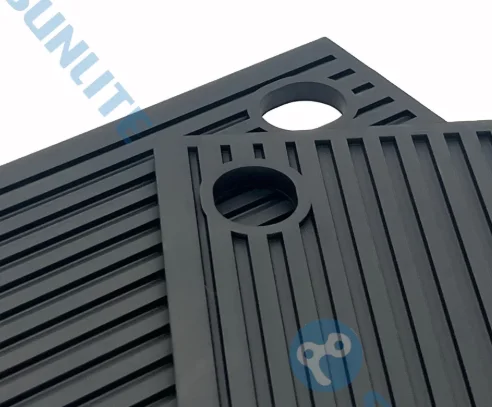
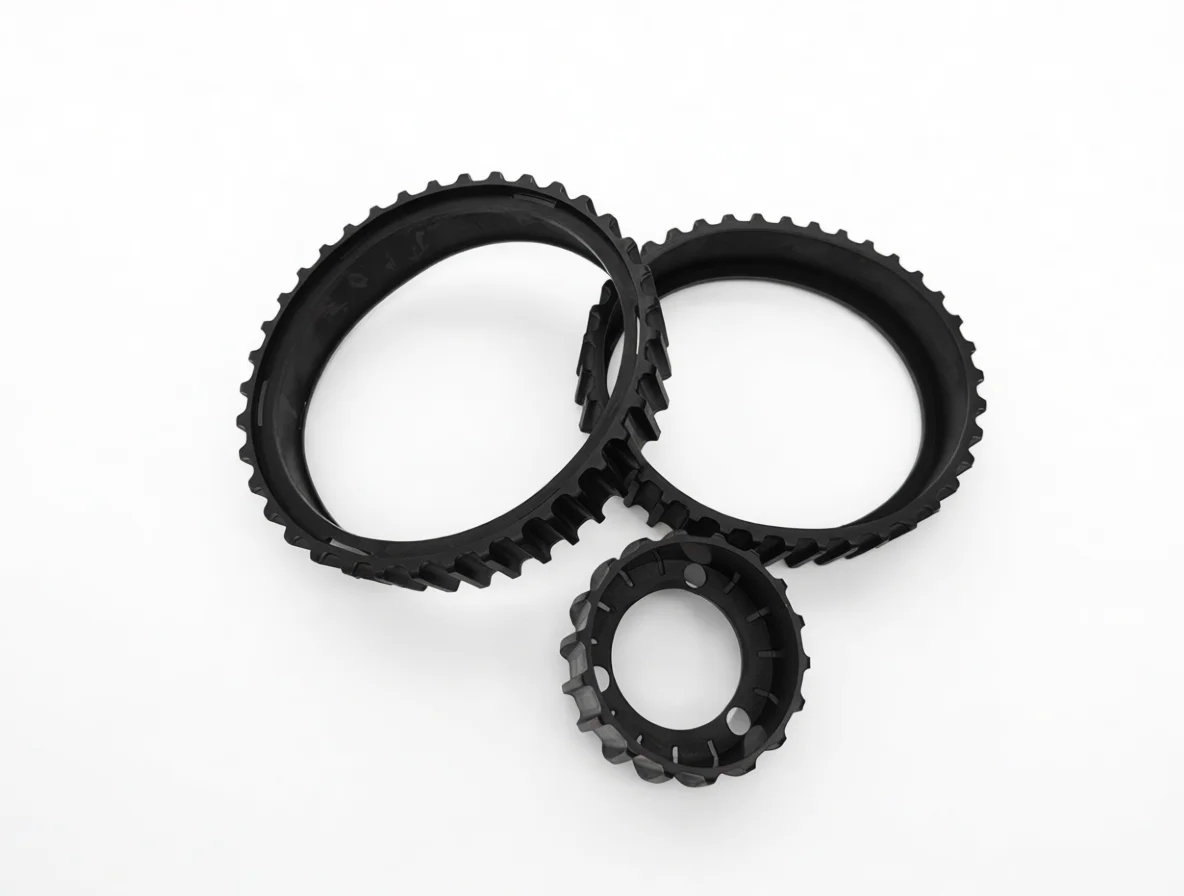
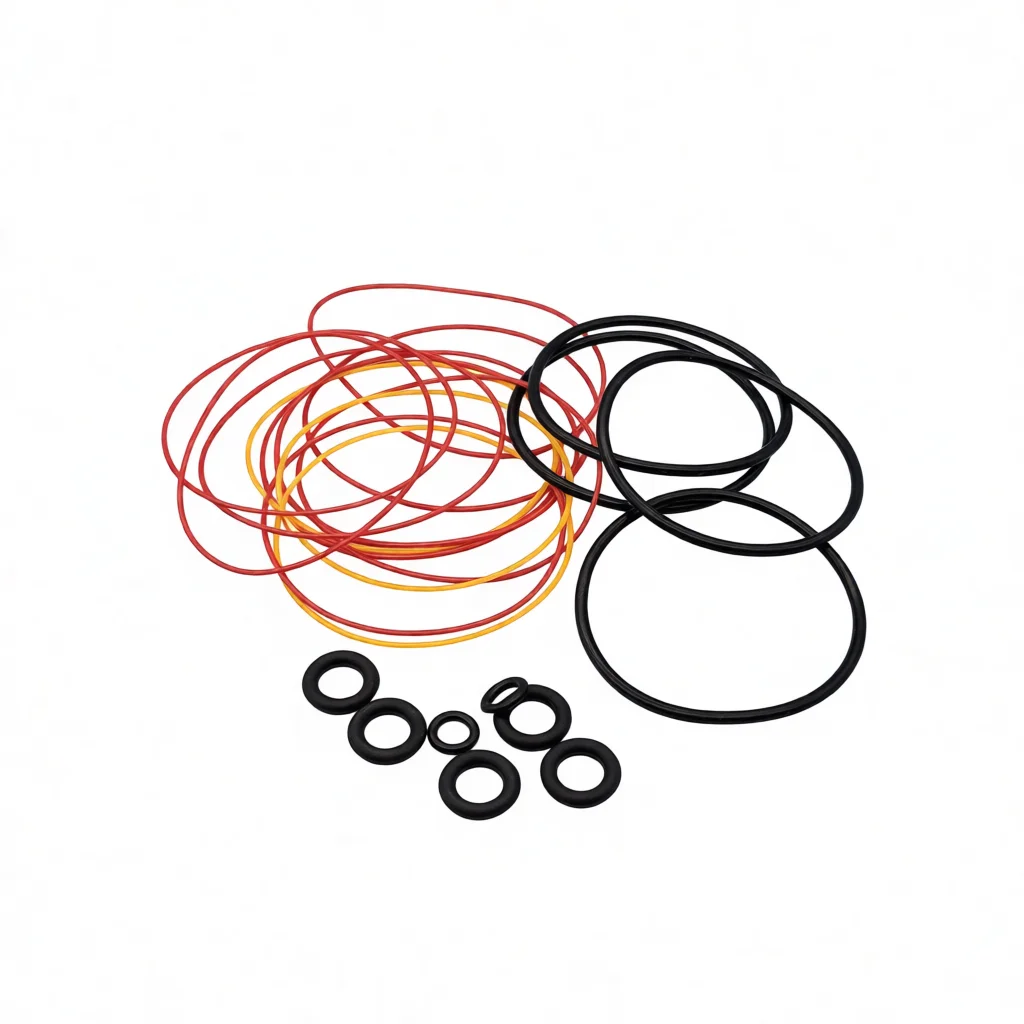
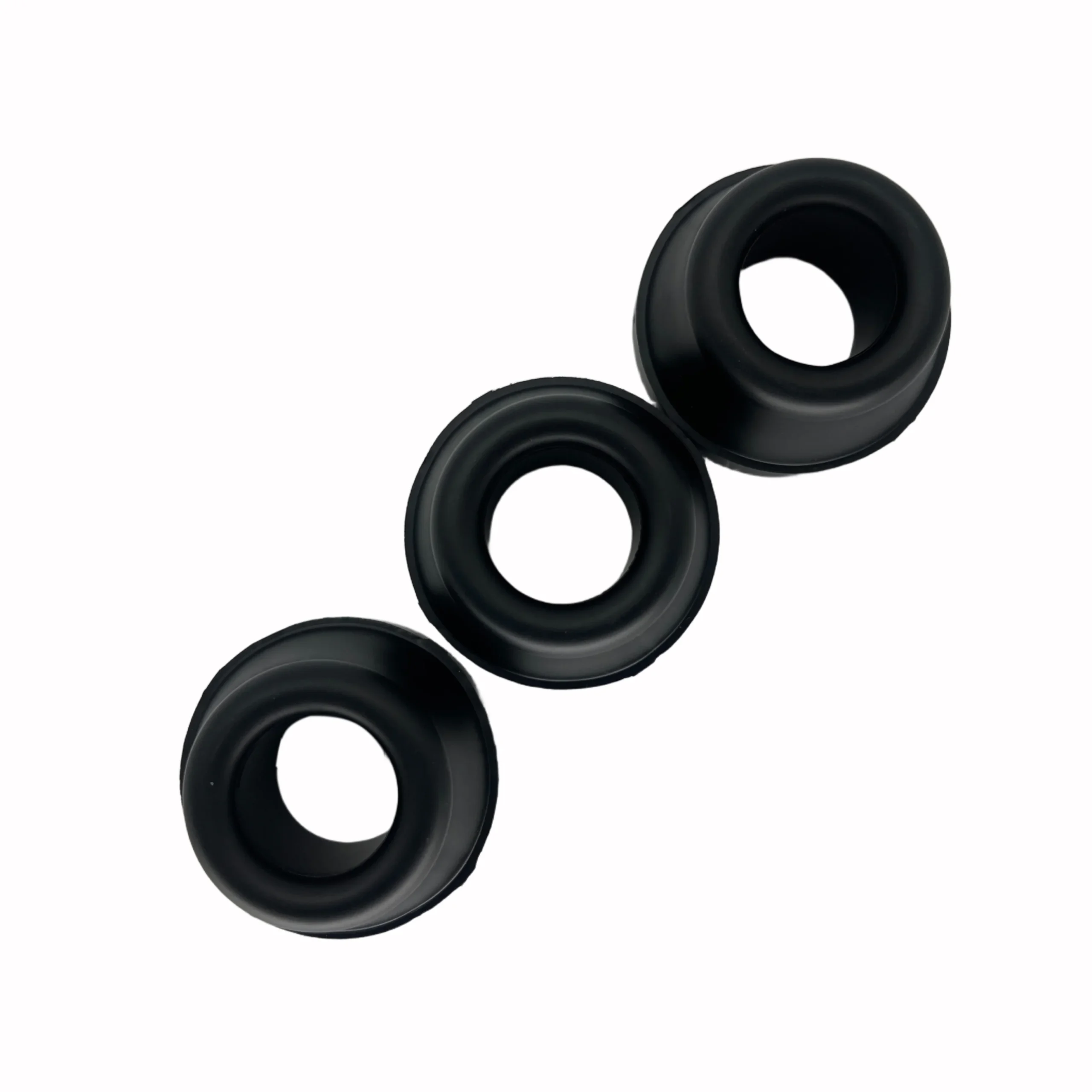
At its core, a flat o ring gasket is a sealing ring made from flat cross-section material, generally elastomeric or rubber-like, designed to fit within grooves or flanges between two surfaces. Unlike the more familiar round section O-ring, these flat rings distribute pressure over a wider surface area, offering enhanced sealing under specific conditions. Think of it as a flat donut that keeps connections tight and prevents fluids or gases from slipping through.
These gaskets have become crucial in modern machinery and infrastructure, sealing pipes, valves, pumps, and more. They're essential for everything from clean water distribution projects in emerging economies to keeping fuel systems airtight in vehicles. Oddly enough, they’re even part of humanitarian supply chains: ensuring safe and reliable water delivery systems post-disaster.
Core Components and Essential Features
Durability
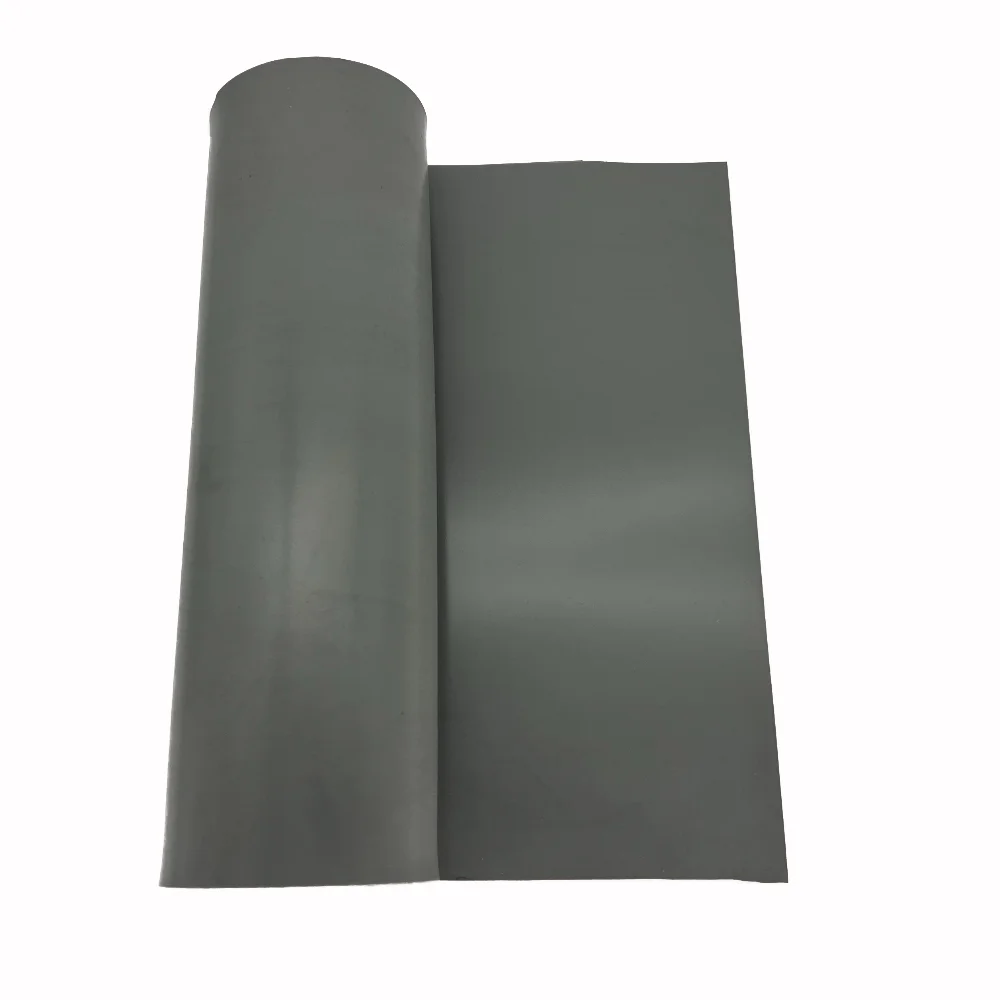
Flat o ring gaskets need to withstand a range of challenges — from extreme temperatures to exposure to oils, chemicals, or UV radiation. Materials like nitrile, silicone, or fluorocarbon elastomers make them tough. Many engineers note that choosing the right material is half the battle in preventing failures.
Seal Integrity
The flat profile spreads sealing pressure evenly, reducing wear and leakage risks in dynamic systems (think: moving pumps or engines). This design helps maintain a stable seal even when parts expand or contract with temperature.
Customization & Scalability
These gaskets aren’t one-size-fits-all. Vendors offer custom dimensions, thicknesses, and compounds that vary depending on the use case — from small electronics to large industrial fittings. This scalability is essential for manufacturers tackling unique challenges.
Cost Efficiency
While some gasket materials and customization can be pricey, the long-term savings from reducing downtime and avoiding leaks often justify the investment. In real terms, a gasket failure can lead to costly repairs, not to mention safety hazards.
Ease of Installation
Flat o ring gaskets usually require minimal preparation, fitting snugly into grooves or flanges. This means fewer delays during assembly or maintenance phases, a feature often praised by field technicians.
Mini takeaway: Durability, sealing strength, customization, and cost savings make flat o ring gaskets practical and often essential components in varied industrial contexts.
Applications: Everywhere You’d Least Expect
- Oil, Gas & Chemical Plants: Preventing leaks in aggressive chemical or high-pressure systems.
- Water Treatment & Plumbing: Ensuring clean water by preventing contamination from leaks.
- Automotive & Aerospace: Providing airtight seals in fuel systems, hydraulics, and engines.
- Renewable Energy: Used in wind turbines and solar plants to ensure reliable operation.
- Disaster Relief & Humanitarian Zones: In rapidly deployed water purification setups, reliable sealing means life-saving safe water.
For instance, in parts of Southeast Asia where flood relief efforts require fast setup of water containment systems, flat o ring gaskets help maintain critical seals that keep supplies safe and functional.
Advantages & Long-Term Value Beyond the Obvious
On a purely practical level, these gaskets offer reduced downtime, lower maintenance, and improved safety. But what about the bigger picture? They contribute to sustainability by preventing leaks that can waste valuable resources or cause environmental harm. That’s something companies and governments are paying more attention to. They also foster trust: knowing a system is reliably sealed reassures operators and downstream users alike—even maintains dignity when clean water flows uninterrupted in vulnerable communities.
Looking Ahead: Trends & Innovations Impacting Flat O Ring Gaskets
The future of sealing technology involves smarter materials — think bio-based elastomers and coatings resistant to fouling or microbial growth.
Digital transformation plays a role too. Sensors embedded near or around seals can monitor pressure and temperature in real time, predicting failure before it happens—something many engineers welcome eagerly.
Green energy applications drive innovation as well. Wind turbines or hydrogen fuel systems require seals that withstand harsh environments without frequent replacement, pushing the material science frontier.
Challenges & How the Industry Tackles Them
Despite their utility, flat o ring gaskets face challenges like wear under extreme cycling, chemical compatibility issues, and sometimes complicated installation in tight spaces.
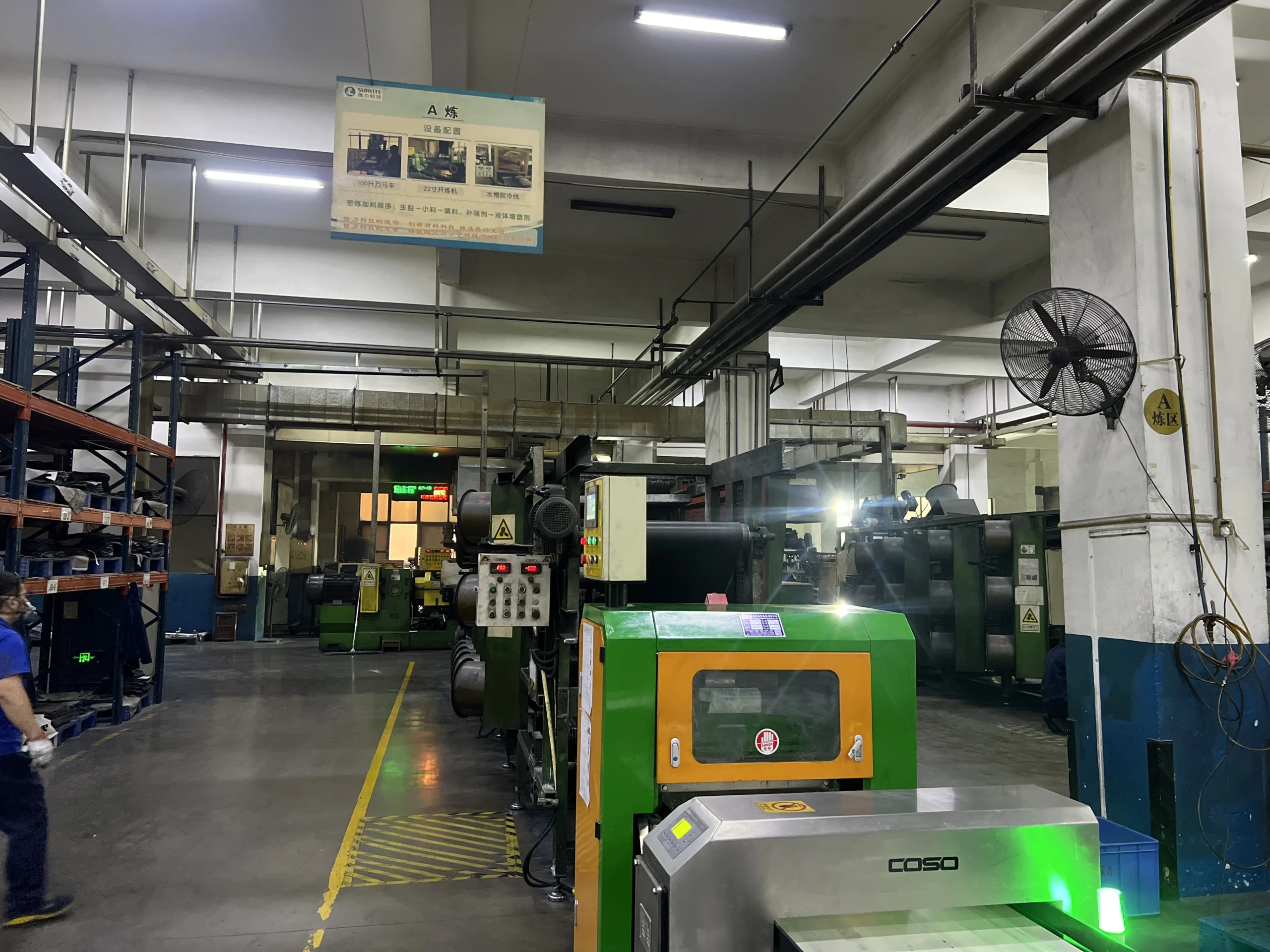
Manufacturers respond with ongoing R&D: new polymers, hybrid gasket designs, and improved manufacturing tolerances help mitigate these problems. Additionally, proper training and supplier collaboration often make the difference between early failure and long-term reliability.
Frequently Asked Questions About Flat O Ring Gaskets
- What materials are best for flat o ring gaskets in high-temperature applications?
- Materials like fluorocarbon (Viton®) and silicone elastomers are often preferred because they retain their sealing properties at high temperatures, sometimes up to 200–300°C. Nitrile is less resistant but good for moderate heat and oils.
- Can flat o ring gaskets be reused after disassembly?
- Generally, it’s recommended to replace gaskets after removal because compression can alter their shape, potentially compromising sealing effectiveness. However, some manufacturers offer reusable designs depending on material and application.
- How do I know the right size and hardness for my gasket?
- Sizing depends on the groove and flange dimensions; hardness relates to the sealing pressure and fluid type. Consulting product datasheets and working with vendors ensures you find the optimal specification for your needs.
- Are flat o ring gaskets environmentally friendly?
- Some gasket materials are bio-based or recyclable, but many rely on synthetic elastomers. Industry is moving toward greener alternatives, but it’s essential to balance environmental concerns with performance and safety.
Flat O Ring Gaskets: A Small Investment with Big Returns
In the long run, choosing the right flat o ring gasket can save considerable money, enhance safety, improve environmental impact, and even support humanitarian efforts where reliable infrastructure means everything. If you’re curious to explore high-quality sealing solutions, don't hesitate to visit our website for detailed specs, vendor options, and consultation.
| Specification | Typical Value | Units |
|---|---|---|
| Material | Nitrile (NBR), Silicone, Viton | - |
| Cross-sectional Thickness | 1.5 - 5.0 | mm |
| Temperature Range | -40 to 230 | °C |
| Hardness (Shore A) | 60 - 90 | - |
| Typical Pressure Rating | Up to 150 | bar |
| Vendor | Material Options | Customization | Certifications | Lead Time |
|---|---|---|---|---|
| SunliteTek | NBR, Silicone, Viton, EPDM | Custom sizes & hardness | ISO 9001, RoHS | 2-3 weeks |
| SealPro | NBR, Viton | Standard sizes only | ISO 14001 | 1-2 weeks |
| GlobalSeal | Silicone, EPDM | Custom compounds available | FDA Compliance | 3-4 weeks |
Final thoughts: The humble flat o ring gasket quietly but reliably keeps countless systems running. Its role might be overlooked but without it, many modern conveniences and critical infrastructure elements would falter. Choosing the right gasket, made from the right materials and trusted vendors, can make all the difference. I guess it’s a reminder that great engineering isn’t always about flashy parts — often, it’s the simple components that hold everything together.
References:
1. Wikipedia - Gasket
2. ISO - Sealing Technology Standards
3. World Bank Infrastructure Data, https://www.worldbank.org/en/topic/infrastructure

Understanding the Flat O Ring Gasket: A Small Part with […]