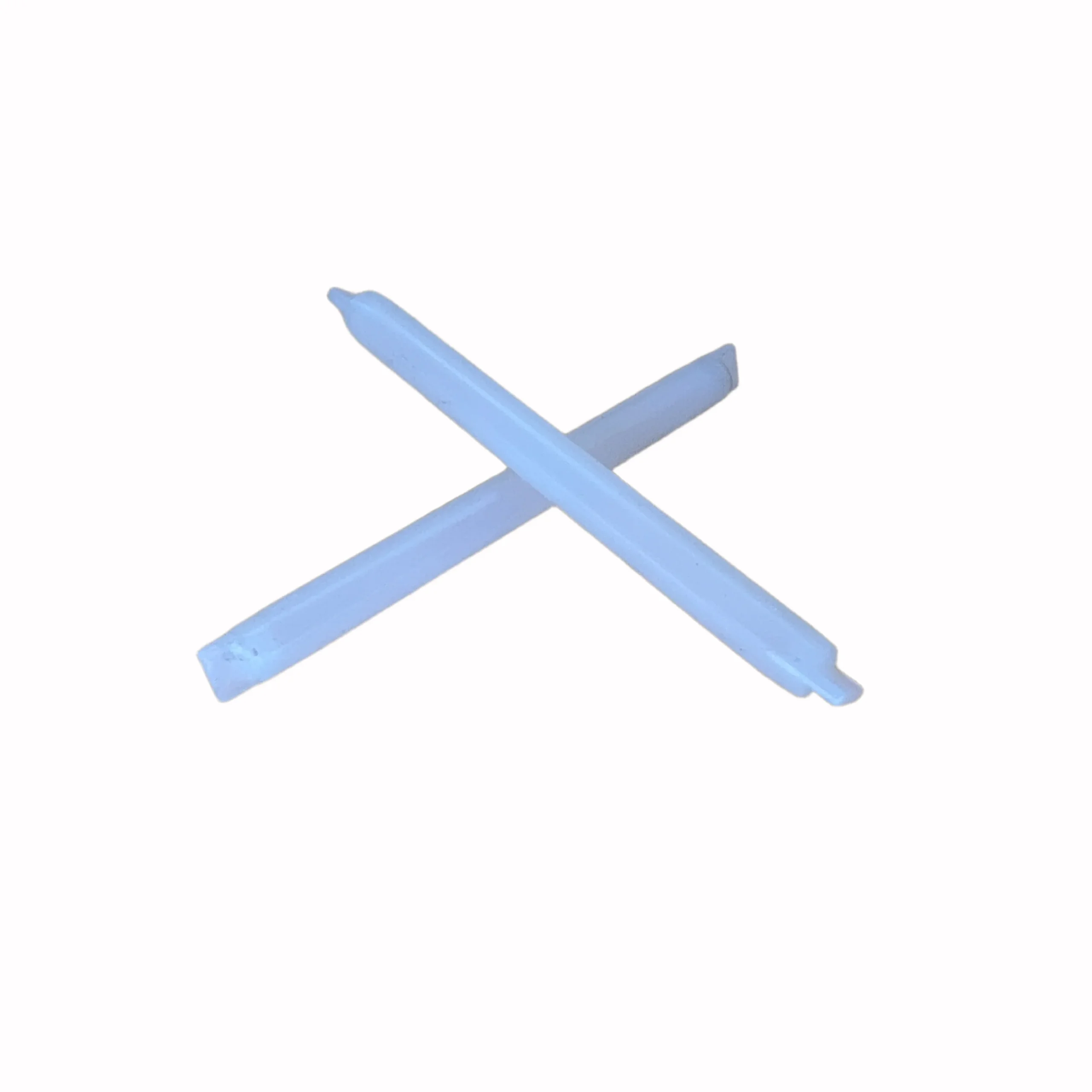
The silent depths of our oceans and the submerged infrastructure of our global economy present some of the most unforgiving environments known to engineering. From the biofouling that accumulates on the hulls of massive container ships to the delicate silt that settles in deep-sea research zones, the need for precise mechanical intervention is paramount. At the forefront of this underwater revolution is a specialized component that bridges the gap between digital intelligence and physical labor: the diving robot roller brush.
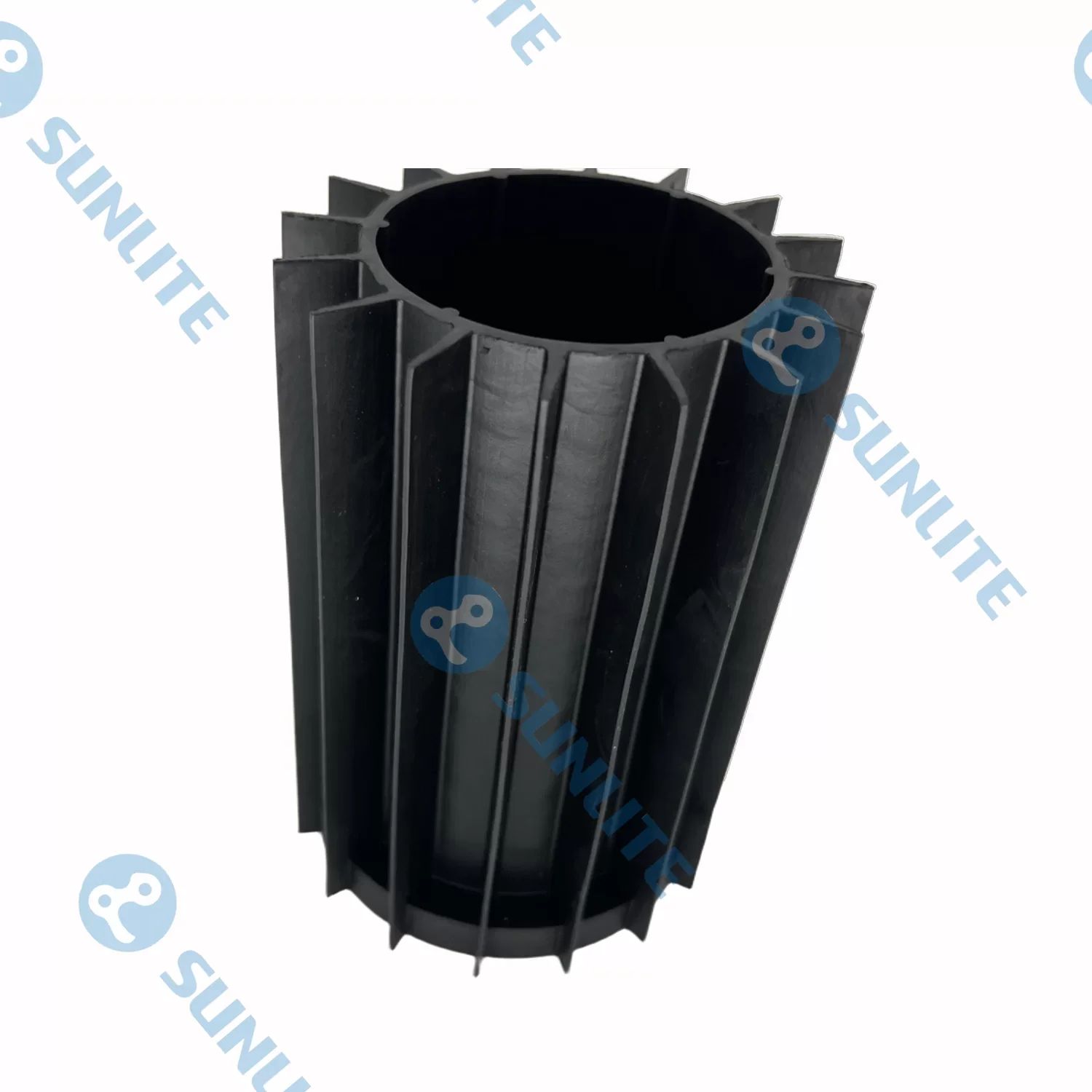
The Hydrodynamic Necessity of the Diving Robot Roller Brush
In an environment where every movement is resisted by the density of water, the efficiency of a robotic cleaner depends heavily on its ability to interact with surfaces without losing its footing or orientation. The introduction of the diving robot roller brush has fundamentally changed how autonomous underwater vehicles and remotely operated vehicles manage surface cleaning. Unlike terrestrial robots, an underwater system must contend with currents and buoyancy, meaning a high-quality roller brush in this context acts not just as a cleaning tool, but as a stabilizing force.
As the brush rotates against a submerged hull or a pipeline, it creates a localized vortex that can actually help pull the robot closer to the work surface. This suction effect, combined with the mechanical agitation of the bristles, allows the robot to perform heavy-duty maintenance tasks that would otherwise require massive amounts of hydraulic downforce. The engineering behind these brushes involves a deep understanding of fluid dynamics, ensuring that the rotation speed does not create cavitation or excessive drag that would drain the robot's limited battery reserves.
Surface Integrity and the Versatile Robot Roller Brush
One of the primary challenges in marine maintenance is the incredible variety of surfaces that require care. A robot may start its mission on a polished fiberglass yacht hull and end it on a rusted steel pylon. The modern robot roller brush is designed with this versatility in mind. Engineers have moved away from one-size-fits-all solutions, opting instead for modular brush filaments that can be tuned to the specific hardness of the substrate.
For sensitive applications, such as cleaning the optical sensors of a deep-sea observatory or the delicate hull of a research vessel, the brush must be soft enough to remove organic film without leaving microscopic scratches. These scratches, while invisible to the naked eye, provide the perfect anchor points for future barnacle growth. By utilizing advanced synthetic fibers that maintain their structural memory even under the crushing weight of several hundred meters of water, the contemporary roller brush ensures a clean finish that actually extends the time between maintenance cycles. This proactive approach to surface management is a cornerstone of modern marine asset protection.
Traction and Torque in the Rubber Roller Brush Robot
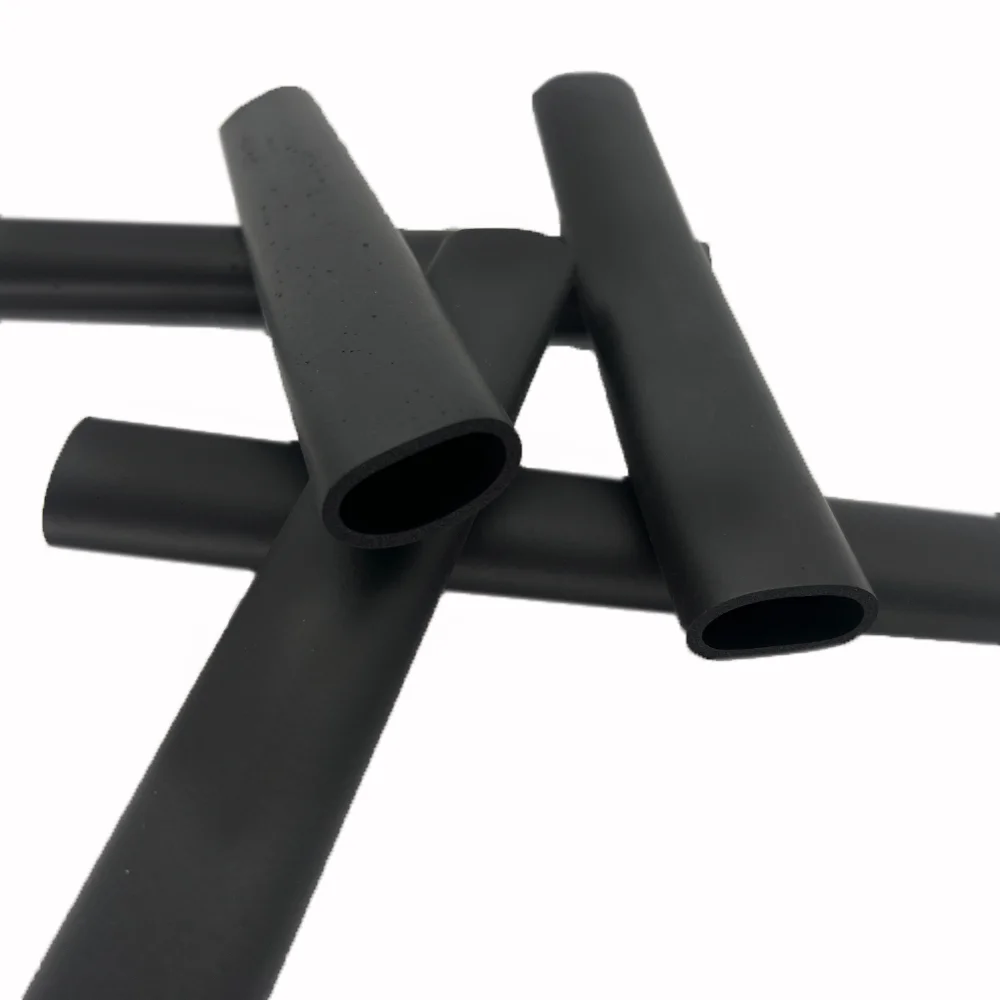
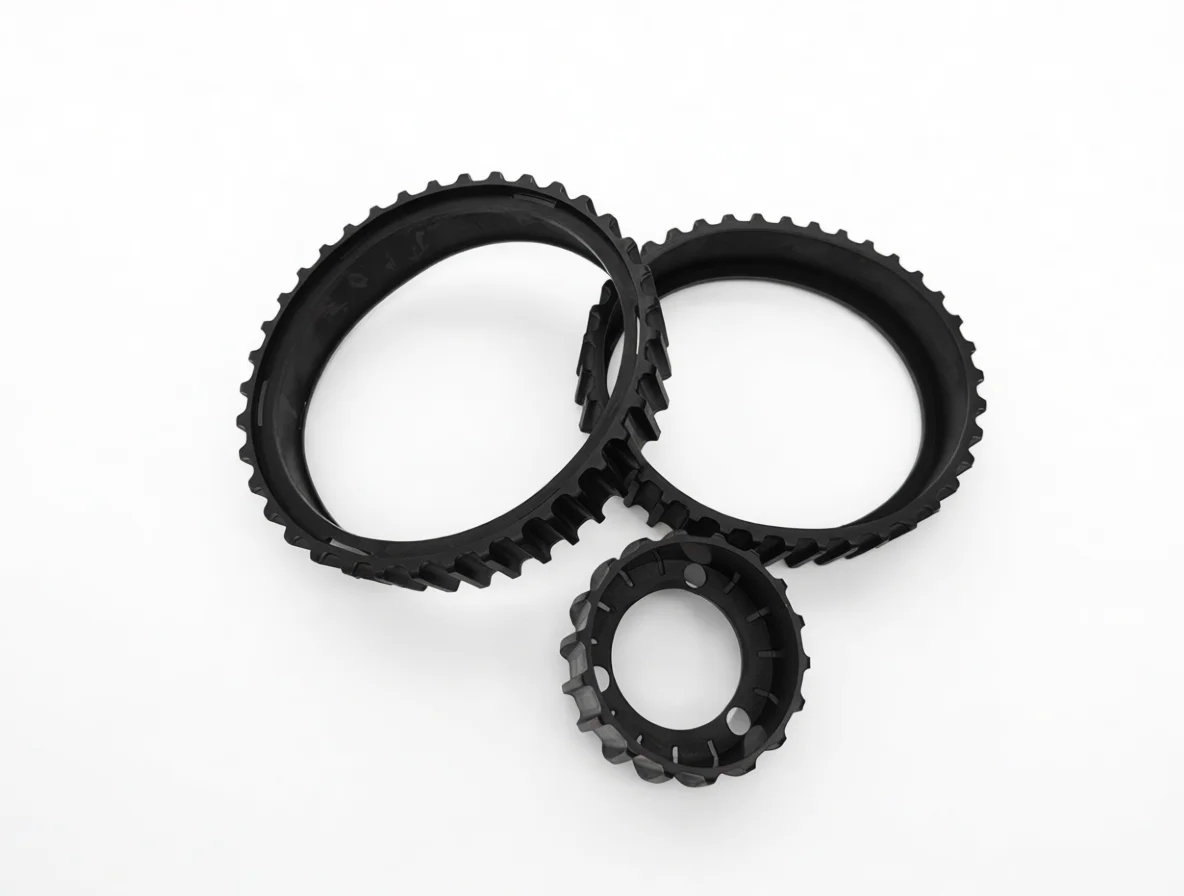
Maintaining a grip on a vertical or inverted surface underwater is a feat of engineering that defies traditional logic. When a surface is covered in a layer of slippery algae or viscous oil, magnetic wheels or vacuum tracks often fail. This is where the rubber roller brush robot excels. By integrating high-friction rubber elements directly into the scrubbing mechanism, designers have created a system where cleaning and locomotion are inextricably linked.
The rubberized components of the roller serve a dual purpose. While the bristles perform the primary task of dislodging debris, the rubber "gills" or vanes provide the necessary friction to propel the robot forward. This is particularly crucial in splash zones—the area of a structure where the waves meet the air—where the water is highly oxygenated and turbulent. In these zones, the rubber roller brush provides a consistent contact patch that absorbs the shock of breaking waves, allowing the robot to continue its work without being swept away. The material science involved here focuses on tackiness that persists in saltwater, a property that requires specialized elastomeric compounds resistant to osmotic pressure and salt crystallization.
Advanced Debris Management with a Roller Brush for Robot Systems
Cleaning an underwater surface is only half the battle; the other half is ensuring that the dislodged material does not contaminate the surrounding environment or clog the robot’s own internal systems. The design of a roller brush for robot applications in the marine sector often incorporates an integrated shroud or collection cowl. As the brush spins, it directs the flow of water and debris into a localized intake area.
This closed-loop scrubbing is essential for environmental compliance, especially when removing toxic anti-fouling paints or invasive species from ship hulls in protected harbors. The mechanical action of the brush is synchronized with the robot's onboard filtration system, creating a miniature clean room environment at the point of contact. This level of control is impossible with traditional high-pressure water jets, which tend to scatter debris in every direction. The precision of the roller brush allows for a surgical approach to maintenance, where only the unwanted material is removed, leaving the underlying protective coatings intact.
The Logic of Movement in the Robot Rolling Brush
The autonomy of an underwater robot is measured by its ability to complete a task with minimal human intervention. To achieve this, the robot rolling brush must be integrated into the vehicle's computer via sophisticated feedback loops. If the brush encounters a particularly stubborn patch of calcareous growth, such as barnacles or tube worms, the robot's sensors detect the increased torque required to maintain the rotation speed.
In response, the robot’s artificial intelligence can adjust the approach angle, slow the forward progression, or increase the pressure of the brush until the obstacle is cleared. This intelligent scrubbing prevents the robot from getting stuck or damaging its motors. Furthermore, the pattern of the rolling brush—whether it is a spiral, a chevron, or a staggered lug design—is chosen based on the robot's primary mission. A chevron pattern, for instance, is excellent at channeling water toward the center of the brush, which increases the efficiency of the suction system. This level of detail in the physical design of the brush is what enables robots to operate for weeks at a time in the vast reaches of the ocean.
The silent depths of our oceans and the submerged infrastructure of our global economy present some of the most unforgiving environments known to engineering.