Select Language
 Understanding Buna N 70: Why It Matters in Today’s Global Landscape
If you’ve ever fiddled with sealing materials, gaskets, or oil-resistant components, chances are you’ve come across buna n 70. But why all the fuss about this specific rubber grade? Well, in industries across the world — from automotive to aerospace, manufacturing plants to even humanitarian aid projects — materials like buna n 70 quietly underpin safety, durability, and cost-efficiency. In a world striving for sustainability, reliability, and innovation, knowing what makes buna n 70 key offers both technical insight and practical advantages.
Global Importance: The Rising Demand for Buna N 70
Buna N 70, a type of nitrile rubber, fits squarely into the global push for resilient materials capable of withstanding harsh environments. According to the International Organization for Standardization (ISO), the industrial rubber market alone has been growing at an annual rate of around 5%. This growth is driven by sectors facing ever-increasing pressure to perform under extreme conditions such as oil and gas extraction, heavy machinery, and even food-grade applications.
Challenges like fluctuating temperatures, exposure to oils, and chemical resistance requirements push designers toward robust solutions like buna n 70. It’s globally relevant because it balances performance and cost where alternatives may either fail or cause price spikes.
Mini Takeaway:
In a nutshell, buna n 70 is vital because it answers the need for a reliable, eco-conscious elastomer that's durable under stress, helping industries meet ISO and environmental benchmarks worldwide.
What Exactly Is Buna N 70?
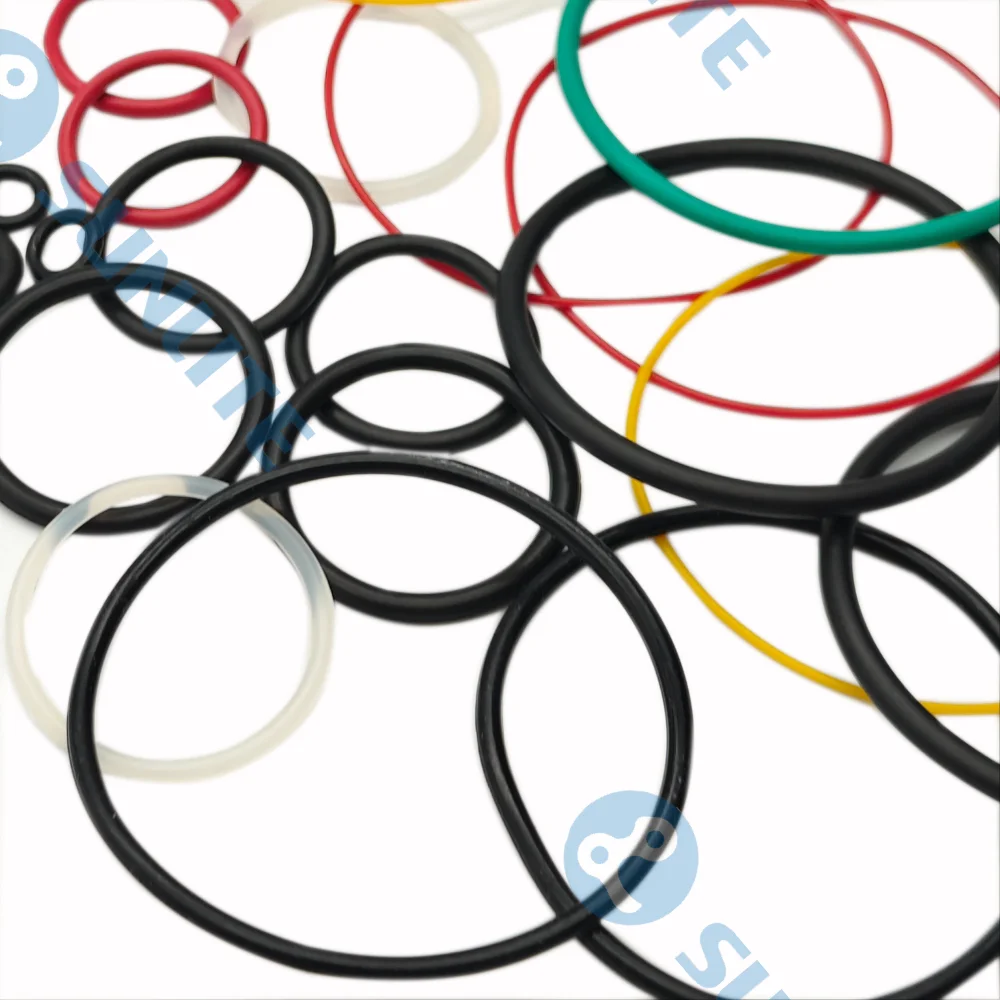
Simply put, buna n 70 is a specific grade of nitrile butadiene rubber (NBR), with “70” typically indicating a Shore A hardness of about 70. For those who don’t live and breathe polymer science, that means it’s firm but flexible — kind of like a well-worn bicycle tire rather than a soft eraser.
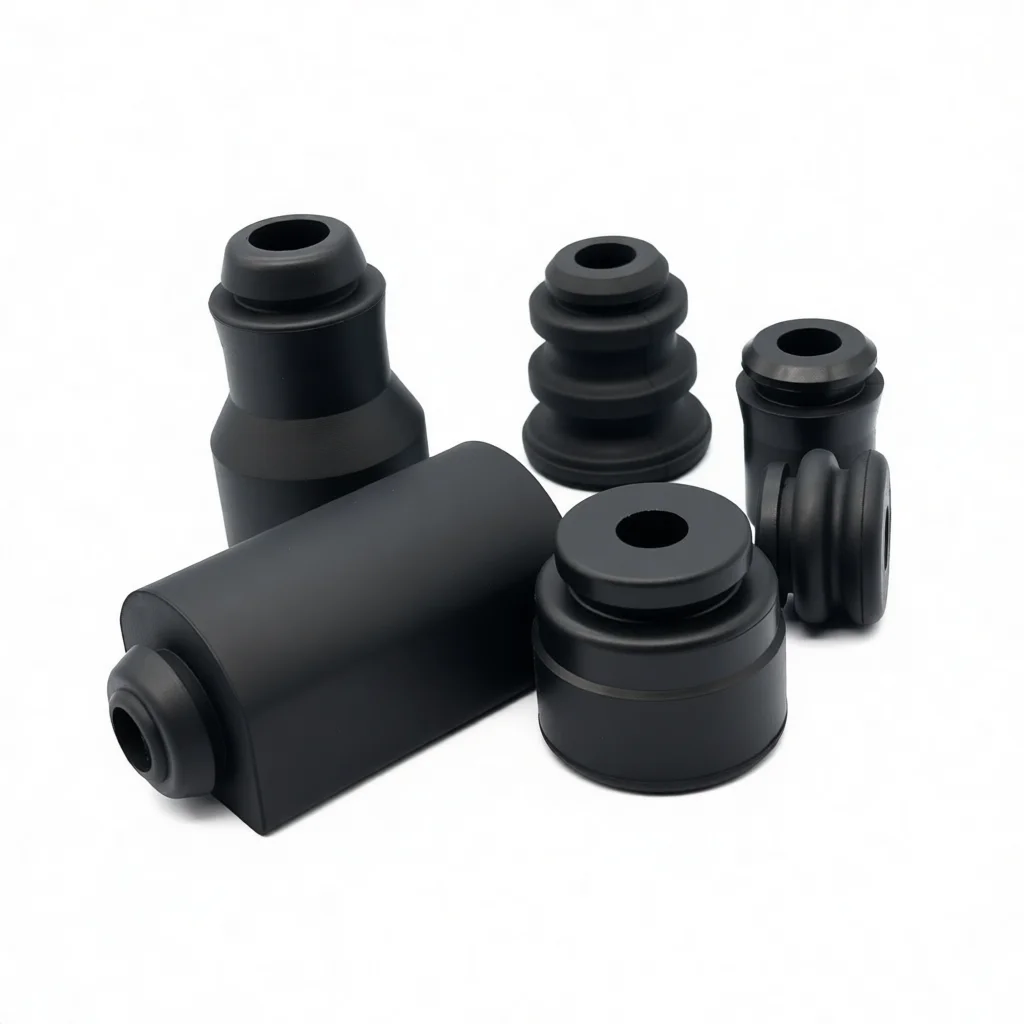
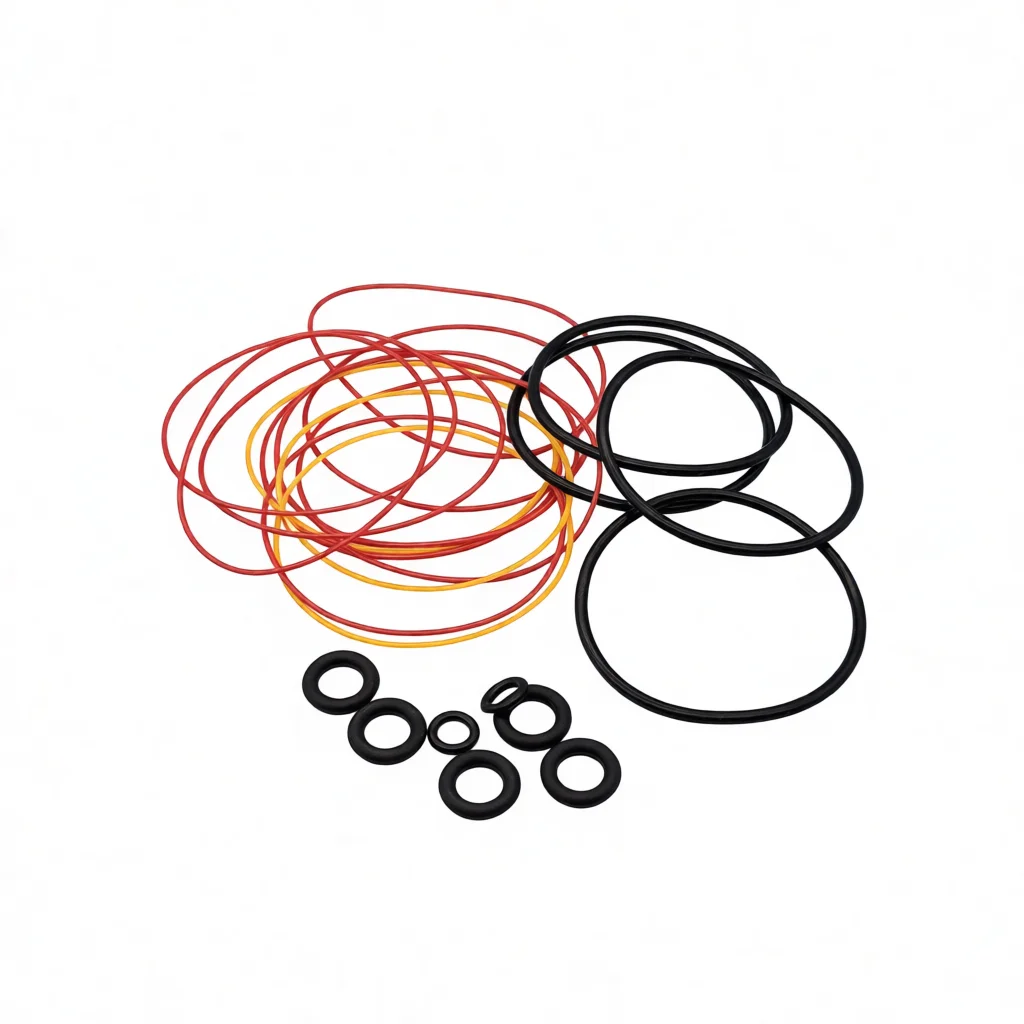
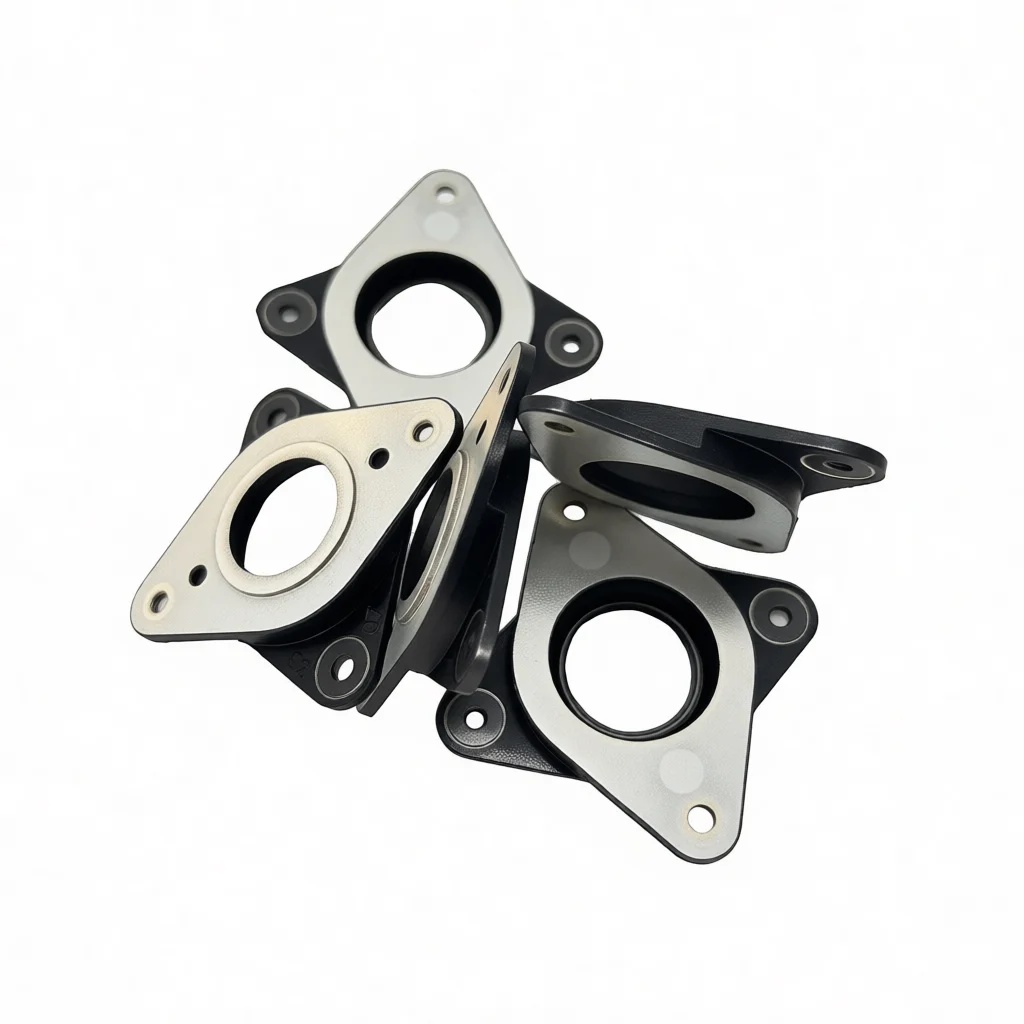
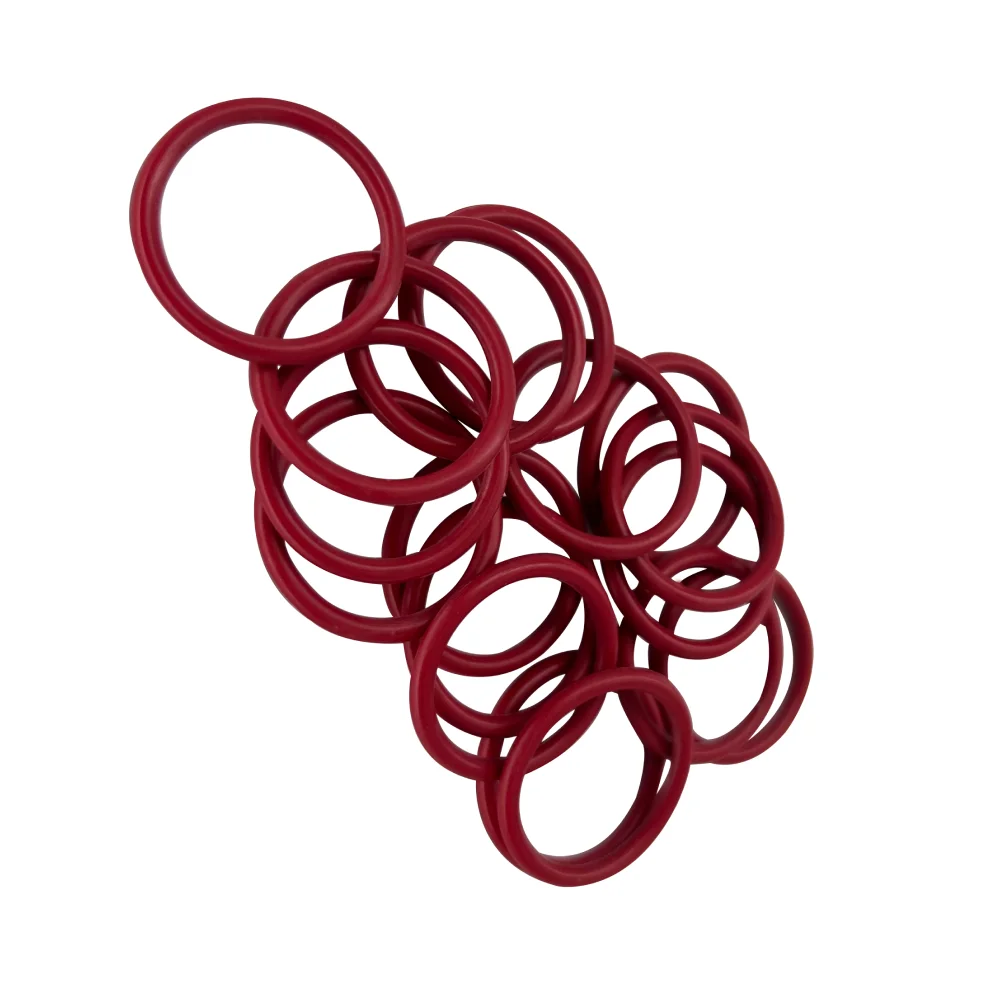
This synthetic rubber is renowned for its resistance to oils, fuels, and certain chemicals, making it a common go-to for gaskets, seals, and hoses in industrial machinery. Its ability to hold up against heat, abrasion, and swelling places it ahead of many natural rubbers in tough settings.
Interestingly, buna n 70 also plays a role in humanitarian contexts. For example, durable rubber seals in portable water systems or medical devices can mean the difference between quick recovery or malfunction after emergencies.
Mini Takeaway:
Buna n 70 is your classic tough rubber — firm, resilient, and oil-resistant. Its broad utility bridges everyday technical gear and critical emergency equipment alike.
Key Characteristics of Buna N 70
Durability
One of the biggest draws of buna n 70 is its wear resistance. It stands up exceptionally well to abrasion and repeated mechanical stresses. Many engineers report it lasts significantly longer than alternative rubbers in pipelines or automotive seals.
Oil and Fuel Resistance
Where many materials degrade quickly, buna n 70 holds its ground. Its chemical structure repels penetration and swelling by oils and petroleum products, which is critical for automotive gaskets and industrial hoses.
Temperature Stability
This material comfortably endures from roughly -30°C up to 110°C (about -22°F to 230°F), covering most operations that don’t involve extreme supercooling or overheating.
Cost Efficiency
Compared to specialty elastomers, buna n 70 is affordable, striking a clever balance between quality and budget. This is key for industries needing to scale production without sacrificing reliability.
Customization
Manufacturers can tweak formulation additives to optimize färb for specific applications, tapping into versatility without reinventing the wheel — or the polymer chain.
| Property | Typical Value | Notes |
|---|---|---|
| Shore A Hardness | 70 | Firm but flexible |
| Temperature Range | -30°C to 110°C | Suitable for most industrial uses |
| Oil Resistance | Excellent | Keeps integrity in engines and hydraulic systems |
| Tensile Strength | 11 MPa | Handles mechanical load well |
| Elongation at Break | 400% | Flexible under strain |
Global Applications: Where and How Buna N 70 Is Making a Difference
You’ll find buna n 70 in everything from automotive seals protecting your car’s engine to aerospace components required to endure pressure and chemical exposure at altitude. In remote industrial zones like Siberian oilfields or offshore rigs, the material keeps equipment reliable under unforgiving circumstances.
In humanitarian work, organizations rely on buna n 70 components for robust water pumps and seals in emergency shelters – often sourced through partners like buna n 70 specialists. These small but mighty parts prevent leaks, contamination, and downtime when every minute counts.
In fact, companies servicing food production use food-grade variants of nitrile rubber for sanitary seals — demonstrating just how adaptable buna n 70 can be.
Mini Takeaway:
Buna n 70’s versatility spans continents and industries, from Arctic oil to tropical relief camps, proving that durability and safety don’t have to come at a premium.
Advantages and Long-Term Value of Buna N 70
- Cost Savings: Longer lifespan reduces replacement frequency and downtime.
- Sustainability: Resistant materials mean less waste and fewer resources consumed over time.
- Safety: Reliable seals prevent leaks and contamination — a big deal in both industrial and medical settings.
- Trustworthiness: Known performance certifies supplier credibility to end-users.
Honestly, it’s rare to find a material that aligns so well with commercial, environmental, and ethical priorities simultaneously.
Emerging Trends: What’s Next for Buna N 70 and Similar Elastomers?
Materials science never sleeps. Researchers are working on greener formulations with bio-based polymers replacing some petroleum content. Meanwhile, additive manufacturing, or 3D printing, opens doors to rapid prototyping of customized elastomeric components tailored for specific applications.
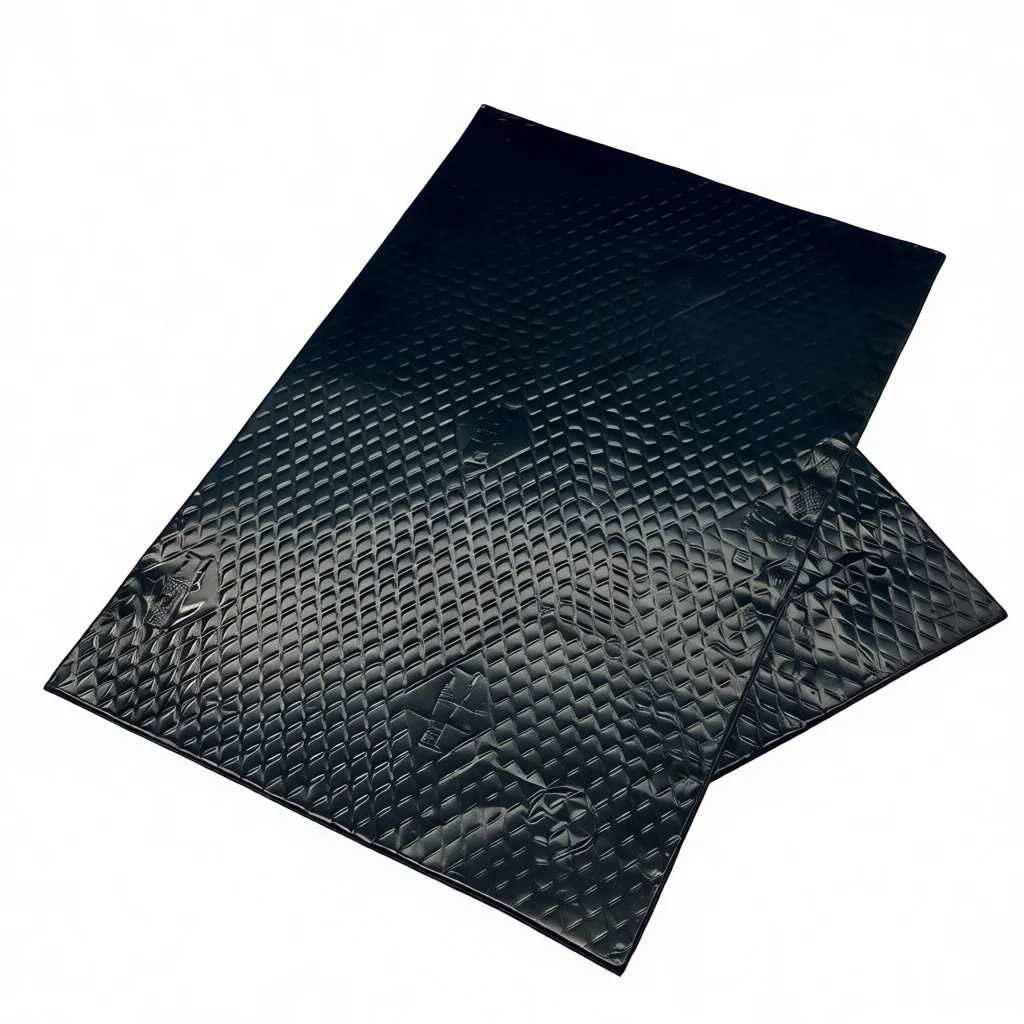
Digitally enhanced quality control systems now detect even microscopic defects in rubber sheets, ensuring better consistency. Policies pushing for carbon neutrality are likely to accelerate demand for sustainable variants of buna n elastomers.
Challenges and Innovative Fixes in Using Buna N 70
Of course, nothing’s perfect. One limitation has been its performance under very low temperatures, where it can stiffen and crack. But new plasticizers and polymer blends are starting to improve this aspect.
Another hurdle lies in recycling rubber compounds effectively; ongoing research aims to make both manufacturing and end-of-life processing more circular.
Comparing Leading Buna N 70 Vendors
| Vendor | Product Range | Customization Options | Lead Time | Sustainability Certifications |
|---|---|---|---|---|
| Sunlite Tek | Standard & food-grade buna n 70 | Full compound customization | 2-3 weeks | ISO 14001 |
| PolymerWorks Inc. | Industrial grades, high-temp blends | Limited | 4-6 weeks | None |
| EcoRubber Solutions | Bio-based buna n alternatives | Moderate | 3-5 weeks | ISO 14001, REACH Compliant |
FAQ: Common Questions About Buna N 70
What’s the difference between buna n 70 and other nitrile rubbers?
Buna n 70 refers mainly to the hardness rating—70 Shore A—making it a firm yet flexible elastomer. Other nitrile rubbers can be softer or harder depending on the application, often tailored for specific temperature or chemical resistance needs.
How long does buna n 70 typically last in industrial applications?
When properly installed, buna n 70 seals and components can last 5 to 10 years depending on exposure to oils, temperature fluctuations, and mechanical wear. Proper maintenance can extend this lifespan.
Is buna n 70 environmentally friendly?
Traditional buna n 70 is petroleum-based, but manufacturers are increasingly developing bio-based formulations to reduce environmental impact. Certifications like ISO 14001 indicate sustainable production practices.
Can NGOs source buna n 70 components internationally without issues?
Yes, many suppliers, including sunlitetek.com, provide global shipping with compliance to international regulations and certifications, ensuring smooth import and use in humanitarian projects.
Are there limitations of using buna n 70 in extreme environments?
While great for most moderate conditions, buna n 70 can become less flexible at very low temperatures and may degrade faster if exposed to certain strong chemicals. Specialized blends can help mitigate these issues.
Final Thoughts: Why Buna N 70 Should Be on Your Radar
At the crossroads of durability, versatility, and sustainability, buna n 70 has carved a niche as a dependable elastomer for modern industry and humanitarian needs alike. Whether you’re optimizing machinery seals, designing medical devices, or outfitting emergency kits, its proven track record and evolving innovations make it worth a second look. If you want to explore reliable buna n 70 products, I highly recommend checking out Sunlite Tek, where customization and eco-friendly options are just part of the package.
After all, in the rubber world, it pays to pick a material that’s both tough and thoughtfully designed — a bit like the professionals using it.
References

Understanding Buna N 70: Why It Matters in Today’ […]