Select Language


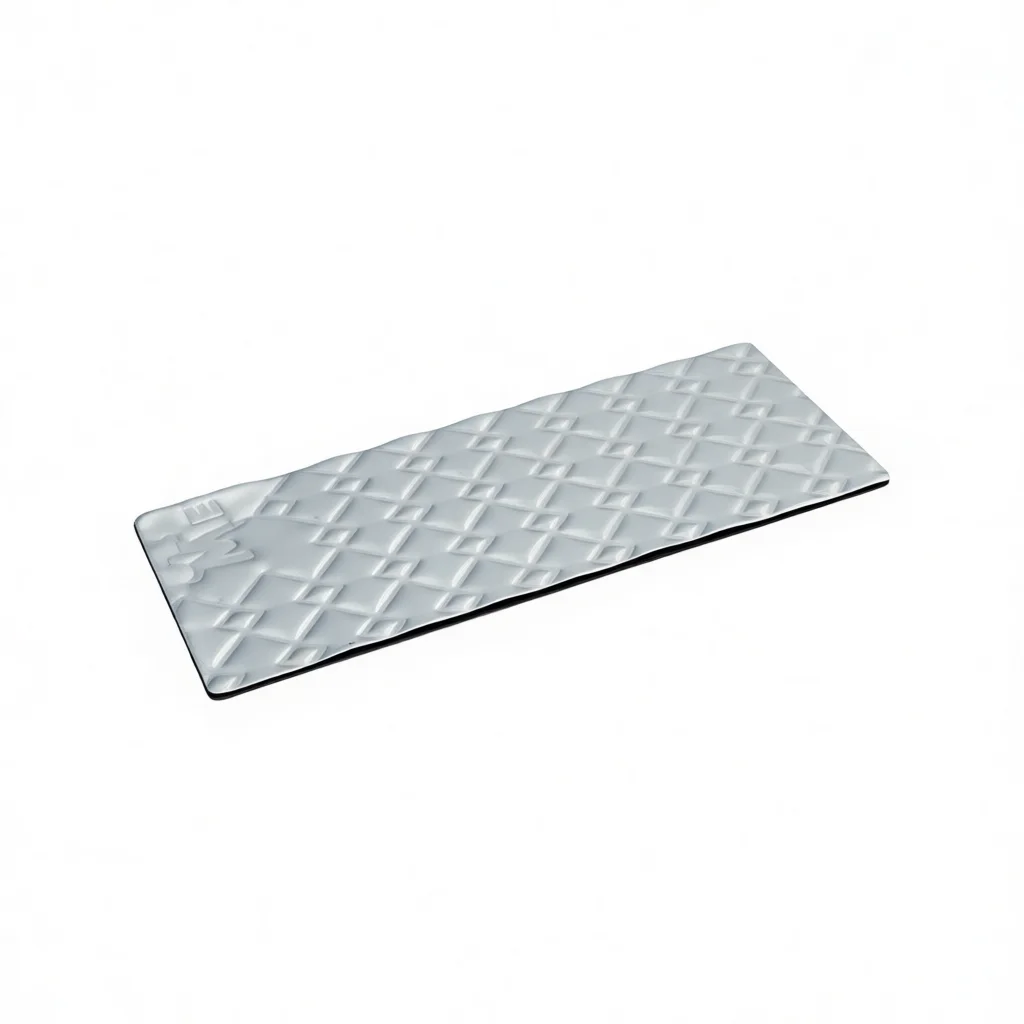
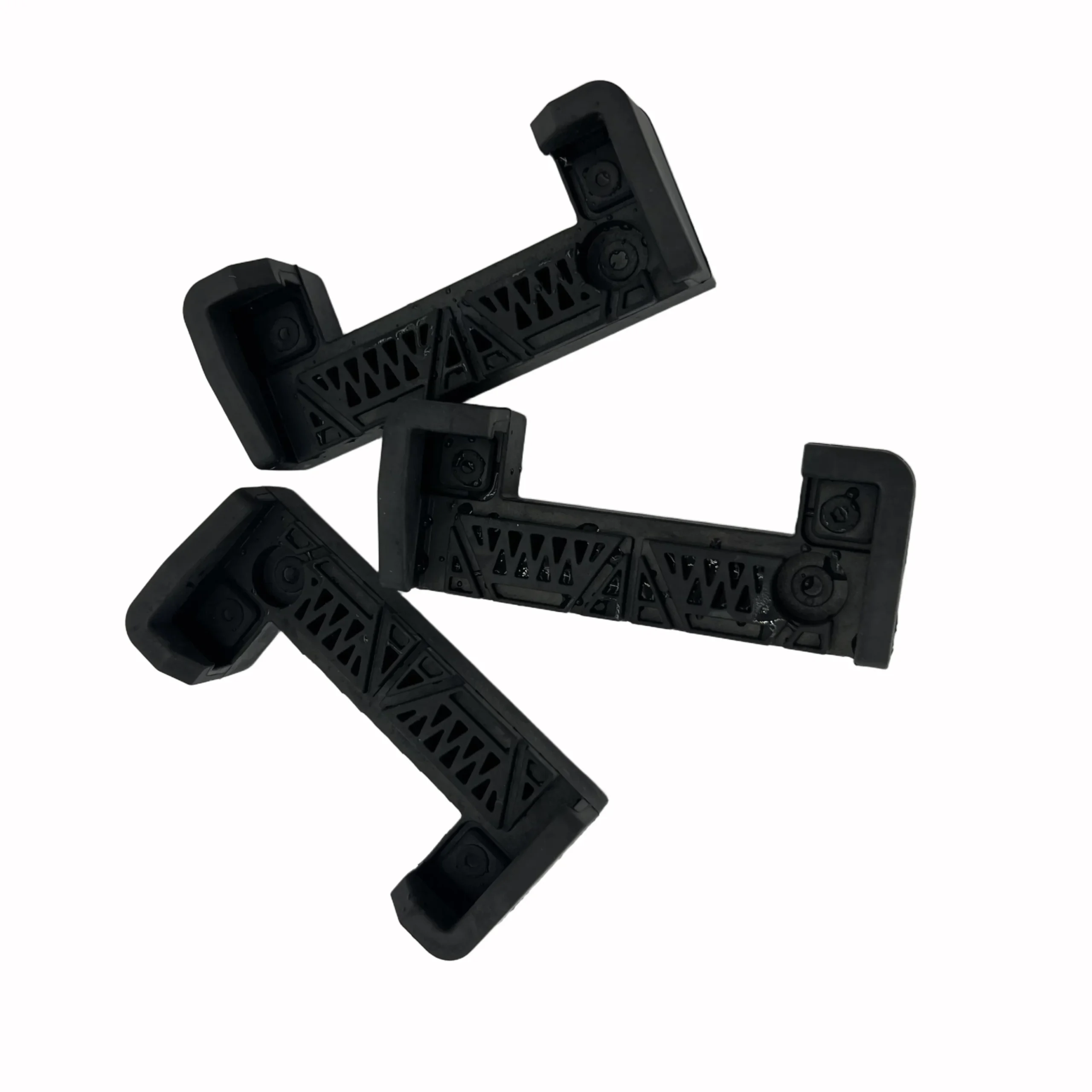
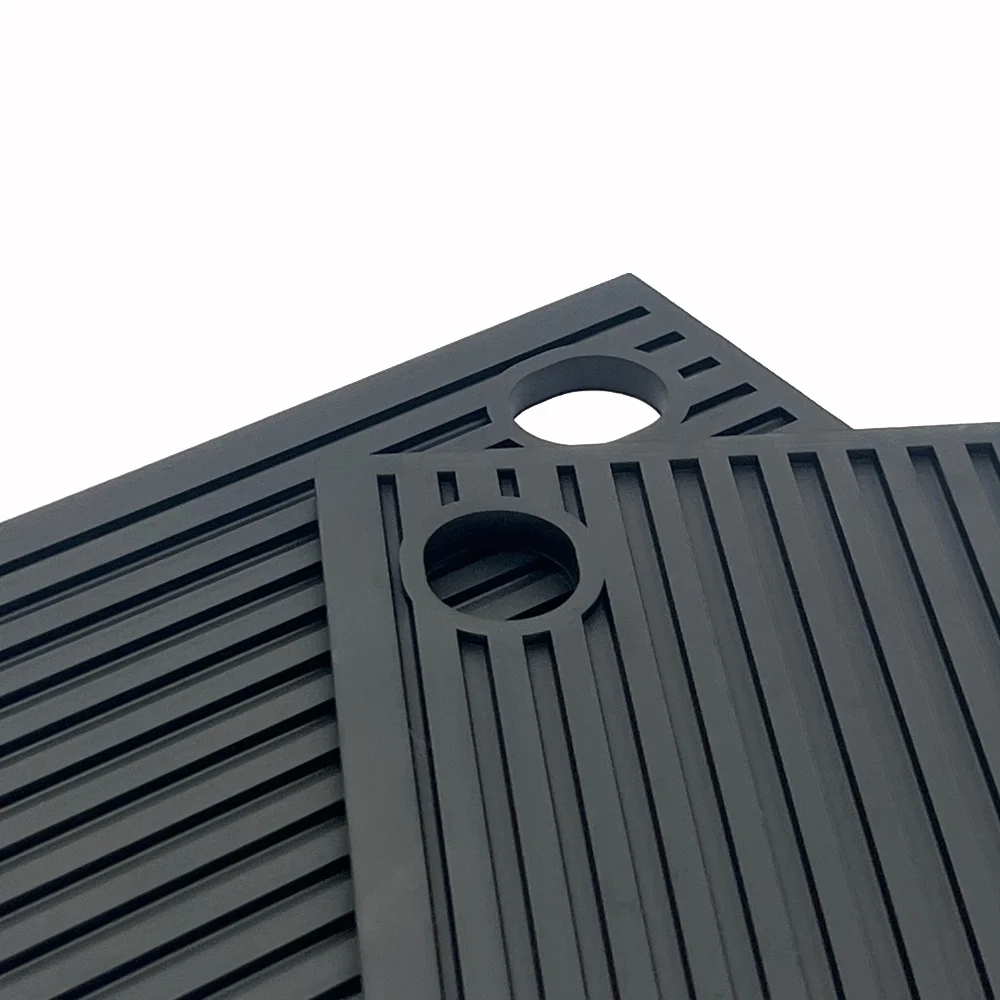
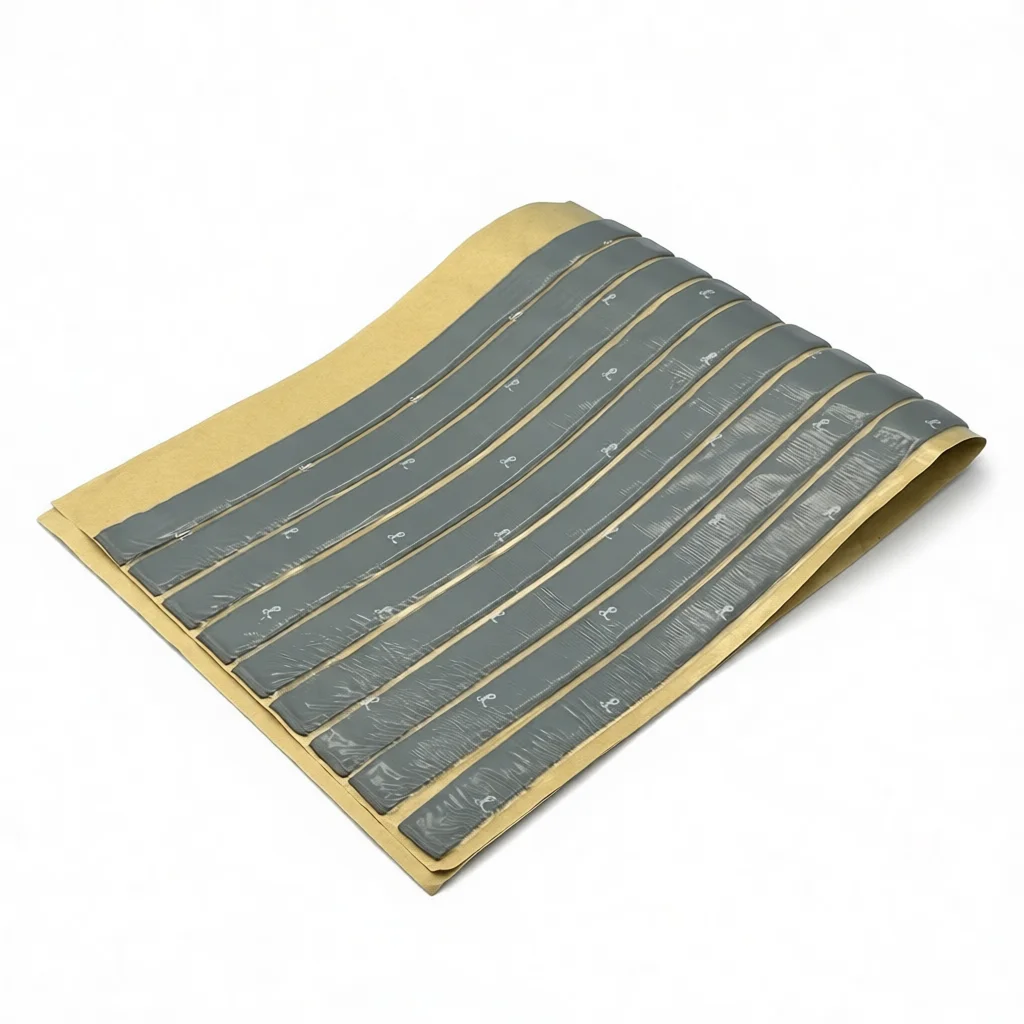
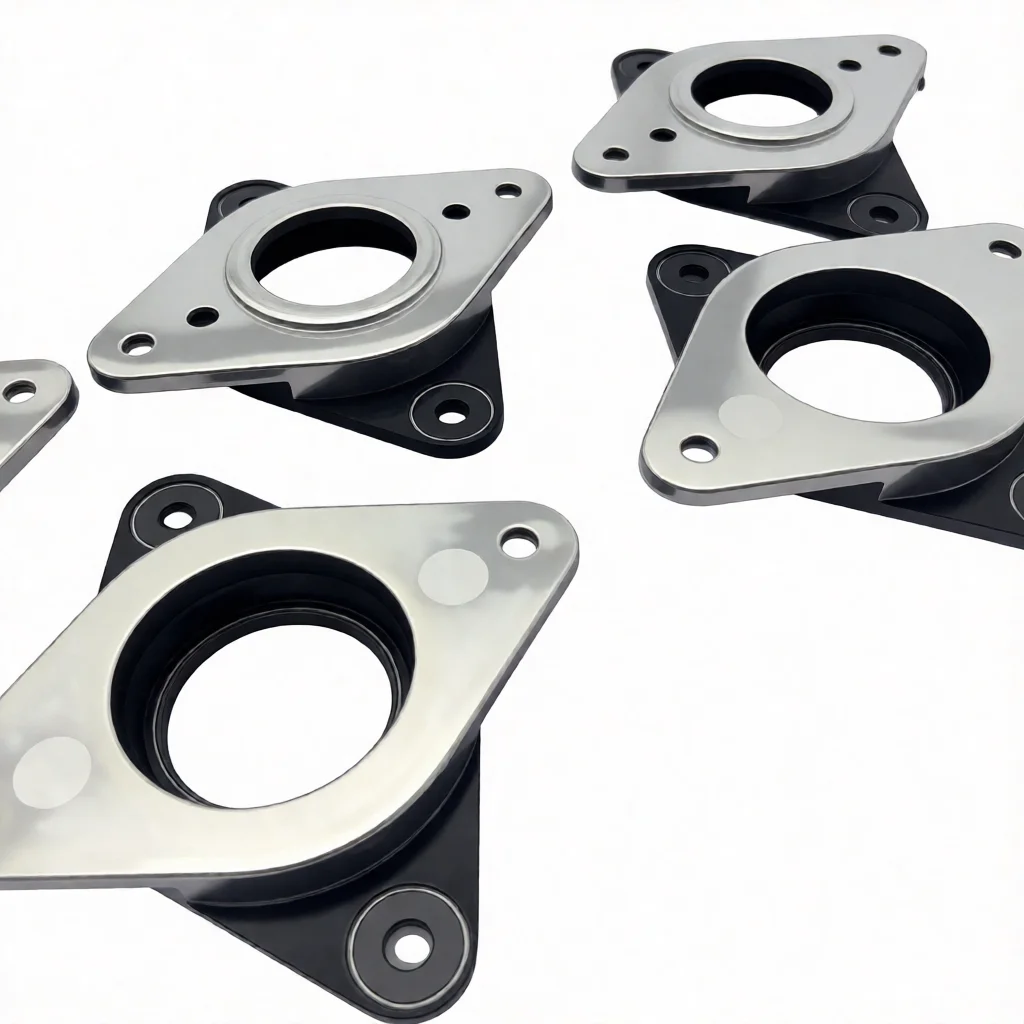
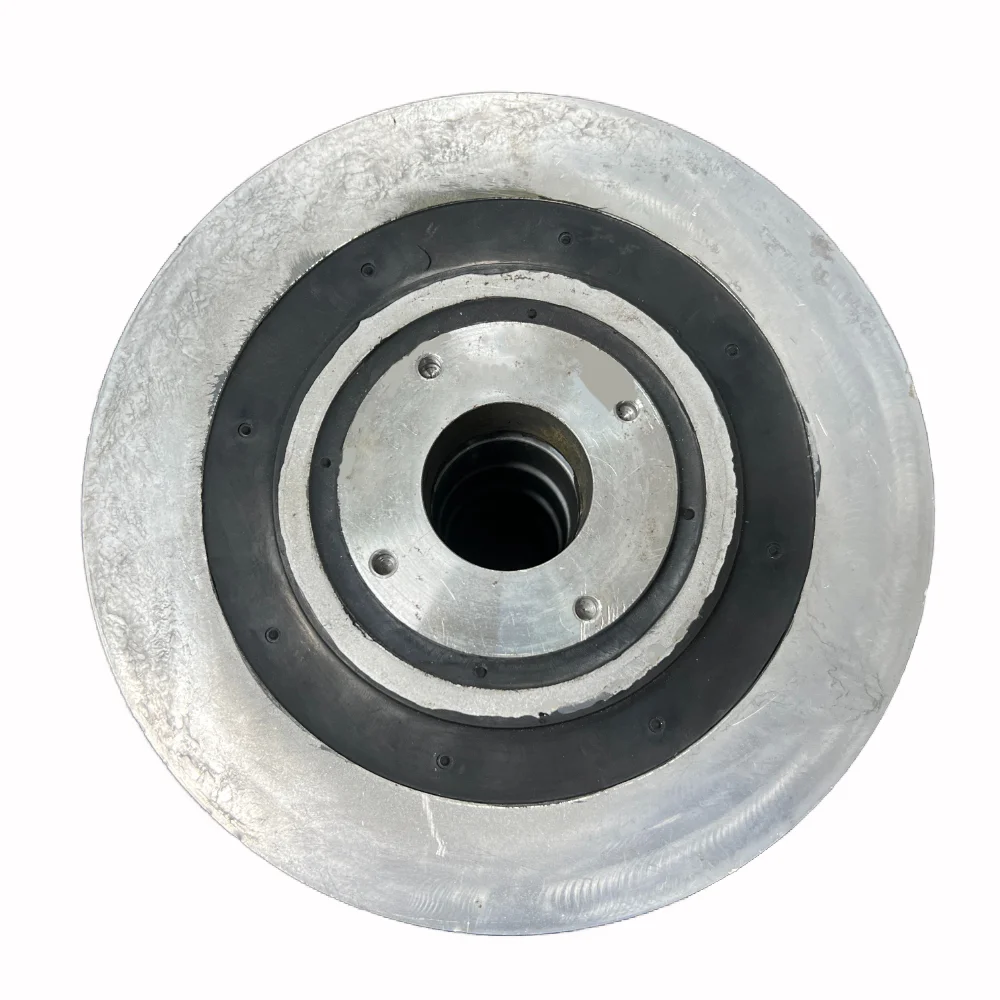
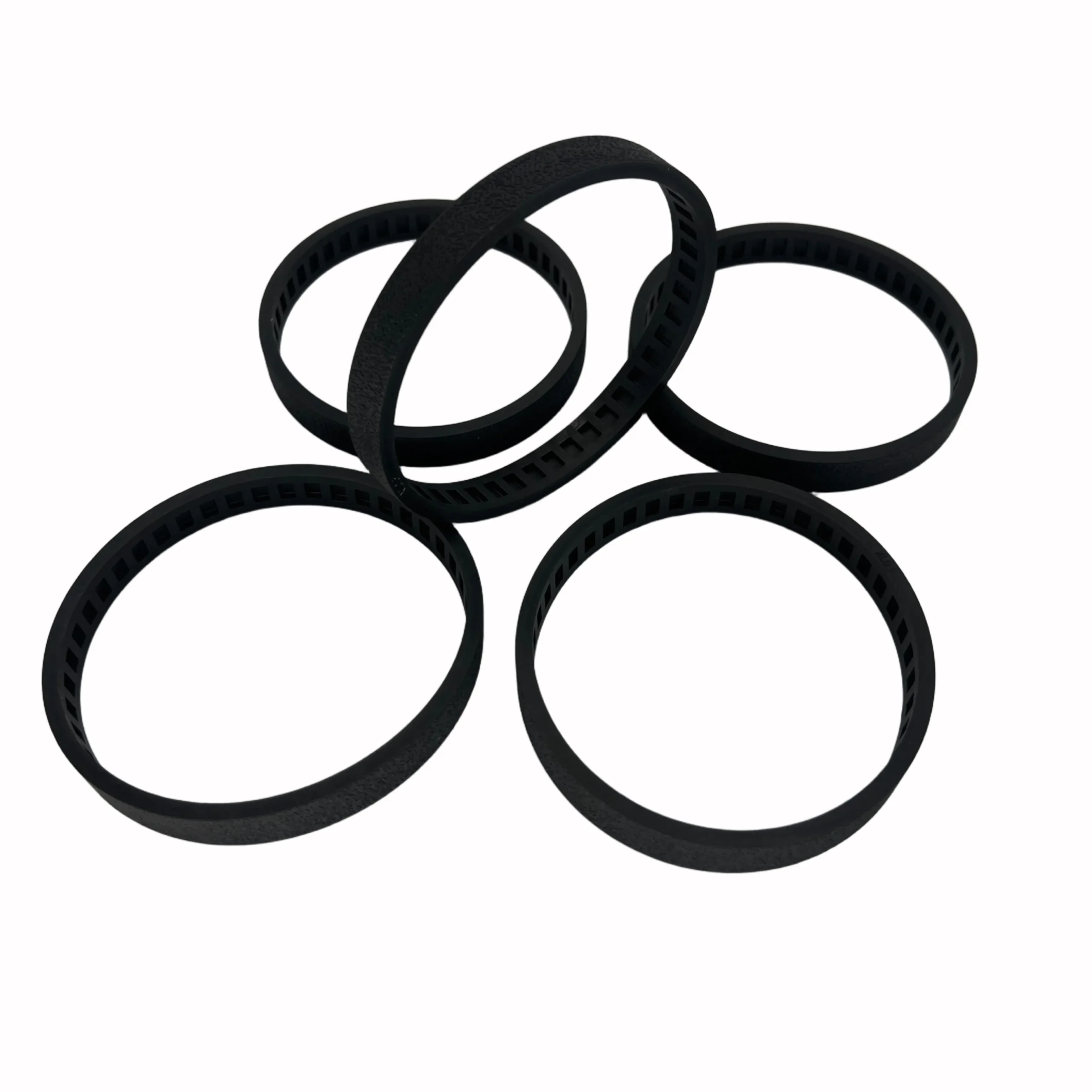
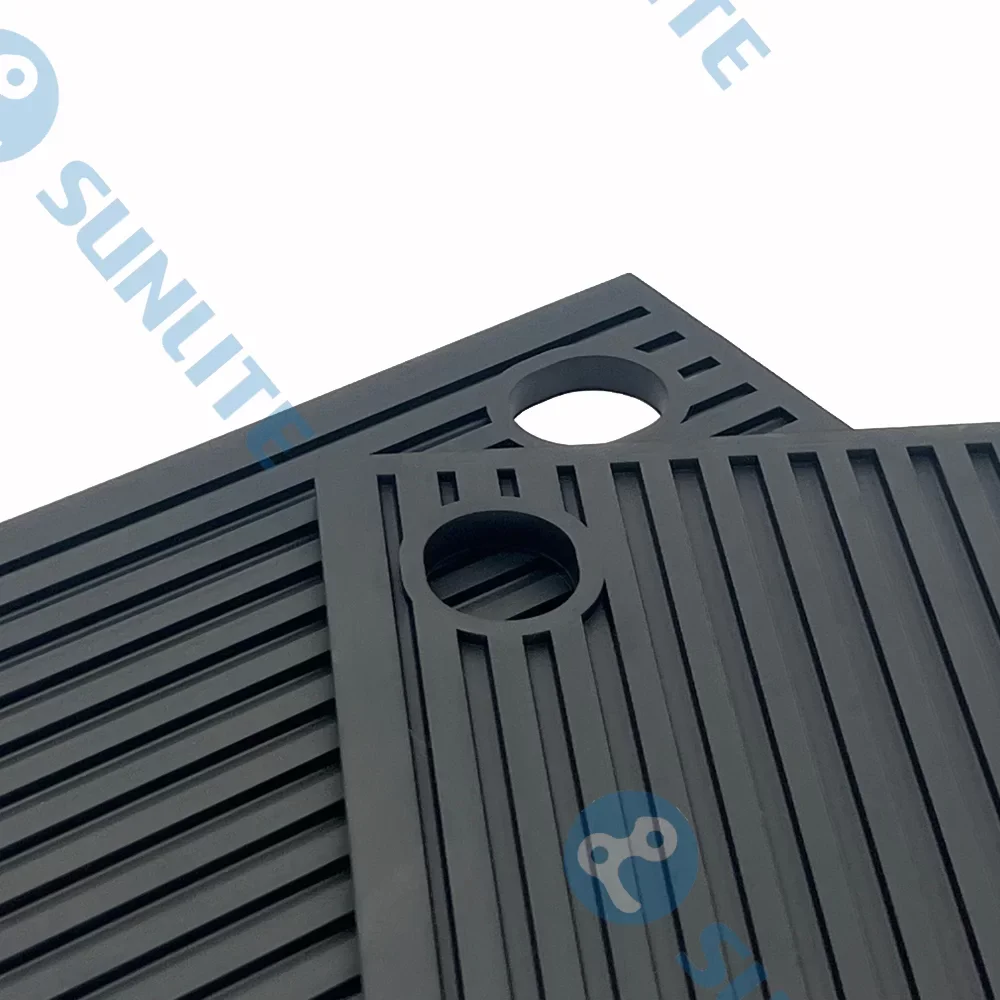
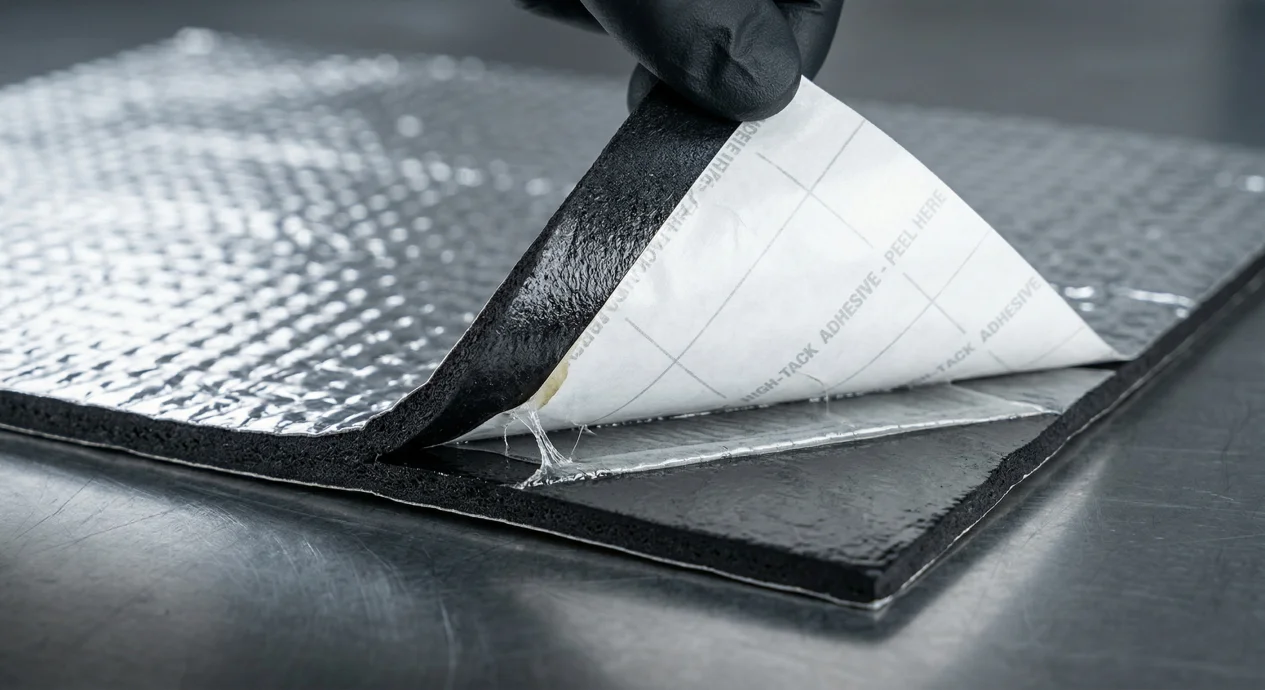
Our premium Butyl Rubber (IIR) Damping Blocks are engineered for high-performance vibration isolation and noise reduction. Utilizing a specialized extrusion non-vulcanization moulding process, these semi-solid components offer exceptional viscoelastic properties, making them an ideal solution for interrupting the transmission of mechanical shock waves and disruptive noise in demanding industrial environments.
Designed for versatility and reliability, these damping solutions provide a dual-function advantage by combining superior vibration absorption with robust sealing capabilities. Whether integrated into HVAC cooling pipe systems, automotive chassis, or rail transit equipment, our damping blocks ensure long-term operational stability and environmental compliance, meeting the strictest global industrial standards.
| Base Material | Butyl Rubber (IIR) | Material Density | 1.5g/cm³ ~ 2.7g/cm³ |
|---|---|---|---|
| Manufacturing Process | Extrusion Non-Vulcanisation Moulding | Physical State | Semi-solid / Viscoelastic |
| Damping Performance | Rapid Vibration Wave Absorption | Sealing Capability | High-Strength Adhesion |
| Environmental Compliance | RoHS and REACH Compliant | Toxicity | Non-toxic and Odourless |
| Chemical Resistance | Non-corrosive | Customization | Available upon request |
High internal friction of IIR effectively converts mechanical energy into low-level heat, suppressing impact noise.
Resistant to weathering and chemicals, ensuring consistent performance over extended operational lifecycles.
Bonds firmly to metal and plastic surfaces without the need for additional mechanical fasteners.
Simultaneously reduces noise and prevents air or moisture leakage in critical building and machine gaps.
Non-toxic, odourless, and non-corrosive composition meeting green environmental health standards.
Optimized for rail transit, automotive, HVAC, and high-end home appliance manufacturing.


Strict monitoring of Butyl Rubber purity to ensure consistent viscoelasticity across all batches.
Advanced non-vulcanization moulding for precise semi-solid dimensions and structural integrity.
Full traceability for RoHS and REACH certifications to guarantee global environmental safety.
Rigorous surface bonding tests on various metals and polymers to ensure zero-slip performance.
Tailored density and shape adjustments to meet specific industrial vibration frequencies.
Continuous analysis of noise reduction decibel levels in real-world application scenarios.
| Feature | Traditional Vulcanized Rubber | Butyl Rubber Damping Block |
|---|---|---|
| Damping Efficiency | Moderate / Rigid | Exceptional / Viscoelastic |
| Installation Cost | High (Mechanical Fasteners) | Low (Self-Adhesive) |
| Sealing Performance | Basic Gap Filling | Hermetic Air/Moisture Seal |
| Environmental Impact | Potential VOCs | RoHS/REACH Compliant |
| Service Life | Prone to Hardening | Stable Long-term Flexibility |
Butyl rubber (IIR) possesses higher internal friction and a unique viscoelastic structure, which allows it to dissipate mechanical energy as heat more efficiently than natural rubber, leading to superior noise reduction.
No, our damping blocks are manufactured via a non-vulcanization process that results in a semi-solid state with strong inherent adhesive properties, allowing them to bond directly to most material surfaces.
They are particularly effective when applied to cold air delivery pipes and between the chassis of indoor and outdoor units to stop compressor vibrations from transmitting through the building structure.
Yes, they are non-toxic, odourless, and compliant with RoHS and REACH standards, ensuring they are safe for use in homes, offices, and public spaces.
Yes, butyl rubber is known for its excellent resistance to heat and weathering, allowing the damping block to operate stably across a wide range of industrial working conditions.
Absolutely. We provide comprehensive customization services to adjust material density (from 1.5 to 2.7g/cm³) and dimensions to meet your specific engineering requirements.