Select Language
 Understanding Fluorine Rubber O Rings: A Small Component with Global Impact
If you’re not deep into industrial sealing solutions, "fluorine rubber o ring" might sound like a mouthful of jargon. Yet, these tiny, flexible rings pack a punch in ensuring machinery runs smoothly worldwide — from aerospace to pharmaceuticals, even sustainable energy systems. Why should we care? Because, frankly, these little rings keep our industries leak-proof, resilient, and safe, often in extreme environments. Understanding their role is not just for engineers but for anyone interested in how reliability and durability find their way into the products we depend on daily.
Fluorine Rubber O Rings – Global Context and Growing Demand
The global market for fluorine rubber products was valued at over $4 billion in 2022 and continues to grow steadily, driven by ever-increasing industrial complexity. According to ISO standards on sealing solutions, these O rings are crucial in preventing leaks under high pressure and extreme temperatures. Whether it’s nuclear power plants in Europe, semiconductor manufacturing in Asia, or deep-sea oil drilling in the Americas, fluorine rubber o rings are frontline defenders against system failure.
One challenge commonly faced is maintaining seal integrity under harsh chemical and temperature conditions, especially in industries pushing innovation. The reputation of the infrastructure depends significantly on components like these, which surprisingly, often go unnoticed — until they fail.
What Exactly Is a Fluorine Rubber O Ring?
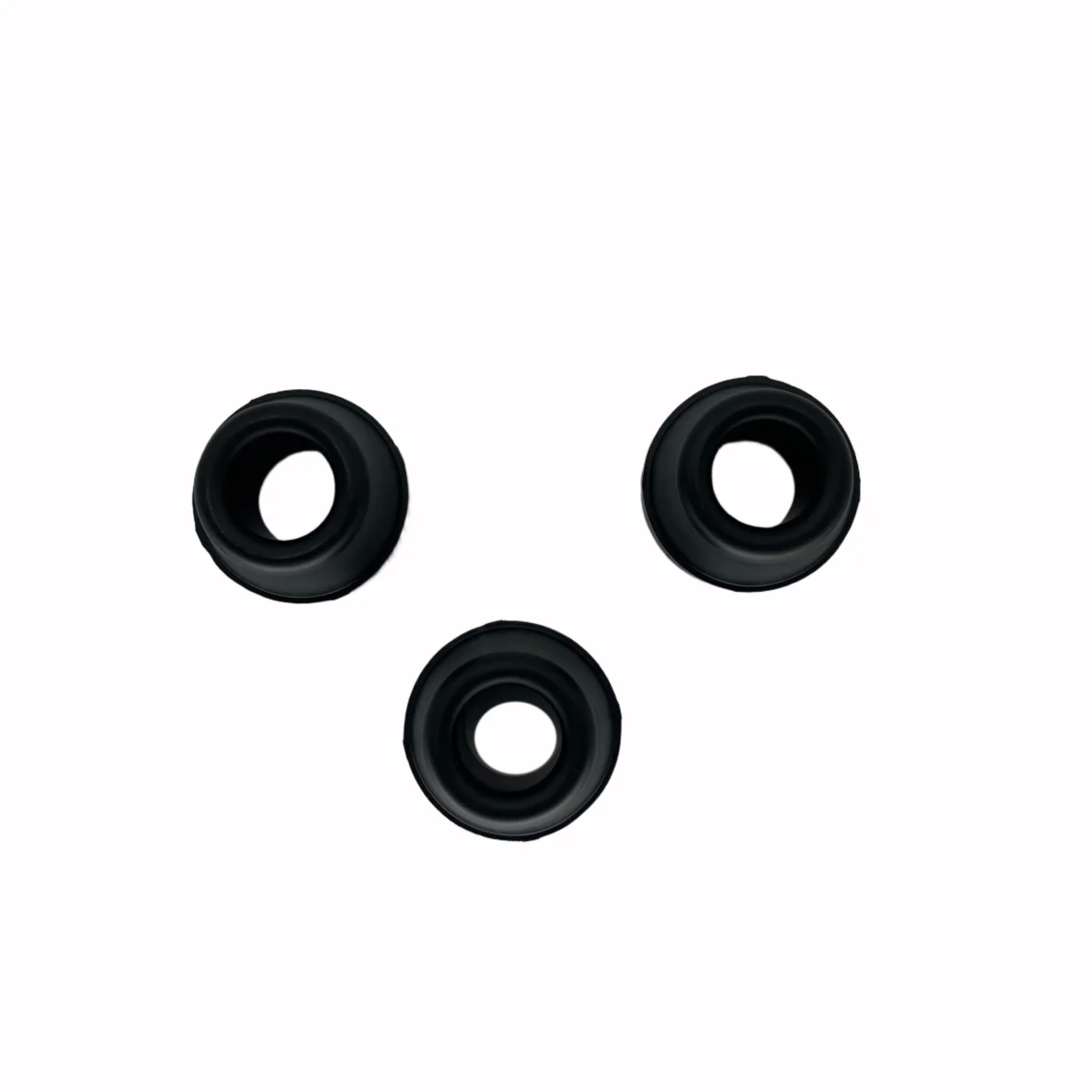
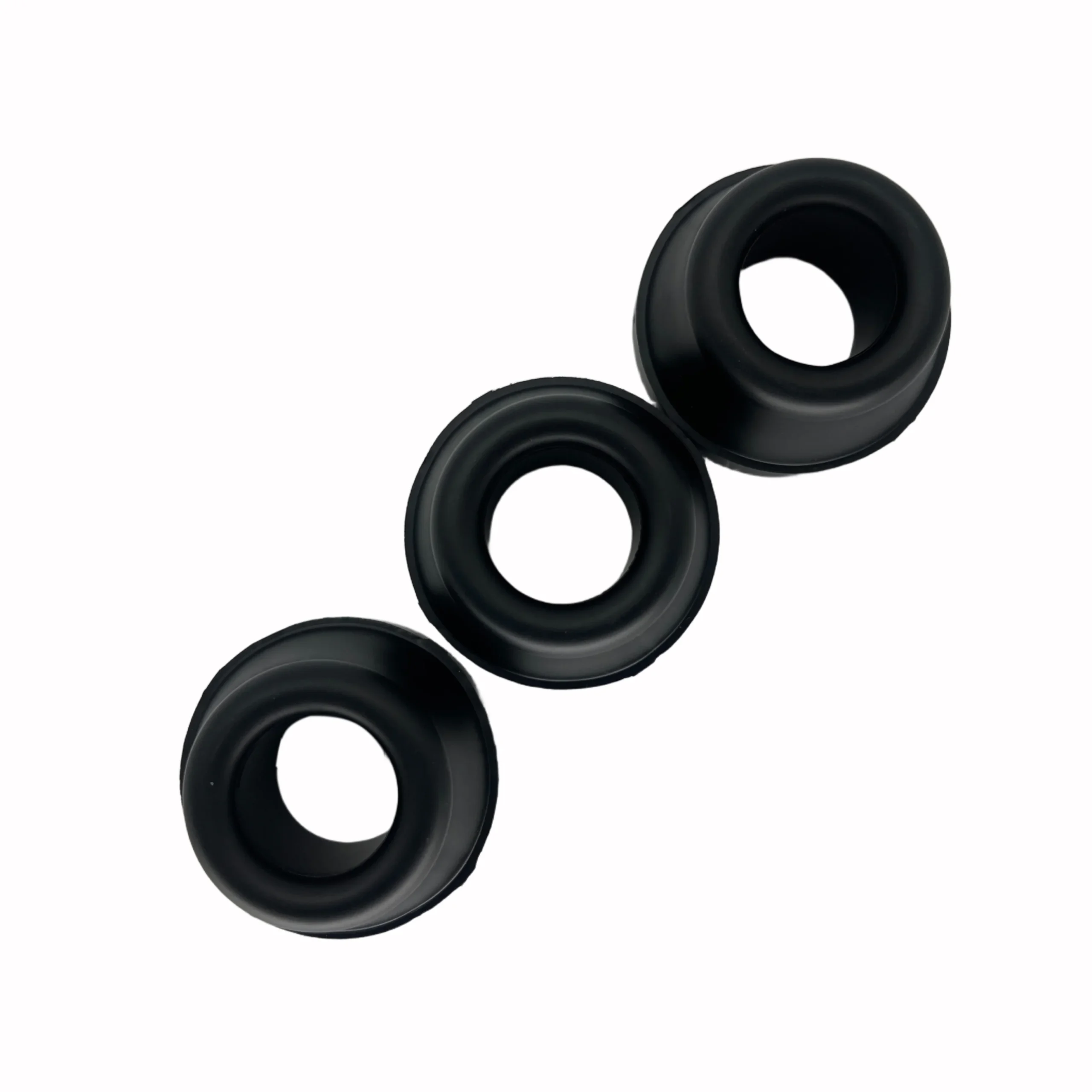
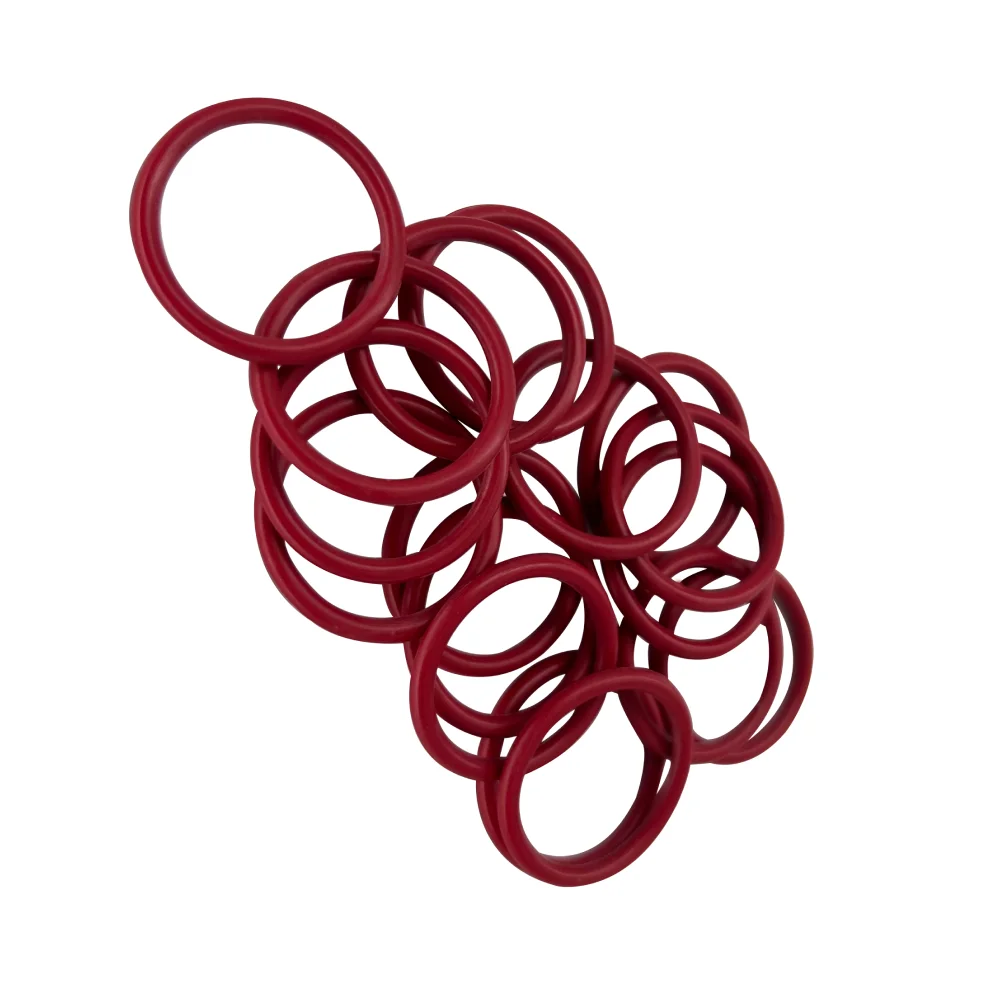
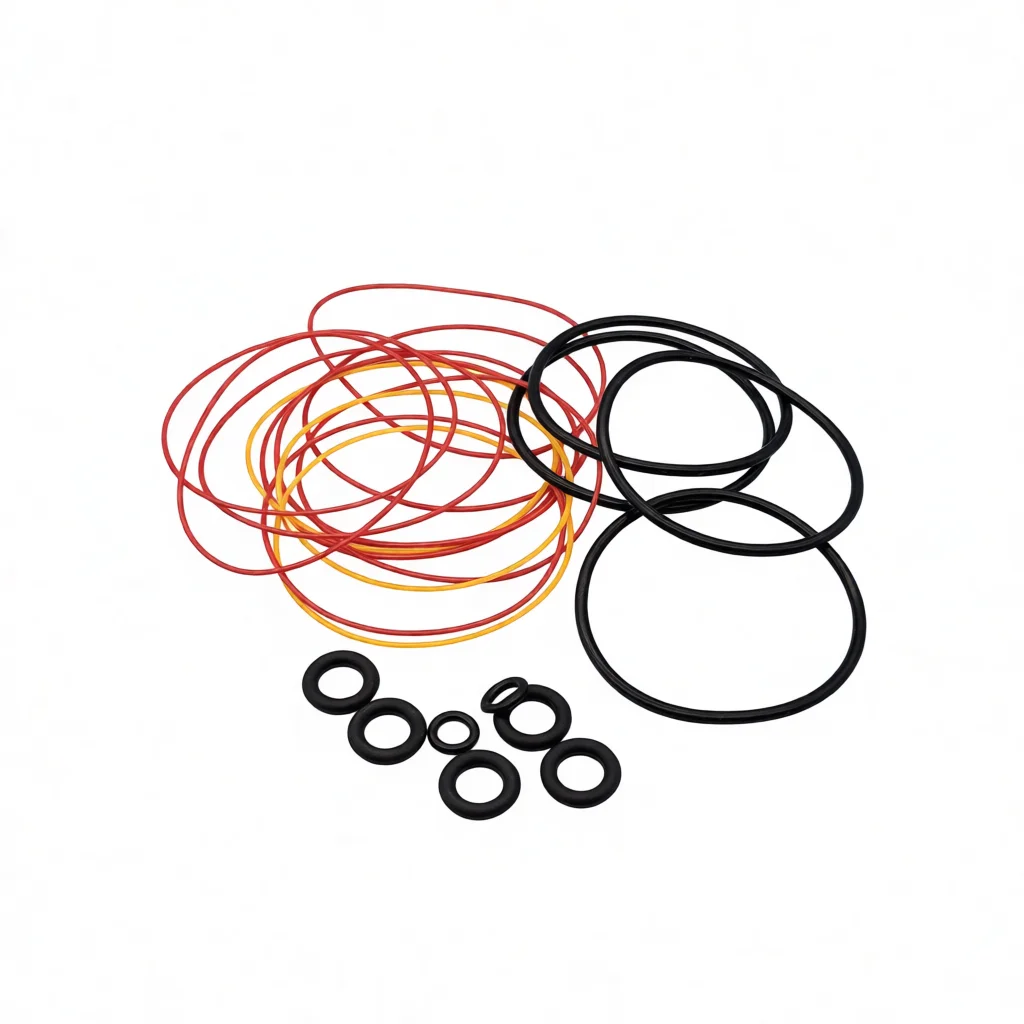
Put simply, a fluorine rubber o ring is a circular gasket made from a synthetic fluoropolymer elastomer, commonly known as Viton®. These rings create a seal between two surfaces to prevent fluid or air leakage. Their fluorine-rich molecular structure gives them exceptional resistance to heat, chemicals, oils, and weathering. Because of this, they’re often preferred over other elastomers where reliability matters most.
In modern industry, their role surpasses mechanical sealing. For example, in humanitarian aid, equipment using fluorine rubber o rings ensures water purification systems remain contamination-free. I find it fascinating how these tiny rings connect high-tech manufacturing with basic human needs.
Core Characteristics That Set Fluorine Rubber O Rings Apart
1. Exceptional Durability
Many engineers swear by fluorine rubber’s ability to maintain elasticity across -40°C to 205°C, sometimes even up to 250°C depending on formulation. This stability reduces downtime and maintenance costs, which is a huge deal for continuous processes.
2. Chemical Resistance
Fluorine rubber stands up against aggressive fuels, acids, solvents, and steam. It essentially keeps seals intact where other rubbers would degrade quickly — think fuel injectors or chemical plants.
3. Compression Set Resistance
What does this mean? In practical terms: the ring doesn’t lose its shape after being compressed repeatedly, preserving the tight seal. That’s crucial for parts that open and close often.
4. Versatility in Sizing and Customization
Whether you need millimeter-sized rings for medical devices or larger diameters for heavy-duty hydraulics, fluorine rubber o rings can be tailored for different hardness levels and applications.
5. Longevity and Cost Efficiency
Some may think these premium materials hike up costs — frankly, they do upfront. However, the extended lifetime and reduced failure rates more than justify the investment. It’s a classic case of "spend once, benefit long."
Mini Takeaway:
Fluorine rubber o rings aren’t just resilient seals; they’re engineered solutions that deliver safety and reliability where it counts most.
Where in the World Are Fluorine Rubber O Rings Making a Difference?
Globally, these seals find their way into countless sectors:
- Automotive: Fuel systems, transmissions, and EV batteries depend on fluorine rubber for durability.
- Aerospace: Jet engines and hydraulic systems require materials that won't degrade at high altitudes or temperatures.
- Oil & Gas: Exploration equipment facing corrosive brine and harsh chemicals use these O rings extensively.
- Pharmaceuticals: Ensuring contamination-free liquid transport in sterile manufacturing.
- Renewable Energy: Wind turbines and solar panel tracking systems benefit from weather-resistant seals.
In remote industrial zones — for example, Arctic oil fields — equipment reliability can hinge on these seals. Similarly, during disaster relief operations, robust pumps and generators outfitted with fluorine rubber o rings keep essential services running when it’s most critical.
Fluorine Rubber O Ring Specifications at a Glance
| Property | Typical Value | Relevance |
|---|---|---|
| Temperature Range | -40°C to 205°C (up to 250°C) | Ensures performance in extreme environments |
| Hardness (Shore A) | 70 - 90 | Balance between flexibility and strength |
| Compression Set (70 hrs @ 200°C) | Retains sealing shape under stress | |
| Chemical Resistance | Excellent against fuels, oils, acids | Ideal for aggressive media |
| Tensile Strength | ≥ 10 MPa | Withstands mechanical forces |
Vendor Comparison: Choosing the Right Fluorine Rubber O Ring Supplier
| Supplier | Material Grade Options | Lead Time | Customization | Pricing | Quality Certifications |
|---|---|---|---|---|---|
| Sunlite Tek (recommended) | Multiple grades, including FDA-approved | Typically 2-3 weeks | Full custom sizing and hardness | Competitive, volume discounts | ISO 9001, RoHS, REACH |
| GlobalSeal Inc. | Standard Viton grades | 4-6 weeks | Limited custom options | Moderate | ISO 9001 |
| SealoTech Solutions | High-temp specialty grades only | 1-2 weeks | Customization available on request | Premium pricing | ISO 14001 |
Why Fluorine Rubber O Rings Are Worth the Investment
First, there’s the reliability factor: downtime is often the most expensive part of any industrial process. Choosing a fluorine rubber o ring means fewer leaks, fewer replacements, and significantly lower risk of catastrophic failures. Second, the sustainability angle is increasingly important. Many manufacturers appreciate that durable seals reduce material waste and support longer equipment life cycles.
Emotionally, when you know the machine or system won’t fail — especially in critical applications like medical devices or aviation — there’s peace of mind. Trust isn’t just a tagline here; it’s part of the product’s DNA.
Looking Ahead: Innovations on the Horizon
Material scientists keep tweaking fluoropolymer chemistry to improve heat resistance, reduce environmental impact, and boost sealing performance under digital automation regimes. The rise of Industry 4.0 means sensors embedded near o rings to monitor wear and proactively replace seals before failure occurs — a fascinating intersection of old-school materials and new-age tech.
There’s also growing interest in bio-based fluorinated elastomers, where partial substitution with renewable feedstocks aims to reduce the carbon footprint. It feels like a small part of a large puzzle, but in real terms, every innovation here matters.
Facing Challenges: What Needs Improvement?
Of course, fluorine rubber o rings aren’t without their quirks. They can be pricey upfront and sometimes require specialized tools or expertise for installation. Thermal cycling (constant heating and cooling) still eventually degrades some grades, limiting lifespan in certain contexts.
Innovative coatings, hybrid material blends, and improved molding techniques help to address these. Plus, industry collaboration on standardized testing protocols ensures that buyers know exactly what they’re getting. Yet, it remains a balance — like most advanced materials, nothing’s entirely perfect.
FAQ: Fluorine Rubber O Rings Explained
- Q: What makes fluorine rubber o rings better than other elastomers?
- A: Their superior chemical and heat resistance significantly outperforms natural rubber or nitrile in harsh environments, making them ideal for demanding industrial tasks.
- Q: Can fluorine rubber o rings be used in food or pharma industries?
- A: Absolutely. Many grades meet FDA and USP Class VI certifications suitable for food contact and pharmaceutical processing.
- Q: How often should these o rings be replaced?
- A: Replacement depends on usage and environment but typically ranges from 3 to 7 years. Regular inspection and condition monitoring help optimize lifespan.
- Q: Are custom sizes expensive to produce?
- A: Custom sizing may have slightly higher costs due to tooling but can be economical for large volume orders. Suppliers like Sunlite Tek offer scalable options.
- Q: How do temperature extremes affect fluorine rubber o rings?
- A: They handle a broad range (-40°C to 205°C) quite well but extreme thermal cycling can cause material fatigue over time.
Wrapping It Up — Why Fluorine Rubber O Rings Matter
Those rings might seem inconspicuous, yet in machining, transport, medicine, and energy sectors, they’re indispensable. Providing a mix of longevity, chemical resilience, and peace of mind, fluorine rubber o rings save billions in potential leaks and breakdowns worldwide. Want to explore high-quality, customizable options? Visit https://www.sunlitetek.com and see why smart engineers keep coming back.
Final Thought:
Sometimes innovation is in the little things — in the rings keeping our machines tight and running — and recognizing their importance makes all the difference.
References

Understanding Fluorine Rubber O Rings: A Small Componen […]