Select Language
 Inside the Making of a Better Cushion: Shock Damping That Actually Works
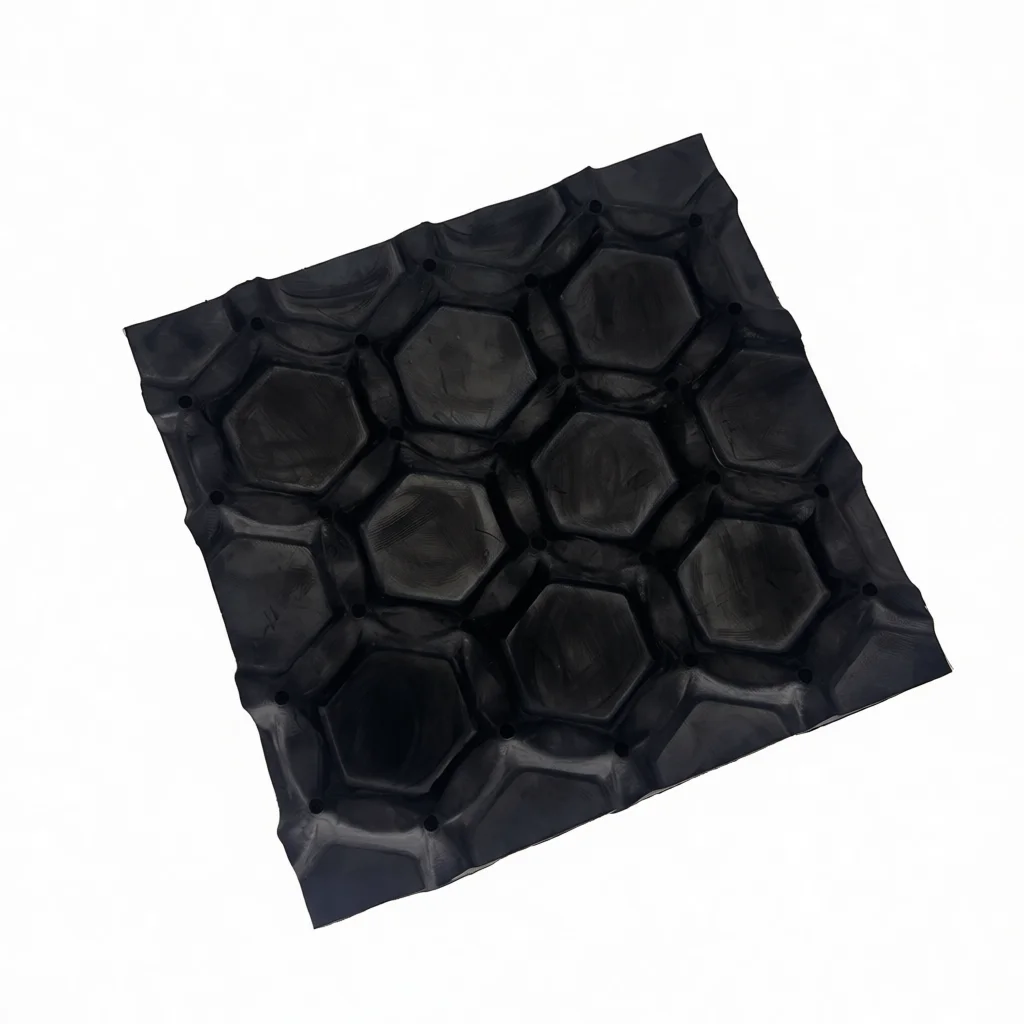
If you’ve ever watched a device survive a fall it frankly shouldn’t, you’ve seen what a modern Shock-Absorbing Air Bladder can do. Over the last two years, demand has surged across EV battery packs, ruggedized electronics, and even premium logistics. To be honest, the mix of materials and sealing tech has matured fast—quietly.

What’s Trending now
Three big shifts: higher-temp resilience for under-hood and power electronics, predictable damping over wide frequency bands, and leak-free sealing that still allows micro-conformity. Many customers say they want “no drama installs”—and, surprisingly, air bladders have become the simplest path versus complex spring assemblies.
Technical Snapshot
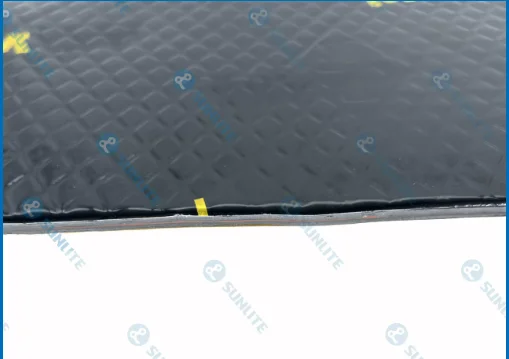
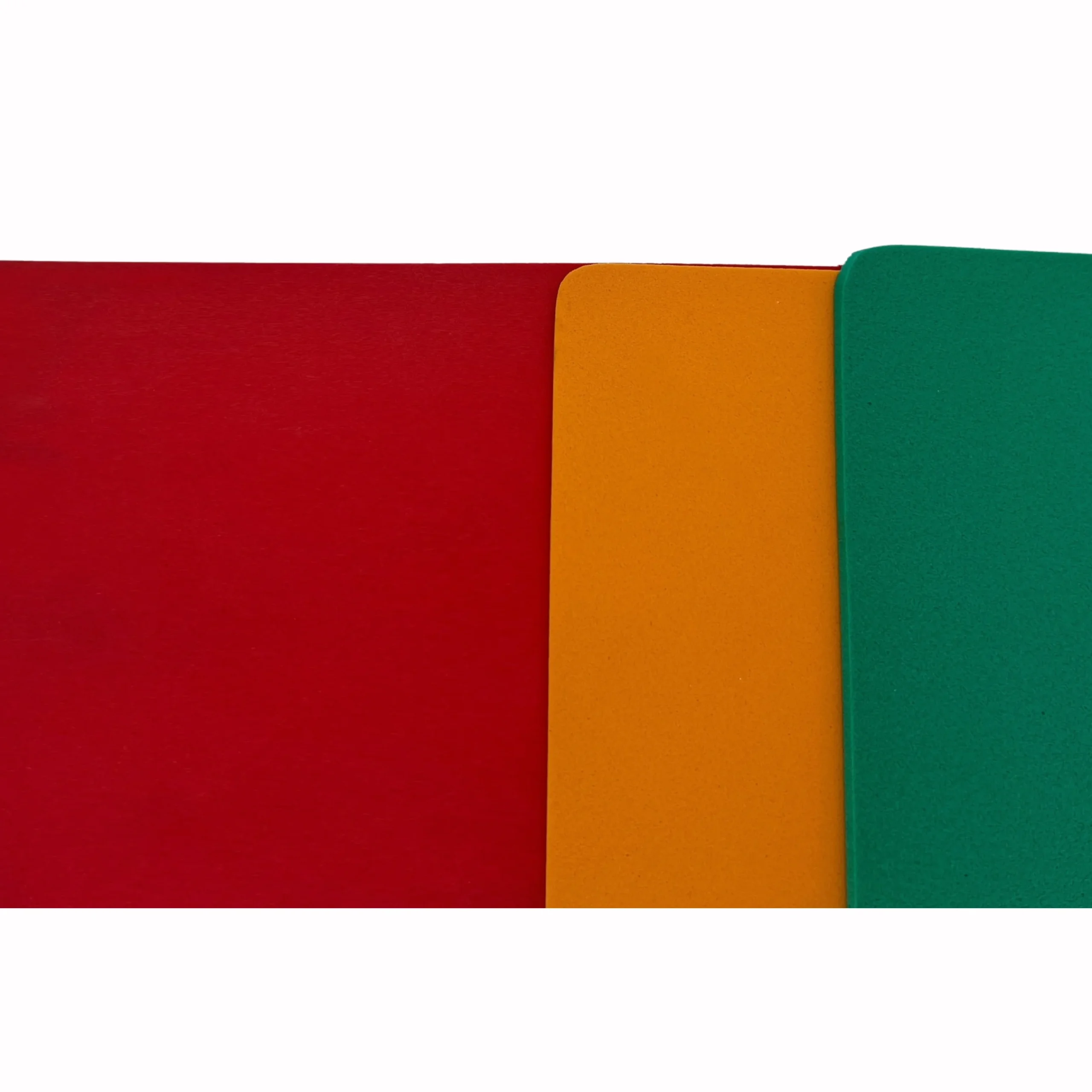
At the core is an ACM (polyacrylate rubber) shell mated with FSR options—often fluorosilicone or engineered foam silicone, depending on media exposure. The result is a Shock-Absorbing Air Bladder that is leak-free, pressure and heat resistant, and still responsive under micro-impacts.
| Parameter | Spec (typical) | Notes |
|---|---|---|
| Operating Temp | -60℃ to 200℃ | Real-world use may vary with duty cycle |
| Peak Shock Attenuation | ≈ 35–60% g-reduction | MIL‑STD‑810H shock profile, 516.8 |
| Vibration Damping | 5–500 Hz band | IEC 60068‑2‑6 sweep |
| Shell Material | ACM | Oil- and heat-resistant |
| Insert Options | FSR (fluorosilicone/foam silicone) | Media and weight tuning |
| Service Life | 5–10 years | ≈ 1–2M compression cycles |

How It’s Made (and Tested)
Materials: ACM outer, FSR liner, optional aramid reinforcement, low-permeation films. Methods: precision extrusion or injection of shells, heat/ultrasonic or RF welding, and laser trimming. Inflation ports are heat-staked; 100% line leak-check via pressure-decay or mass-flow. Standards: ASTM D412 (tensile), ASTM D395 (compression set), ISO 48-4 (hardness), ASTM D471 (fluid resistance), IEC 60068‑2‑14 (thermal shock), IEC 60068‑2‑6 (vibration), MIL‑STD‑810H Method 516.8 (shock).
Sample data: Tensile (ACM): 10–14 MPa; elongation 200–350% (ASTM D412). Compression set at 150℃: 20–30% (ASTM D395, 22h). Leak rate: ≤ 1.0×10⁻³ scc/s at 50 kPa differential (pressure decay, 60s). These are typical; field results depend on geometry, fill pressure, and mounting.

Where It’s Used
- EV battery modules and power electronics (thermal and vibration coexistence)
- Rack-mounted servers and telecom gear (shipping and in-rack isolation)
- Industrial sensors, UAV payloads, and optical assemblies
- Medical carts and diagnostic instruments—quiet, low-rebound mounts
- Premium logistics: re-usable shock frames around fragile goods
Vendor Landscape (Quick Take)
| Vendor | Lead Time | Customization | Certs | Test Depth |
|---|---|---|---|---|
| SunliteTek (Dongguan, China) | 3–5 weeks | High (geometry, durometer, fill) | ISO 9001, IATF 16949, RoHS/REACH | ASTM/IEC/MIL profiles available |
| Tier-1 OEM | 6–10 weeks | Medium | Automotive-focused | Robust but pricier |
| Generic Importer | 2–4 weeks | Low | Basic | Limited traceability |
Customization and Real-World Feedback
Geometry can be tuned for stiffness gradients, with multi-chamber bladders to avoid “bottoming out.” Fill pressure is set around 30–80 kPa; I guess 50 kPa is the sweet spot for mixed shock/vibration in electronics. Customers report “less rattle, more consistency” after thermal cycling—likely due to ACM’s resilience.

Mini Case Studies
- EV Junction Box: 42% peak g reduction vs. foam-only mount; survived 1,000 thermal cycles (-40/125℃) with no leaks.
- Rugged Tablet: Drop-to-steel from 1.2 m, 26 orientations, MIL-STD-810H pass after switching to Shock-Absorbing Air Bladder corners.
- Optical Payload Drone: 30% vibration RMS cut in 10–150 Hz, clearer images; pilots noted “less jello.”
Certifications available: ISO 9001, IATF 16949; materials conform to RoHS/REACH; UL 94 V-0 options on request. Factory address: No. 16, Third Road, Zhangpeng Industrial Park, Machong Town, Dongguan City, Guangdong Province, China.
If you need a leak-free, high-resilience Shock-Absorbing Air Bladder that handles -60℃~200℃ without drama, this is one of the rare parts that’s genuinely plug-and-play—assuming you spec the pressure correctly.
Authoritative references
- ASTM D412 – Standard Test Methods for Vulcanized Rubber and Thermoplastic Elastomers.
- ASTM D395 – Compression Set of Rubber by Compression.
- ASTM D471 – Standard Test Method for Rubber Property—Effect of Liquids.
- ISO 48-4:2018 – Rubber, vulcanized or thermoplastic—Determination of hardness (Shore).
- IEC 60068‑2‑6 – Environmental testing—Vibration (sinusoidal).
- MIL‑STD‑810H – Environmental Engineering Considerations and Laboratory Tests, Method 516.8 (Shock).

Inside the Making of a Better Cushion: Shock Damping Th […]