Select Language
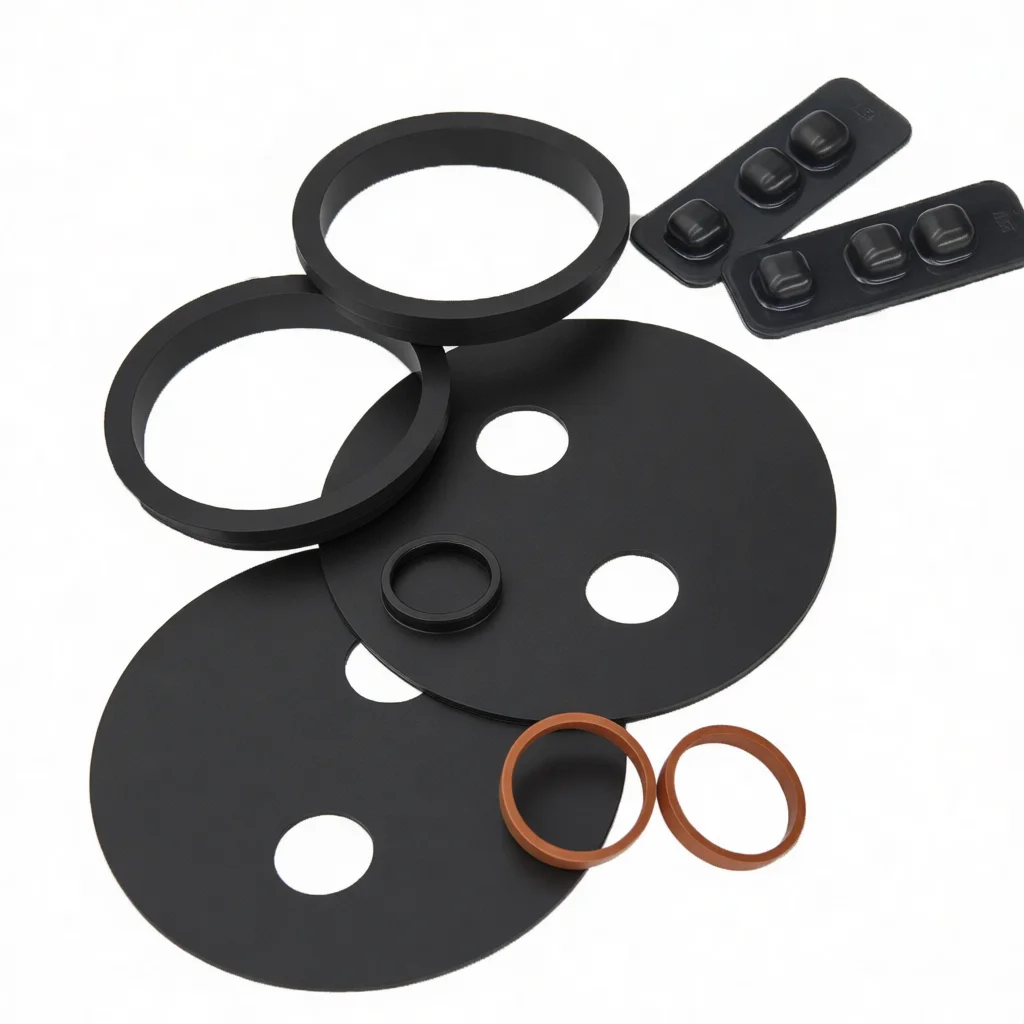
Let's be honest, in today's world, whether you're driving a car, working in a factory, or even just enjoying your home, unwanted noise and vibration can be a real nuisance. It’s not just about comfort; it impacts performance, durability, and sometimes, even safety. That's where something as seemingly simple, yet incredibly effective, as a vibration damping plate – often called an anti-vibration plate, vibration isolation plate, or even just a vibration damping pad – comes into play. I've seen these evolve over the years, and frankly, the improvements are quite remarkable.
What Exactly Are We Talking About Here?
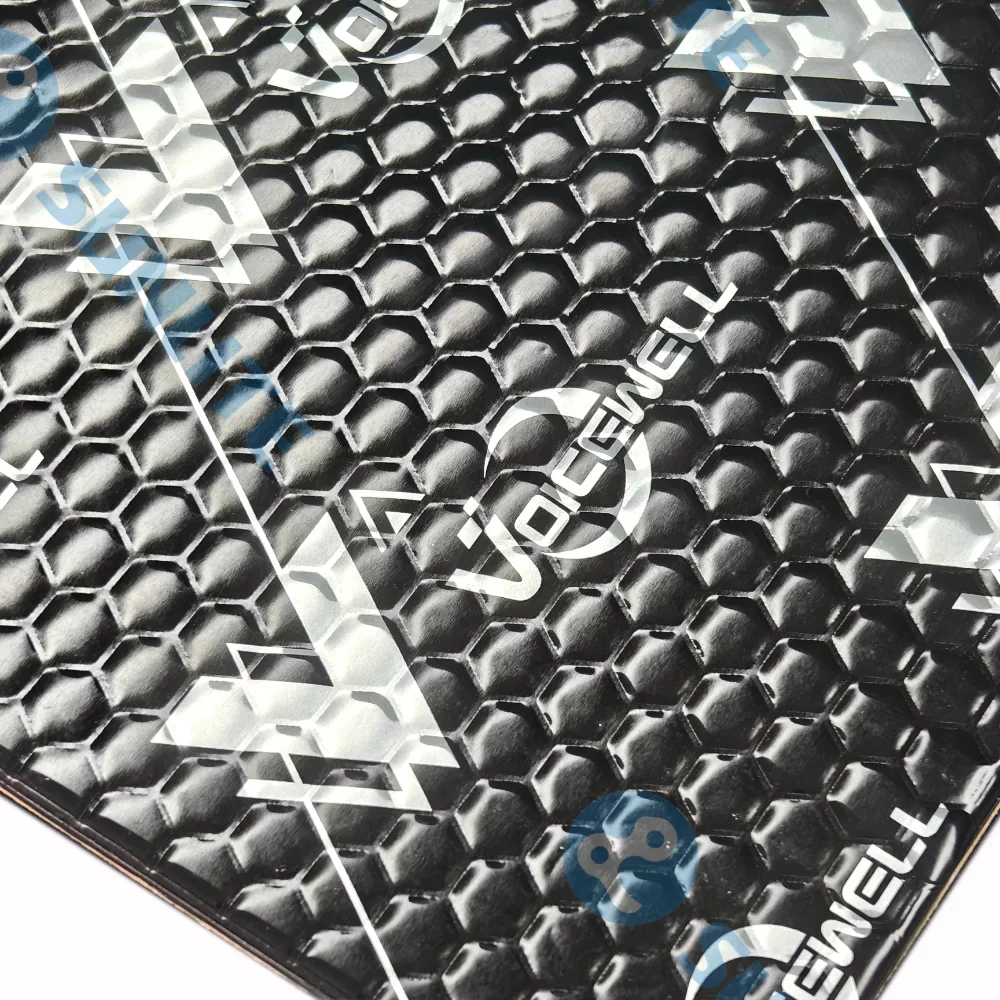
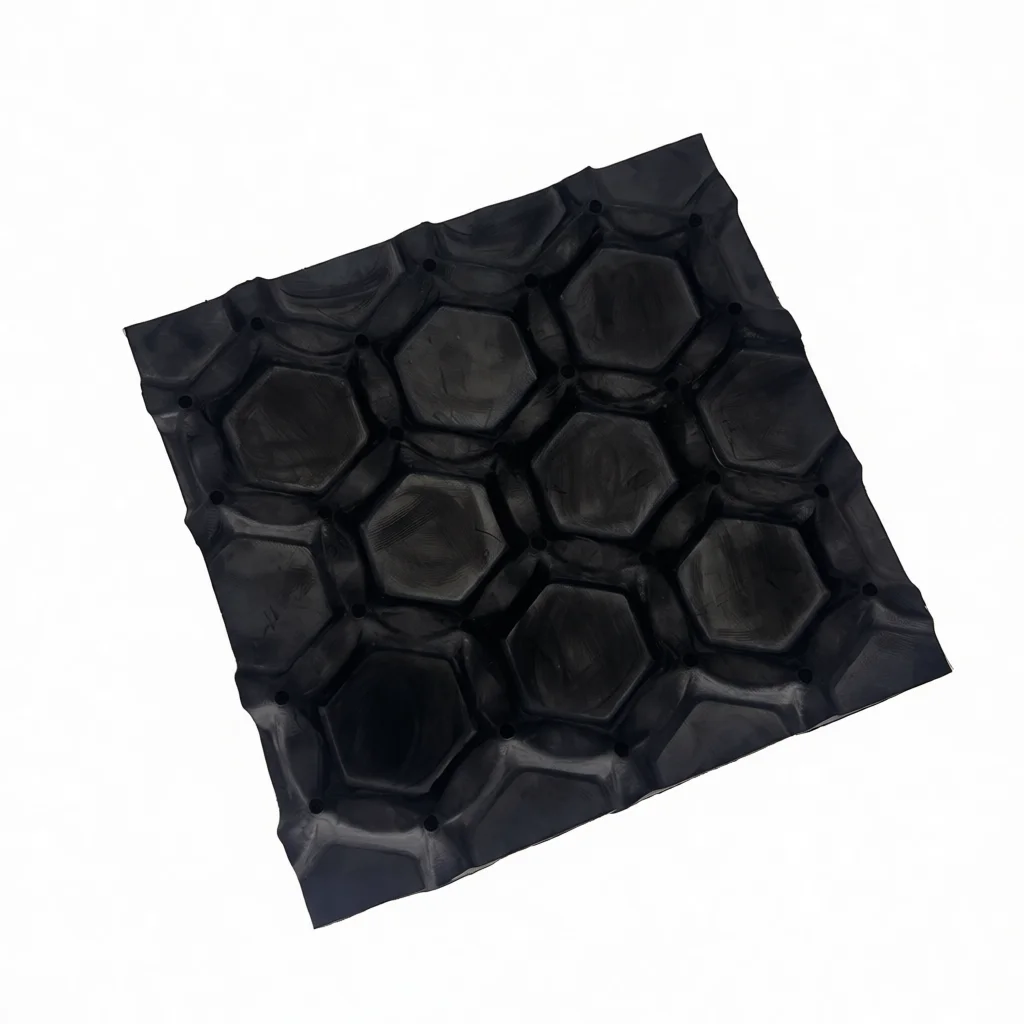
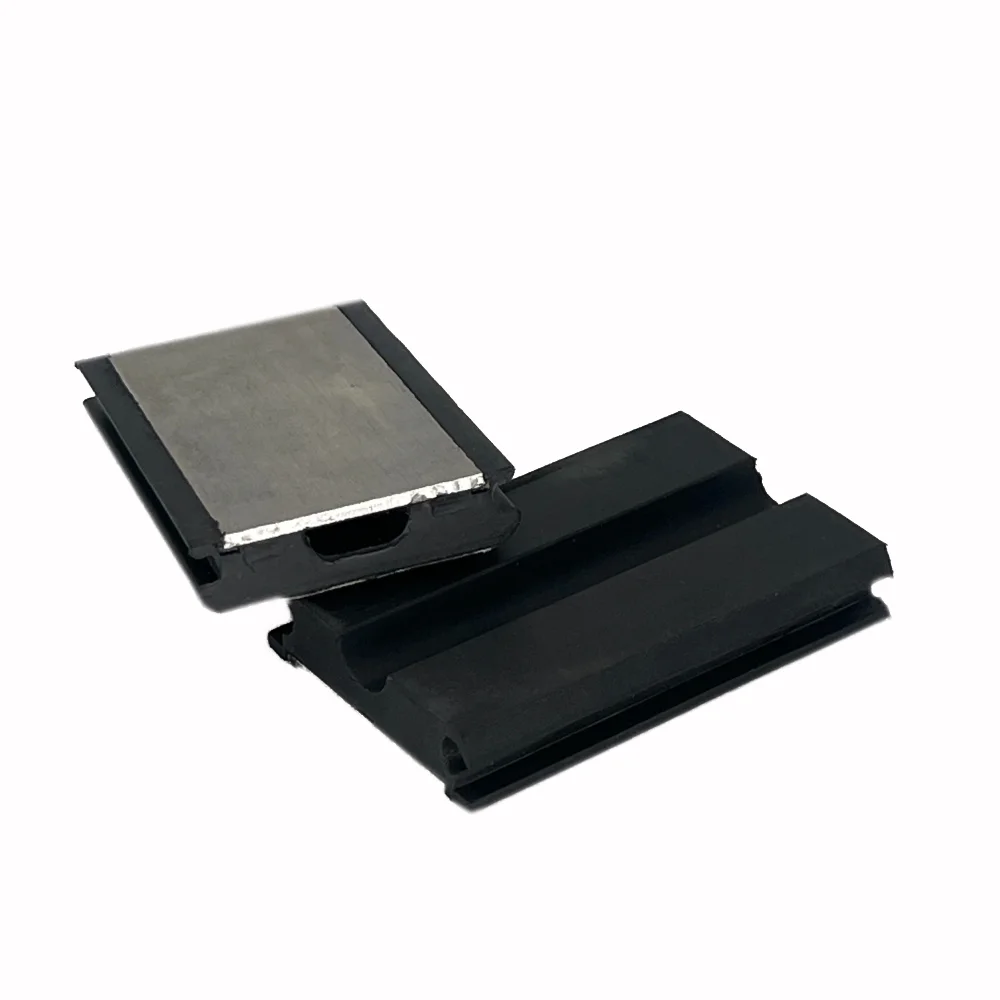
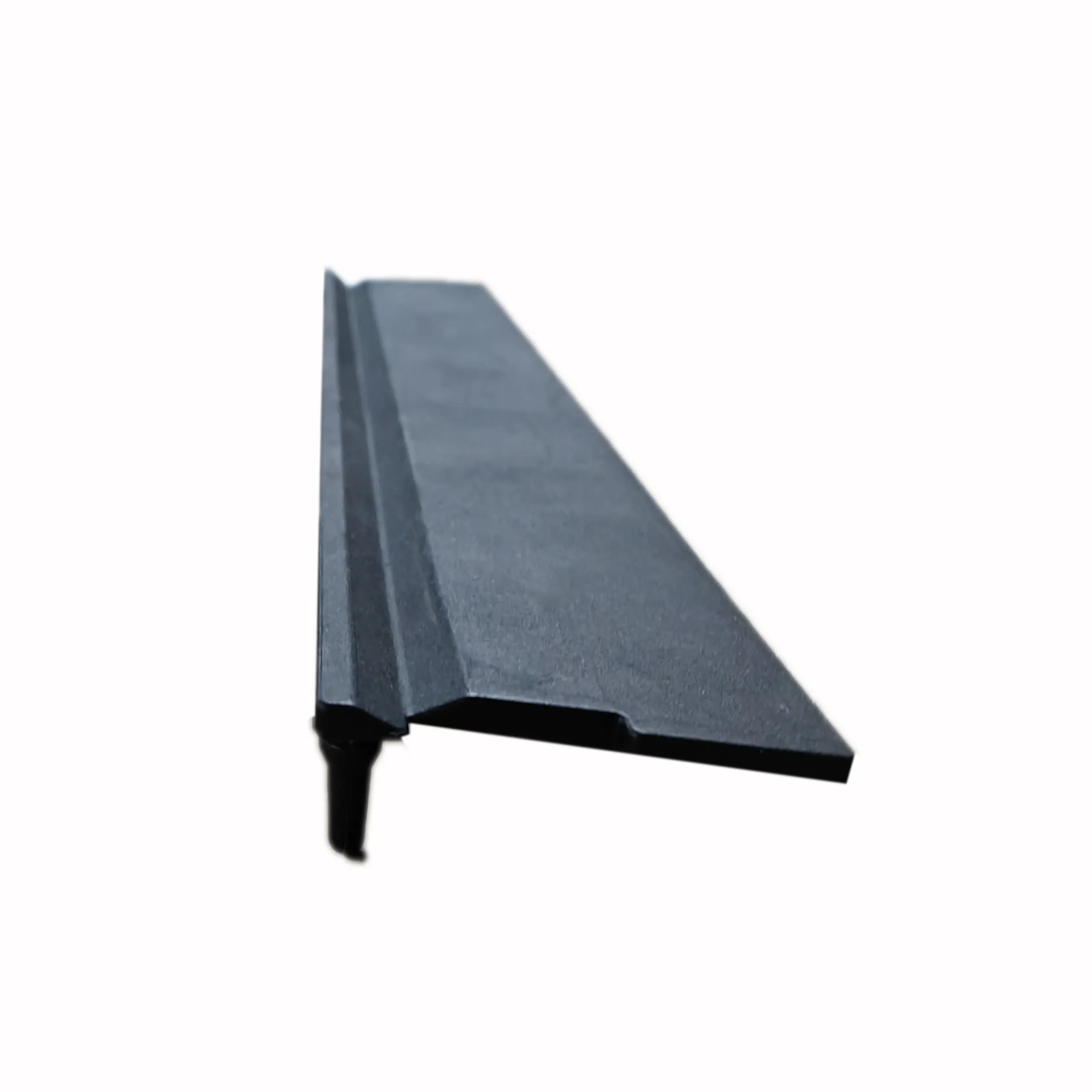
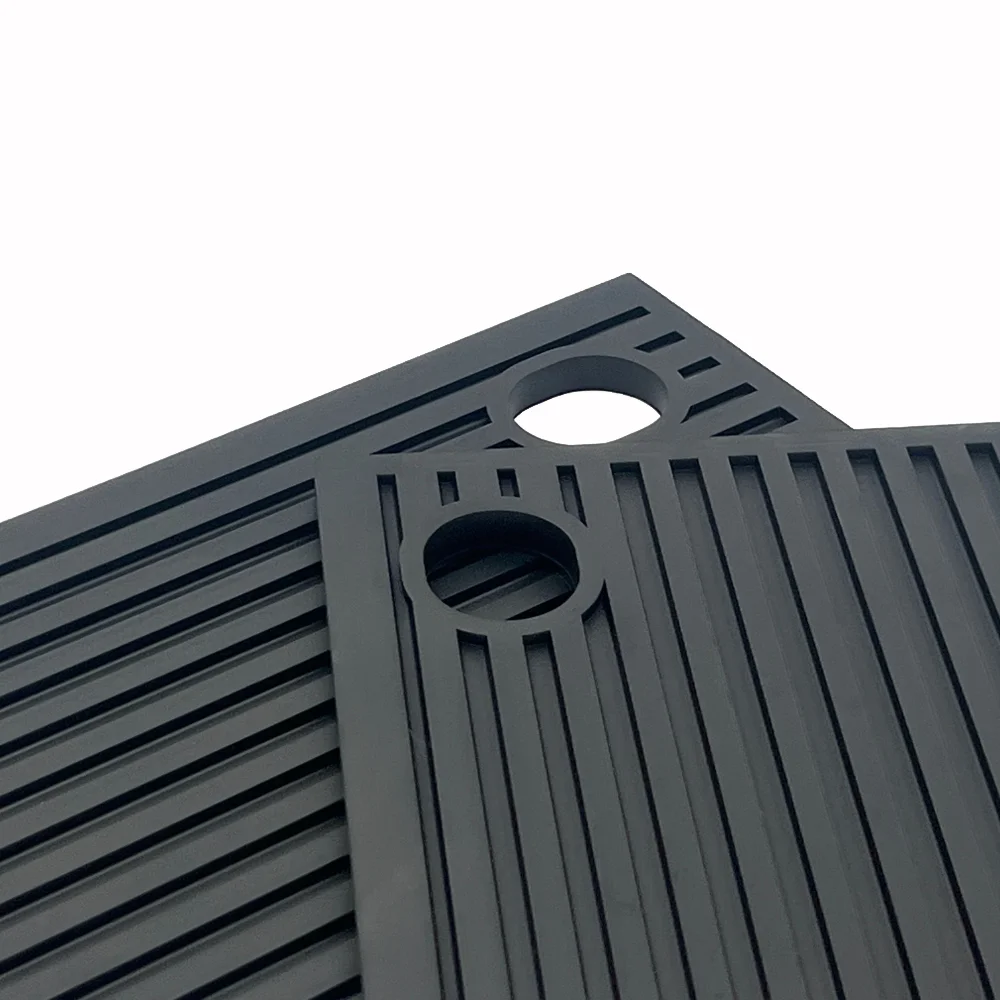
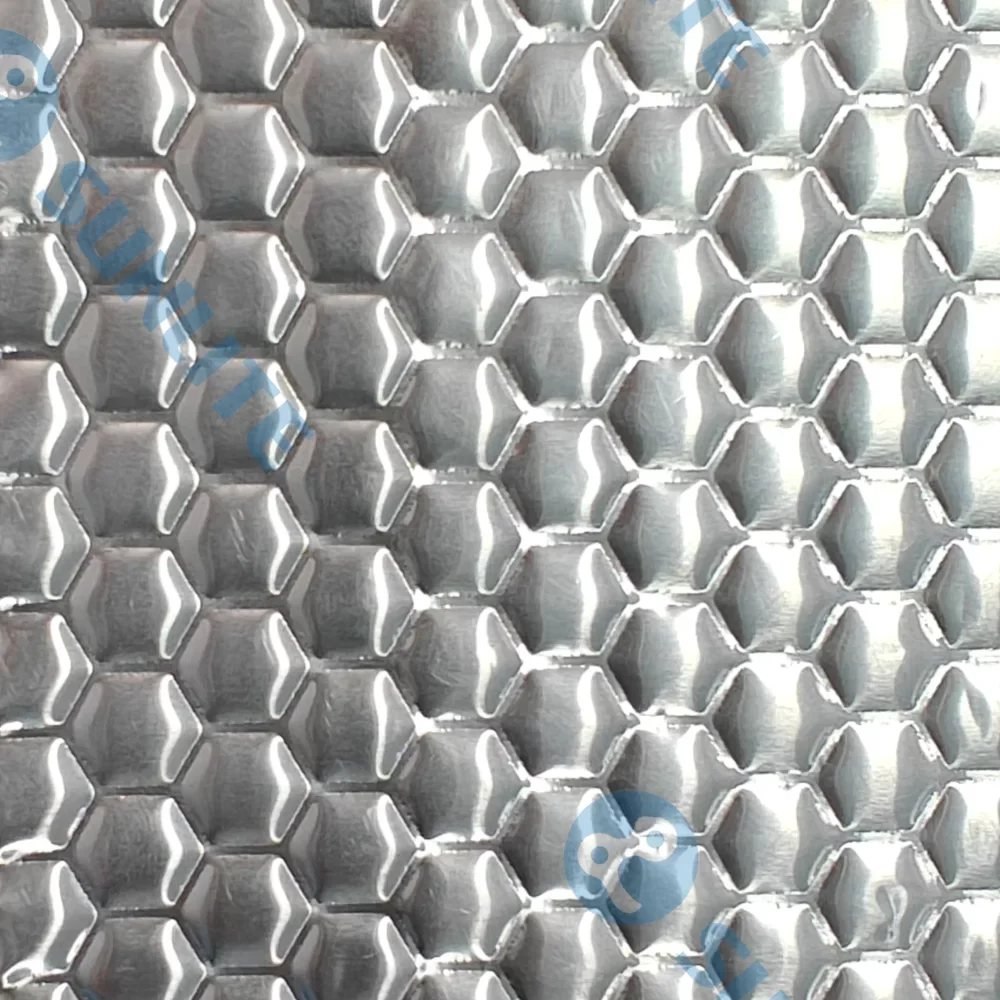
At its core, a vibration damping plate is engineered to absorb and dissipate vibrational energy. Think of it like a shock absorber for sound and physical tremors. For automotive use, and this is where I've seen them shine most prominently, they typically involve a sophisticated composite of materials. Take the High-Damping Vibration Plate, for instance. It's often crafted from a blend of IIR (Isobutylene-isoprene rubber, or butyl rubber) and aluminum foil. This isn't just a random mix; it's a calculated design where the butyl rubber's viscoelastic properties are paired with the aluminum's structural integrity to create an incredibly effective barrier against resonance.
Why the Sudden Boom? Industry Trends & Benefits
The drive for better NVH (Noise, Vibration, and Harshness) performance is a massive trend across industries, especially in automotive. Customers expect quieter cabins, smoother rides, and less fatigue on long journeys. This demand for refinement has pushed manufacturers to innovate, and that's where advanced anti-vibration plates have become indispensable. Beyond just comfort, these plates offer significant advantages:
· Enhanced Comfort: Directly reduces cabin noise and perceptible vibrations.
· Improved Audio Quality: By suppressing panel resonance, sound systems truly shine.
· Extended Component Life: Less vibration means less wear and tear on adjacent parts.
· Better Safety: Reduced driver fatigue, believe it or not.
The Science Behind the Silence: Technical Specifications
When we talk technical, the "composite loss factor" is key. For a high-quality vibration isolation plate, this factor is typically ≥0.25. What does that mean? Simply put, it indicates how effectively the material converts vibrational energy into heat, rather than letting it reverberate as sound or physical movement. Materials like high-loss butyl rubber excel here. Other critical specs include:
Performance Index | Details |
Composite Loss Factor | ≥0.25 (excellent vibration energy dissipation) |
Operating Temperature | -40℃ to 80℃ (real-world use may vary slightly) |
Recommended Construction Temp. | 10℃ to 40℃ (for optimal adhesion) |
Structural Composition | Polymer Butyl Rubber + Aluminum Foil + Back Adhesive + Release Paper |
Long-term Stability | Moisture-proof, Anti-aging, 8+ years damping performance |
Environmental Compliance | RoHS2.0, REACH, PAHs, TSCA (customizable versions available) |
These products are also designed to be moisture-resistant, anti-aging, and crucially, non-hardening and anti-shedding. This means once applied, they're pretty much set for the long haul, maintaining their performance for well over 8 years, which is impressive.
Where Do These Pads Work Their Magic? Application Scenarios
The beauty of a high-quality vibration damping pad is its versatility. Primarily, in the automotive sector, you'll find them in places that generate or transmit noise and vibration:
· Inner Door Panels: Dramatically reduces road noise and improves speaker clarity. Many customers say this is where they notice the biggest immediate difference.
· Floor & Chassis: Critical for lowering low-frequency rumble and vibration from the road.
· Trunk & Wheel Arches: Absorbs impact noise from gravel and general road noise, making the rear cabin much quieter.
· Firewall & Engine Compartment: Essential for blocking engine noise transmission into the cabin.
· Roof or Side Wall Structures: Contributes to an overall quieter vehicle, especially for wind noise.
Choosing Your Plate: A Vendor Comparison (General Considerations)
While I can't name specific brands here, when you're looking at different vendors for a vibration damping plate, consider these factors. It's not just about price; it's about value and performance.
Feature | Premium Vendor Considerations | Budget Vendor Considerations |
Damping Coefficient | High (≥0.25), independently tested | May be lower, less verifiable data |
Material Composition | Virgin butyl rubber, thick aluminum foil, IIR | Asphalt-based, thinner foil, recycled materials |
Adhesion & Longevity | Strong, durable adhesive, 8+ years guarantee | Weaker adhesive, may sag/peel, shorter lifespan |
Environmental Certs | RoHS, REACH, PAHs compliant, low VOCs | Limited or no specific certifications |
Customization | Available for specific dimensions/performance | Generally off-the-shelf sizes only |
Customization is definitely something to look for if you have unique requirements – say, a specific automotive OEM or industrial machinery that needs tailored solutions. Many reputable vendors offer this flexibility.
The Simple Process: Application & Service Life
Installation is surprisingly straightforward. These plates typically come with a back adhesive and release paper, making them easy to cut and apply directly to clean metal surfaces. The key is a clean surface for optimal adhesion. Once applied, they work synergistically with other materials, like sound insulation cotton, to create a multi-layered noise reduction system. Their anti-aging and moisture-resistant design ensures a long service life, maintaining damping performance for years without hardening or shedding. It's a "set it and forget it" kind of solution, which is pretty great.
Final Thoughts: A Sound Investment
From my perspective, investing in quality anti-vibration plates isn't just about reducing noise; it's about improving the overall experience and longevity of whatever you're applying them to. Whether for a vehicle or industrial equipment, the impact on NVH performance is substantial. It seems that as technology advances, these seemingly unassuming pads will only become more critical in creating quieter, more comfortable environments.
Authoritative Citations
1. ISO 10846-1:2008 – Acoustics and vibration – Laboratory measurement of vibro-acoustic transfer properties of resilient elements – Part 1: Principles and guidelines.
2. SAE J1637 – Measurement of Vehicle Interior Sound Pressure Levels (NVH standards often refer to damping effectiveness).
3. RoHS 2.0 Directive (2011/65/EU) – On the restriction of the use of certain hazardous substances in electrical and electronic equipment.
4. REACH Regulation (EC No 1907/2006) – Registration, Evaluation, Authorisation and Restriction of Chemicals.
Let's be honest, in today's world, whether you're driving a car, working in a factory, or even just enjoying your home, unwanted noise and vibration can be a real nuisance.