Select Language
 The Essential Guide to Flat Rubber Rings: Why They Matter More Than You Think
If you’ve ever wondered what those simple-looking rubber rings do in the grand scheme of things, you’re not alone. Flat rubber rings might sound mundane, but they’re quietly underpinning millions of machines, plumbing systems, and even humanitarian projects worldwide. From the water pipes that keep entire cities hydrated to the delicate seals in medical devices, understanding flat rubber rings unveils a crucial piece of manufacturing and engineering that often goes unnoticed—yet it’s everywhere you turn. In a world where efficient sealing and durability are non-negotiable, getting familiar with these components is more than useful—it’s essential.
Global Context: The Widespread Relevance of Flat Rubber Rings
Rubber-based products as a whole are a staple of the global economy; according to the International Rubber Study Group, natural and synthetic rubber production topped 30 million tonnes in recent years, supporting industries from automotive to healthcare. Flat rubber rings, a subtype often overlooked in favor of the more famous “O-rings,” are integral in sealing flat surfaces—think flanges, pumps, and valves. The ISO 3601 standard might not ring a bell for many, but it outlines critical dimensions that keep these seals effective internationally.
Globally, minimizing leaks and equipment downtimes is key. A flat rubber ring that maintains integrity under pressure and temperature fluctuations can save thousands—or even millions—in water waste and maintenance costs. Especially as urban populations surge and infrastructure ages, ensuring reliable sealing solutions has become a challenge that flat rubber rings help solve. Without them, plumbing failures could become commonplace; industries such as oil and gas, food processing, and renewable energy would certainly feel the pinch.
Mini takeaway: Flat rubber rings might be low-profile, but they're vital linchpins in global manufacturing and infrastructure, helping address common problems like leaks and system failures.
What Exactly Are Flat Rubber Rings?
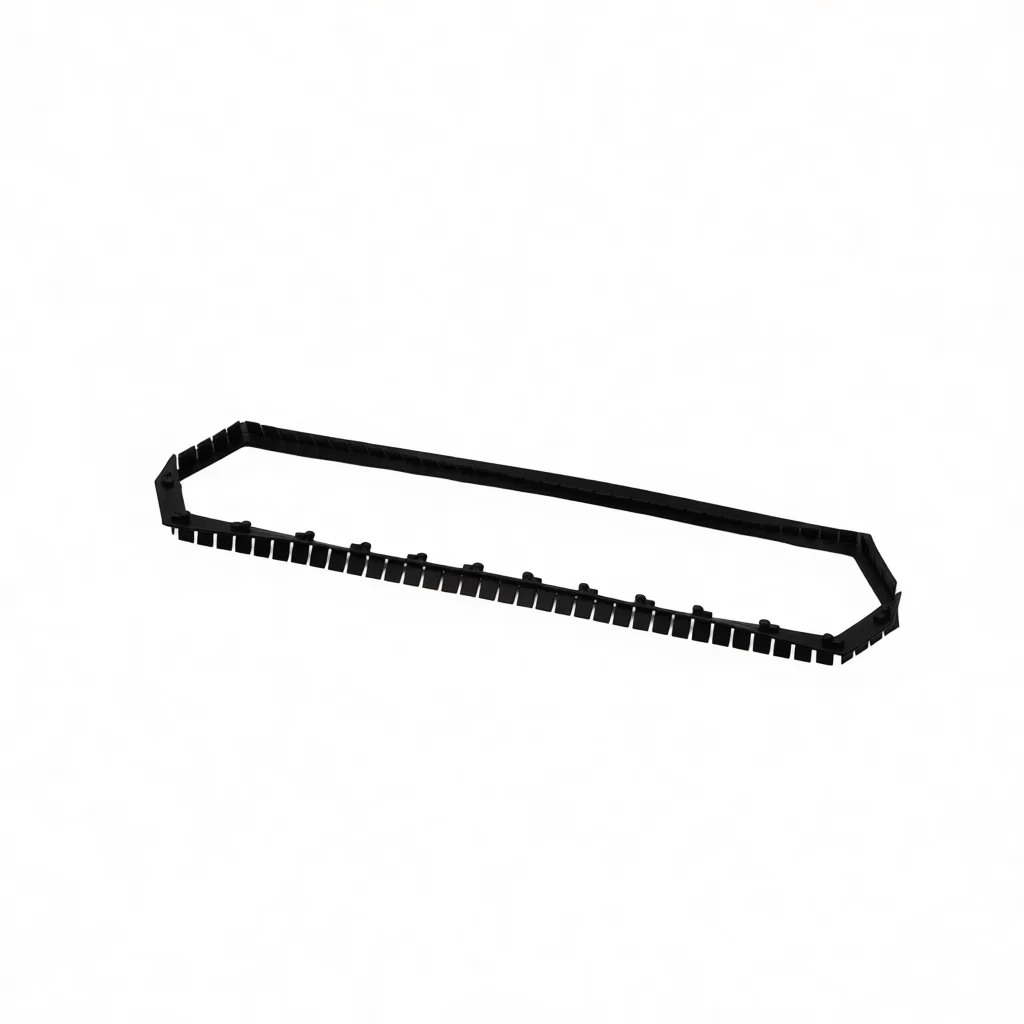
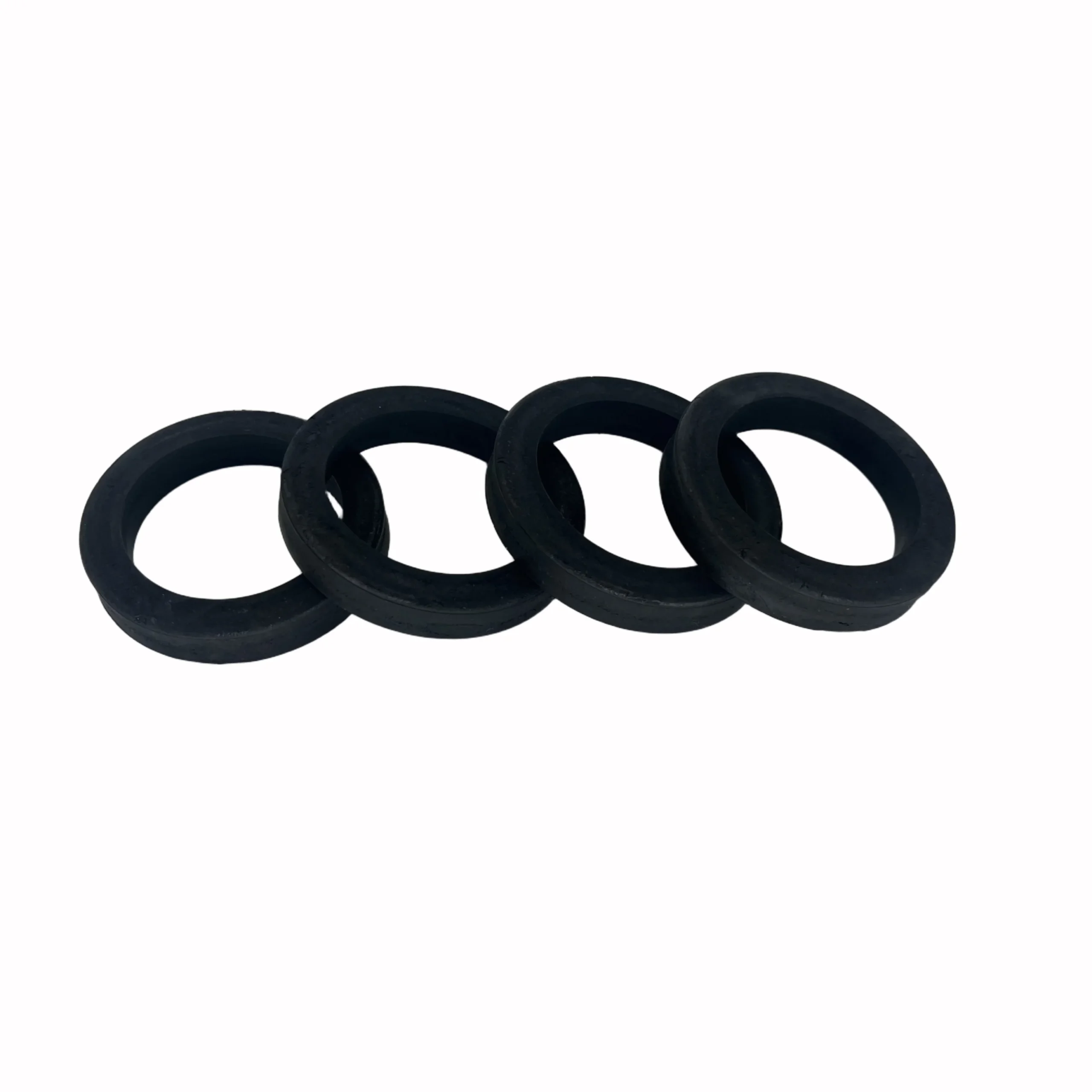
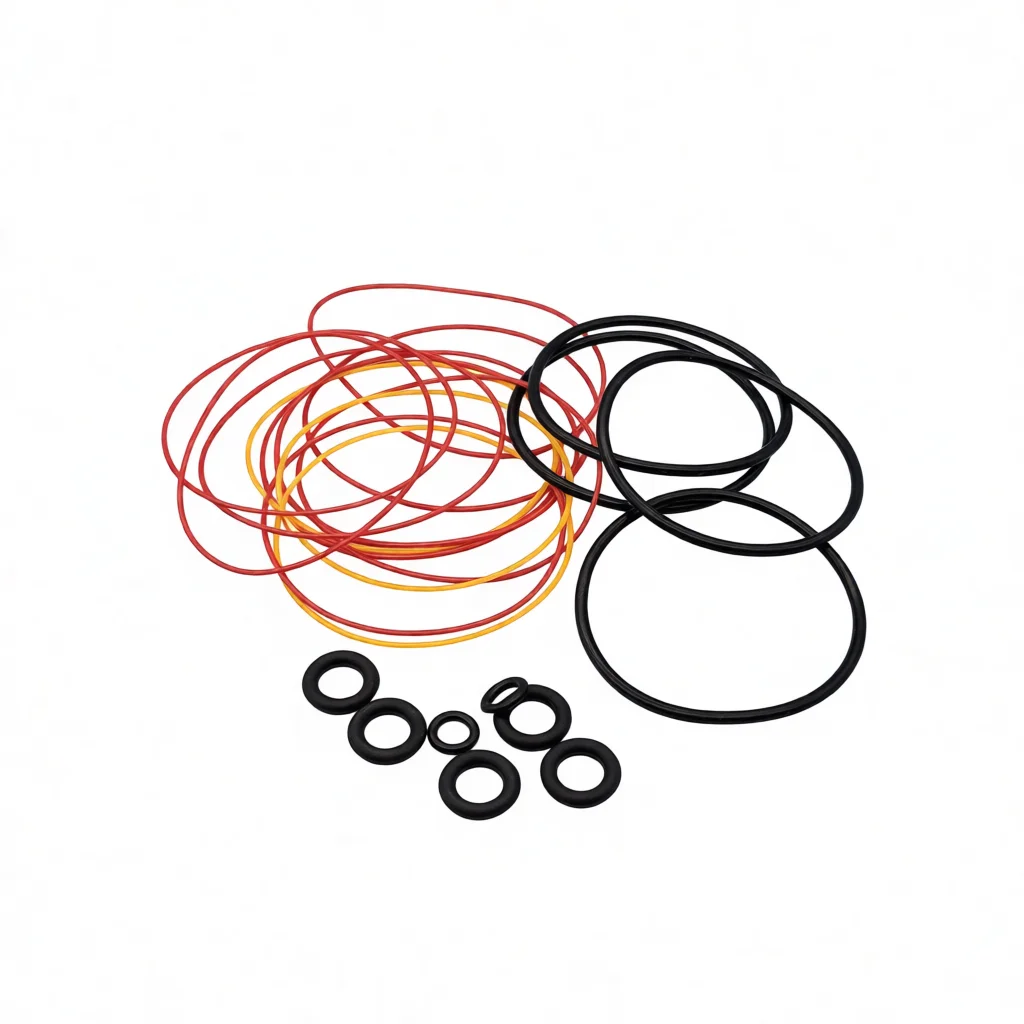
At its core, a flat rubber ring is a gasket with a circular shape and a consistent, flat cross-section—unlike the round-profile O-ring which looks more like a tube. These rings create seals between two flat surfaces to prevent liquids, gases, or contamination from passing through. They’re made from a variety of elastomers such as nitrile (NBR), EPDM, or silicone, each chosen depending on the application’s temperature, chemical exposure, or wear requirements.
In industrial and humanitarian settings alike, these components are small heroes. For instance, in water purification units deployed to refugee camps, flat rubber rings ensure filters stay airtight, preventing contamination and making the water safe for consumption. Oddly enough, the longevity and reliability of these rings often dictate system success but don’t get the spotlight.
Mini takeaway: Simply put, flat rubber rings are flat cross-section sealing gaskets made from rubber, essential where two surfaces meet and need tight sealing.
Core Components and Factors Affecting Performance
1. Material Composition
The choices here are vast—from natural rubber to synthetic variants like fluoroelastomers. Each offers a tradeoff in terms of chemical resistance, flexibility, and cost. For example, EPDM works well with hot water but struggles with oils, while nitrile is oil-resistant but less UV-stable.
2. Durability Under Stress
Seals must withstand pressure, temperature changes, and mechanical wear. High-quality flat rubber rings are tested rigorously to ensure they don’t crack or deform prematurely, which would spell disaster in critical systems.
3. Size and Dimensional Accuracy
Precision is key. A slightly off-size ring can cause leaks or fail entirely. Compliance with standards like ISO 3601 helps maintain uniformity across manufacturing batches worldwide.
4. Chemical Compatibility
Depending on exposure—to fuels, solvents, or water—the ring material must resist degradation. This is especially crucial in chemical plants or in environments with aggressive fluids.
5. Temperature Range
From frigid arctic conditions to the heat of industrial boilers, material choice and design must accommodate the expected operating range.
Mini takeaway: Durability, material choice, sizing, and chemical tolerance—these factors directly define how well a flat rubber ring will perform in practice.
Real-World Applications and Use Cases
Industries globally rely on flat rubber rings. In the automotive sector, for example, they seal fuel injection systems, ensuring safety and efficiency. In oil and gas rigs in the Middle East or in North Sea platforms, these rings prevent costly leaks under extreme pressure and temperature.
In humanitarian contexts, NGOs use them in water filtration systems during disaster relief operations. Picture a remote village water pump: without these sealing rings, harnessing safe water is practically impossible. Agricultural irrigation systems across Asia also benefit from durable seals that prevent water loss—crucial in drought-prone areas.
Even electronics manufacturers integrate custom flat rubber seals to prevent dust and moisture ingress, protecting sensitive gadgetry.
| Specification | Typical Value | Unit |
|---|---|---|
| Material | Nitrile (NBR) | - |
| Inner Diameter (ID) | 25–120 | mm |
| Cross-Section Thickness | 3.0–5.0 | mm |
| Operating Temperature Range | -40 to +120 | °C |
| Hardness (Shore A) | 70 ± 5 | - |
Mini takeaway: Flat rubber rings suit varied industries from automotive to humanitarian aid, proving their versatility and essential nature.
Advantages and Long-Term Value of Flat Rubber Rings
Why bother with flat rubber rings, really? Well, beyond being inexpensive components, their value lies in their reliability. A well-made ring reduces leakage risks, meaning facilities save on costly repairs, downtime, and waste. Emotionally, for industries handling potable water or medical gases, it’s about safety and trust—people’s lives depend on these seals performing flawlessly. They’re also reusable and, increasingly, manufactured with sustainability in mind, reducing environmental impact.
Interestingly, many companies report better performance and user satisfaction with flat rubber ring seals compared to other gasket types, mainly due to their ease of installation and consistent sealing capabilities on flat surfaces.
Future Trends & Innovations
Looking ahead, material science is the game changer. Developers are experimenting with bio-based rubbers and novel polymers that degrade less and perform better. Digital transformation also plays a part: automated quality control and 3D printing allow for tailor-made flat rubber rings that match exact customer needs faster than ever.
Environmental policies drive demand for greener elastomers, like those compliant with ISO 14001, helping manufacturers reduce carbon footprints. Plus, with automation in assembly lines, flat rubber rings are integrated more seamlessly into smart machinery, boosting production speeds and reliability.
Common Challenges & Practical Solutions
Flat rubber rings aren’t without issues. Sizing errors lead to leaks; chemical incompatibility causes premature failure; and poor storage leads to ring hardening or cracking. Yet, quality control, robust certification, and proper storage guidelines alleviate these problems. Many vendors now provide detailed compatibility charts to guide engineers in selecting the perfect ring for their unique needs.
| Company | Material Options | Customization | Global Delivery | Quality Certifications |
|---|---|---|---|---|
| SunliteTek | NBR, EPDM, Silicone | Yes, custom sizes & hardness | Worldwide | ISO 9001, ISO 3601 |
| GlobalSeal | NBR, Fluoroelastomer | Limited | Regional (Europe, Asia) | ISO 9001 |
| SealPro | EPDM, Silicone | Yes, some custom orders | North America only | ISO 3601 |
FAQ: Common Questions About Flat Rubber Rings
Q1: What are the main differences between flat rubber rings and O-rings?
A: While both are elastomeric seals, flat rubber rings have a flat cross-section designed for sealing flat surfaces like flanges, whereas O-rings have a circular cross-section best suited for round grooves or shafts. The application dictates which ring performs better.
Q2: How do I choose the right flat rubber ring material for chemical exposure?
A: It’s essential to review the chemical compatibility chart for each elastomer type. For example, NBR is great with oils and fuels, EPDM is resistant to water and steam, and silicone excels in temperature extremes but has limited chemical resistance. Consulting a vendor or manufacturer data is recommended.
Q3: Can flat rubber rings be reused in maintenance?
A: Generally, reusing flat rubber rings is not advised because compression and wear degrade their sealing ability. In critical systems, always replace with new rings to maintain airtight seals.
Q4: How long do these rings typically last in industrial environments?
A: Lifespan varies depending on operating conditions but roughly ranges from 3 to 7 years. Exposure to UV, chemicals, temperature extremes, and mechanical stress are factors that shorten or extend lifespan.
Q5: Are custom sizes readily available for specialized applications?
A: Yes, many suppliers, including flat rubber rings vendors, offer tailored sizing and hardness options to match specific engineering needs.
Summing Up: Why Flat Rubber Rings Should Be On Your Radar
In real terms, flat rubber rings might be the unsung heroes of sealing technology—simple, affordable, yet indispensable. Their role in ensuring leak-free pipes, safe machinery, and efficient industrial systems cannot be overstated. With evolving materials and manufacturing processes, their reliability only grows, promising safer and more sustainable operations worldwide. Curious to explore top-tier flat rubber rings that fit your needs perfectly? Visit our website for expert advice and customizable options designed to last.
References

The Essential Guide to Flat Rubber Rings: Why They Matt […]