Select Language
 Stretchy Silicone O Rings: Why They Matter More Than You Think
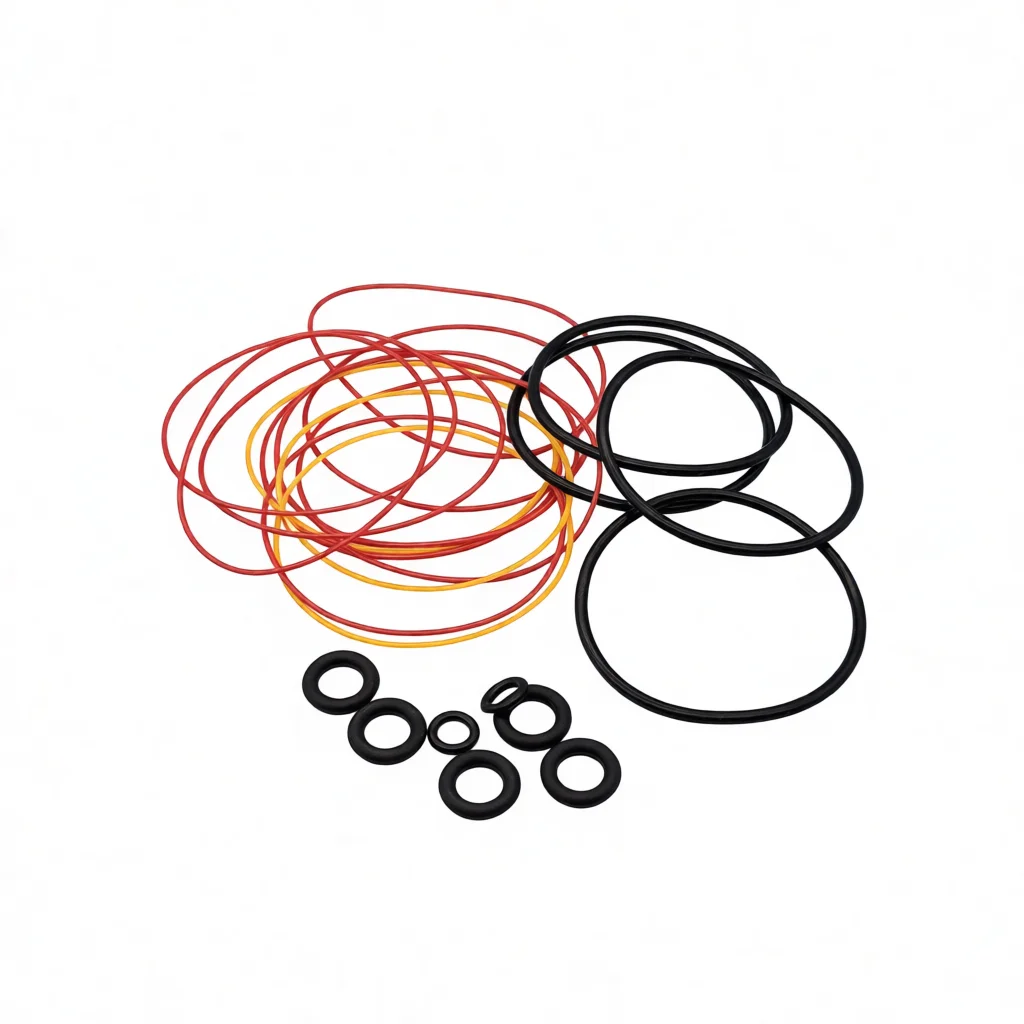
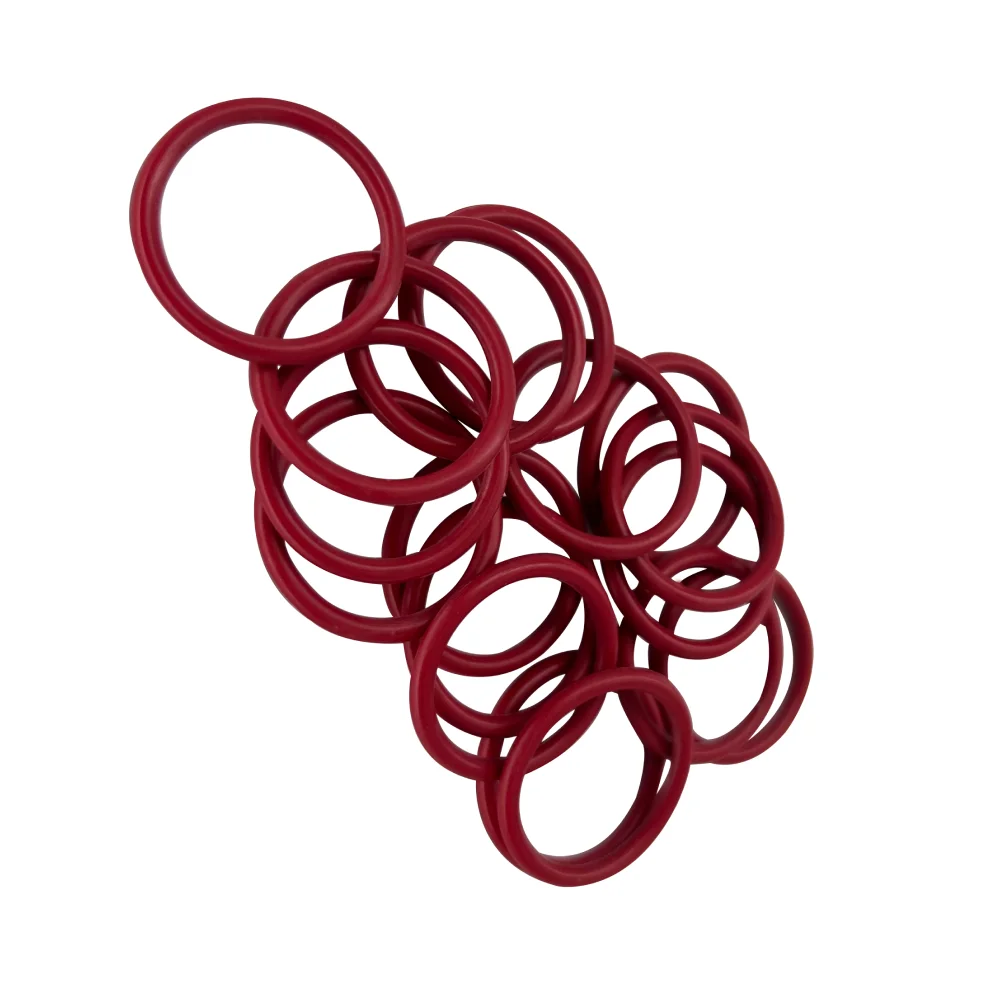
If you’re like me, you might not have given stretchy silicone O rings much thought — until something leaks or you’ve got a wobble in a gasket. But these small, elastic rings actually hold a pivotal position across countless industries worldwide. From aerospace engineering to household plumbing, and even humanitarian aid, these humble components ensure airtight seals and reliable performance. Understanding their material properties and applications is key to addressing challenges around durability, sustainability, and innovation in manufacturing today.
The Global Context: Stretchy Silicone O Rings on the World Stage
Across the globe, manufacturing industries collectively produce millions of parts daily, and seals like stretchy silicone O rings form the quiet backbone of reliability. The International Organization for Standardization (ISO) highlights the rising demand for silicone elastomers due to their flexibility and heat resistance, which are crucial for automotive, medical, and food-grade applications (1). But the problem isn’t just about production—it’s about quality, environmental impact, and adaptability in markets with diverse needs.
For example, the UN’s Sustainable Development Goals encourage innovations that reduce waste and increase product life cycles. Silicone O rings, with their durability and resistance to harsh chemicals, present an excellent case study in how smart material choices promote these goals in both industrialized and developing regions.
Mini takeaway: These tiny stretchy seals tie into broader challenges of sustainability and quality assurance globally.
What Exactly Are Stretchy Silicone O Rings?
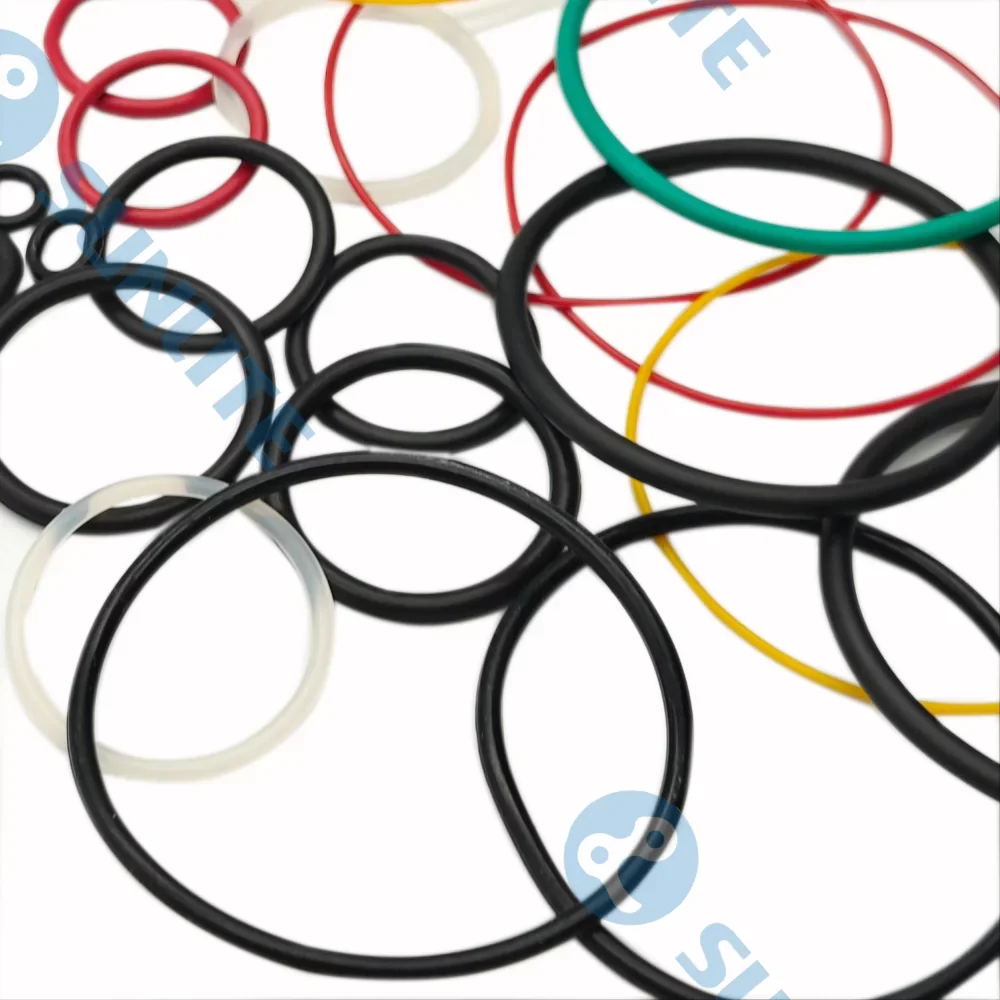
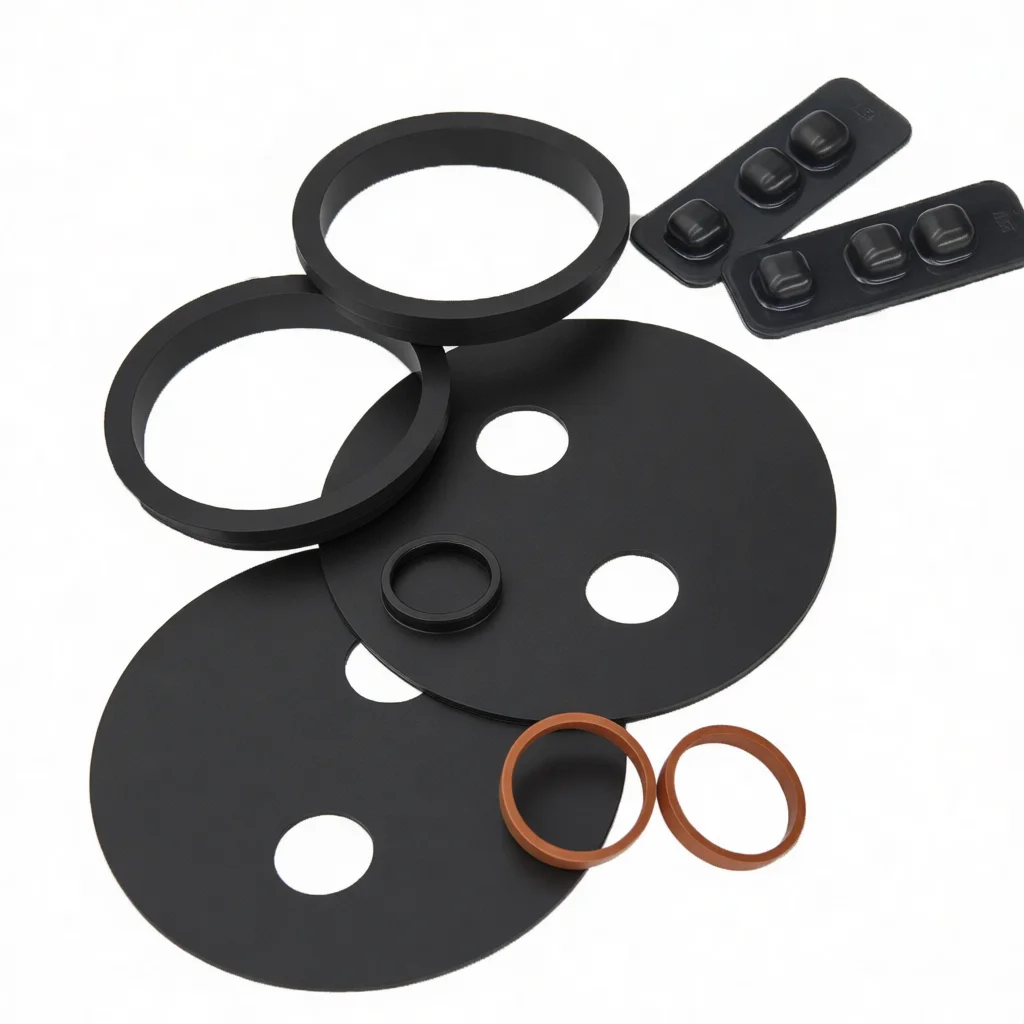
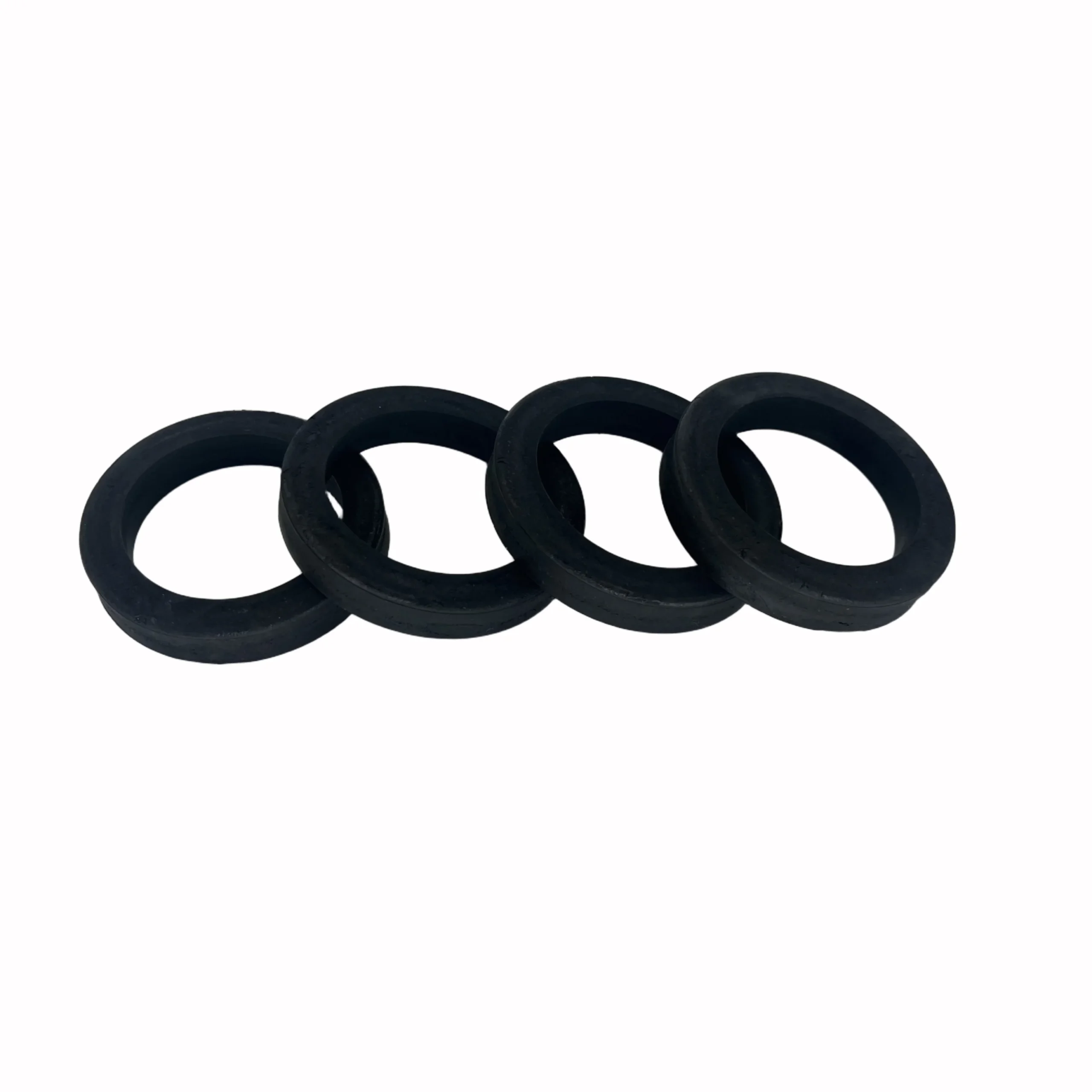
Simply put, an O ring is a torus-shaped gasket that acts like a clamp sealing two or more parts together. When we say “stretchy silicone,” we refer to the use of silicone as the elastic material, prized for its incredible flexibility and temperature tolerance, far beyond natural rubber or other elastomers. Silicone allows the ring to compress and bounce back repeatedly without cracking or losing its shape.
In practical terms, they’re critical in modern industry because machinery, aerospace devices, or even water filtration systems rely on seals that hold up in extreme conditions—think high heat or contact with corrosive chemicals.
Stretchy silicone o rings have also been used in humanitarian relief situations — airtight seals in portable water filtration pumps, for example, help guarantee safe drinking water.
Key Components That Make Stretchy Silicone O Rings Essential
Durability and Elasticity
One of the most admired qualities is their ability to stretch significantly (usually up to 300% elongation) and return to original size without deforming. This elasticity means fewer replacements and longer-lasting machinery seals.
Temperature and Chemical Resistance
These rings can handle temperatures from -60°C up to 230°C (roughly), which outperforms many other sealing materials. That makes them valuable in engines operating under extreme conditions, or food processing equipment that requires sterilization.
Scalability and Customizability
Silicone can be molded in countless sizes, thicknesses, and Shore A hardness levels, which lets engineers craft the perfect fit and resilience needed for specific applications — custom manufacturing at its best.
Cost Efficiency Over Time
While the upfront cost may be slightly higher than generic rubber O rings, their longevity and reduced failure rates save money in maintenance and downtime.
Eco-friendliness
Though silicone isn’t biodegradable, its durability means fewer discarded parts and less waste over time, aligning with circular economy strategies increasingly demanded by regulatory bodies.
Mini takeaway: These core traits explain why stretchy silicone O rings remain irreplaceable in modern sealing challenges.
Global Applications & Use Cases of Stretchy Silicone O Rings
Industries across the world have leaned on stretchy silicone O rings to solve unique challenges:
- Aerospace: In jet engines, where extreme heat and pressure demand reliable seals, silicone’s thermal resilience is indispensable.
- Medical Equipment: Stretchiness and chemical resistance make them ideal for seals in devices requiring sterilization, like dialysis machines.
- Food & Beverage: Silicone O rings maintain hygiene standards without leaching harmful substances.
- Humanitarian Relief: Aid organizations use them in portable filtration units and pumps to ensure safe water access in disaster zones.
Geographically, manufacturers in North America, Europe, and increasingly Southeast Asia produce and innovate on these components, responding to both local industrial demands and the growing call for sustainable products.
Product Specification Table
| Specification | Details |
|---|---|
| Material | Silicone Elastomer (Food Grade or Industrial Grade) |
| Temperature Range | -60°C to +230°C |
| Elongation at Break | 300% and higher |
| Shore A Hardness | 40 - 80 (customizable) |
| Chemical Resistance | Excellent against oils, alcohols, and dilute acids |
| Typical Applications | Automotive, aerospace, food processing, medical devices |
Who’s Making Them? Vendor Comparison
| Manufacturer | Material Quality | Customization Options | Global Shipping | Price Range |
|---|---|---|---|---|
| SunliteTek Industries | Food-grade & Industrial Grade | Extensive (size, hardness, color) | Yes (Worldwide) | Moderate |
| ElastoSeal Corp. | High-grade Automotive Silicone | Good (Standard sizes) | Limited (North America & EU) | Higher |
| FlexSeal Solutions | Industrial Grade, Mixed Elastomers | Moderate (Some sizes/customs) | Asia & Europe Focused | Lower |
The Long-Term Value of Stretchy Silicone O Rings
So what’s in it for industry and end users? First, reliability. Silicone O rings reduce downtime by lasting longer and resisting unexpected failures — which can be costly not just in money, but safety and reputation. Second, they support sustainability: fewer replacements equal fewer materials discarded. Third, their versatile design options mean you get precisely what your machine or system needs, no compromises.
And on a more human level, whether it’s clean water in remote zones or medical devices working without fault, they help deliver trust and dignity. I’m always reminded that sometimes the simplest components underpin some of the most complex global challenges.
Innovation and the Road Ahead
Looking into the crystal ball, the stretchy silicone O ring world isn’t static. Advances in silicone formulations aim to improve bio-compatibility and even lower environmental footprints through recycled or bio-sourced materials. Automation in production means faster turnaround for custom sizes, and digital quality control ensures every ring meets exact standards.
Plus, with rising demand for green energy tech, silicone seals are being tested in electric vehicle motors and renewable energy machinery, where traditional rubber often falls short. It seems likely that these tiny rings will continue evolving alongside major industrial transformations.
Challenges and Smart Workarounds
Not everything is perfect though. Silicone’s weaknesses include susceptibility to tear under abrasive friction and higher cost compared to some elastomers. And it’s not biodegradable, which gives environmentalists pause.
Solutions? Reinforcement with fibers, hybrid elastomer blends, and rigorous lifecycle testing help overcome weaknesses. Meanwhile, manufacturers like SunliteTek focus on batch traceability and waste reduction in production, which is a step in the right direction.
FAQs: Your Practical Questions Answered
- Q: How do I know if silicone O rings are the right fit for my machinery?
- A: Check your application’s temperature range and chemical exposure first. If you need flexibility and heat resistance beyond standard rubber, silicone O rings are your best bet. Always consult manufacturer specs.
- Q: What’s the typical lifespan of stretchy silicone O rings in industrial use?
- A: This varies widely but generally they last 3 to 5 times longer than rubber O rings under similar conditions. Harsh environments or extreme pressure may shorten this, so regular inspection is key.
- Q: Are these O rings reusable after removal?
- A: It’s not recommended. Stretching and compression cycles degrade material integrity, so replacing is safer for maintaining proper seals.
- Q: Can I customize size and hardness when ordering?
- A: Yes, vendors like SunliteTek offer tailored solutions to match your manufacturing needs.
- Q: How eco-friendly are stretchy silicone O rings?
- A: They’re durable but not biodegradable. However, fewer replacements reduce waste overall. Look for manufacturers using eco-friendly processes or recycled materials to minimize footprint.
Final Thoughts + How to Learn More
I suppose the takeaway here is that while they might seem tiny and simple, stretchy silicone O rings are silently supporting big ambitions — from keeping engines running to safeguarding clean water. Their unique balance of flexibility, durability, and adaptability makes them a staple of modern engineering and humanitarian solutions alike.
Interested? Visit SunliteTek’s website to explore a wide range of customizable silicone O rings designed to meet today’s demanding standards.
References

Stretchy Silicone O Rings: Why They Matter More Than Yo […]