Select Language
 Understanding Rubber O Ring Cord: Small Component, Big Impact
At first glance, a rubber o ring cord might seem like just a humble length of rubber — a simple strip that could be overlooked in the grand scheme of industrial engineering. But when you start peeling back the layers, you quickly realize its crucial role in sealing, safety, and reliability across countless applications worldwide. From plumbing and automotive to aerospace and humanitarian relief, these tiny rings are unsung heroes that prevent leaks, contamination, and mechanical failure.
Why should this matter globally? Well, whenever you have fluid handling, gas containment, or machinery moving parts, you’ll find these tiny seals quietly at work—often under extreme pressure, high temperature, and challenging environments. Understanding the nuances of rubber o ring cords helps engineers, procurement managers, and manufacturers avoid costly failures and optimize product lifespan — a real win for sustainability, cost-efficiency, and safety.
Why Rubber O Ring Cord Matters Globally
Consider the global market for sealing solutions: The International Organization for Standardization (ISO) estimates that failures in sealing components cause billions in losses annually, through downtime, repairs, and even environmental damage. Furthermore, with over 50% of industrial equipment requiring reliable seals — including pumps, valves, and cylinders — the stakes are high. Regions with fast-growing manufacturing, like Southeast Asia and Latin America, especially lean on dependable rubber o ring cord supply chains.
The rising awareness of sustainable practices also impacts material demand and use in o ring cords. According to UN Environment Programme data, industries worldwide are under pressure to adopt greener materials and improve component lifecycles — both areas where advances in rubber technology promise huge improvements.
What Exactly Is a Rubber O Ring Cord?
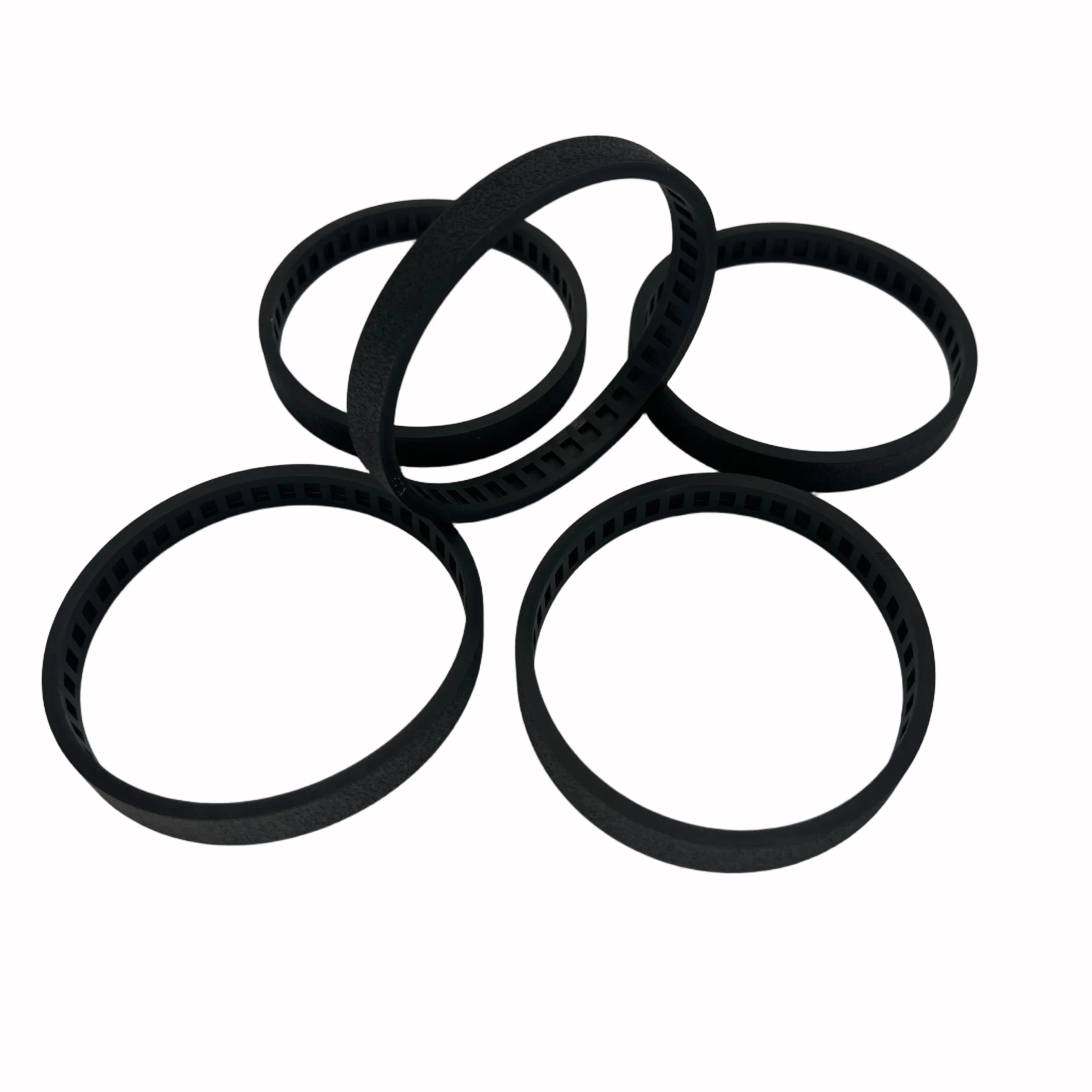
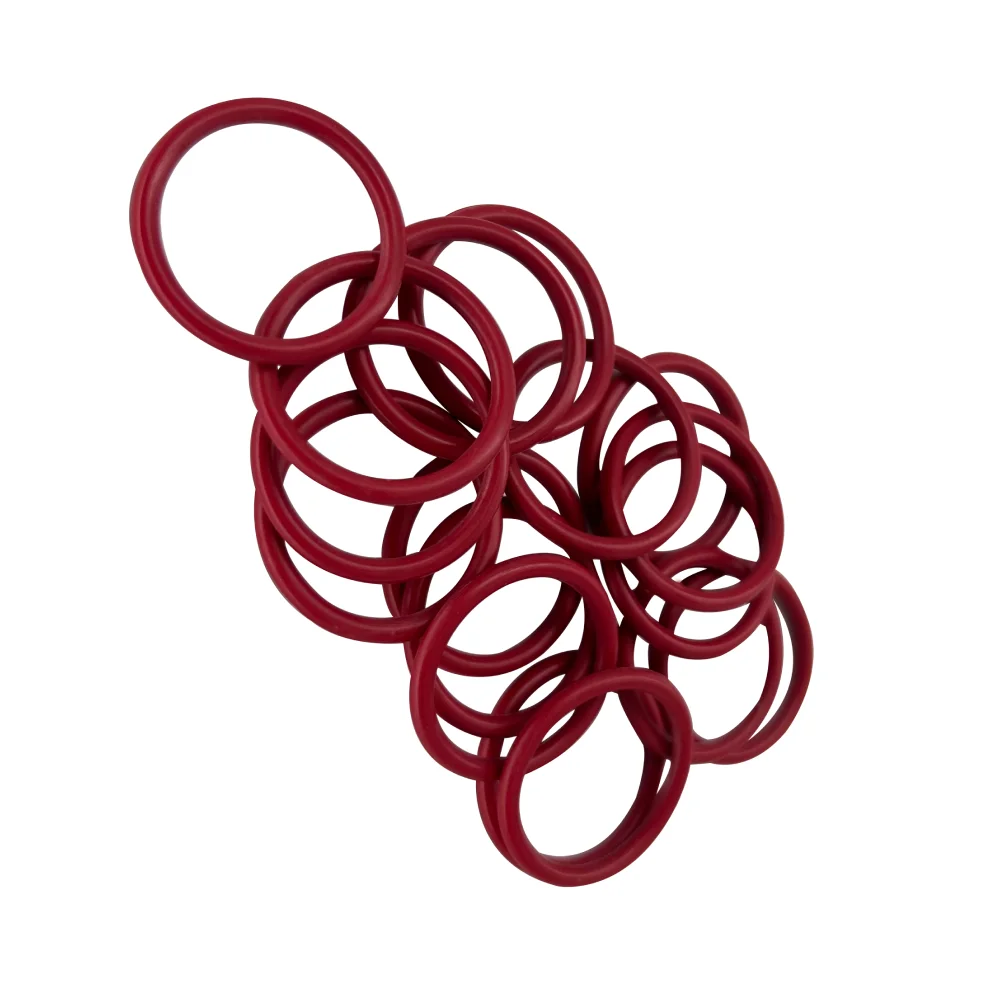
Simply put, a rubber o ring cord is a continuous, circular rubber strip that’s either cut or molded into a ring shape to create a seal between two surfaces. Its circular cross-section provides uniform sealing pressure, minimizing leaks in static or dynamic applications.
It’s kind of the gasket’s minimalistic cousin — easy to install yet unbelievably effective. You find o ring cords in everything from your car engine to high-pressure industrial pumps. On a humanitarian note, they’re essential in clean water systems used in disaster relief, ensuring safe drinking water access when infrastructures are compromised.
Key Factors That Define Rubber O Ring Cord Performance
1. Material Durability
The composition of the cord — natural rubber, silicone, EPDM, or nitrile — defines its resistance to heat, chemicals, ozone, and wear. For instance, nitrile rubber handles oils well, making it popular in automotive fuel systems.
2. Dimensional Consistency & Precision
Since o ring cords are precursors to the final ring shape, uniform diameter and smooth surface finish are critical. Variations can lead to improper sealing and premature failure. This is why suppliers invest heavily in extrusion technology and quality checks.
3. Scalability & Customization
Different industries need customized sizes and hardness levels (measured in Shore A), sometimes requiring tailored blends to meet specific standards. Versatility makes rubber o ring cords attractive to sectors as diverse as aerospace and food processing.
4. Cost Efficiency
Their relative simplicity combined with mass production capabilities keeps prices competitive. Though some high-performance materials can be costly, the lifecycle benefits usually offset initial expenses.
5. Environmental Stability
Resistance to UV radiation, ozone, and extreme climates extends the functional life outdoors or in harsh factory conditions — vital for oil & gas and water treatment plants.
Mini Takeaway:
Choosing the right material and dimensions for your rubber o ring cord is the foundation of effective sealing — and skipping this step often causes headaches down the line.
Global Applications of Rubber O Ring Cord
These seals are everywhere — honestly, they’re the quiet backbone of modern mechanical systems:
- Automotive Industry: Critical in hydraulic brake systems and fuel lines.
- Water Treatment & Plumbing: Prevent leakage in valves and pumps, ensuring clean water supply in remote and urban zones alike.
- Aerospace & Defense: Seal pumps and engine components under extreme pressure and temperature.
- Food & Pharmaceutical: Food-safe EPDM rubbers that resist sterilization chemicals.
- Humanitarian Aid: Sustaining water purification equipment and irrigation systems in disaster-stricken areas.
In fact, some NGOs detail how durable rubber components helped water systems last months longer during relief missions, reducing the logistical burden for follow-up support.
Typical Rubber O Ring Cord Specifications
| Characteristic | Typical Range / Standard |
|---|---|
| Cross-sectional Diameter (mm) | 1.5 - 12 |
| Material Types | Nitrile (NBR), Silicone, EPDM, Fluorocarbon |
| Hardness (Shore A) | 40 - 90 |
| Temperature Range (°C) | -55 to +230 (depending on rubber type) |
| Color Options | Black, Red, White, Grey (industry dependent) |
Vendor Comparison: What to Look for When Buying Rubber O Ring Cord
| Feature | SunliteTek | Vendor A | Vendor B |
|---|---|---|---|
| Custom Sizes Available | Yes | Limited | Yes |
| Material Variety | Full range | Nitrile & Silicone | EPDM only |
| ISO Certified Quality | ISO 9001 | Pending | No |
| Global Shipping | Yes | Regional only | Yes |
| Customer Support | 24/7 Technical Support | Business hours only | Email support |
Why Businesses Keep Coming Back for Rubber O Ring Cord
The masters of mechanical sealing repeatedly vouch for the long-term economic benefits of choosing quality rubber o ring cords. It’s not just the price tag upfront — it’s the reliability, the peace of mind, and the reduced downtime. Plus, increasingly, companies care about sustainability. Suppliers who offer materials with lower environmental impact and longer lifespans earn serious loyalty. It’s somewhat refreshing to see technical components like this prioritize not only function but also trust and responsibility.
Emerging Trends and Innovations Shaping Sealing Solutions
What’s next? Well, innovation is quietly brewing. Here are some promising trends in rubber o ring cord technology:
- Bio-based Rubber Materials: Reducing reliance on petrochemicals.
- Nano-engineered Surface Coatings: Better sealing with less friction.
- Smart Sensors Embedded in Seals: Allowing predictive maintenance before leaks appear — yes, the IoT even touches o rings.
- Automation in Extrusion: Increasing dimensional precision and reducing waste.
These advances align beautifully with global pushes towards sustainability and digital transformation, making tomorrow’s rubber o ring cords smarter and greener.
Common Challenges and How To Overcome Them
In practice, rubber cords aren’t free from bumps in the road. Some issues I’ve heard from engineers include:
- Material degradation over time, especially under chemical or UV exposure.
- Dimensional inconsistencies, leading to difficult installation or leaks.
- Supply chain delays impacting replacement parts availability.
Solutions involve selecting appropriate compounds based on application, working closely with reputable vendors (like SunliteTek), and embracing modern production controls — basically, not skipping the homework.
FAQ: Your Questions About Rubber O Ring Cord
Q1: What makes rubber o ring cord preferable to other sealing materials?
Rubber o ring cords offer excellent elasticity, chemical resistance, and ease of installation. Unlike flat gaskets, they provide uniform sealing pressure around circular fittings, reducing leak risks. Plus, their adaptability to diverse environments makes them a versatile choice across industries.
Q2: How do I choose the right rubber material for my application?
Consider exposure conditions like temperature, chemicals, and wear. For example, nitrile rubber works well with oils, EPDM suits water and steam, and silicone survives extreme temperature swings. Consulting suppliers on compatibility is always a smart move.
Q3: Can rubber o ring cords be customized in size and hardness?
Absolutely. Many vendors offer extrusion and compounding services enabling you to specify diameter, Shore hardness, and rubber blend to perfectly fit your sealing needs.
Q4: Are there eco-friendly rubber o ring cord options?
Yes, bio-based and recycled rubber formulations are gaining traction, helping reduce environmental footprints without sacrificing performance.
Q5: How long can rubber o ring cords last in industrial settings?
Depending on material and operating conditions, well-chosen o rings can last anywhere from 3 to 10 years, sometimes longer with proper maintenance.
In Conclusion: Why Rubber O Ring Cord Should Be On Your Radar
In real terms, understanding rubber o ring cords is more than a small technical detail — it’s a key part of producing, maintaining, and improving machines and infrastructures that affect everyday life across the planet. Their broad applicability, coupled with evolving material science and production technologies, secures their place well into the future. So next time you think “just another seal,” remember there’s a lot more going on inside those little circles.
Interested in high-quality rubber o ring cord solutions? Visit our website for detailed specs, custom orders, and expert advice — you'll see why sourcing from trusted partners changes the game.
References

Understanding Rubber O Ring Cord: Small Component, Big […]