

 Select Language
1. Rubber
The globally accepted definition of rubber is cited from ASTM D1566 (American Society for Testing and Materials).
Definition:
Rubber is a material capable of rapid and forceful recovery after large deformation, and can be modified (vulcanized). The modified rubber is essentially insoluble (but swellable) in boiling benzene, methyl ethyl ketone, or ethanol–toluene solvent mixtures.
At room temperature (18–29 °C), when a piece of modified rubber is stretched to twice its original length and held for one minute, upon release it returns within one minute to less than 1.5 times its original length.
A material exhibiting these characteristics is defined as rubber.
Notes:
Rubber is a material possessing specific application and processing properties and belongs to the class of organic polymer materials.
Rubber exhibits high elasticity at room temperature.
The term “modifiable” refers to its ability to undergo vulcanization.
Vulcanized rubber is insoluble but swellable in solvents.
2. Raw Rubber
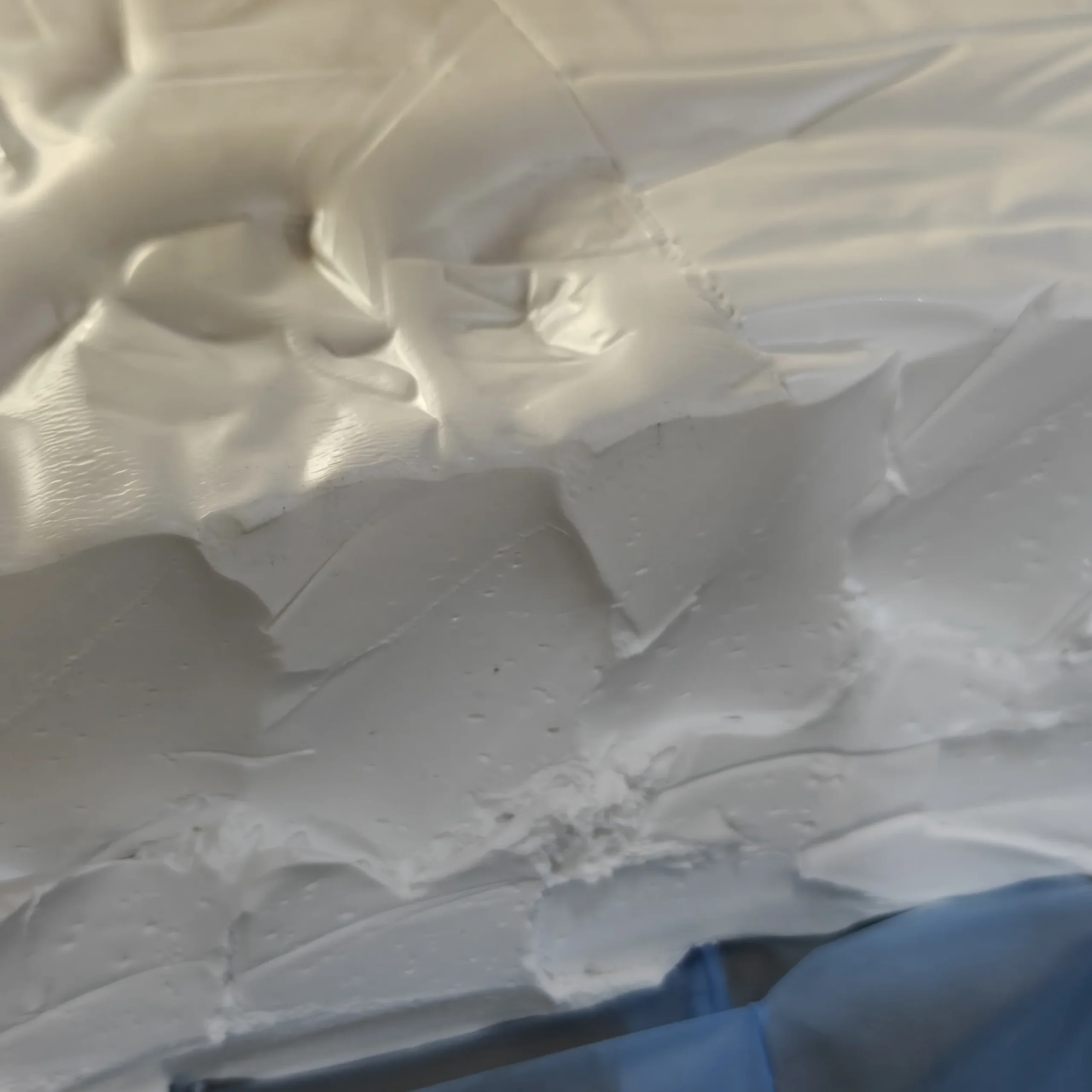
Raw rubber refers to unvulcanized rubber that has not been compounded with additives and has not yet undergone crosslinking. It usually consists of linear macromolecules or branched linear polymers and is soluble in organic solvents.
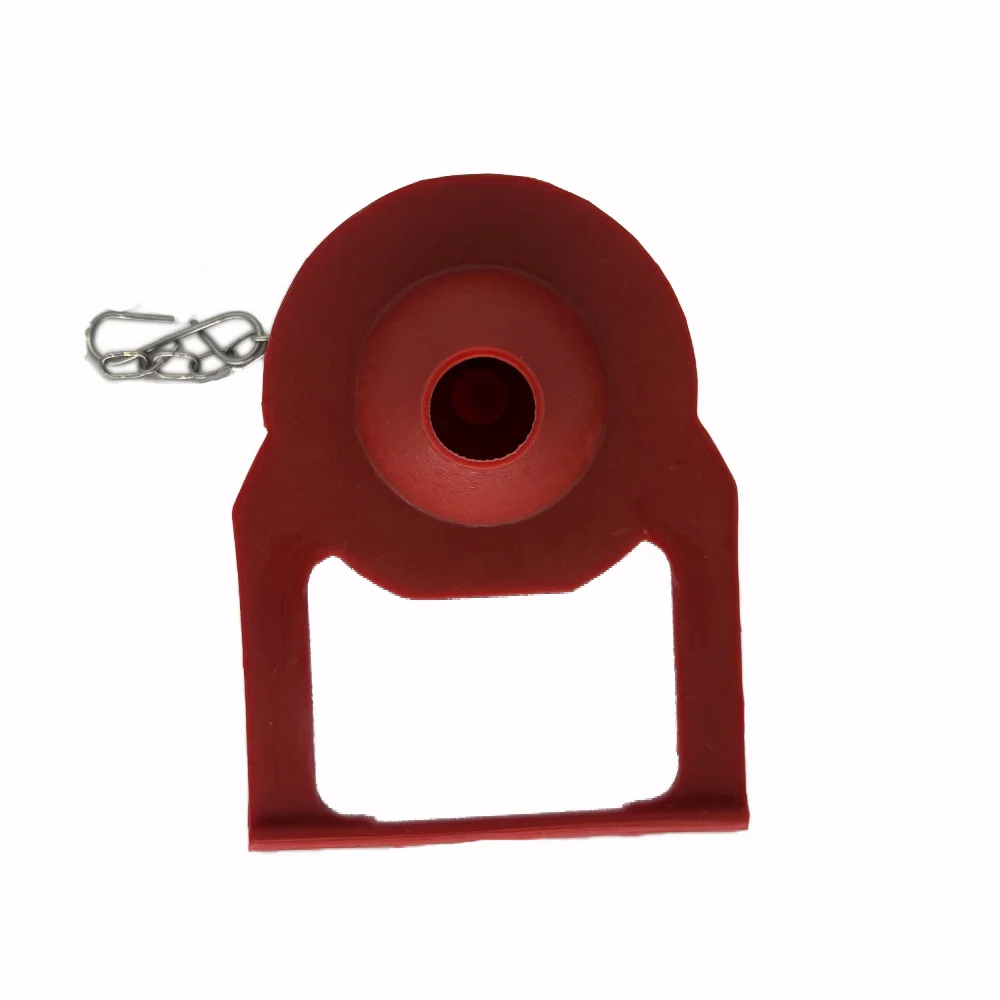
Raw rubber is mainly used to produce various non-vulcanized rubber components, such as temporary sealing gaskets, unvulcanized joints, and rubber coating layers.
These products exhibit good plasticity and reprocessability, but lower heat resistance and mechanical strength, making them suitable for pre-processing or semi-finished stages of rubber manufacturing.
3. Rubber Compound (Mixed Rubber)
Rubber compound (compound rubber) refers to raw rubber that has been mixed with various compounding agents but has not yet undergone vulcanization.
Common compounding agents include vulcanizing agents, accelerators, activators, reinforcing fillers, and antioxidants.
Rubber compound serves as a key intermediate material for non-vulcanized rubber components, and can also be further vulcanized to form vulcanized rubber parts with high elasticity, aging resistance, and durability.
4. Vulcanized Rubber
Vulcanized rubber refers to rubber compounds that, under specific temperature, pressure, and time, undergo a crosslinking reaction, transforming linear macromolecules into a three-dimensional network structure.
It is generally insoluble in solvents and exhibits excellent mechanical strength, elasticity, abrasion resistance, and heat resistance.
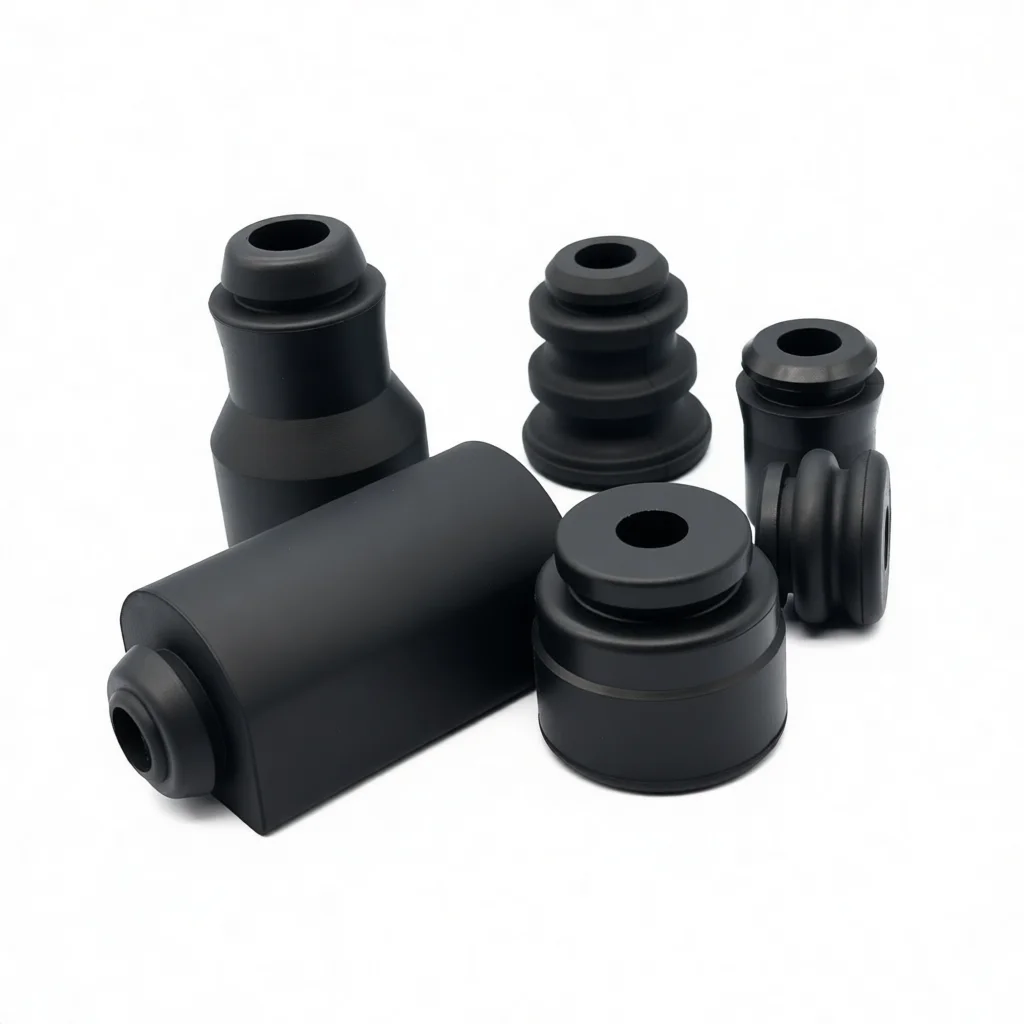
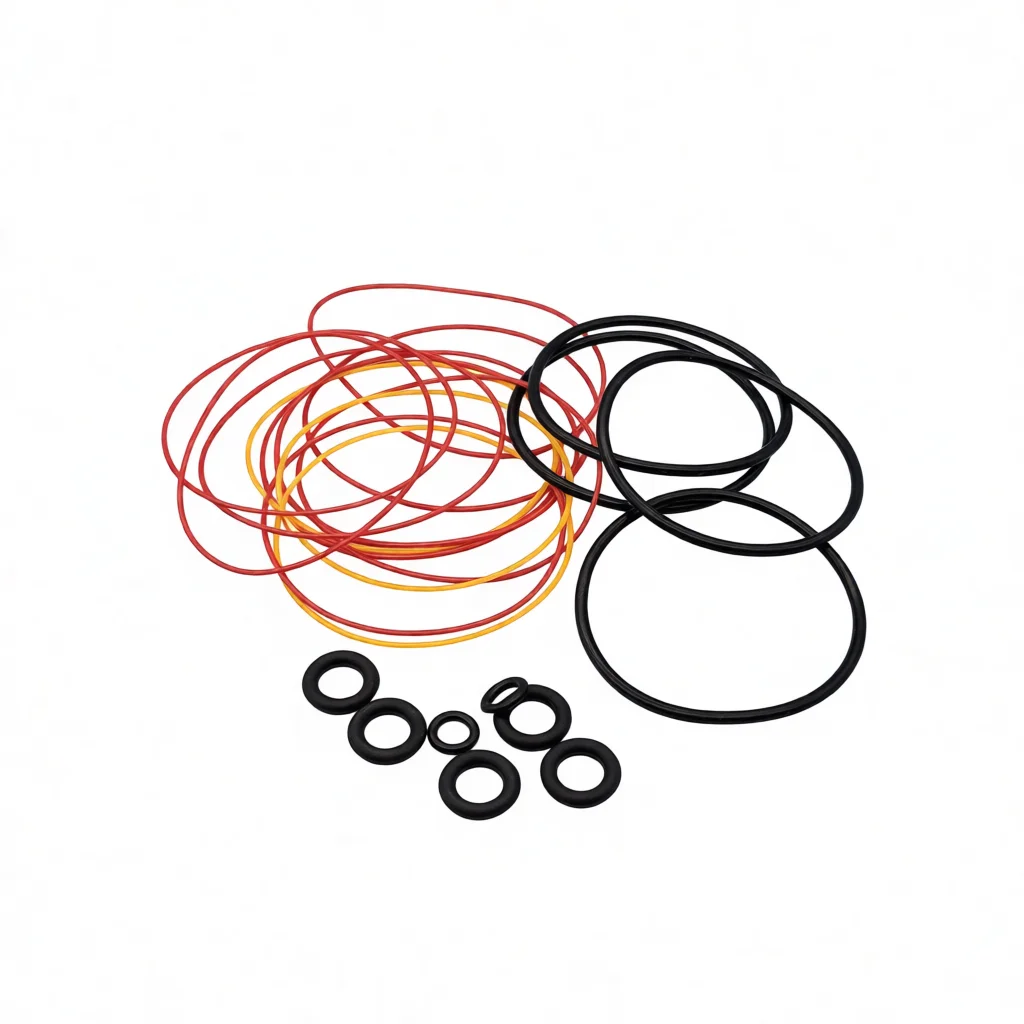
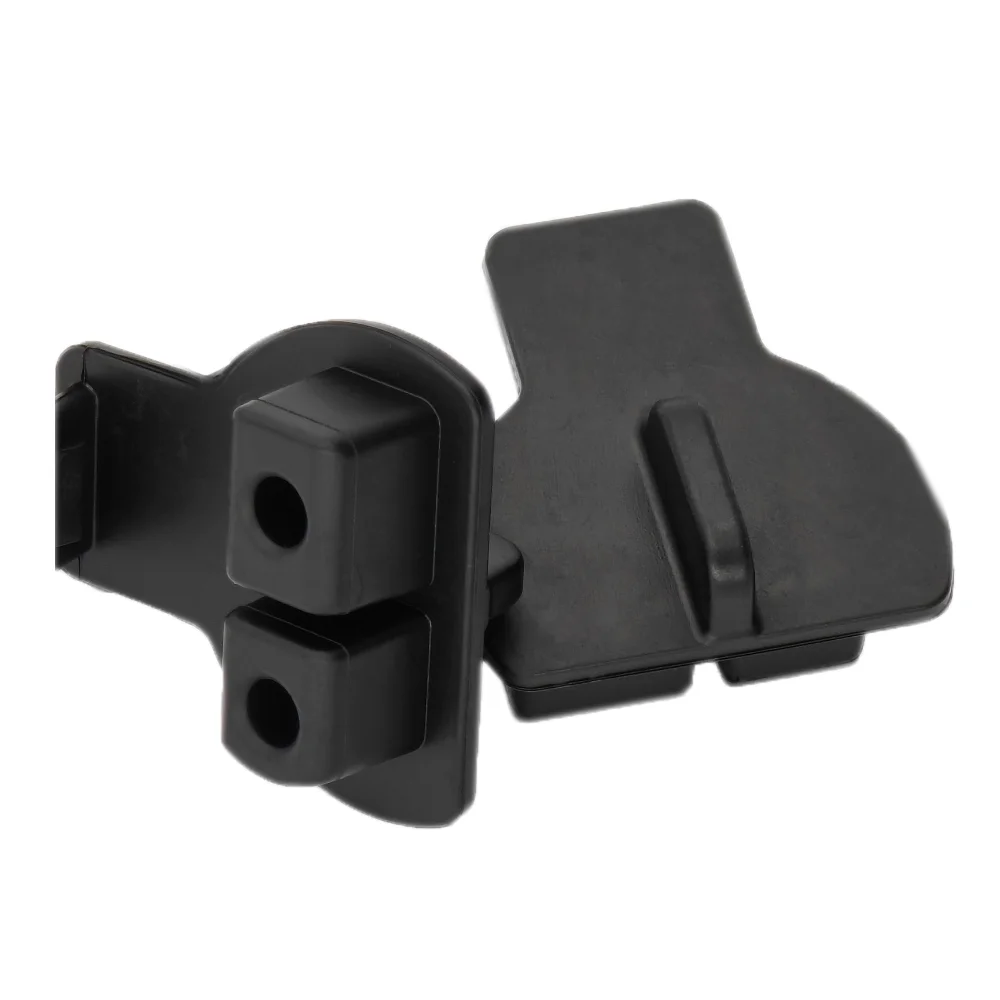
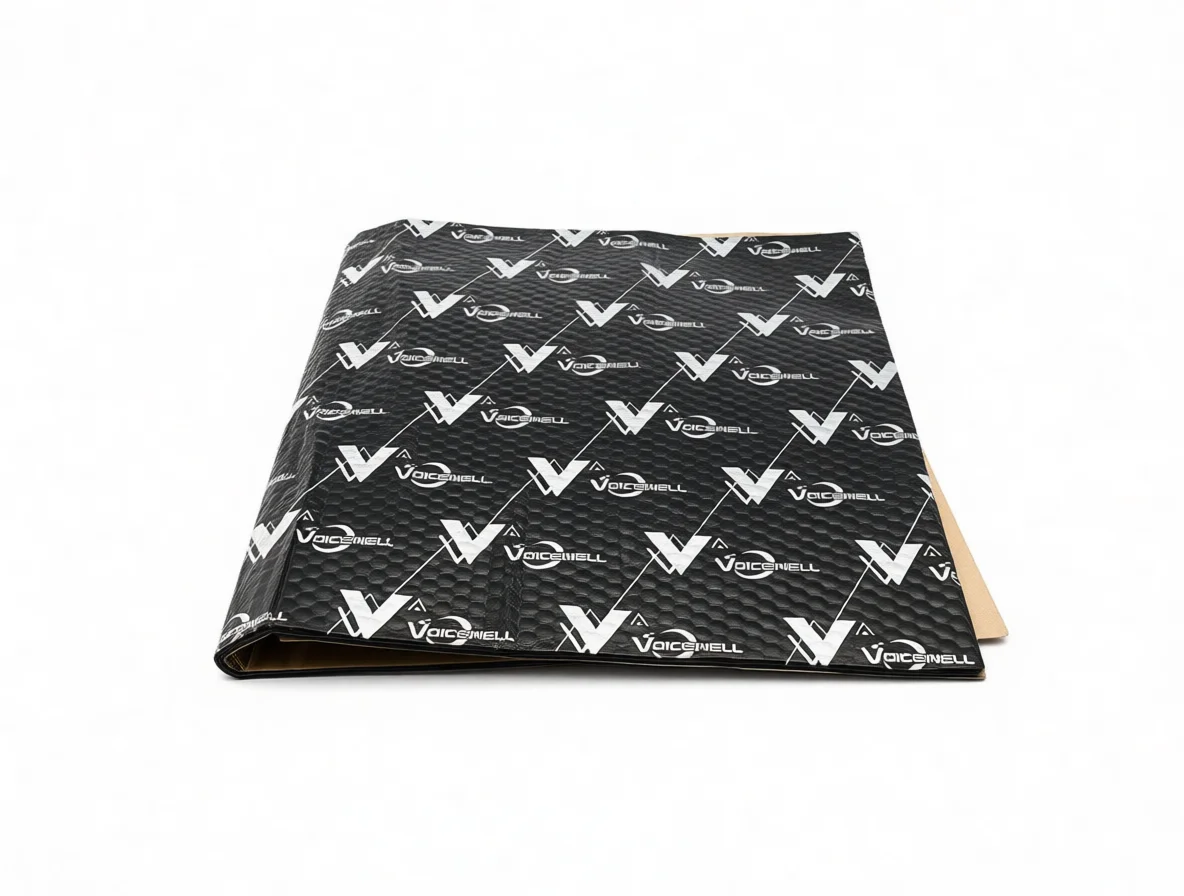
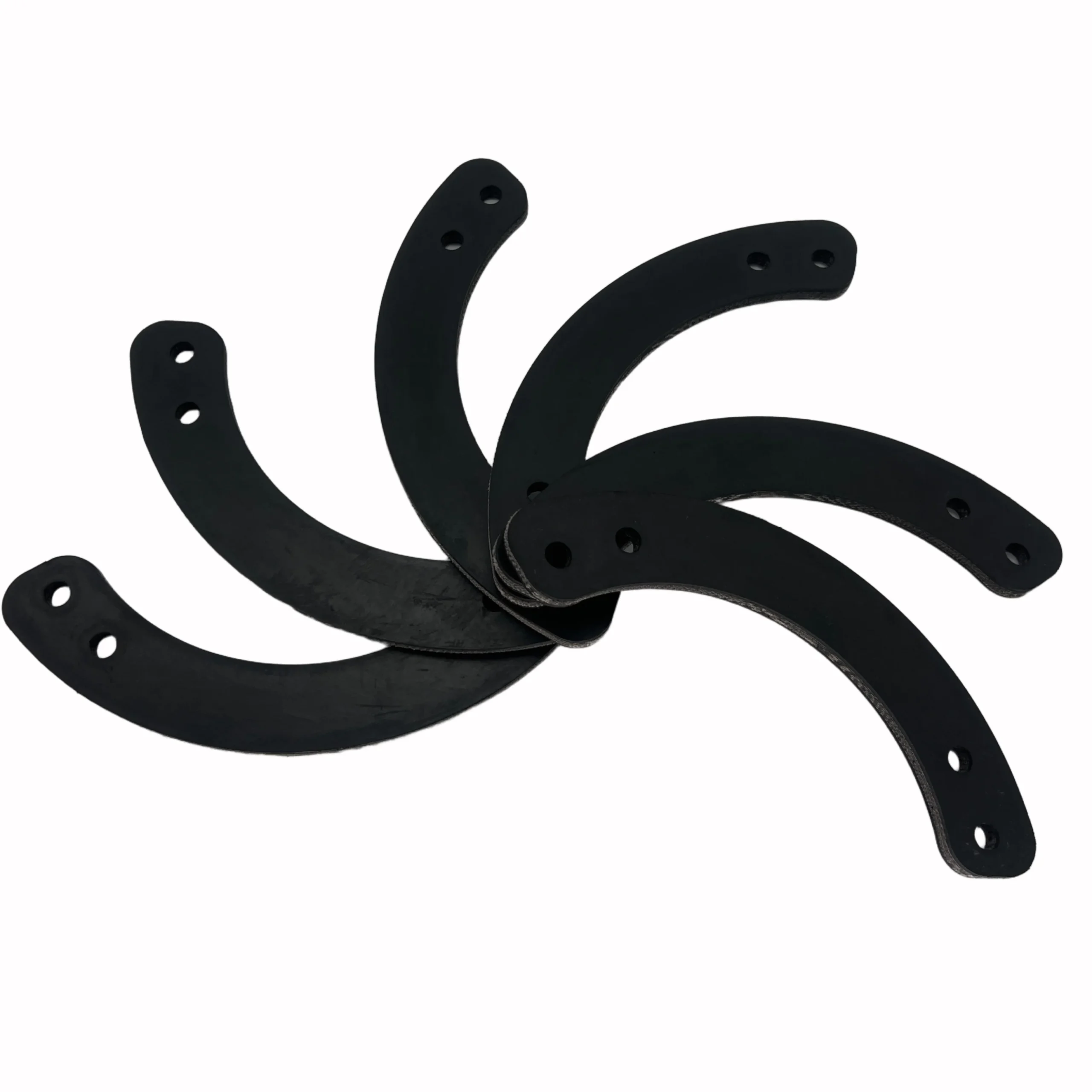
This type of rubber is widely used in the production of various vulcanized rubber parts, such as automotive vibration dampers, oil seals, O-rings, cable sheaths, and industrial sealing products.
In contrast, non-vulcanized rubber components are primarily used in process transition or temporary protection applications, and cannot withstand long-term exposure to high temperature, high pressure, or chemical environments.
The globally accepted definition of rubber is cited from ASTM D1566 (American Society for Testing and Materials).