Select Language
 Understanding High Temperature Silicone O Rings: Why They Matter More Than Ever
At first glance, a high temperature silicone o ring might seem like a simple piece of rubber. But it’s more than that — it’s a quietly indispensable hero in countless applications where temperature extremes and reliability intersect. From aerospace engineering to medical devices and industrial manufacturing, these seals keep fluids, gases, and contaminants in check. Knowing what makes them tick, especially their heat resistance, opens doors to safer, more efficient operations worldwide.
In a nutshell: Understanding high temperature silicone o rings is key to tackling today's challenges in industries ranging from energy to healthcare. Their benefits aren’t just technical; they span cost-efficiency, sustainability, and the peace of mind that comes with reliable performance.
The High Stakes World of High Temperature Silicone O Rings
Globally, industries are facing pressure to operate under more extreme conditions while minimizing downtime and waste. According to the International Organization for Standardization (ISO), sealing solutions must endure increasing thermal stress without losing integrity. For example, in petrochemical plants or aviation engines, temperatures regularly surge above 200°C (392°F), making ordinary O-rings inadequate.
Statistics from the United Nations Industrial Development Organization (UNIDO) highlight rapid growth in sectors relying on high temperature sealing — think Asia Pacific and Middle East oil and gas expansions — underscoring an urgent need for advanced materials like high temperature silicone o rings.
In short, these o rings offer a solution to a problem both old and new: how to maintain a tight seal where heat and harsh conditions threaten material failure.
What Exactly Is a High Temperature Silicone O Ring?
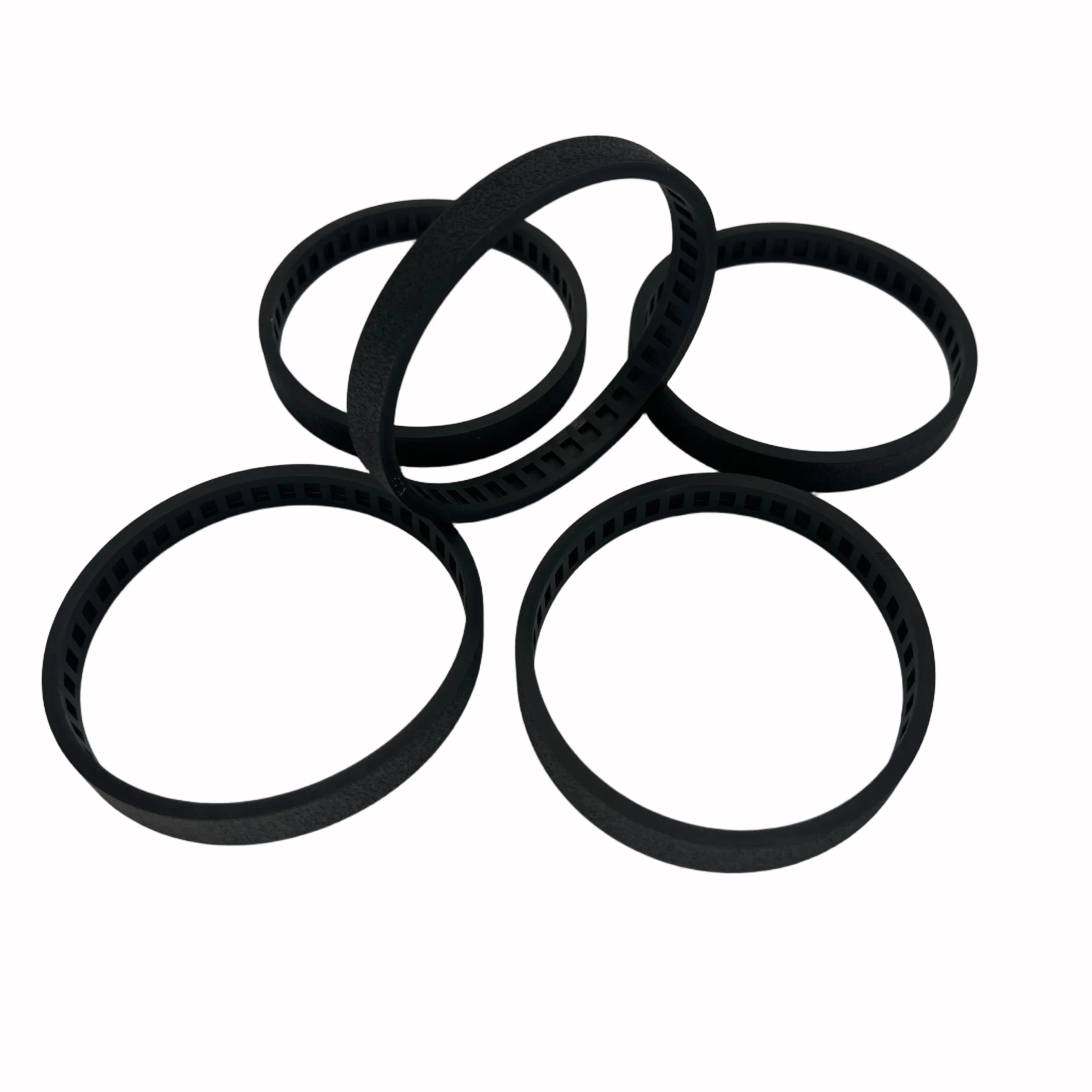
Simply put, a high temperature silicone o ring is a circular seal made from specially formulated silicone rubber designed to withstand elevated temperatures, often ranging from -60°C up to 230°C (or even higher in some cases). Unlike standard silicone, these compounds include additives or unique curing processes to reinforce heat resistance and elasticity.
Why does this matter? Well, in everything from automotive cooling systems to life-saving medical devices, maintaining a perfect seal prevents leaks, contamination, and equipment damage. The resilience of silicone to heat and its chemical inertness connect intimately to modern industry’s push for reliability and safety.
Core Components That Define High Temperature Silicone O Rings
1. Durability Under Thermal Stress
Arguably the most critical feature. These O rings retain flexibility even when subjected to intense heat cycles. Unlike nitrile or fluorocarbon options, high temperature silicone resists cracking or hardening over time.
2. Chemical Resistance
They can handle exposure to oils, solvents, and coolants without significant degradation — essential for automotive and industrial hydraulic systems.
3. Compression Set Resistance
This is a fancy term for how well the ring bounces back after being squished. High temp silicone formulations excel here, maintaining their shape and sealing ability longer.
4. Flexibility at Extreme Temperatures
From freezing conditions down to cryogenic levels, these O rings stay pliable, which broadens their application range dramatically.
5. Compliance & Certification
Many high temperature silicone o rings meet stringent ISO or FDA standards — particularly important for food-grade or medical device uses.
Mini takeaway: When picking a silicone O ring for heat-intensive use, don’t just think ‘silicone.’ Think durability, flexibility, chemical resistance — all balanced for your specific environment.
Global Applications: Where High Temperature Silicone O Rings Shine
Across continents and industries, these O rings are quietly making a difference.
- Aerospace: Engines and fuel systems must hold up under punishing conditions, and these seals do just that.
- Automotive Manufacturing: Cooling systems and transmissions often depend on silicone seals’ temperature endurance.
- Food & Beverage: Thanks to FDA-compliant versions, high temp silicone o rings seal liquid processing equipment safely without chemical contamination risks.
- Oil & Gas: In harsh climates like the Middle East, these seals enable pipelines and machinery to keep working smoothly.
- Medical Devices: Sterile environments and repeated sterilization cycles call for robust, heat-resistant sealing materials.
Even NGOs operating in post-disaster zones appreciate the durability when restoring vital equipment under rough conditions. It’s always interesting how such a small component can influence large-scale safety and efficiency.
Advantages That Go Beyond Sealing
High temperature silicone o rings are more than a stopgap; they’re an investment in long-term value:
- Cost Efficiency: Reduced maintenance and longer replacement cycles mean less downtime and expense.
- Sustainability: The longer lifespan and inert nature of silicone minimize waste and environmental impact.
- Reliability: Peace of mind in mission-critical applications where failure could mean catastrophic loss.
- Safety and Compliance: Meeting FDA, ISO, and other codes supports user and environmental safety—which is paramount.
In real terms, you’re buying trust. And that’s priceless.
Innovation & Trends Lighting the Way Forward
Looking ahead, the industry is embracing:
- Eco-friendly silicones: Bio-based and recyclable polymers that retain heat tolerance.
- Advanced testing methods: Digital and infrared diagnostics enhance quality assurance.
- Customization: Tailored elastomers enhancing fit for tricky geometries and mixed-media joints.
- Automation in manufacturing: Ensures consistency and reduces errors, boosting global supply efficiency.
Oddly enough, innovations often come from unexpected sectors, pushing silicone o rings into greener, smarter realms.
Challenges and How Experts Tackle Them
Of course, high temperature silicone is not foolproof. Some persistent challenges include:
- Compression set over long cycles: Even the best elastomers fatigue eventually.
- Chemical compatibility limits: Some aggressive substances degrade silicone faster.
- Cost compared to standard materials: Premium materials come at a premium price.
To overcome this, manufacturers often blend silicone with other compounds or apply coatings that enhance durability. Some engineers use layered sealing or double O ring systems to add redundancy.
High Temperature Silicone O Ring: Specification at a Glance
| Characteristic | Typical Value | Units |
|---|---|---|
| Temperature Range | -60 to +230 | °C |
| Hardness (Shore A) | 60-80 | Scale |
| Compression Set (70h @ 200°C) | % | |
| Chemical Resistance | Good (Oils, Solvents) | - |
| Tensile Strength | 6-12 | MPa |
Comparing Leading Vendors of High Temperature Silicone O Rings
| Vendor | Temperature Range (°C) | Certifications | Price Range | Customization Options |
|---|---|---|---|---|
| SiliconeTech Pro | -60 to 230 | ISO 9001, FDA | $$$ | Full range of sizes and hardness |
| HeatSeal Corp. | -50 to 260 | ISO 14001 | $$$$ | Specialty blends, color-coded seals |
| GlobalSeal Solutions | -60 to 220 | FDA, RoHS | $$ | Standard sizes, quick delivery |
Frequently Asked Questions About High Temperature Silicone O Rings
1. What temperature ranges can high temperature silicone o rings reliably withstand?
Typically, these silicone O rings perform well between -60°C to 230°C. Some specialized variants can tolerate slightly higher temperatures up to 260°C. Always check manufacturer specs for exact limits and choose accordingly.
2. Are high temperature silicone o rings suitable for food and medical applications?
Yes. Many are manufactured to meet FDA and ISO standards ensuring they are safe for food contact and medical environments. Their chemical inertness and heat stability also support sterilization processes.
3. How do high temperature silicone o rings compare to other materials like nitrile or Viton?
Silicone generally offers superior temperature flexibility and aging resistance but can be less resistant to some chemicals compared to Viton. Nitrile handles oils well but fails faster under heat. Choice depends on the specific application needs.
4. Can these O rings be customized in terms of size and hardness?
Absolutely — most vendors offer customization options including different diameters, cross-sections, and Shore hardness to fit diverse industrial requirements.
5. How often should high temperature silicone o rings be inspected or replaced?
Inspection intervals vary with usage, but regular maintenance checks every 6-12 months are common, especially in critical systems. Replacement periods depend on exposure levels but tend to be longer than standard O rings due to their durability.
In Closing: The Unsung Hero of Heat-Resistant Sealing
Wrapping this up, high temperature silicone o rings quietly anchor the integrity of vital machinery worldwide. They offer a blend of heat resistance, chemical stability, and flexible durability that few other materials can match. Whether you’re in aerospace, automotive, or medical device manufacturing, these small rings deliver big peace of mind.
Interested? Explore reliable solutions and stock that fit your industry needs at high temperature silicone o ring. Because nothing quite beats the confidence of a seal that won’t quit.
References

Understanding High Temperature Silicone O Rings: Why Th […]