Select Language
 What Is the NBR 70 O Ring Specification and Why Does It Matter?
When it comes to sealing solutions that keep machinery leak-free and efficient, the nbr 70 o ring specification is something of a quiet hero. Why? Because these O-rings, made from nitrile butadiene rubber (NBR) with a hardness grade around 70 on the Shore A scale, are widely used across industries worldwide to ensure reliable sealing under pressure, temperature, and chemical exposure. From automotive engines to industrial pipelines, understanding the specification helps engineers and buyers pick the right seal for the right job, saving downtime, costs, and headaches.
Globally, with billions invested in manufacturing and infrastructure, even a single seal failure can cascade into major issues. That’s why precision in the NBR 70 O ring specification is so key — it sets a benchmark for durability, elasticity, and resistance.
Mini takeaway: The nitrile O-ring standard around Shore 70 hardness isn’t just a technical detail—it’s the foundation of safe, reliable sealing in countless machines worldwide.
Global Demand and Industry Context for NBR 70 O Rings
Picture the sheer scale of global industrial production: according to the International Rubber Study Group, over 28 million metric tons of synthetic rubber were produced worldwide in recent years. A major chunk of that serves dynamic and static sealing needs such as O-rings. The nbr 70 o ring specification is a particularly common benchmark primarily because it balances flexibility with durability effectively.
But there’s a real challenge—industries operating in harsh environments ranging from the scorching oilfields of the Middle East to the frigid pipelines in northern Europe need seals that withstand extremes without failing prematurely. The right NBR 70 O rings minimize leaks — a top concern when you consider that pipeline leakage alone costs billions of dollars and ecological damage each year (source: IEA).
Thus, the NBR 70 standard addresses a clear market need for robust, cost-effective, and reproducible sealing parts that fit many environmental profiles.
Mini takeaway: The NBR 70 O ring spec is a global manufacturing staple precisely because it helps tackle real-world sealing challenges linked to leaks, efficiency, and safety.
Decoding the NBR 70 O Ring Specification
So, what does the term nbr 70 o ring specification actually mean? Let’s break it down:
- NBR: This stands for Nitrile Butadiene Rubber, a synthetic polymer prized for its resistance to oils, fuels, and abrasion.
- 70: This number corresponds to the Shore A hardness rating, a scale that measures rubber's hardness on a spectrum where 0 is softest and 100 is hardest. A 70 rating is considered medium-hard, providing a firm, resilient seal without becoming brittle.
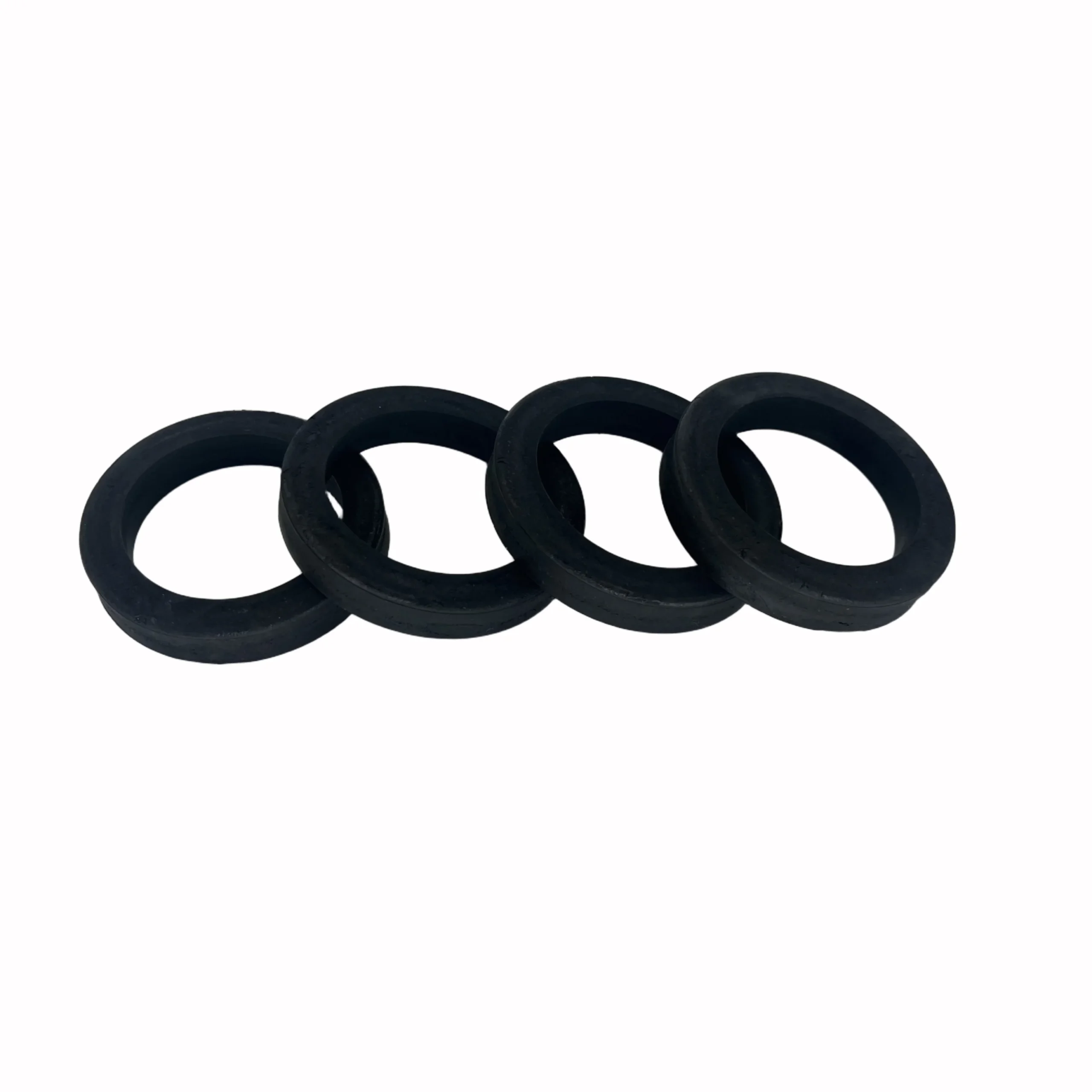
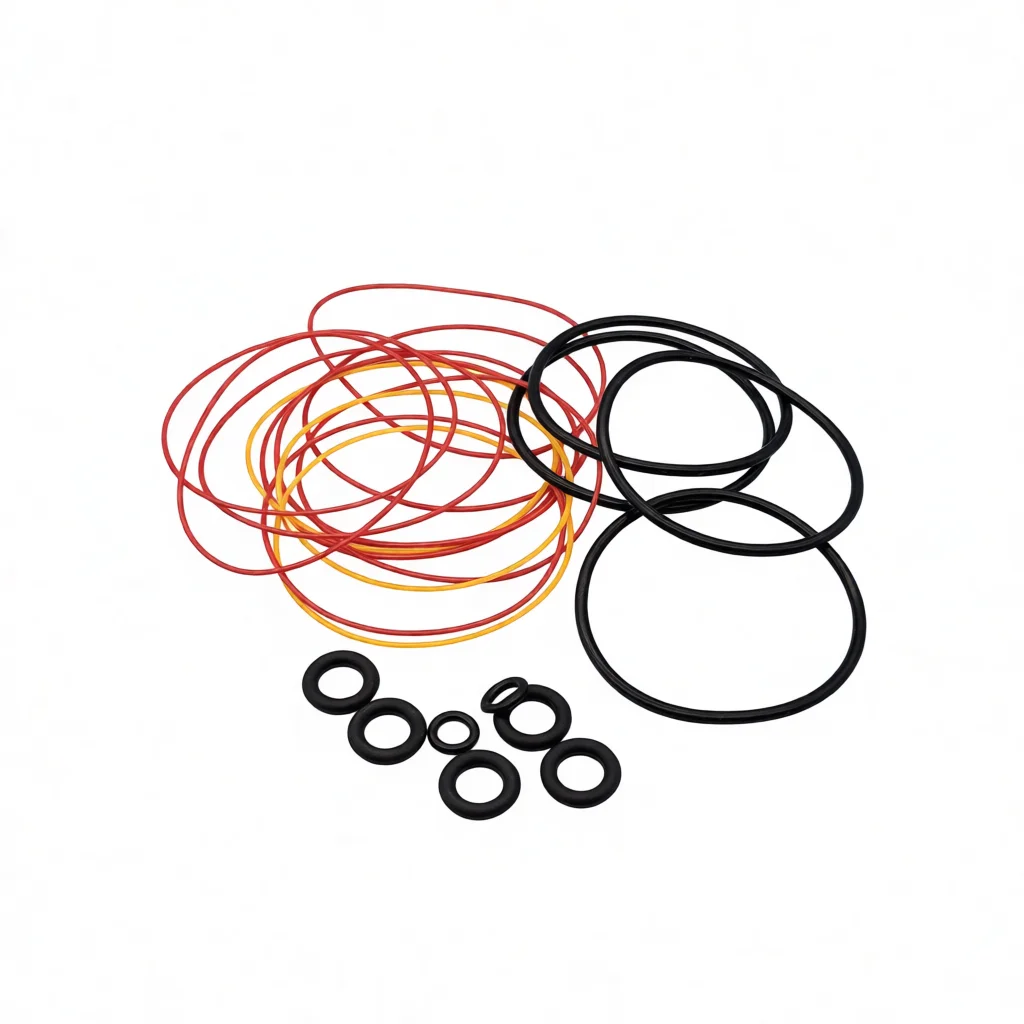
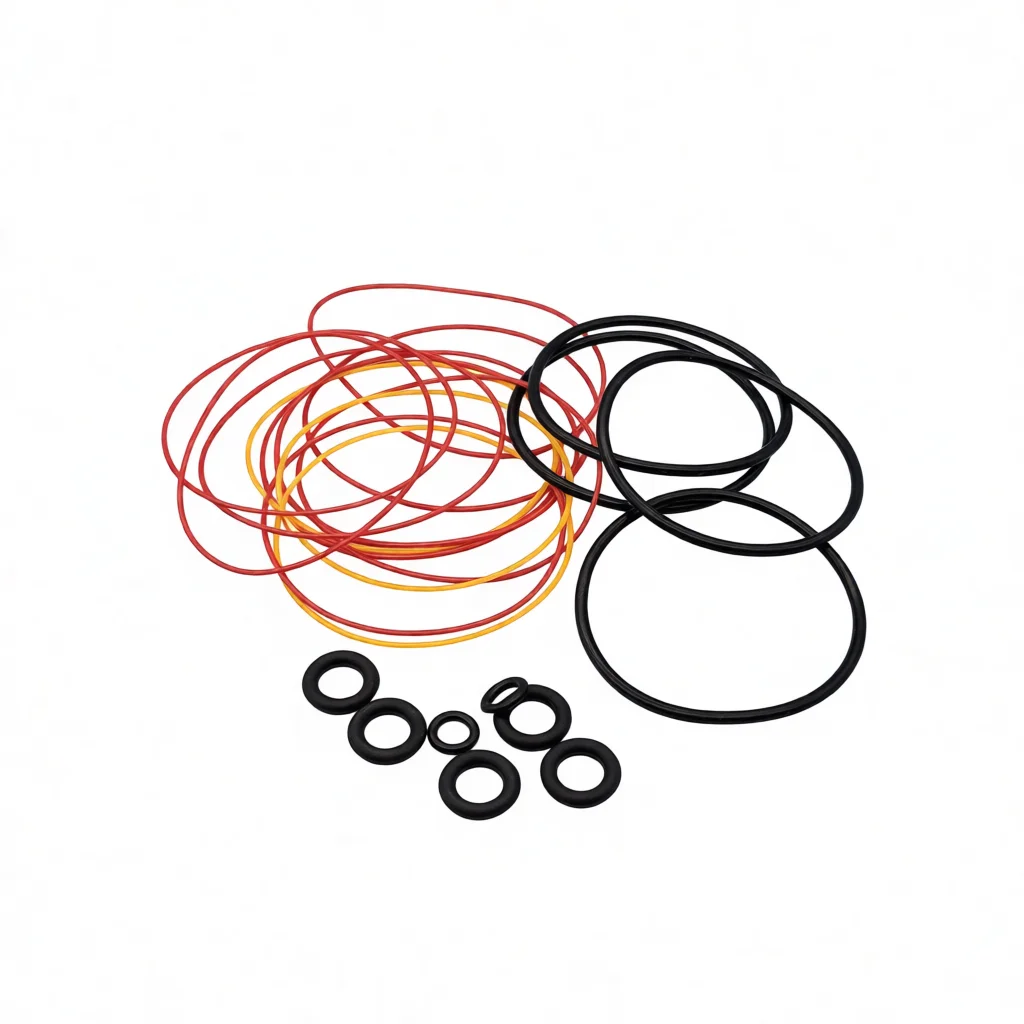
- O Ring: The shape — a donut-like circular seal intended to sit in grooves to prevent fluid or air leakage between two parts.
In essence, the specification calls for a nitrile rubber ring that reliably holds up against oil-based fluids at medium hardness, making it ideal for hydraulic and pneumatic sealing applications.
Mini takeaway: The NBR 70 O ring spec is simple but cleverly balanced — it fits many sealing challenges without over-engineering.
Core Components of NBR 70 O Rings That Make Them Work
Durability and Wear Resistance
Nitrile rubber is tough. Its molecular structure resists cracking and wear, especially when exposed to fuels and hydraulic fluids. At hardness 70, these O-rings keep their shape and sealing integrity even under repeated compression cycles.
Oil and Chemical Compatibility
Many synthetic rubbers crack or swell in petroleum environments. NBR resists swelling and degradation, meaning that in engines, fuel pumps, or industrial machinery, these seals last longer — sometimes years longer than alternatives.
Temperature Range
NBR 70 O rings generally tolerate temps from -40°C up to about +120°C. This covers a broad spectrum from cold storage to engine compartments, making them versatile across climates and industries.
Compression Set Resistance
Compression set refers to how much permanent deformation the rubber takes after compression. Shore 70 hardness offers a sweet spot where O-rings rebound well, maintaining a tight seal even after repeated pressurization cycles.
Cost Effectiveness
Compared to more exotic materials, NBR is economical. The 70 hardness grade is widely manufactured, so bulk pricing and availability are favorable.
Mini takeaway: What makes the NBR 70 O ring truly clever is the blend of performance traits—durability, chemical resistance, temperature tolerance, and cost—that align with practical needs in industry.
Typical Specifications of NBR 70 O Rings
| Characteristic | Specification |
|---|---|
| Material | Nitrile Butadiene Rubber (NBR) |
| Shore Hardness | 70 ± 5 Shore A |
| Temperature Range | -40°C to +120°C (-40°F to +248°F) |
| Compression Set (22 hrs at 70°C) | ≤ 25% |
| Resistance to Oils & Fuels | Good |
| Typical Applications | Hydraulics, Pneumatics, Automotive, Industrial Seals |
For more detailed technical data, you can view the nbr 70 o ring specification on trusted specialist sites.
Worldwide Applications Where NBR 70 O Rings Reign
Oddly enough, these small rings show up everywhere. Some of the prime application zones include:
- Automotive industry: Engine seals, fuel systems, brake hydraulics
- Oil and gas sectors: Pipeline joints, valve seats, drilling equipment
- Industrial machinery: Pumps, compressors, pressure vessels
- Aerospace components: Fuel and hydraulic system seals
- Food processing: When FDA compliant NBR grades are used for grease resistance
Thanks to their chemical resistance and reasonable hardness, medium-hard NBR O-rings serve especially well in moderate temperature hydraulic systems from Southeast Asia’s boom periods to European manufacturing plants keen on reliability.
Mini takeaway: Wherever you need a dependable seal against oil or fuel leaks, NBR 70 O rings often fill the bill.
Long-Term Value: Why Choosing the Right Specification Saves Money and Downtime
The advantages of sticking to a well-defined nbr 70 o ring specification are a bit like the perks of choosing durable boots for a long trek. Sure, you might pay a slightly higher upfront cost than a cheap pair, but in the long run, they prevent blisters and discomfort—and frankly, getting stuck in the mud is no fun.
Precisely specified NBR 70 O rings minimize failures that could halt operations, reduce unplanned maintenance, and lower inventory costs by standardizing parts. Plus, the reliability and safety factors are enormous when you consider the cost—both financial and ecological—of leaks in fuel systems or hydraulic lines.
On a social level, safer, leak-free machinery protects workers and the environment, fostering trust and sustainable operations.
Mini takeaway: NBR 70 O rings help create a “peace of mind” effect in long-term operations, balancing economy with durability and safety.
Future Trends and Innovations in O Ring Materials
Manufacturers and researchers aren’t resting on NBR’s laurels. New blends aiming to improve thermal stability and chemical resistance while extending operational temperature ranges are in development. For example:
- Fluoro-nitrile variants (FVMQ): Combining NBR with fluorine-containing polymers for better fuel and heat resistance.
- Bio-based rubbers: In light of growing sustainability demands, some labs are experimenting with renewable feedstocks to replace petrochemical NBR.
- 3D printing of sealing elements: Customized seals manufactured on-demand to tight tolerances for niche industrial needs.
The industry is also embracing digital twin technology and IoT sensors embedded in sealing systems for predictive maintenance, reducing unexpected downtime.
Mini takeaway: The humble O ring is evolving not just in materials but also in how it’s monitored and manufactured, riding the waves of technological change.
Challenges in Using NBR 70 O Rings and How to Overcome Them
Though great for many uses, NBR 70 O rings aren’t perfect. Their weaknesses include:
- Limited ozone and weathering resistance, which can lead to cracking outdoors.
- Temperature ceiling of about 120°C, beyond which performance degrades.
- Limited resistance to certain solvents like ketones and strong acids.
To tackle these, engineers sometimes opt for coatings, protective boots, or switch to alternative materials like Viton® for harsher environments. Proper storage, installation practices, and careful compatibility checks help extend O-ring life.
Mini takeaway: Knowing the limits of NBR 70 O rings upfront lets you design smarter and avoid costly seal failures.
FAQ: Answering Your Top Questions on NBR 70 O Rings
Q1: What benefits does Shore 70 hardness offer compared to softer or harder O rings?
A: Shore 70 strikes a balance offering good compression set resistance while remaining flexible enough to form effective seals. Softer rings may deform too much; harder rings risk cracking under stress—in other words, 70 is kind of nature’s Goldilocks zone for nitrile O-rings.
Q2: Can NBR 70 O rings be used in food processing?
A: Yes, provided they are manufactured with FDA-compliant grade nitrile rubber and meet relevant hygiene standards. Standard NBR 70 is great for oils and fats, but always confirm suitability for specific food fluids and temperatures.
Q3: How do storage conditions affect NBR 70 O ring longevity?
A: They should be stored in cool, dark, dry places away from ozone, sunlight, and solvents to prevent premature aging. Proper storage can add years to their shelf life.
Q4: Are NBR 70 O rings easy to customize in size and shape?
A: Absolutely. Many manufacturers produce custom sizes and cross sections, plus color options, but confirm minimum order quantities and lead times.
Q5: What industries most rely on NBR 70 O rings?
A: Automotive, aerospace, oil & gas, and general manufacturing dominate, but they also appear in consumer appliances, medical devices, and many others.
Comparing Leading NBR 70 O Ring Vendors
| Vendor | Product Range | Customization Options | Typical Industries | Lead Time |
|---|---|---|---|---|
| SunliteTek | Standard & Custom NBR 70 O Rings | Diameter, cross-section, hardness | Automotive, Hydraulics, Oil & Gas | 2-4 weeks |
| SealMaster Inc. | Extensive Elastomer Selection | Material, hardness, special formulations | Aerospace, Chemical Processing | 3-6 weeks |
| Global Seal Solutions | Wide Range of Standard Sizes Only | Limited customization | General Industry | 1-3 weeks |
Conclusion: Why the NBR 70 O Ring Specification Remains Essential
At the end of the day, the nbr 70 o ring specification combines material science and practical engineering to deliver a dependable seal that works quietly and efficiently in vital industrial applications worldwide. If you’re sourcing or designing machinery, a good grasp of this specification means you’re one step closer to reliability—saving costs, the environment, and frustrations.
Want to explore quality NBR 70 O rings tailored to your needs? Visit our website for detailed specs and support from industry experts.
References

What Is the NBR 70 O Ring Specification and Why Does It […]