Select Language
 Why Small Silicone O Rings Matter in Today's World
Sometimes, it’s the tiniest things that hold entire systems together—quite literally. Small silicone O rings are one such often-overlooked hero in the industrial and humanitarian sectors. These tiny, rubber-like rings create tight seals in machinery, plumbing, medical devices, and countless other applications where leaks can mean serious trouble.
Understanding the value of small silicone o rings opens a window on global manufacturing, repair industries, and even disaster relief. They ensure safety, reduce waste, and improve reliability in critical situations. It’s funny how a little circular piece can have such broad impact, isn’t it?
The Global Context: Small Silicone O Rings at Work Around the World
Across continents, billions of small silicone o rings are produced annually, driving sectors as diverse as automotive, aerospace, healthcare, and environmental protection. For instance, ISO standards regulating medical sealing products alone influence millions of devices globally each year. According to a recent industrial report, the global sealing products market is projected to expand by close to 7% annually, with silicone O rings playing a big part due to their durability and adaptability.
Not surprisingly, their versatility addresses global challenges such as water purification, medical equipment longevity, and renewable energy technologies. Yet, the consistent challenge is sourcing high-quality small silicone o rings that meet precise specifications, especially in remote or developing regions.
Mini takeaway: Knowing the global footprint of these little seals reveals how crucial they are behind-the-scenes in advancing health, industry, and sustainability.
What Exactly Are Small Silicone O Rings?
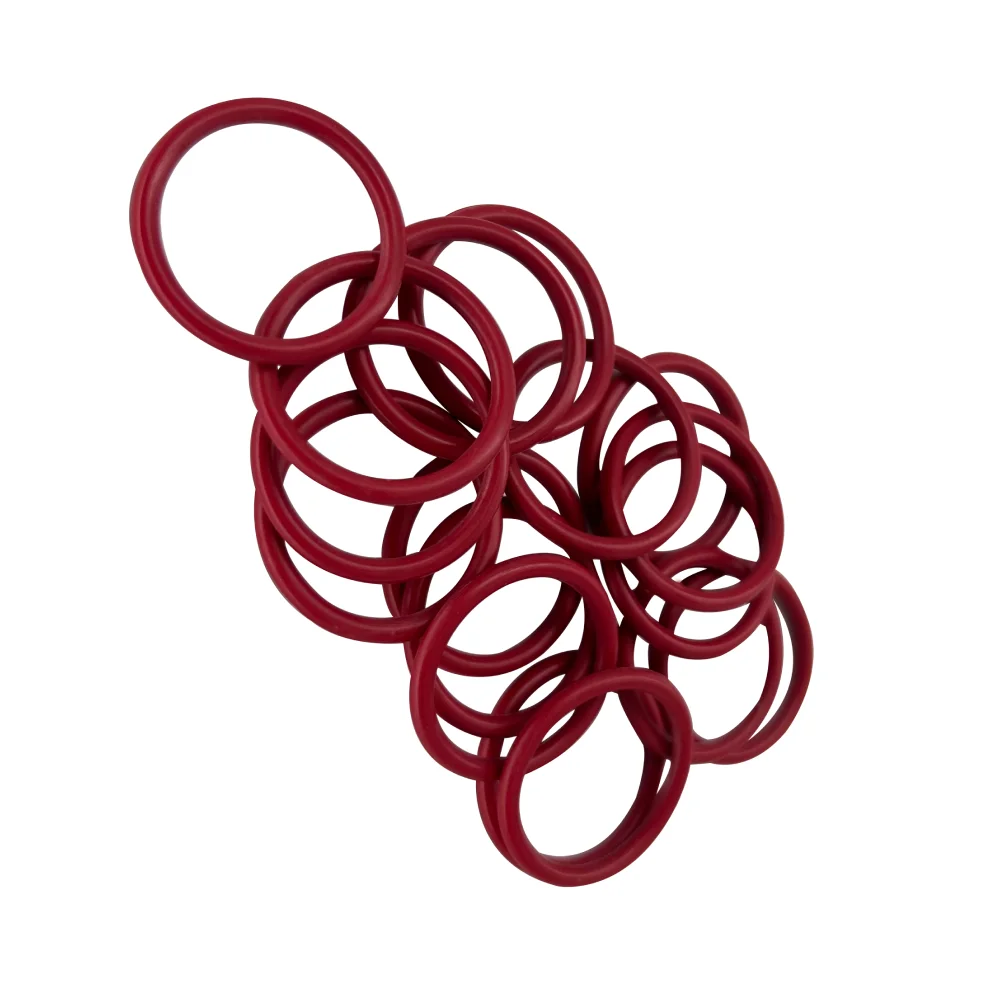
Simply put, small silicone O rings are circular, donut-shaped pieces made from silicone rubber. Their design allows them to fit perfectly within grooves or gaps, compressing to create airtight or watertight seals. Silicone’s unique material properties—elastic, heat-resistant, and chemically stable—make these rings widely preferred over traditional rubber or plastic counterparts.
From office coffee machines to complex aerospace engines, these rings prevent leakages and contamination. Oddly enough, manufacturers sometimes underestimate their importance, but in safety-critical applications, a failed seal can ground planes or contaminate medicines.
Connection to industry: They’re indispensable in modern manufacturing, plumbing, automotive, and medical devices, helping maintain sanitary and pressurized environments.
Core Components That Make Small Silicone O Rings So Effective
1. Durability
Silicone can flex repeatedly without cracking or deforming, with superior resistance to temperature changes (up to 230°C or more). This durability means these tiny rings last far longer under pressure and heat than most alternatives.
2. Chemical Resistance
Exposure to oils, acids, or ultraviolet light doesn't degrade silicone quickly. This makes small silicone o rings ideal for chemical processing and outdoor applications, where other materials might weaken fast.
3. Food and Medical Grade Safety
Many silicone materials meet FDA or ISO 10993 biocompatibility standards, allowing their use in medical implants, pharmaceutical sealing, and even baby products—a very strict criterion!
4. Flexibility and Size Customization
Because silicone elastomers can be molded precisely, these o rings come in various sizes, including the very small diameters often needed in microfluidics or electronics.
5. Cost Efficiency
While not the cheapest, their longevity and performance balance upfront costs with long-term savings, reducing maintenance downtime and replacements.
Mini takeaway: These factors synergize to make small silicone o rings reliable, safe, and cost-effective sealants for challenging scenarios.
Real-World Applications: Where Small Silicone O Rings Shine
Let’s talk practical examples. In post-disaster relief operations, ensuring that water purification units do not leak or get contaminated is critical. Small silicone o rings are often part of quick-deploy filtration kits distributed by UN agencies.
In remote industrial zones — think mining operations in Australia or oil rigs in the North Sea — equipment faces extreme stresses. High-quality silicone seals prevent leaks that could cause environmental disasters or costly shutdowns.
The aerospace and automotive industries swear by these rings for everything from hydraulic systems to fuel lines, where failure isn’t an option.
Even everyday items — wearable medical devices, kitchen appliances, and plumbing fixtures worldwide—rely on the humble silicone o ring.
| Specification | Typical Value | Notes |
|---|---|---|
| Material | Silicone Elastomer (FDA Grade available) | High purity, food/medical safe options |
| Inner Diameter (ID) | 1 mm – 15 mm | Custom sizes available |
| Cross-section Thickness | 0.5 mm – 3 mm | Varies by pressure needs |
| Temperature Range | -55°C to +230°C | Maintains elasticity |
| Chemical Compatibility | Oil, acid, UV, ozone resistant | Corrosion resistance critical |
The Advantages and Lasting Value of Using Small Silicone O Rings
First off, these seals save money by extending equipment life and preventing costly leaks or contamination. They also lower waste rates since replacements are less frequent.
Environmentally, silicone’s resistance to breakdown means fewer parts discarded prematurely, supporting sustainability goals — which industries and governments are more passionate about now than ever.
On an emotional note, industries relying on these seals can trust their product safety and integrity, whether it’s life-saving medical equipment or clean drinking water provisions in vulnerable areas. You kind of feel that quiet reassurance, even if you don’t see the O rings doing their job.
Looking Ahead: Innovations Shaping the Future of Small Silicone O Rings
There’s exciting innovation in materials science that could make these seals smarter. Imagine silicone infused with antimicrobial agents or embedded sensors to detect leaks early—a bit like giving these humble fittings a sixth sense.
With digital manufacturing (like 3D printing) advancing, custom-sized o rings could be fabricated on demand at field locations, cutting lead times drastically. Plus, green chemistry efforts aim to make silicone production more eco-friendly.
Automation and AI-driven quality control mean defect rates drop too. So, while the rings might look unchanged, their tech is accelerating beneath the surface.
Common Challenges and Expert Solutions
That said, challenges remain. For one, sourcing truly high-quality small silicone o rings can be tricky — counterfeits or inferior materials creep in, risking failures.
In extreme environments like deep-sea or radioactive zones, even silicone needs upgrades or hybrid blends.
Experts recommend rigorous testing under actual field conditions and partnering with reputable suppliers who offer clear certifications. In practice, redundant sealing methods or specialized coatings also help bridge gaps where standard silicone rings struggle.
Small Silicone O Rings FAQ
Q1: Can small silicone o rings be used in high-pressure systems?
A1: Yes, they can, especially when designed with appropriate cross-section thickness and fitted precisely. However, for extremely high pressures, they are often paired with backup rings or made from enhanced silicone blends for additional durability.
Q2: How do I ensure my small silicone o rings won’t degrade in harsh chemicals?
A2: Selecting silicone grades tested for chemical compatibility and consulting material datasheets is essential. For aggressive chemicals, specialty videos and lab trials are suggested to verify performance before field use.
Q3: What temperature extremes can small silicone o rings handle?
A3: Standard silicone o rings typically function reliably from -55°C up to about +230°C, making them suitable for most industrial and medical applications that require wide temperature flexibility.
Q4: How do small silicone o rings differ from traditional rubber O rings?
A4: Silicone rings generally offer better temperature resistance, flexibility, and chemical stability compared to traditional neoprene or nitrile rubber O rings. This makes them preferable in delicate or demanding environments.
Q5: Are custom sizes readily available?
A5: Yes, many manufacturers specialize in custom small diameter silicone O rings, often providing rapid prototyping and scalable production to fit specific client requirements.
| Vendor | Specialty | Certification | Customization | Typical Lead Time |
|---|---|---|---|---|
| SunliteTek | Medical & Food Grade O Rings | FDA, ISO 13485 | Custom sizes, rapid prototyping | 2–4 weeks |
| SealProes | Industrial-grade, High Temp | ISO 9001 | Limited customization | 3–6 weeks |
| FlexiRing Inc. | Custom Silicone blends | ISO 13485, RoHS | Full custom engineering | 4–8 weeks |
Final Thoughts
In the grand scheme, small silicone o rings quietly support everything from day-to-day safety to ambitious advances in technology and humanitarian efforts. They’re a fine example of how small details matter—as any good engineer or field operator will tell you. If you’re looking for reliable, certified custom silicone sealing solutions, visit our website—we’d love to talk about how these little components can make a big difference for you.
References

Why Small Silicone O Rings Matter in Today’s World Some […]