Select Language
 Understanding Coloured Rubber O Rings: More Than Just Rings
If you’re in manufacturing, engineering, or industrial maintenance—and honestly, even outside those spheres—chances are you’ve come across rubber O rings. But coloured rubber O rings? They’re not just a splash of color in a sea of black seals. These little accessories pack a punch in global industries, from plumbing to aerospace, with benefits that ripple far beyond their size. So why does understanding coloured rubber O rings matter? Simply put: they enhance precision, improve safety, and drive innovation across a world that depends on reliable, leak-proof connections.
Introduction: Why Coloured Rubber O Rings Have Global Importance
Rubber O rings are estimated to be used billions of times each year worldwide—whether sealing a household faucet or a spacecraft’s fuel line. According to ISO standards (ISO 3601), O rings are critical components in ensuring fluid and gas containment without leaks. Now, when these rings come with colour variations, it’s not just about aesthetics or branding. They actually solve real-world problems like identification, quality control, and even chemical resistance differentiation. For instance, in complex machinery, quick visual identification can drastically reduce maintenance times and errors.
Globally, industries are pushing harder for efficiency and sustainability; coloured rubber O rings help by streamlining processes and supporting safer operations. But here’s the catch: not all O rings are created equal, especially when colour adds a factor in material composition and performance.
What Exactly Are Coloured Rubber O Rings?
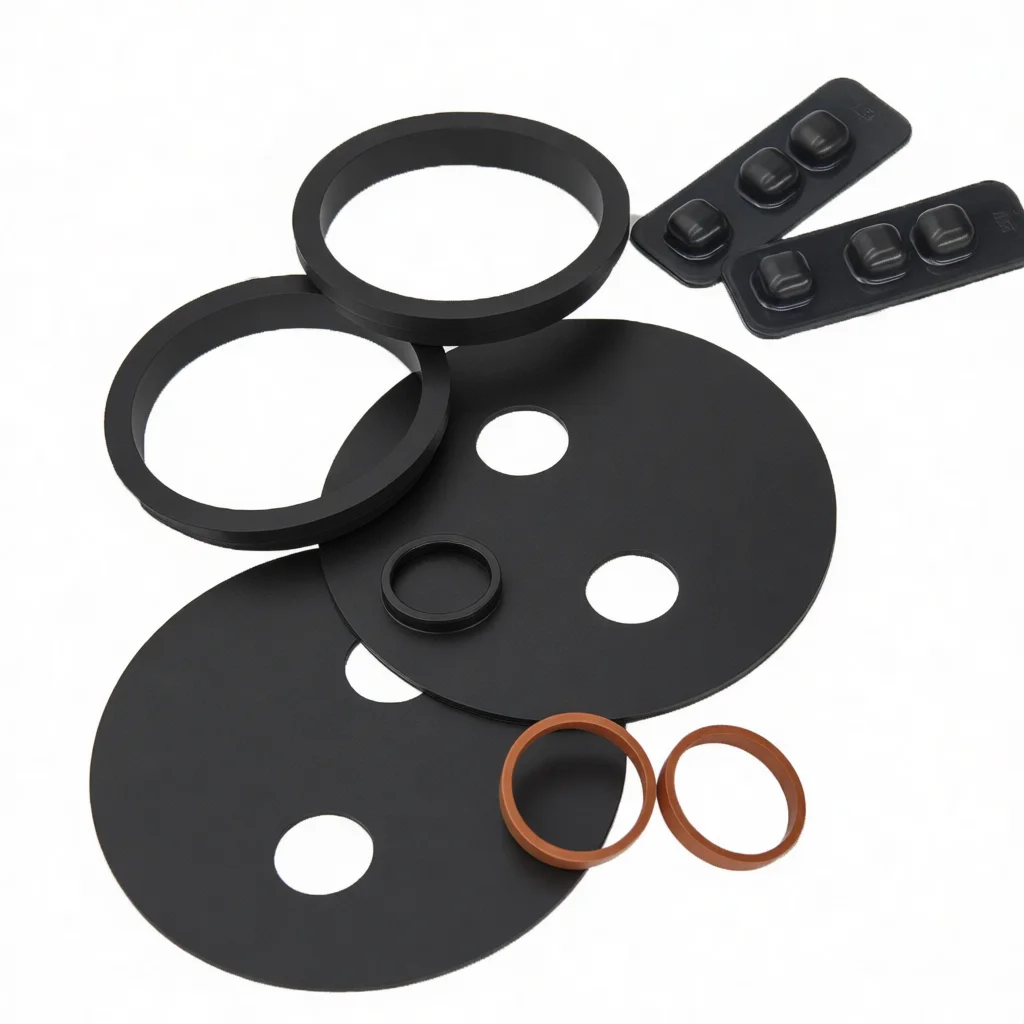
In essence, coloured rubber O rings are sealing gaskets made from elastomeric materials, commonly rubber, dyed or formulated to have distinct hues. Unlike traditional black O rings made from standard NBR (nitrile) or EPDM compounds, coloured variants can be silicone in red, fluorocarbon in blue, or even bespoke mixes in other shades. The colour isn’t just cosmetic—it often correlates with unique chemical resistance, temperature tolerance, or other physical properties, helping technicians identify the ring’s type and suitability at a glance.
Industries rely on these coloured seals to prevent leaks in engines, valves, and piping systems but also to uphold safety and compliance. For example, food and beverage manufacturers use food-safe coloured silicone O rings to confirm sanitation standards. In humanitarian efforts like water distribution in remote areas, easily identifiable coloured seals ensure faster repairs and fewer mix-ups.
Core Characteristics of Coloured Rubber O Rings
Durability and Chemical Resistance
The coloured compounds are specially formulated to resist oils, acids, or extreme temperatures. For example, a red silicone O ring might perform excellently at high heat, while a green EPDM ring stands up to acids in water treatment.
Colour-Coding for Identification
It’s a simple but genius solution. Colour coding reduces errors hugely: maintenance teams can rapidly distinguish parts, saving time and reducing the risk of cross-contamination between incompatible fluids or gases.
Cost Efficiency in Operations
Though coloured O rings sometimes cost a bit more upfront, they reduce downtime and error-related expenses. Over time, investment in these coloured seals lowers operational interruptions.
Customization and Scalability
Manufacturers offer coloured rubber O rings tailored by size, hardness, and compound mix. This flexibility meets specific demands across sectors—be that aerospace, automotive, or medical devices.
Sustainability and Environmental Impact
Newer coloured elastomers incorporate recycled materials or biodegradable elements. This points to future eco-friendly seals, a trend reflecting increasing global environmental regulations.
Where in the World Do Coloured Rubber O Rings Really Make a Difference?
Their applications span oceans and continents. In Europe, aerospace firms rely heavily on coloured seals for fuel systems with rigorous safety standards. Across Asia’s booming manufacturing hubs, coloured O rings speed up assembly lines while cutting defects.
Even humanitarian projects in Africa deploy coloured seals in water infrastructure to ensure clean water delivery. Imagine the difference of quick repairs in disaster zones, where coloured O rings help field engineers restore broken pipelines efficiently. Meanwhile, in the Middle East’s oil fields, their resistance to harsh chemicals means less frequent replacements and fewer environmental spills.
| Specification | Typical Values |
|---|---|
| Materials | NBR, EPDM, Silicone, FKM |
| Temperature Range | -50°C to +230°C (depending on material) |
| Hardness (Shore A) | 40 - 90 |
| Colour Options | Red, Blue, Green, Yellow, Black, Custom |
| Typical Uses | Automotive, aerospace, food industry, water treatment, oil & gas |
| Compliance Standards | ISO 3601, FDA (for food-grade) |
Comparing Leading Vendors: Who Does What Best?
| Vendor | Materials Range | Custom Colours | Certifications | Price Range |
|---|---|---|---|---|
| SunliteTek | NBR, EPDM, Silicone, Viton | Yes, bespoke options | ISO 3601, FDA | Mid-range |
| SealPro | NBR, Silicone | Limited palette | ISO 3601 | Budget level |
| FlexiSeal | EPDM, Viton, FFKM | Custom on request | FDA, RoHS | Premium |
What Are the Key Advantages and Long-Term Benefits?
- Improved Safety: Colour-coding reduces human error, which in high-pressure settings, can be lifesaving.
- Cost Savings: Fewer mix-ups, easier maintenance, and longer seal life translate into substantial savings.
- Environmental Impact: Moving toward recyclable coloured elastomers helps industries meet sustainability goals.
- Innovation and Trust: Clients feel confident when they see clearly identifiable, high-quality seals in their products.
In real terms, a manufacturing plant I visited recently cut downtime by almost 15% just by switching to coloured rubber o rings. That’s something you really notice on the balance sheet and the shop floor – a small change with a big impact.
Emerging Trends and Innovations
Say hello to digitally traceable O rings. Some manufacturers now embed micro-tags or QR codes into coloured seals for full lifecycle tracking—great for aerospace and pharmaceuticals where traceability is mandatory. Then there’s the surge in greener elastomers using natural rubbers combined with vegetable oils or bio-based additives. Expect these to become standard within the next five years as regulations tighten.
Finally, additive manufacturing (3D printing) of elastomeric seals including coloured variants is opening new doors for ultra-customized, just-in-time production. Oddly enough, this means you might someday get a coloured rubber O ring delivered to your doorstep with exact shapes your machine never dreamed of.
Challenges and Solving Them
Not everything’s rosy, though. Coloured rubber O rings sometimes struggle with consistent colour fastness, especially under extreme UV or chemical exposure. Plus, higher cost and supply chain complexity mean not everyone jumps on board immediately. Experts advise rigorous material testing—often using ISO 3601 as a baseline—to ensure products meet application needs.
Innovations in pigment technology and compound formulation are helping solve these issues. Some vendors also now offer tailored logistics and just-in-time delivery models, mitigating supply problems.
FAQ: Your Top Questions About Coloured Rubber O Rings
- Q: Why choose coloured rubber O rings over standard black ones?
- A: Coloured rings make identification faster and reduce errors, especially in complex systems. They often come with tailored chemical and temperature resistance matched to the colour, enhancing reliability.
- Q: How long do coloured rubber O rings last compared to regular ones?
- A: Lifespan depends on the material and use conditions. Properly selected coloured O rings generally last as long—or sometimes longer—due to specialized compound formulations.
- Q: Are coloured rubber O rings food-grade safe?
- A: Yes, many coloured silicone and EPDM O rings meet FDA standards for food safety. Always check certifications, especially for sensitive applications.
- Q: Can I get custom colours for speciality equipment?
- A: Absolutely. Vendors like SunliteTek offer bespoke colour matching and sizes tailored to your unique requirements.
Conclusion
Coloured rubber O rings may seem like humble parts, but their impact is anything but small. From boosting efficiency and safety to supporting eco-friendly commitments and cutting-edge innovation, they represent a clever, practical solution to many sealing challenges. If you want to elevate your equipment’s reliability (and look good doing it), coloured rubber O rings are worth a hard look.
Ready to upgrade? Visit our website: https://www.sunlitetek.com to explore our diverse range of coloured rubber O rings designed for your industry’s toughest demands.
1. ISO 3601 – Fluid power systems — O-rings (https://www.iso.org/standard/54069.html)
2. FDA Food Contact Substances – Guidance and Compliance (https://www.fda.gov/food/cfsan-constituent-updates/fda-food-contact-substances-information)
3. UNIDO Reports on Industrial Efficiency and Standards (https://www.unido.org)

Understanding Coloured Rubber O Rings: More Than Just R […]