Select Language
 Understanding the Copper Rubber Ring: Why It Matters Globally
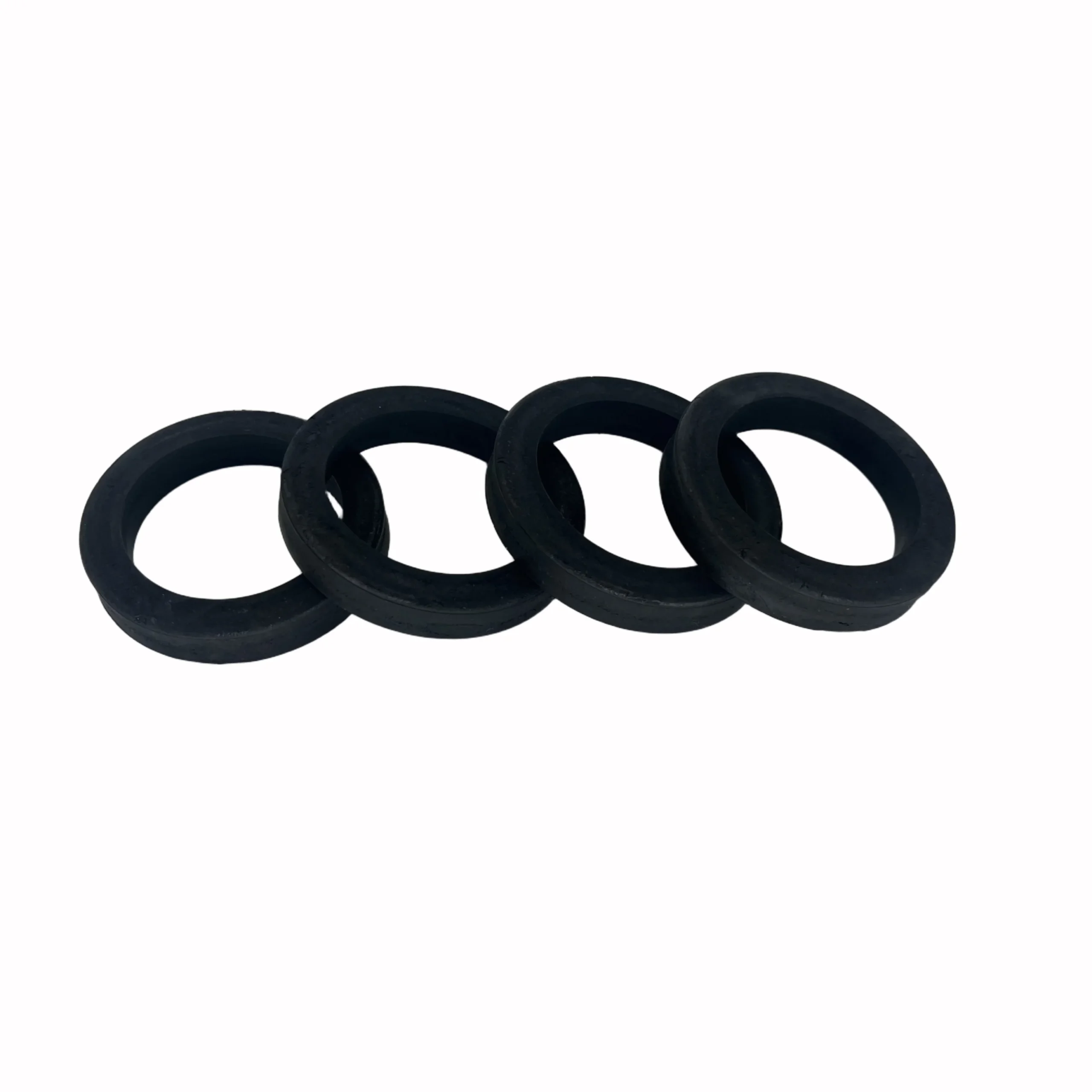
The copper rubber ring might sound like a niche product, but it holds a surprisingly important place in several industries worldwide. Simply put, these rings are integral components made of copper and rubber – materials that, when combined, offer an excellent balance of conductivity, flexibility, and durability. Their unique properties find uses in critical sectors such as manufacturing, automotive, electronics, and even humanitarian relief logistics.
What makes copper rubber rings globally significant is their ability to address both technical challenges and practical needs. Increasing demands for reliable sealing, electrical insulation, and corrosion resistance mean these rings are quietly supporting massive infrastructure projects, environmental solutions, and more.
Mini takeaway: Copper rubber rings blend the best of metal and polymer technology to help industries meet their growing performance and sustainability needs.
Setting the Scene: The Global Context of Copper Rubber Rings
According to ISO standards and market reports, demand for specialized sealing and insulating components like the copper rubber ring has grown by roughly 5–8% annually over the last decade - largely due to expanding industrial automation and electrification worldwide.1 For example, in remote industrial regions such as Southeast Asia and parts of Africa, copper rubber rings provide vital solutions for machinery exposed to corrosive elements and rough weather conditions.
Yet, a key challenge remains: as industries push for higher efficiency and lower environmental footprints, conventional seals and insulators often fail prematurely or struggle under extreme conditions. The copper rubber ring offers a tailored response to this problem, coupling copper’s antimicrobial and conductive benefits with rubber’s sealing and elasticity.
What Exactly Is a Copper Rubber Ring?
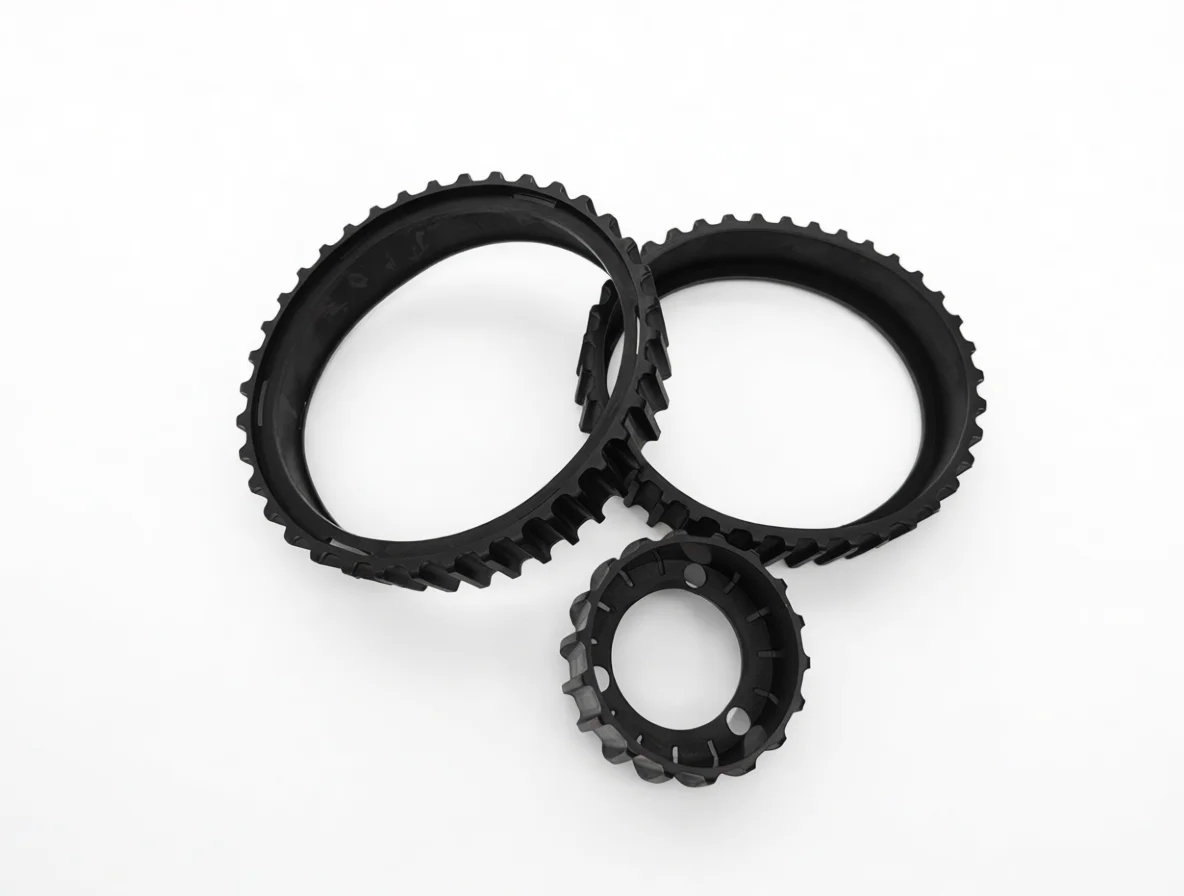
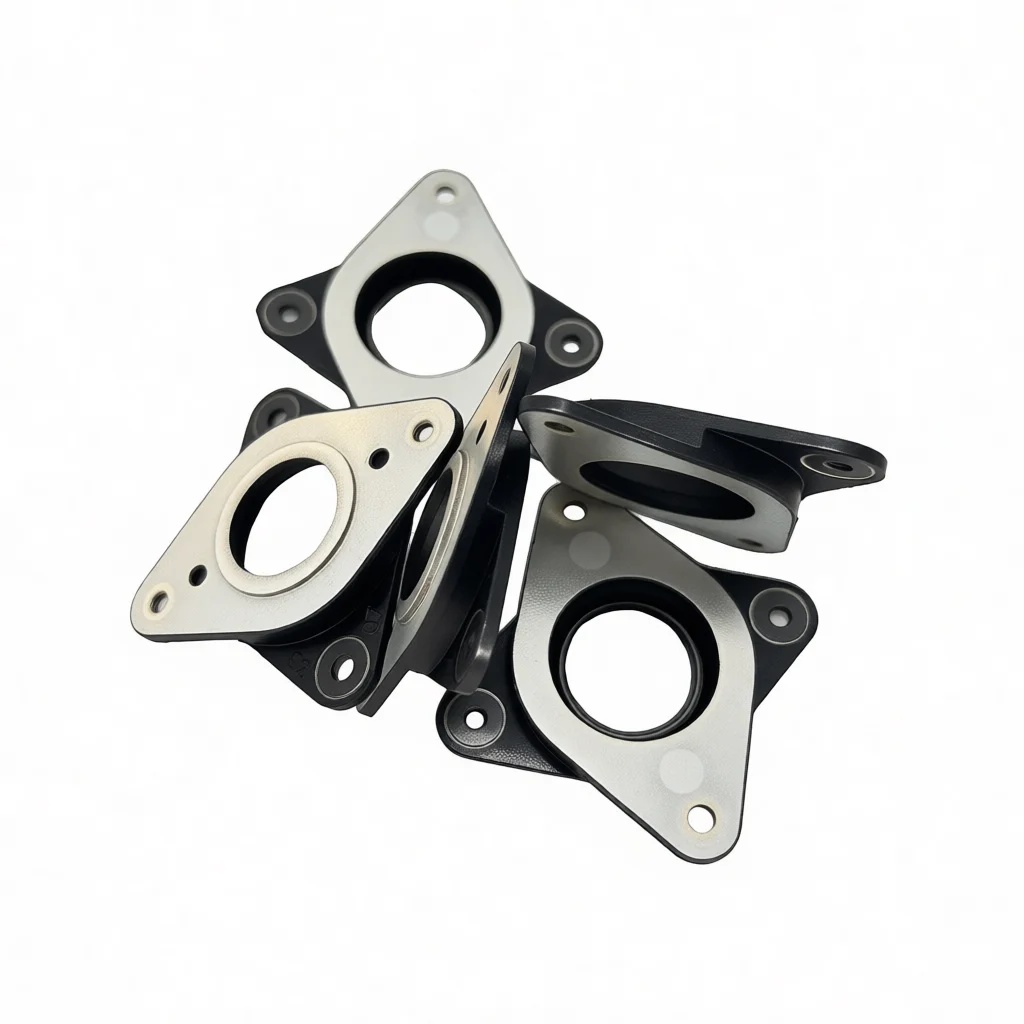
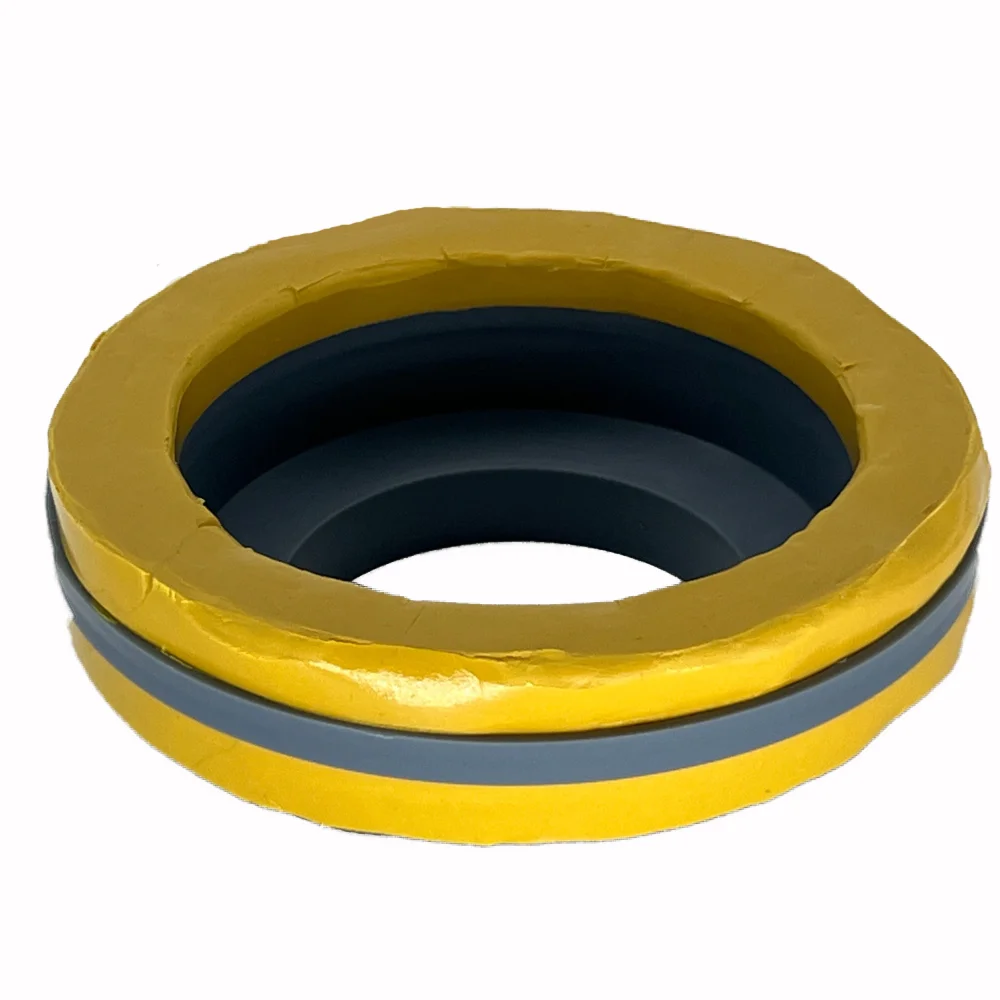
In straightforward terms, a copper rubber ring is a composite sealing device typically made by combining a copper core or layer with a rubber outer surface, designed to provide superior sealing, electrical conductivity, and thermal resistance. They often come in various sizes, shapes (though commonly rings or gaskets), and rubber types—such as nitrile, silicone, or EPDM—depending on the application.
This combination means they serve dual functions: the copper part handles electrical grounding or heat dissipation needs, while the rubber ensures a tight seal against fluids, dust, or gases. That’s why in modern manufacturing settings and humanitarian logistics—where durable, reliable components are critical—these rings help keep machines safe and operations smooth.
Mini takeaway:
Think of copper rubber rings as a hybrid hero: sealing and conducting, protecting and enduring, all rolled into one small but mighty component.
Core Features of Copper Rubber Rings
Durability
One standout aspect is their resistance to degradation under harsh environments. Harsh chemicals, extreme temperatures, and continuous mechanical stress don’t faze them easily, making them go-to for rugged industrial use.
Thermal and Electrical Conductivity
Copper naturally excels at conducting both heat and electricity. When embedded or layered thoughtfully with rubber, these rings can perform electrical grounding or heat exchange tasks while still sealing tightly.
Elasticity and Flexibility
The rubber component offers flexibility, allowing rings to adjust slightly when squeezed or stressed. This elasticity ensures a more reliable seal, even over uneven or vibrating surfaces.
Cost-Effectiveness
Despite their technical benefits, copper rubber rings are relatively affordable compared to high-end composites or purely metal parts. This balance is important for industries looking to optimize budgets without sacrificing performance.
Customization and Versatility
Many suppliers offer tailored sizes and rubber types. This means engineers can specify exactly the hardness, chemical resistance, or compliance needed for a project.
Specification Table: Typical Copper Rubber Ring
| Specification | Details |
|---|---|
| Material Composition | Copper core with nitrile rubber outer layer |
| Operating Temperature | -40°C to 120°C |
| Hardness (Shore A) | 65-75 |
| Typical Sizes | Inner diameter: 10-100 mm; thickness: 2-10 mm |
| Electrical Conductivity | High (due to copper content) |
How Are Copper Rubber Rings Used Worldwide?
In real terms, these rings turn up in unexpected yet strategic places:
- Automotive industry: Used in engine seals and connectors that require both electrical bonding and fluid containment.
- Electronics manufacturing: To protect sensitive circuits and manage heat dissipation in devices built for extreme conditions.
- Renewable energy plants: In wind turbines and solar installations, copper rubber rings help maintain airtight seals while allowing electrical grounding.
- Disaster relief and humanitarian aid: In portable machinery and water purification units, their durability ensures operations continue smoothly under pressure.
Regions like Northern Europe, with their focus on sustainability, and rapidly industrializing countries in Asia rely heavily on these components to keep things running – quietly, efficiently.
Mini takeaway:
From engines humming in urban factories to relief equipment in rugged terrains, copper rubber rings quietly do their part.
Why Choose Copper Rubber Rings? Examining Their Advantages
Besides their obvious technical strengths, copper rubber rings offer some long-term value factors that often get overlooked:
- Safety: Reliable electrical grounding lowers risks of shock or fire, especially important in sensitive environments.
- Sustainability: Durable materials mean fewer replacements, reducing waste and resource use.
- Cost savings: Less downtime and lower maintenance over time improve operational budgets.
- Innovation-friendly: Their adaptability to customization helps industries integrate newer materials and standards easily.
Emerging Trends and Innovations in Copper Rubber Rings
As green energy projects explode globally and factory automation evolves, copper rubber rings are adapting too. Researchers are experimenting with eco-friendly rubber compounds, recycled copper alloys, and precision manufacturing techniques like 3D printing to enhance performance and lower carbon footprints.2 Digital monitoring of seal status via embedded sensors is a future possibility as well, which could revolutionize maintenance cycles.
The Challenges and How Companies Are Tackling Them
It’s fair to say not everything is perfect. Some challenges include:
- Material compatibility: Selecting the right rubber type for specific chemicals or temperatures still requires expertise.
- Wear monitoring: While durable, these rings can still fail unexpectedly without proper inspection.
Innovative coatings and sensor integrations are current strategies manufacturers use to overcome these issues. Plus, better training for technicians to understand copper rubber ring performance is a clear path toward fewer field failures.
Vendor Comparison: Selecting the Right Copper Rubber Ring Supplier
| Vendor | Product Quality | Customization Options | Lead Time | Pricing |
|---|---|---|---|---|
| SunliteTek | High – ISO 9001 certified | Extensive (rubber types, sizes) | 2–3 weeks | Competitive |
| GlobalSeal Corp. | Medium – Industry standard | Moderate | 4–6 weeks | Mid-range |
| CopperSeal Inc. | High | Limited | 1–2 weeks | Premium |
FAQ: Common Questions About Copper Rubber Rings
Q1: What industries benefit most from using copper rubber rings?
A1: Industries such as automotive, electronics, renewable energy, and humanitarian relief use copper rubber rings extensively for sealing, grounding, and heat management purposes due to the rings’ combined conductive and elastic properties.
Q2: How long do copper rubber rings typically last in industrial applications?
A2: Depending on the operating environment, copper rubber rings generally last between 3 to 7 years. Factors like temperature extremes or chemical exposure can shorten lifespan, so regular inspection is recommended.
Q3: Can copper rubber rings be customized to fit unusual specifications?
A3: Yes, many suppliers, including SunliteTek, offer tailored sizes, rubber formulations, and copper grades to meet specialized project needs.
Q4: Are copper rubber rings environmentally friendly?
A4: Compared to single-material seals, copper rubber rings reduce waste by lasting longer and can incorporate recycled materials. Advances in eco-friendly rubber compounds are further improving their sustainability profile.
Q5: How can international buyers source copper rubber rings efficiently?
A5: Partnering with global vendors offering ISO-certified products and streamlined logistics, like SunliteTek, ensures smooth import/export processes and timely delivery worldwide.
Conclusion: Why Copper Rubber Rings Are Worth Considering
From their blend of robustness, functionality, and customization, copper rubber rings pack a punch far beyond their size. Whether you’re an engineer battling tricky environmental demands, or a manager optimizing long-term reliability, these rings deliver dependable performance. So, if you want to reinforce your projects with a balance of tradition and innovation, definitely think about copper rubber rings.
Ready to explore the options? Visit SunliteTek and see how modern sealing made simple can be.
References

Understanding the Copper Rubber Ring: Why It Matters Gl […]