Select Language
 Understanding the Elastomer Ring: A Small Component with Global Impact
Elastomer rings might sound like a niche industrial part — and frankly, they kind of are — but their importance stretches across countless industries worldwide. These flexible sealing components keep machinery tight, prevent leaks, and ensure the smooth functioning of equipment vital to everything from manufacturing plants to water treatment facilities.
With growing industrial automation, sustainable design demands, and increasingly strict environmental standards (looking at you, ISO 14000), understanding elastomer rings is more important than ever. Their role might be subtle, but their benefits — from reducing energy waste to extending equipment life — are huge.
Mini takeaway: Though small and often overlooked, elastomer rings play a critical role in global industry efficiency and environmental protection.
The Global Context: Why Elastomer Rings Matter Today
The elastomer ring market is projected to expand steadily, thanks to increased energy efficiency policies, water conservation efforts, and stricter safety regulations worldwide. According to the World Economic Forum, over 70% of industrial failures involve some form of seal or gasket malfunction, which can often be traced back to inferior sealing components like elastomer rings.
Industries in Asia-Pacific and Europe are leading the demand for these components, propelled by rapid industrialization and renewable energy projects. For instance, in offshore wind farms, elastomer rings are essential for protecting turbines from harsh sea conditions — a classic problem that elastomeric materials solve with surprising ease.
But it’s not just the big industrial players — in humanitarian sectors, water supply systems in developing nations need reliable seals to avoid contamination, making elastomer rings a quiet hero in public health.
Mini takeaway: Elastomer rings are everywhere from factories to water pipes, playing a silent but essential role in protecting resources and improving global infrastructure.
So, What Exactly Is an Elastomer Ring?
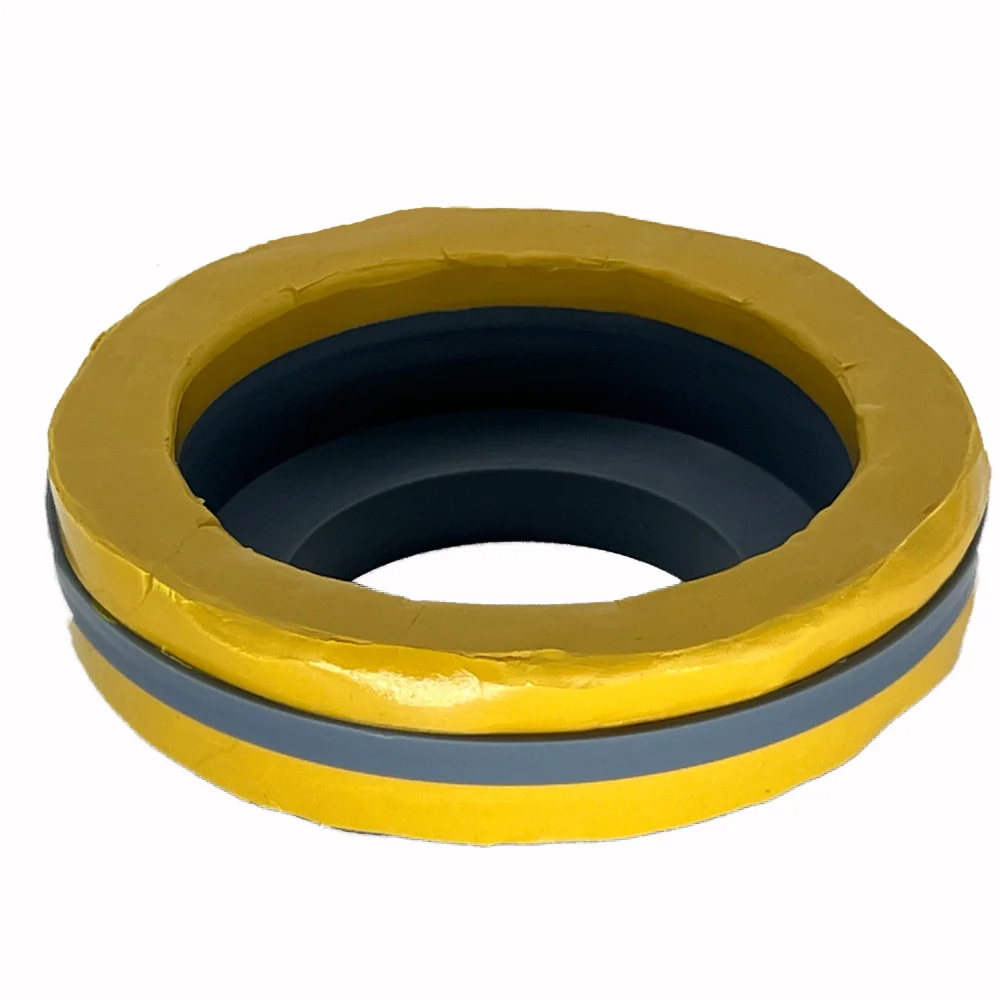
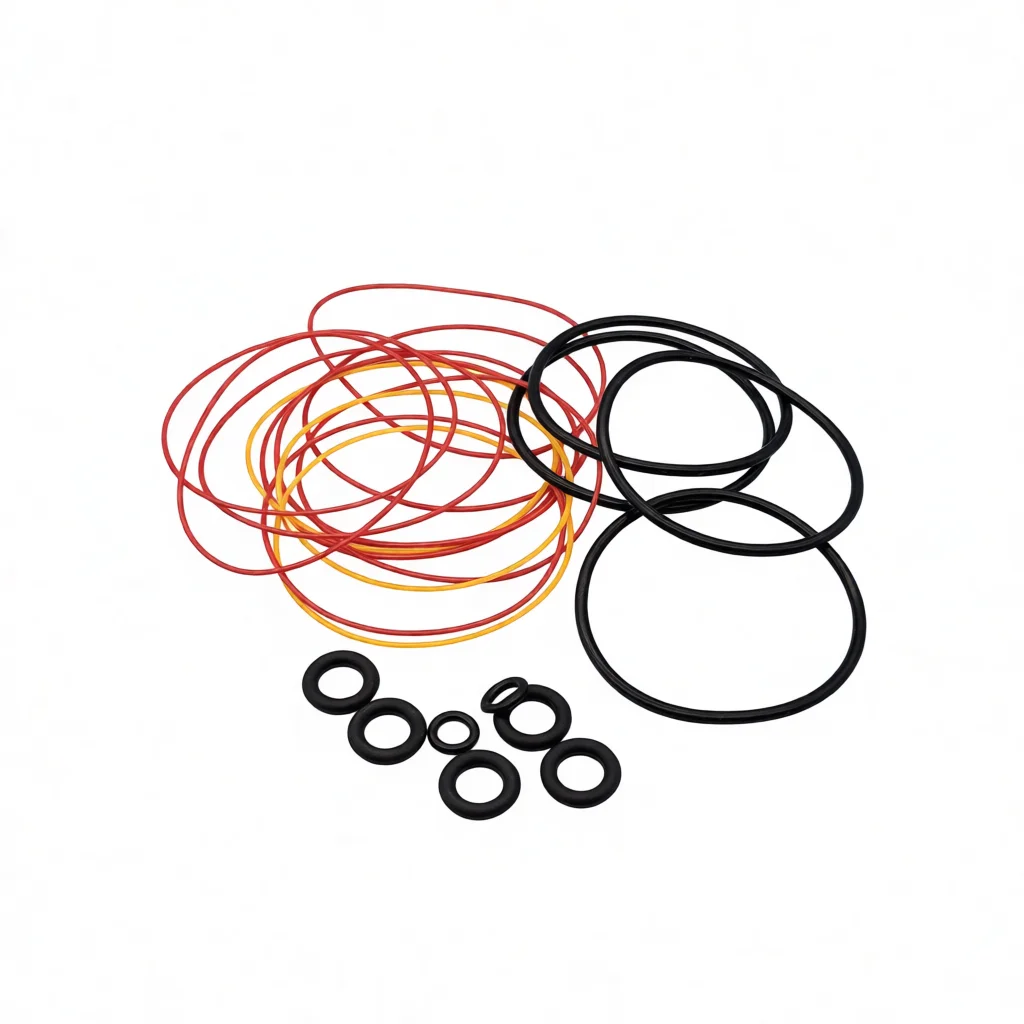
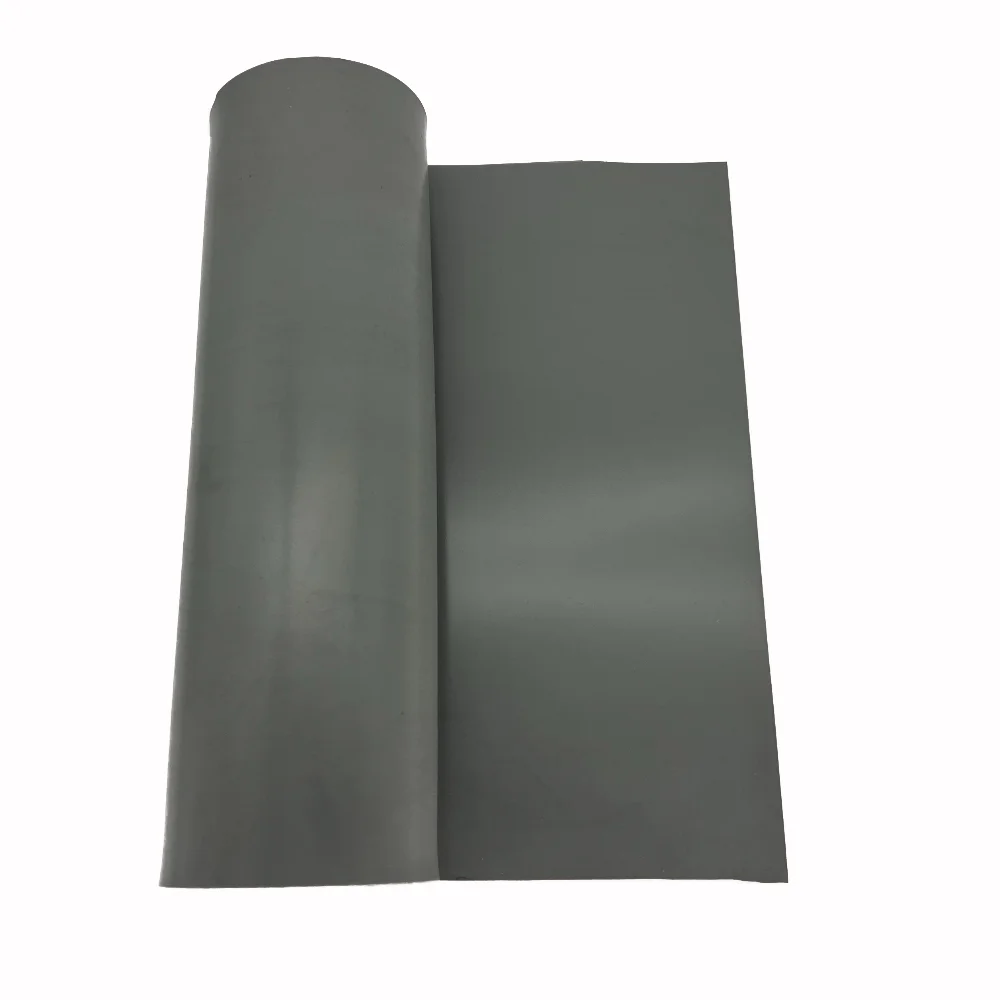
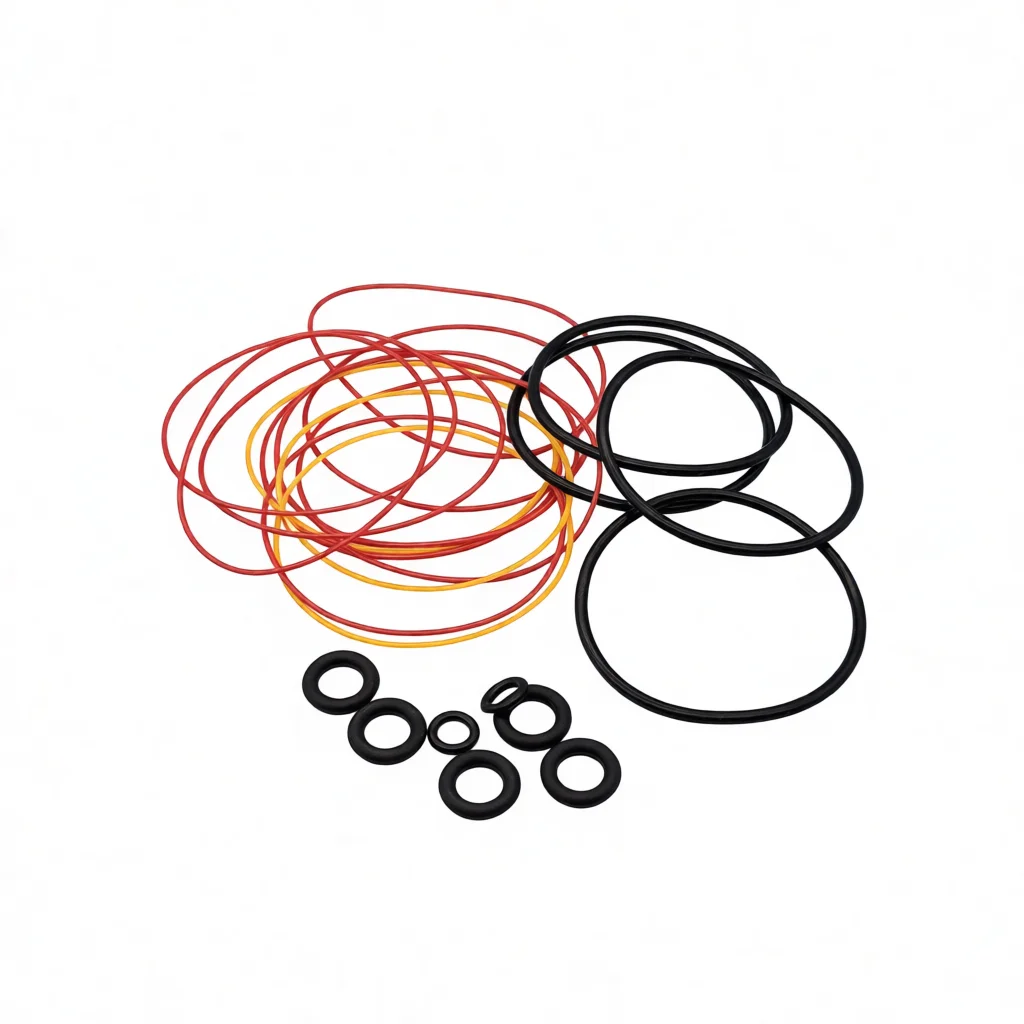
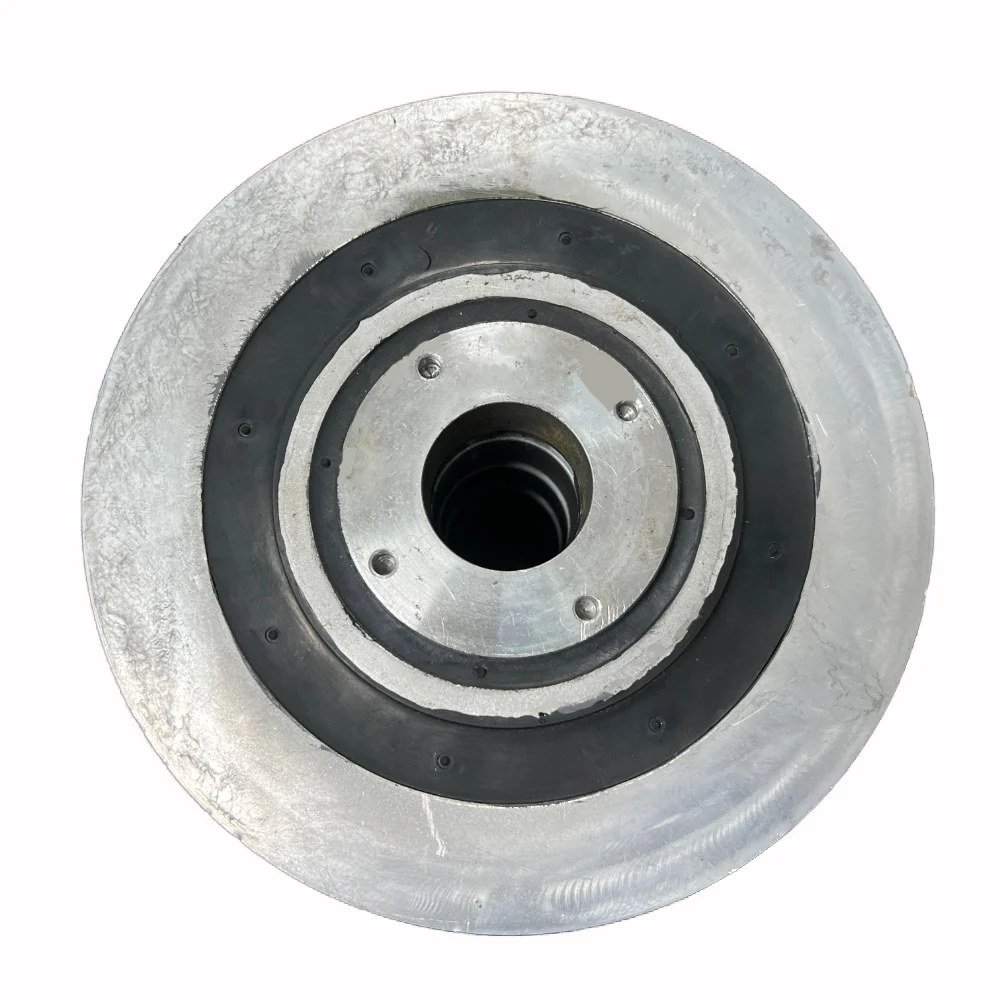
Simply put, an elastomer ring is a flexible, stretchable sealing ring made from elastomeric materials like silicone, nitrile rubber, or fluorocarbon. “Elastomer” basically means a rubber-like polymer that can return to its original shape after being stretched or compressed.
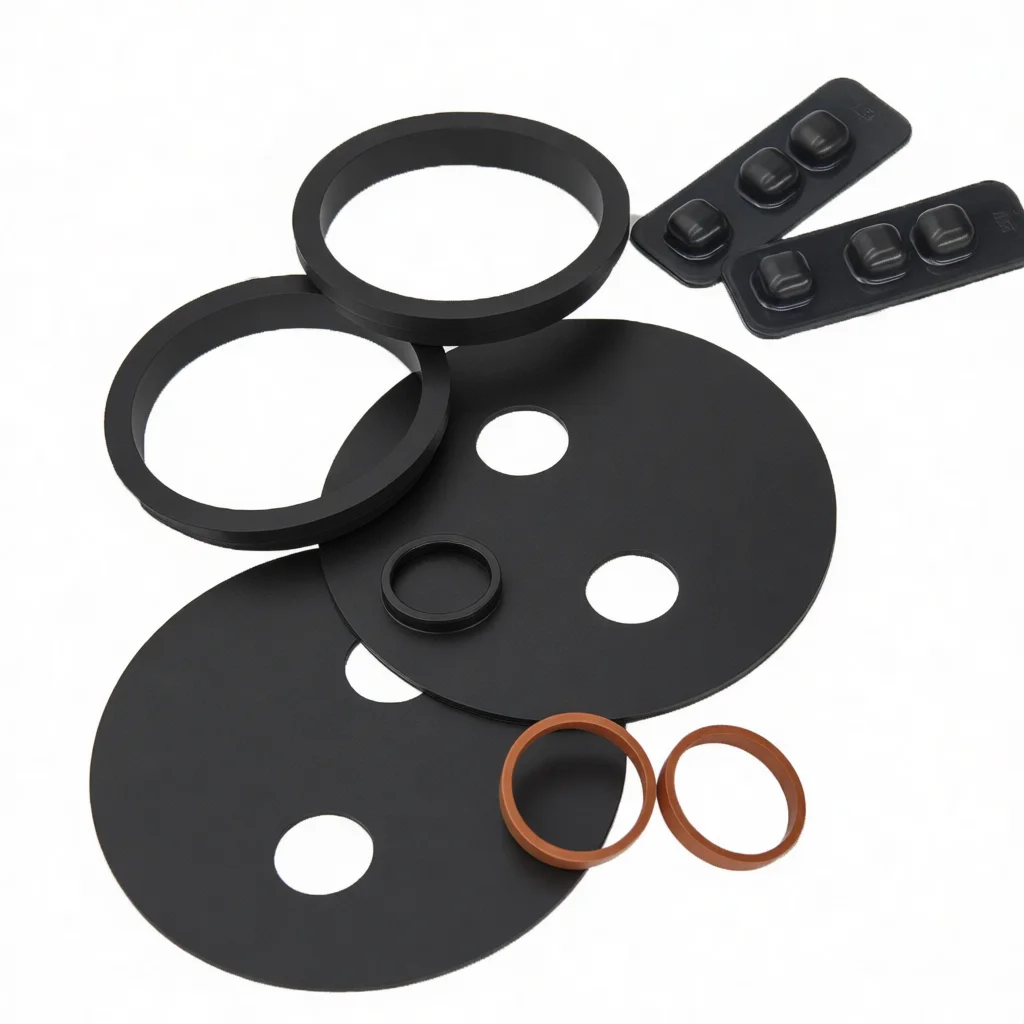
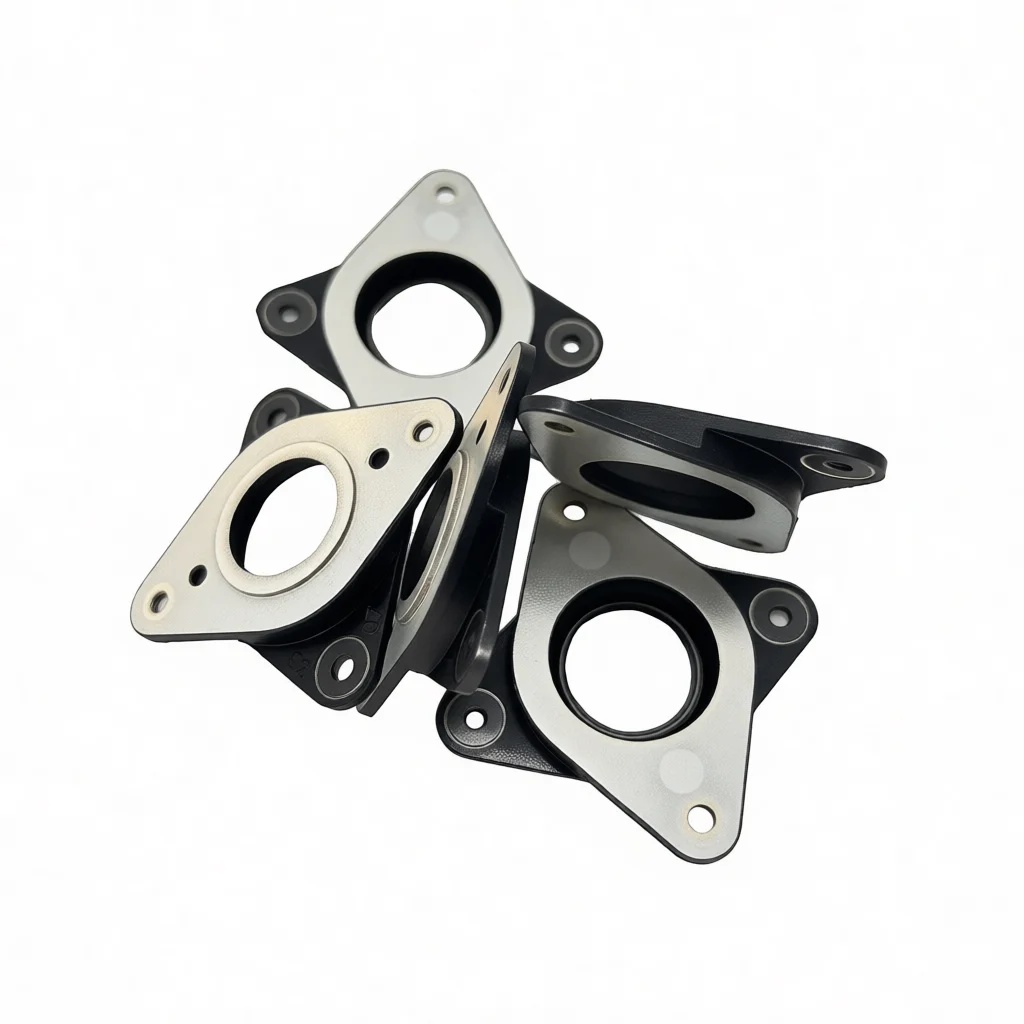
Think of an elastomer ring as the gasket of the sealing world — but one designed to handle pressure, temperature changes, and chemical exposure while maintaining a tight seal. They come in various shapes, often as O-rings or flat washers, specifically tailored for different equipment needs.
In modern industries, they’re indispensable for maintaining airtight and watertight seals, preventing leaks in pumps, valves, and piping systems — effectively safeguarding product safety, equipment longevity, and environmental health.
Mini takeaway: Elastomer rings are resilient, flexible sealing components essential for leak prevention in countless industrial and infrastructural applications.
Key Factors Defining the Effectiveness of Elastomer Rings
1. Durability & Chemical Resistance
The ability to resist chemicals like oils, fuels, and solvents is crucial. Elastomer rings must endure exposure without degrading — otherwise, the seal fails and machines break. Different elastomer materials perform better in certain environments — for example, Viton offers excellent high-temperature and chemical resistance.
2. Elastic Recovery
The “bounce-back” quality is what sets elastomers apart from other materials. After sealing pressure, the ring returns to its shape, maintaining a consistent seal over time. This resilience reduces maintenance and replacement frequency.
3. Temperature Range
Elastomer rings are rated for working in a wide temperature spectrum. Some work fine in freezing conditions, others survive scorching heat near engines or turbines. This thermal flexibility extends their use across industries like aerospace or petrochemicals.
4. Customizability
Manufacturers tailor elastomer rings by size, shape, durometer (hardness), and material blend to match specific applications. This adaptability means you aren’t locked into a “one size fits all” solution.
5. Cost-Effectiveness
Despite being small parts, elastomer rings must balance performance with price. Over-engineered seals might be more durable but can raise equipment costs unnecessarily.
Mini takeaway: Effective elastomer rings strike a balance between material resilience, adaptability, and affordability to suit diverse industrial needs.Applications Across Industries and Continents
From factory floor pumps in Germany to irrigation systems in India, elastomer rings are everywhere:
- Water Treatment Plants: Sealing pipes that carry potable water, preventing contamination. A critical role for NGOs operating in clean water access projects.
- Automotive manufacturing: Protecting engines and fuel systems from leaks.
- Renewable Energy: Wind turbine and solar panel devices use elastomer rings for weather resistance.
- Medical Devices: Small seals in pumps and diagnostic machinery requiring precision and sterility.
- Aerospace: Extreme temperature and pressure resistance applications.
A case in point: During recovery efforts after Hurricane Maria in Puerto Rico, reliable elastomer seals helped keep portable water filtration units operational, safeguarding communities.
Mini takeaway: Elastomer rings serve critical roles worldwide, from environmental safety in remote villages to cutting-edge aerospace tech.Advantages and the Long-Term Value Elastomer Rings Bring
First, their reliability translates directly into safety and peace of mind. Avoiding leaks means fewer hazardous spills or costly downtime.
On a sustainability note, durable elastomer rings reduce waste from frequent replacements. Plus, many manufacturers offer rings made from recycled rubber or bio-based elastomers, ticking green boxes.
Also, their versatility fosters innovation. When engineers can rely on a dependable seal, they can design more efficient, compact, or automated systems — a domino effect enhancing industrial progress.
Emotional benefits? For operators, it’s about trust and safety. You know the seals on your machines will hold when it counts — and that’s priceless in hazardous industries.
Mini takeaway: Elastomer rings offer tangible cost savings, sustainability benefits, and intangible value in safety and innovation trustworthiness.Emerging Trends and Innovations Shaping the Elastomer Ring Landscape
The push toward greener materials is strong. Bio-based elastomers derived from natural sources like plant oils are gaining traction, lowering reliance on petroleum-based compounds.
Digital transformation also plays a role — manufacturers are developing "smart seals" embedded with sensors that monitor degradation, paving the way for predictive maintenance.
The advent of additive manufacturing (3D printing) allows ultra-precise customization, enabling rapid prototyping and parts that perfectly match unique machinery.
Lastly, regulatory standards continue to evolve, incentivizing the development of seals that meet stringent longevity and environmental impact criteria.
Mini takeaway: The future for elastomer rings is one of sustainability, smart tech integration, and bespoke engineering.
Challenges Faced and Possible Solutions
Typical problems include premature wear in harsh chemical environments and difficulties in sourcing customized sizes quickly. I’ve noticed some operators manually retrofit seals that aren’t quite the right fit — a recipe for disaster.
Solutions? Using advanced elastomer blends tailored to specific chemicals helps prolong life. Partnering closely with specialty manufacturers speeds up turnaround times and custom solutions.
Research into self-healing elastomers also shows promise, though large-scale industrial adoption is still underway.
Mini takeaway: Smart material choices and close vendor collaboration overcome common durability and availability hurdles.FAQ: Frequently Asked Questions About Elastomer Rings
- What types of elastomer rings are best for high-temperature applications?
- Fluoroelastomers like Viton and silicones excel in high-temperature environments, maintaining seal integrity up to 200°C or more. Depending on exposure duration and chemicals, these materials prevent premature breakdown and leaks.
- Can elastomer rings be reused after removal?
- Generally, reusing elastomer rings is not recommended as they deform during installation and service. To maintain optimal sealing, replacing rings during maintenance is best practice.
- Are there eco-friendly elastomer ring options?
- Yes! Bio-based elastomers derived from renewable materials and recycled rubber variants offer sustainable alternatives without compromising on performance. Check certifications for eco-friendly claims.
- How do I select the right elastomer ring material?
- Consider the chemical exposure, temperature range, mechanical stress, and regulatory requirements. Consulting with manufacturers and using technical datasheets helps pinpoint the best option.
- What industries benefit most from elastomer rings?
- Virtually all manufacturing, automotive, aerospace, water treatment, and renewable energy sectors rely heavily on elastomer rings for sealing solutions.
Product Specification Table: Popular Elastomer Rings
| Model | Material | Temp Range (°C) | Hardness (Shore A) | Chemical Resistance |
|---|---|---|---|---|
| ER-X100 | Nitrile (NBR) | -40 to 120 | 70 | Oil & fuel |
| ER-V700 | Fluoroelastomer (FKM) | -20 to 200 | 75 | Heat & chemicals |
| ER-S300 | Silicone (VMQ) | -60 to 200 | 65 | Weather, ozone |
Vendor Comparison Table: Elastomer Ring Suppliers
| Supplier | Product Range | Customization Options | Lead Time | Sustainability Initiatives |
|---|---|---|---|---|
| SunLiteTek | Wide O-rings and custom shapes | Full size, material & hardness choices | 2-3 weeks | Biodegradable elastomers soon |
| SealCo | Standard & specialty seals | Mostly standard sizes | 1-2 weeks | ISO 14001 certified |
| EcoRing Solutions | Eco-friendly materials focus | Custom blends & designs | 3-4 weeks | 100% recycled & bio elastomers |
Final Thoughts
When you think about it, this little elastomer ring really does keep more of the world running than most people realize. It’s a testament to how often tiny details matter — especially when durability, safety, and sustainability are on the line. While the technologies and materials evolve fast, the core purpose remains: a reliable seal that you can count on.
If you’re considering sourcing elastomer rings for your projects, keep an eye on sustainability trends and smart manufacturing. Your machines — and the planet — will thank you.
For more info or custom solutions, visit SunLiteTek and explore their extensive range.
References

Understanding the Elastomer Ring: A Small Component wit […]