Select Language
 Understanding the Flat Rubber Ring Seal: What It Is and Why It Matters Globally
At first glance, a flat rubber ring seal might seem like a small, almost insignificant component in the vast world of industrial manufacturing and engineering. But oddly enough, these seals have quietly become critical players in a wide range of industries — from plumbing and automotive to humanitarian infrastructure projects. Why does this tiny ring matter? Because it creates tight, durable connections that prevent leaks — of water, gases, oils — essentially maintaining safety, efficiency, and sustainability on a global scale. Understanding these seals means appreciating how something so simple can impact everything from water access in remote villages to the integrity of massive infrastructure networks.
Global Context: Why Flat Rubber Ring Seals Are Essential Today
The world relies on sophisticated industrial systems, with pipelines and machinery embedded everywhere — cities, factories, farms, even disaster zones. According to the International Organization for Standardization (ISO), sealing and gasket materials play an essential role in ensuring system reliability and minimizing environmental hazards nationwide and internationally. Leakages in water or fuel networks can cause huge losses or safety issues, while inadequate seals in medical or food equipment could be disastrous.
And the challenge keeps growing. With urban populations projected to increase to 68% by 2050 (World Bank), infrastructure is under pressure to be more resilient and efficient. That’s where flat rubber ring seals come in — helping to maintain those vital fluid pathways efficiently and sustainably.
What Exactly Is a Flat Rubber Ring Seal?
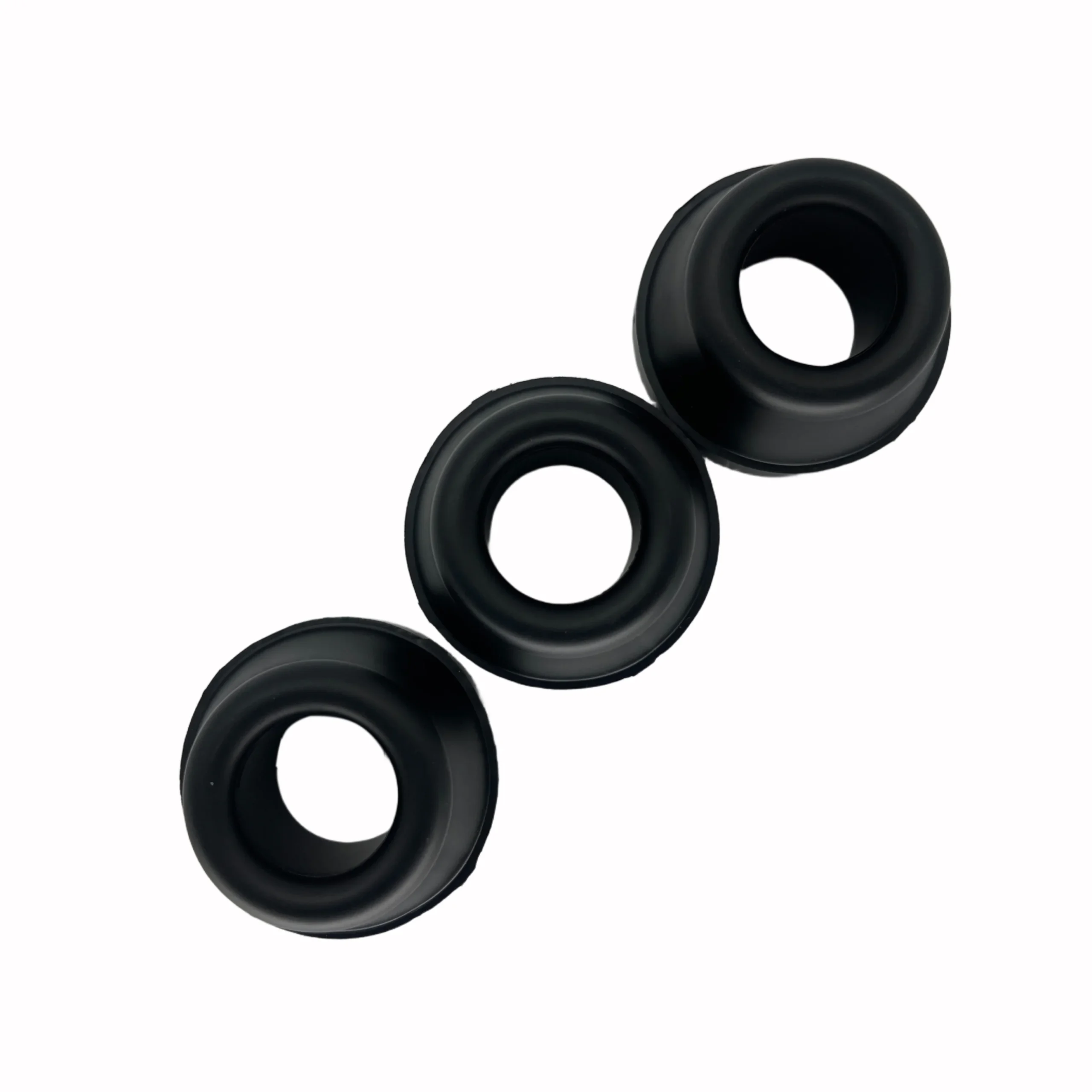
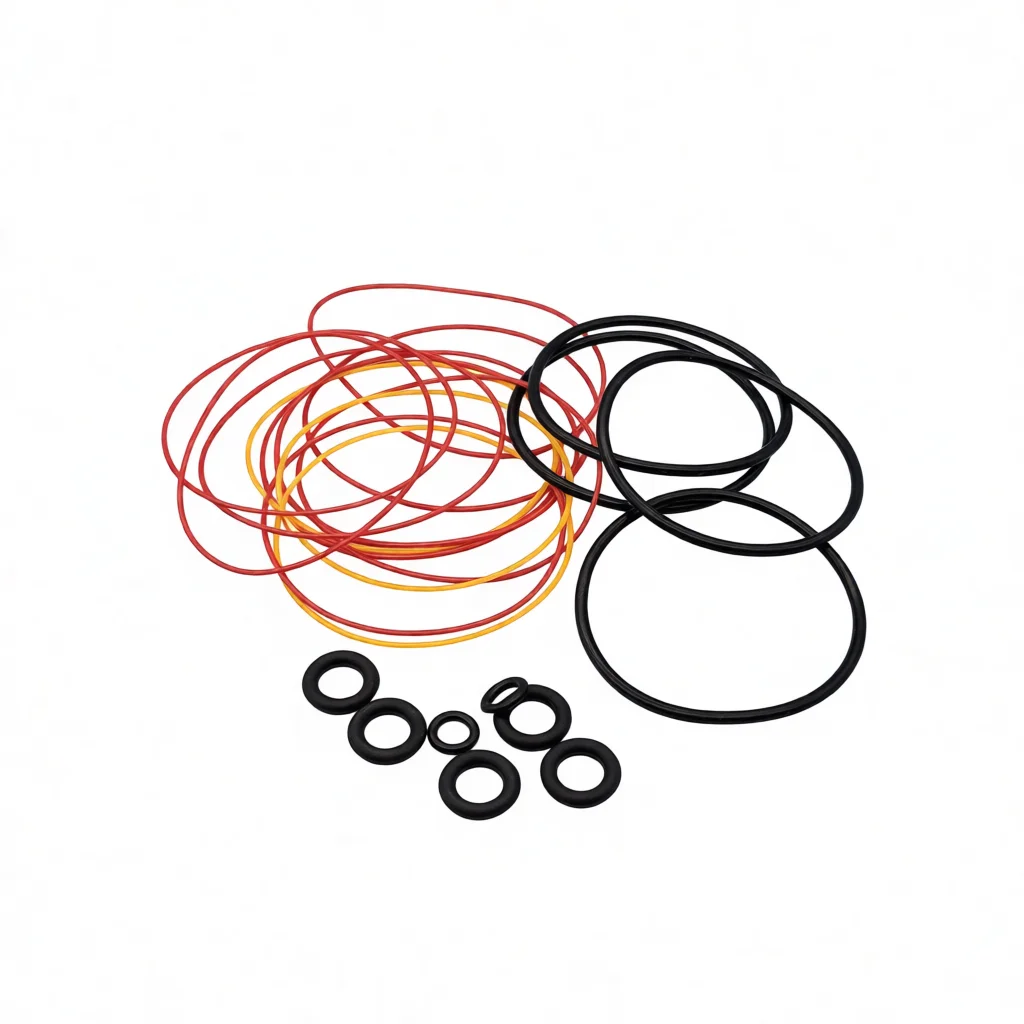
Put simply, a flat rubber ring seal is a gasket shaped like a thin, circular band of flexible rubber. Its primary job is to create a watertight or airtight barrier between two flat surfaces, effectively preventing leaks in joints. Think of it as a tiny, flexible pad that compresses to fill any gaps in pipe flanges or machinery joints, ensuring a perfect seal under pressure.
This simple design belies their importance in many sectors involving fluid transport or containment. For humanitarian efforts, these seals help ensure water sanitation systems hold integrity in tough environments, safeguarding public health.
Key Attributes of Flat Rubber Ring Seals
Durability
Rubber materials used in these seals, such as EPDM or NBR, resist wear and chemical attack, making them long-lasting even under industrial stresses. Many engineers say durability is non-negotiable — you want seals that won’t fail unexpectedly.
Flexibility & Compression
Because the seal must conform to minute imperfections on surfaces, flexibility and the ability to compress efficiently is critical. This adaptability stops leaks, even in older or imperfectly aligned equipment.
Cost-Effectiveness
Flat rubber ring seals offer a practical balance: affordable to produce and replace yet delivering reliable service over time, a real win for cost-conscious industries.
Customization & Size Range
These seals come in a variety of thicknesses, diameters, and custom compounds, allowing them to suit specific pressures, temperatures, and fluids encountered in different industries.
Environmental Resistance
Many formulations provide resistance to ozone, UV exposure, and temperature extremes, extending use cases from underground pipelines to outdoor equipment.
Flat Rubber Ring Seal Product Specifications
| Property | Specification | Typical Application |
|---|---|---|
| Material Type | EPDM, NBR, Silicone | Water, Oil, Gas Sealing |
| Temperature Range | -40°C to 150°C | General Industrial Use |
| Thickness Range | 1 mm to 5 mm | Custom Designs |
| Suitability | Water, Air, Mild Chemicals | Food & Medical Grade Options |
Global Applications & Use Cases
Flat rubber ring seals are everywhere — from North American water treatment plants, European automotive manufacturing lines, to East Asian electronic factories. In fact, NGOs working in disaster relief, especially in sub-Saharan Africa or South Asia, rely heavily on these seals to ensure water purification units won’t leak, thus providing safe drinking water to vulnerable populations.
Industrial zones in remote places often face harsh conditions where failures aren't an option; rubber ring seals’ reliability is crucial here. Also, manufacturers appreciate how these seals contribute to easy maintenance and replacement, minimizing downtime.
The Advantages and Long-Term Value of Flat Rubber Ring Seals
- Cost savings: Reduces leakage-related losses and maintenance expenses.
- Sustainability: Durable materials mean fewer replacements and less waste.
- Safety & trust: Protects sensitive equipment and assures public health standards.
- Innovation: Advances in rubber compounds improve resistance and versatility.
- Dignity & social impact: Reliable seals support essential services in developing regions.
Many say the peace of mind these seals offer is the real long-term benefit — when infrastructure works without hiccups, communities thrive.
Future Trends & Innovations in Flat Rubber Ring Seals
Tonight, researchers are tinkering with bio-based rubber compounds and recyclable materials to make seals more eco-friendly. Digital sensors embedded near seals to detect wear or leakage — a kind of “smart sealing” — is gaining traction, especially in automated industries aligned with Industry 4.0.
Policies championing sustainability encourage manufacturers to rethink materials so these seals can help reduce carbon footprints without compromising performance.
Challenges & Solutions
Despite their benefits, flat rubber ring seals face challenges like compatibility issues with aggressive chemicals or extreme pressures. Sometimes, improper installation leads to premature failure — reminding us that even the best materials need expert application.
Foreseeing these, suppliers now offer detailed guidance, installation tools, and quality certifications (ISO 9001) to minimize risks. Advances in material science continue to tackle chemical resistance problems.
Vendor Comparison for Flat Rubber Ring Seals
| Vendor | Material Options | Customization | Price Range | Compliance & Certification |
|---|---|---|---|---|
| SunliteTek | EPDM, NBR, Silicone | High customization — sizes & compounds | $$ (Mid range) | ISO 9001, RoHS |
| SealPro Inc. | EPDM, Neoprene | Standard sizes mostly | $ (Economy) | ISO 14001 |
| GlobalRubber Ltd. | Silicone, NBR | Medium customization | $$$ (Premium) | ISO 9001, FDA Approved |
Frequently Asked Questions About Flat Rubber Ring Seal
1. What materials are best for a flat rubber ring seal used in water purification?
EPDM rubber is commonly preferred because it resists water, steam, and mild chemicals effectively. Its flexibility and durability suit water purification needs well, ensuring reliable sealing without contaminating the water.
2. How often should flat rubber ring seals be replaced in industrial pipelines?
Replacement depends on operating conditions, but generally every 3–5 years is recommended. Signs of wear, cracking, or leaks call for immediate replacement to avoid system failure.
3. Can flat rubber ring seals be used in extreme temperature environments?
Yes, but with the right material. Silicone seals tolerate temperatures up to 200°C, while EPDM works well up to about 150°C. Selecting the correct rubber compound based on temperature is crucial.
4. Are these seals suitable for food-grade applications?
Certain formulations meet FDA and other food safety standards. Vendors like GlobalRubber Ltd. provide food-grade, non-toxic seals specifically designed for sanitary environments.
5. How do I ensure proper installation of flat rubber ring seals?
Always refer to vendor guidelines. Clean and inspect surfaces, avoid twisting the seal during placement, and tighten bolts evenly. Training or professional help can minimize installation mistakes.
Conclusion: Why Flat Rubber Ring Seals Are Vital and Your Next Step
In sum, flat rubber ring seals might be humble components, but their global significance cannot be overstated. From safeguarding water for communities to ensuring industrial machinery runs efficiently with minimal environmental impact, they provide long-term value that’s both tangible and intangible — safety, trust, sustainability.
Curious to learn more or sourcing high-quality seals? Visit our website: https://www.sunlitetek.com for detailed product specs and expert guidance.
Mini takeaway: Next time you turn on a tap or see infrastructure silently supporting life, think about the flat rubber ring seal quietly making it all possible.
References

Understanding the Flat Rubber Ring Seal: What It Is and […]