Select Language
The modern industrial landscape is filled with environments that are inherently hostile to human presence. From the cramped, radioactive corridors of decommissioned nuclear plants to the mud-slicked pipelines of remote oil fields, the need for reliable remote observation has never been greater. Central to this technological shift is the tracked inspection robot, a machine specifically engineered to go where wheels fail and humans dare not tread. Unlike wheeled platforms that rely on a high center of gravity and clear paths, these specialized systems utilize continuous locomotion to distribute weight and maximize contact. The transition toward autonomous and semi-autonomous inspection is not merely a trend in efficiency; it is a fundamental evolution in safety and risk management for high-stakes infrastructure.
The superiority of a tracked inspection robot in these scenarios is largely due to its ability to handle "unstructured" terrain. In a laboratory, a wheel is king; however, in a collapsed mineshaft or a flooded utility tunnel, the ground is rarely flat. Obstacles like loose rubble, steep inclines, and deep sludge act as terminal barriers for traditional locomotion. By contrast, a tracked system creates its own road. The large surface area of the tracks ensures that the robot does not sink into soft substrates, while the aggressive tread patterns provide the mechanical interlocking necessary to climb over obstacles that are larger than the robot’s own chassis height. This makes the tracked platform the undisputed champion of extreme environmental navigation.
Engineering Resilience through Advanced Robot Track Geometry
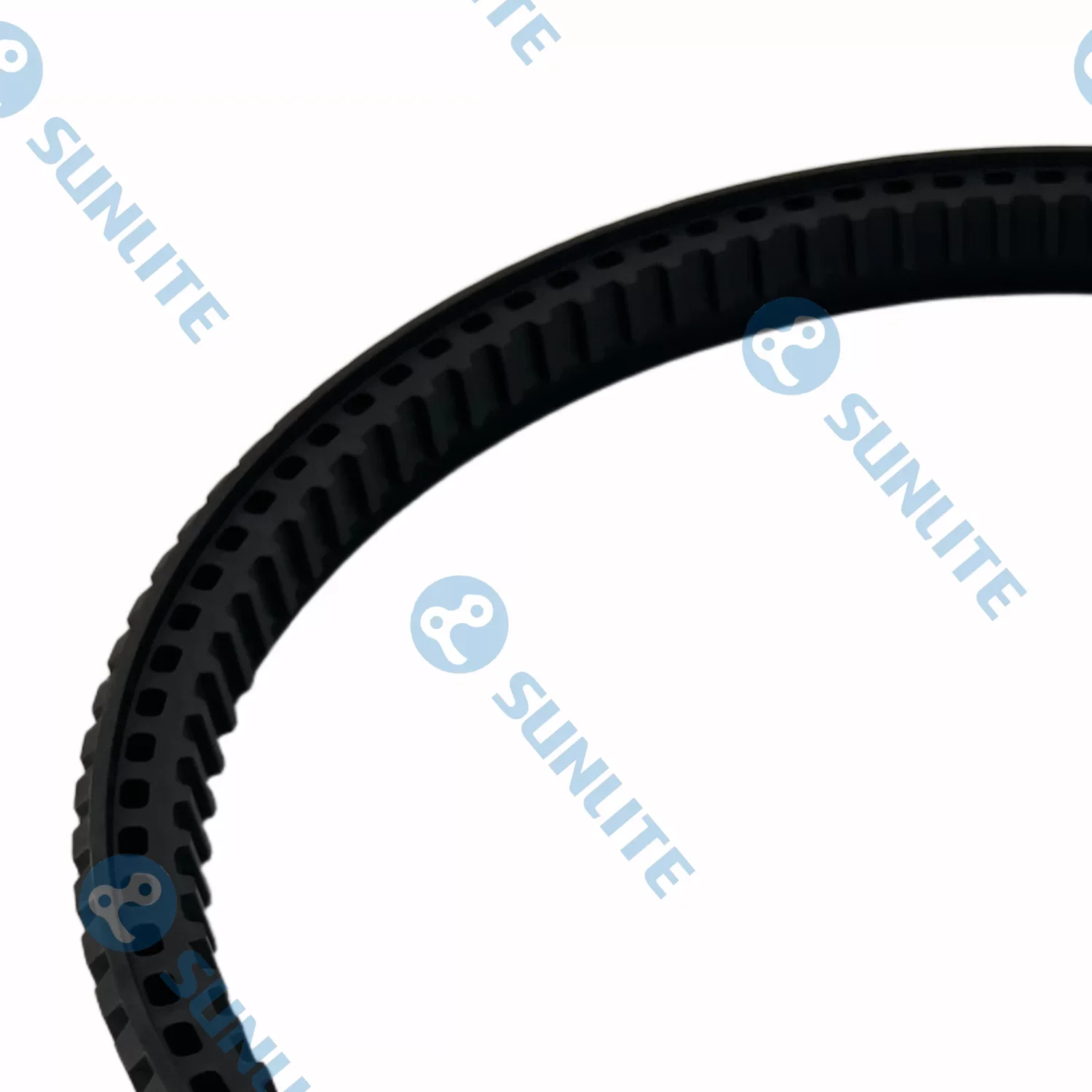
At the heart of every successful mobile platform lies the robot track, a component that serves as the interface between the machine's intelligence and the physical world. The design of these tracks is a sophisticated balance of tension, flexibility, and friction. A well-engineered robot track must be capable of withstanding massive shear forces when the robot performs a "skid-steer" turn—a maneuver where the tracks rotate in opposite directions to spin the robot in place. This ability to rotate within its own footprint is essential for inspection tasks in tight quarters, such as inside large-diameter water mains or between rows of industrial machinery.
The internal architecture of the robot track also determines the system’s overall energy efficiency. Engineers focus on the pitch and the reinforcement of the track to ensure that power from the drive motors is transmitted to the ground with minimal loss. In high-end inspection systems, the track is often designed with "self-cleaning" lugs that shed mud and debris as they rotate around the drive sprocket. This prevents the buildup of material that could lead to a "thrown track," a failure mode that could leave an expensive robot stranded in an inaccessible location. By prioritizing the mechanical integrity of the track, manufacturers provide a level of reliability that is critical for missions where recovery is not an option.
The Mechanical Advantage of Caterpillar Tracks for Robots
The concept of the continuous tread is not new, but the application of caterpillar tracks for robots has seen a massive leap in technological sophistication. Traditionally, these systems were associated with heavy tanks and agricultural tractors, characterized by high noise and massive weight. Modern robotics has miniaturized and refined this technology, creating lightweight, high-torque systems that provide incredible climbing capabilities. Caterpillar tracks for robots allow these machines to navigate stairs, curbs, and even vertical obstacles with a level of stability that three- or four-wheeled robots cannot achieve.
This stability is a result of the "low ground pressure" characteristic of the caterpillar design. Because the weight of the robot is spread across a larger area, the machine is less likely to trigger sensors or collapse fragile surfaces during an inspection. For hazardous waste management, this is a vital safety feature. Furthermore, caterpillar tracks for robots offer redundant points of contact. If one part of the track loses grip on a patch of oil or ice, the remaining length of the track often maintains enough friction to keep the machine moving forward. This reliability is why specialized response teams and infrastructure engineers default to tracked systems when the cost of failure is high.
Material Science and the Versatility of Rubber Robot Tracks
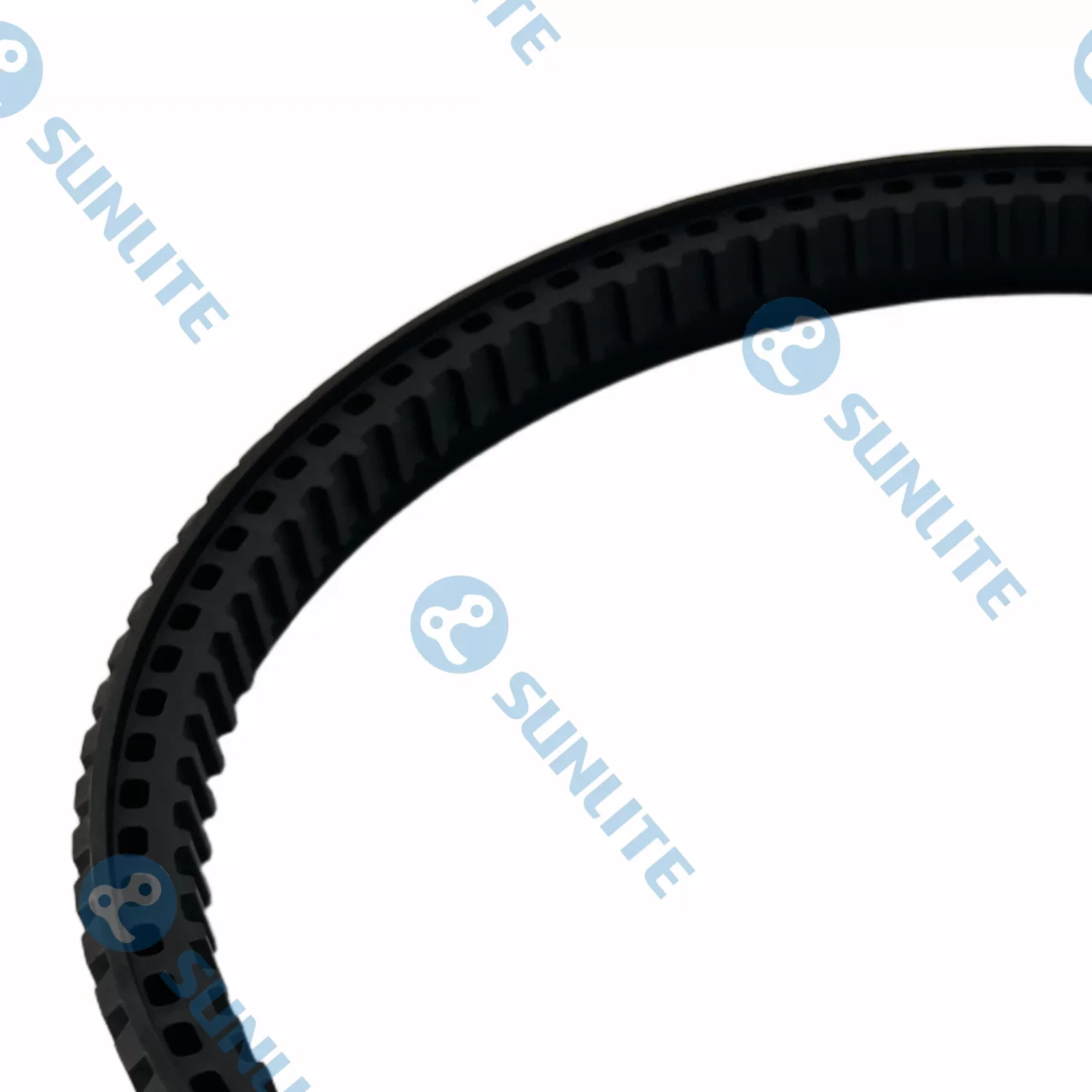
While steel tracks are suitable for heavy construction, the world of sensitive infrastructure inspection relies almost exclusively on rubber robot tracks. The choice of rubber—often a high-density, multi-layer composite—provides a unique set of advantages that are essential for indoor and specialized environments. Rubber robot tracks offer excellent dampening properties, which protect the sensitive onboard electronics, such as LiDAR scanners and high-definition thermal cameras, from the jarring vibrations of uneven floors. This vibration isolation is critical for capturing clear, usable data during an inspection.
Moreover, rubber robot tracks are non-marring and quiet. In a cleanroom, a hospital, or a food processing plant, the robot must be able to perform its duties without damaging the epoxy floors or creating a noise nuisance that disrupts operations. The high-grip nature of the rubber allows the robot to climb smooth metal inclines or navigate wet tiles without slipping. Manufacturers often infuse these tracks with specialized compounds to make them resistant to oils, acids, and high temperatures, ensuring that the rubber robot tracks do not degrade when exposed to the harsh chemicals often found in industrial sumps or chemical storage areas.
Synchronizing Power with Precision Robot Track Wheels
The final piece of the locomotion puzzle is the integration of high-performance robot track wheels. These are not traditional wheels in the sense that they touch the ground; instead, they are the internal sprockets and idlers that guide, tension, and drive the track itself. The design of robot track wheels is critical for preventing "derailment." The drive wheel must have a precise tooth profile that meshes perfectly with the track’s internal lugs to prevent slipping, especially during high-torque climbs.
In an advanced tracked inspection robot, the idler wheels are often mounted on a suspension system that allows the track to conform to the shape of the obstacle it is crossing. This "conformal" movement ensures that the maximum amount of tread remains in contact with the ground at all times. Additionally, the materials used for robot track wheels—often ultra-high-molecular-weight (UHMW) plastics or anodized aluminum—are chosen to reduce weight and friction. By minimizing the internal resistance of the wheel-and-track assembly, engineers can extend the battery life of the robot, allowing for longer inspection missions in vast underground complexes or along kilometers of pipeline.
The modern industrial landscape is filled with environments that are inherently hostile to human presence.