Select Language


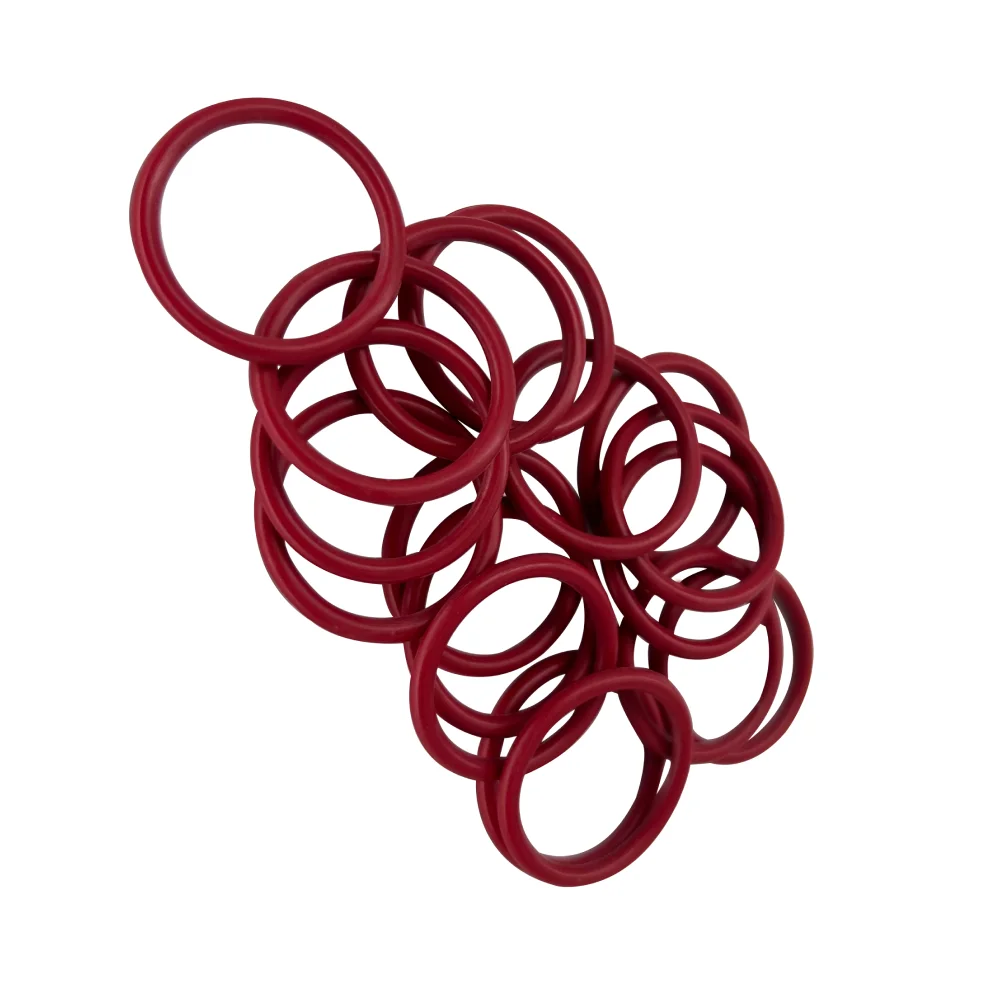
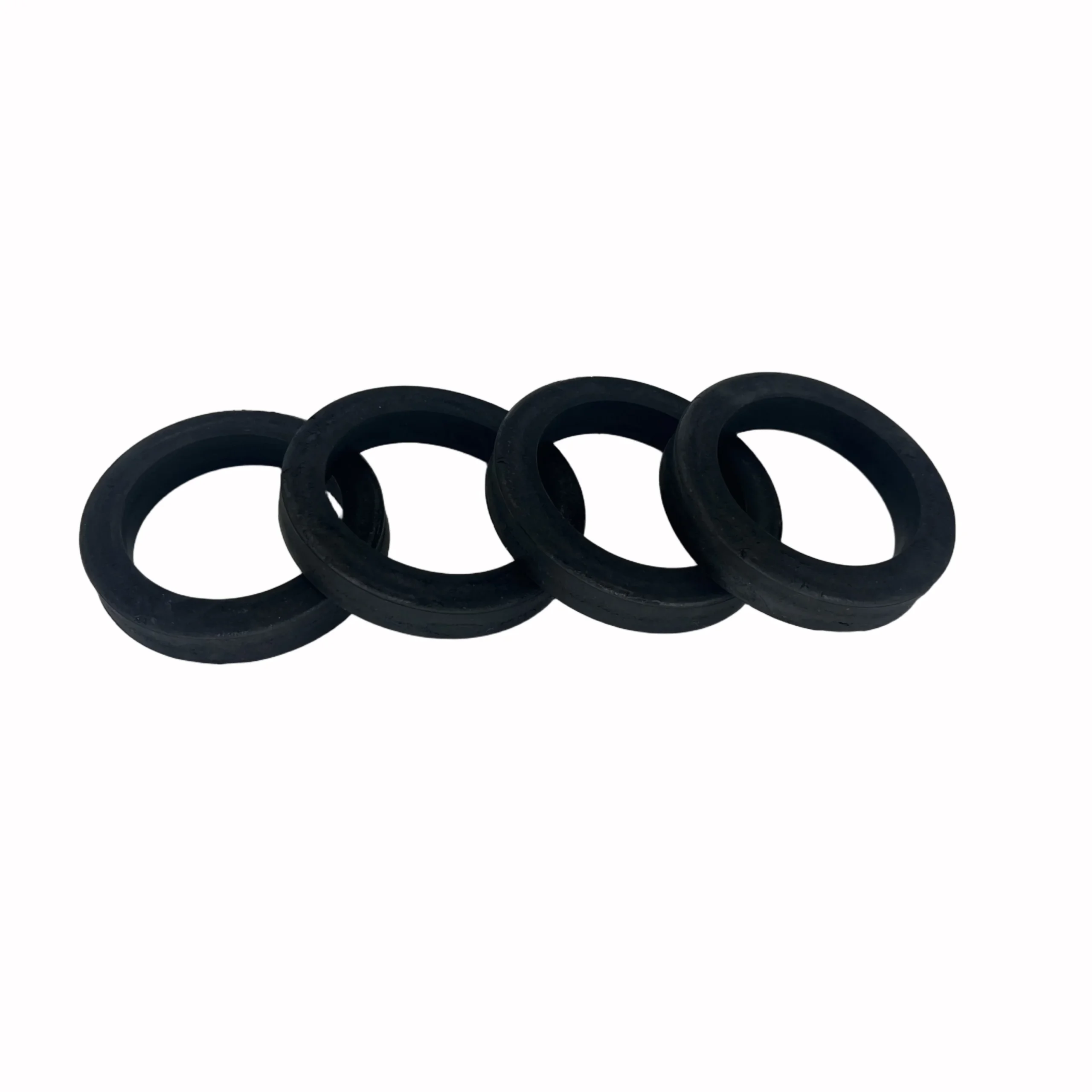
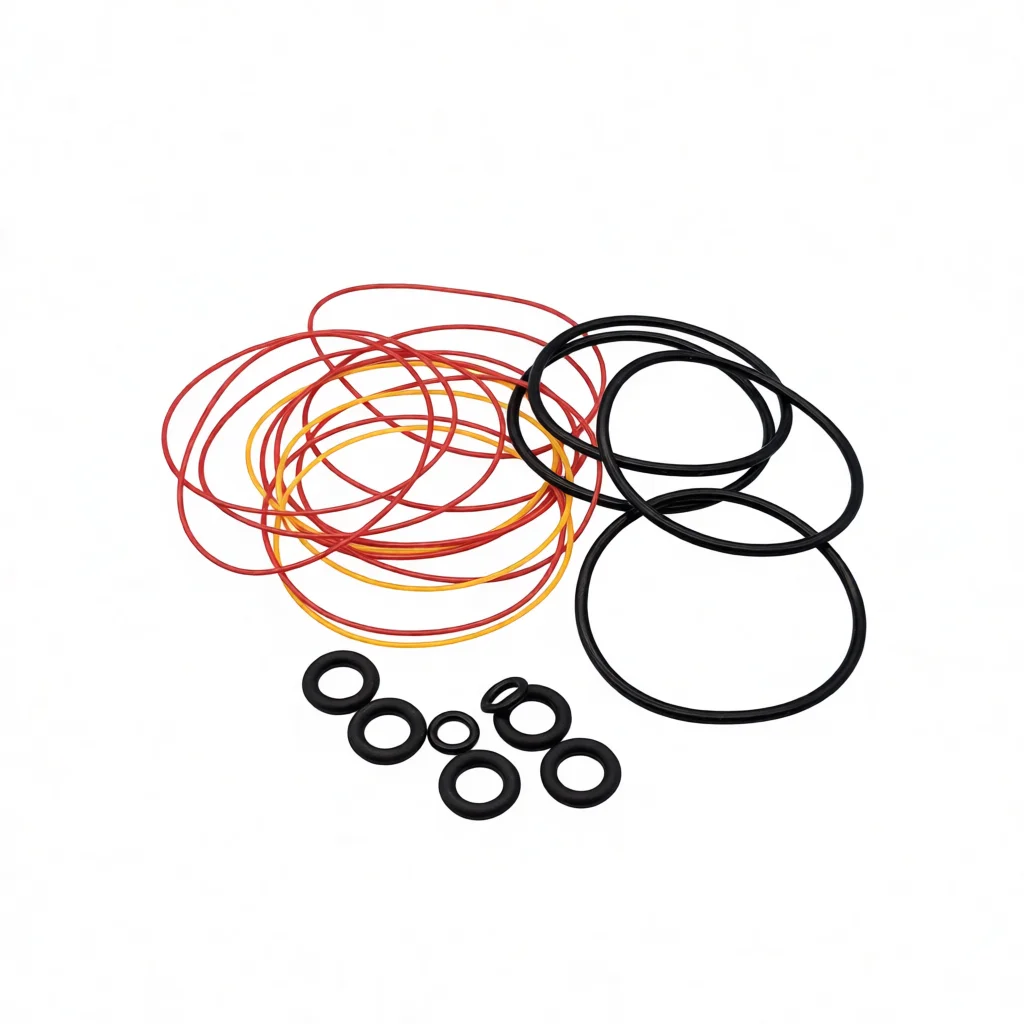
Our high-performance AEM (Ethylene-Acrylic Ester Rubber) O-Rings are engineered for the most demanding sealing environments in the automotive and industrial sectors. Specifically designed to withstand extreme temperature fluctuations and aggressive chemical exposure, these O-Rings ensure leak-proof integrity in critical systems including engine fuel lines, hydraulic brakes, and cooling circuits. By combining superior elasticity with advanced polymer science, we provide a sealing solution that prevents hazardous leakages and maintains system pressure under high-stress conditions.
Utilizing premium AEM synthetic rubber, these sealing components offer an exceptional balance of heat resistance, oil stability, and low-temperature flexibility. Whether integrated into turbocharger pipes, HVAC compressors, or aerospace fuel systems, our O-Rings are compliant with global environmental standards such as RoHS and REACH, ensuring that your operations remain efficient, safe, and environmentally sustainable while reducing long-term maintenance costs through extended component longevity.
| Temperature Range | -40℃ to 175℃ (Long-term), up to 200℃ (Short-term) | Material Composition | AEM (Ethylene-Acrylic Ester Rubber) |
|---|---|---|---|
| Tensile Strength | ≥10MPa | Elongation at Break | ≥200% |
| Compression Set | ≤25% (150℃ × 22h) | Volume Change Rate | <10% (ASTM #3 oil immersion at 150℃ × 70h) |
| Refrigerant Resistance | No failure after 500h at 120℃ in R134a environment | Hardness Change | Stable/Negligible under standard test conditions |
| Compliance | RoHS, REACH, PAHs, TSCA, PFAS | Compatibility | Hot engine oil, Gear oil, ATF fluid, Aviation fuel |
Capable of continuous operation up to 175℃, making it ideal for turbochargers and engine transmissions.
Superior anti-aging and oxidation resistance against ozone and hot air for long-term operational life.
Outstanding resistance to hot engine oils, ATF fluids, and aviation fuels, outperforming standard NBR.
Specifically engineered for R134a and R1234yf refrigerants to ensure airtight AC compressor sealing.
Maintains critical elasticity at -40℃, ensuring reliable sealing during cold-start conditions.
Strictly adheres to RoHS, REACH, and PFAS regulations for international industrial deployment.
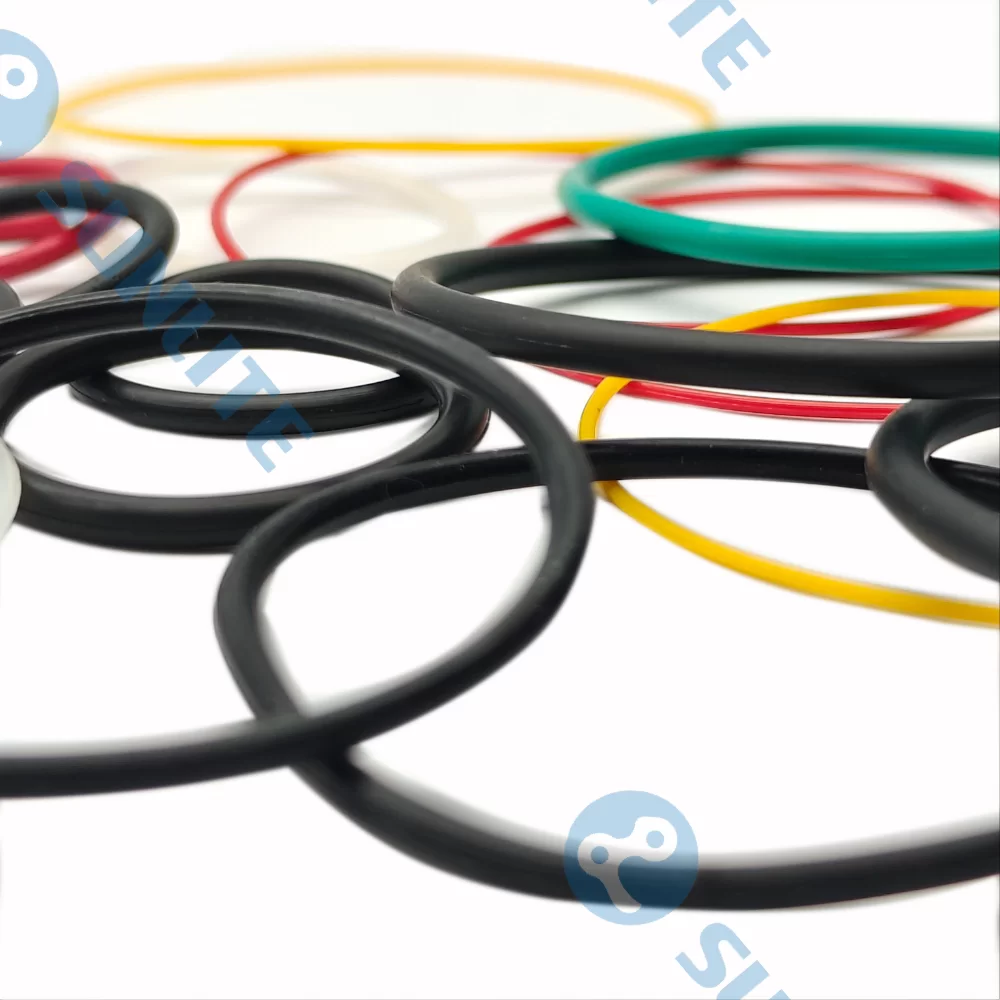
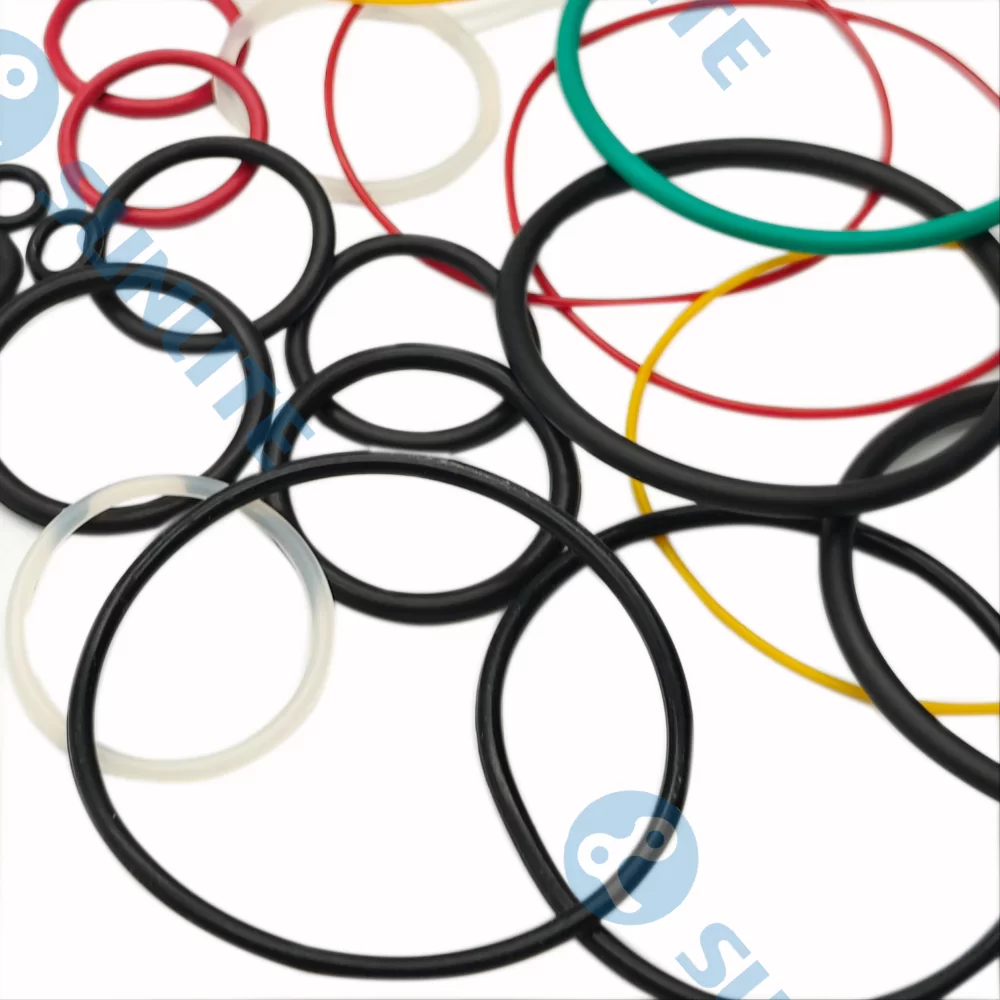
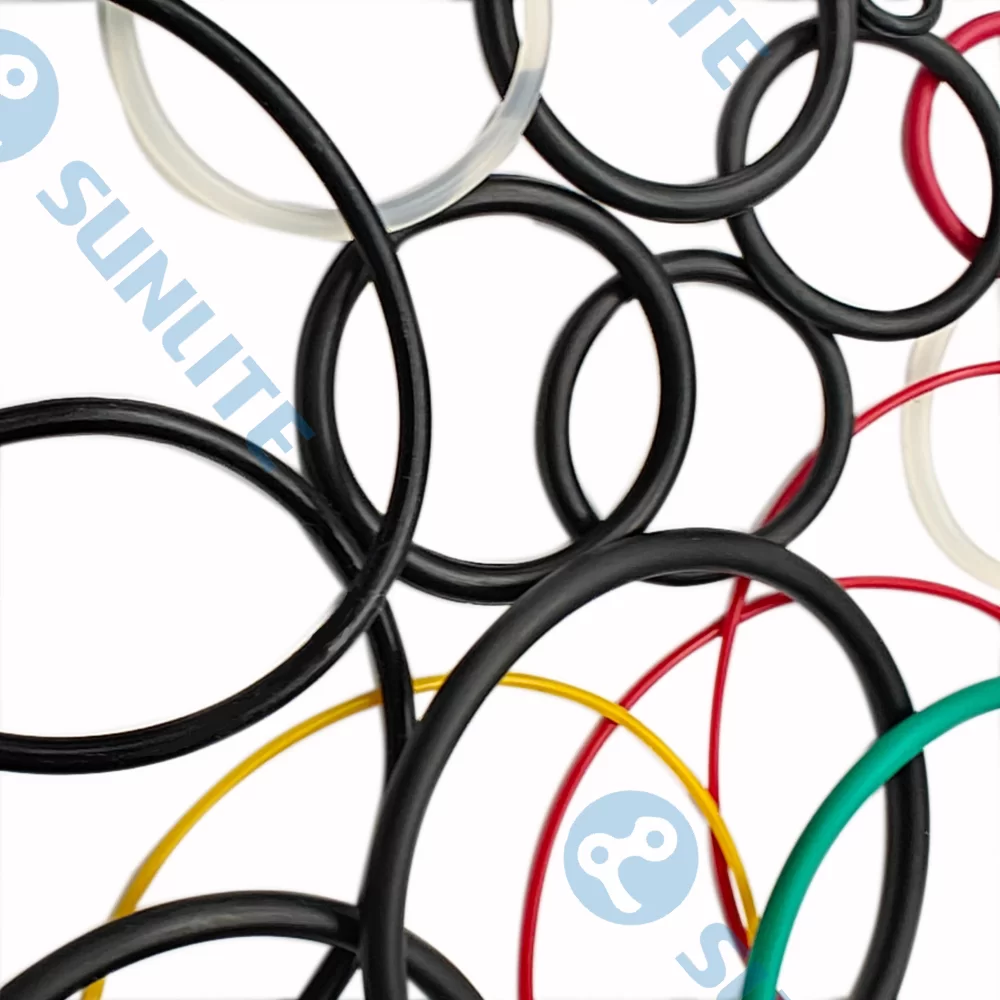
Integration into engine fuel injectors, turbocharger pipelines, and AT transmission seals.
High-pressure sealing for hydraulic cylinder gaskets and system sealing rings.
Airtight sealing for refrigerant compressors and HVAC pipeline interfaces.
Critical sealing for aviation fuel systems and high-temp aero-engine oil products.
Heat-resistant oil cooling seals for advanced electric drive systems.
Specialized sealing for high-frequency cycles with alternating extreme cold and heat.
| Performance Metric | Standard NBR | Premium AEM O-Ring |
|---|---|---|
| Max Temp Limit | ~120℃ | Up to 175℃ (Long-term) |
| Oil Resistance | Moderate | Exceptional (High-temp Oil) |
| Service Life | Standard | Extended (Low Aging Rate) |
| Maintenance Cycle | Frequent Replacement | Significant Reduction |
| System Reliability | Moderate Risk | High-Performance Safety |
AEM offers significantly higher temperature resistance (up to 175℃ compared to 120℃ for NBR) and better stability when exposed to hot engine oils and ATF fluids, reducing the frequency of seal failure in high-heat zones.
Yes, our AEM O-Rings are specifically engineered for refrigerant resistance, performing reliably with R134a and R1234yf without cracking or losing airtightness over 500+ hours of operation.
With a flexibility range down to -40℃, AEM O-Rings prevent leakage during cold-start conditions by maintaining their seal and elasticity, which is superior to many traditional ACM or NBR materials.
Absolutely. Our products are fully compliant with RoHS, REACH, PAHs, TSCA, and PFAS regulations, ensuring they meet the stringent safety and environmental requirements of global markets.
In aerospace, they are primarily used for aviation fuel system seals and high-temperature oil product seals around aero-engines where thermal stability and chemical resistance are non-negotiable.
A low compression set (≤25% at 150℃) means the O-Ring maintains its original shape and "push-back" force against the sealing surface, preventing leaks even after prolonged exposure to heat.