

 Select Language
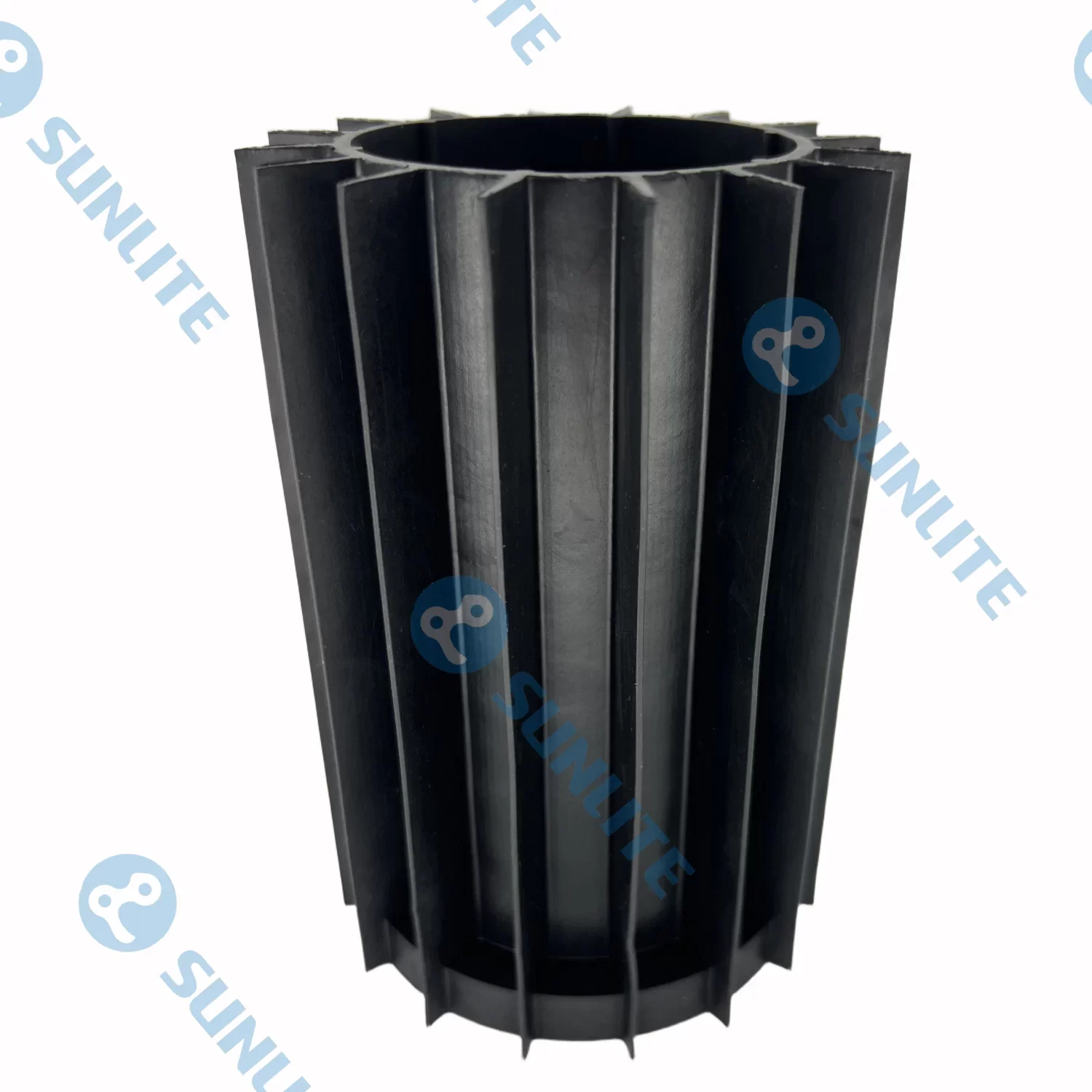
Maintaining a crystal-clear swimming pool has evolved from a labor-intensive chore into a streamlined, automated process, thanks to the advancement of aquatic robotics. At the heart of this technological shift lies a critical but often overlooked component: the pool cleaner robot roller brush. This specialized part serves as the primary interface between the machine’s intelligence and the physical debris that accumulates on the pool’s floor and walls. While the internal motors and navigation sensors receive much of the acclaim, it is the mechanical agitation provided by the brush that determines whether a pool is truly sanitized or merely superficially skimmed. To ensure long-term performance, owners must understand the nuances of material health, frictional wear, and the specific maintenance requirements of these submerged scrubbing systems.
The underwater environment is uniquely aggressive toward mechanical components. Constant immersion in chemically treated water, combined with exposure to abrasive grit and ultraviolet radiation, places immense stress on the pool cleaner robot roller brush. When the brush begins to fail, the entire efficiency of the robot plummets. A worn brush cannot generate the necessary "bite" to dislodge stubborn algae or fine silt, leading to longer cleaning cycles and increased wear on the drive motors. By prioritizing the health of the scrubbing assembly, pool owners can extend the lifespan of their expensive automated equipment and enjoy a superior level of water clarity that traditional manual brushing simply cannot replicate.
Understanding the Structural Role of the Pool Roller Brush
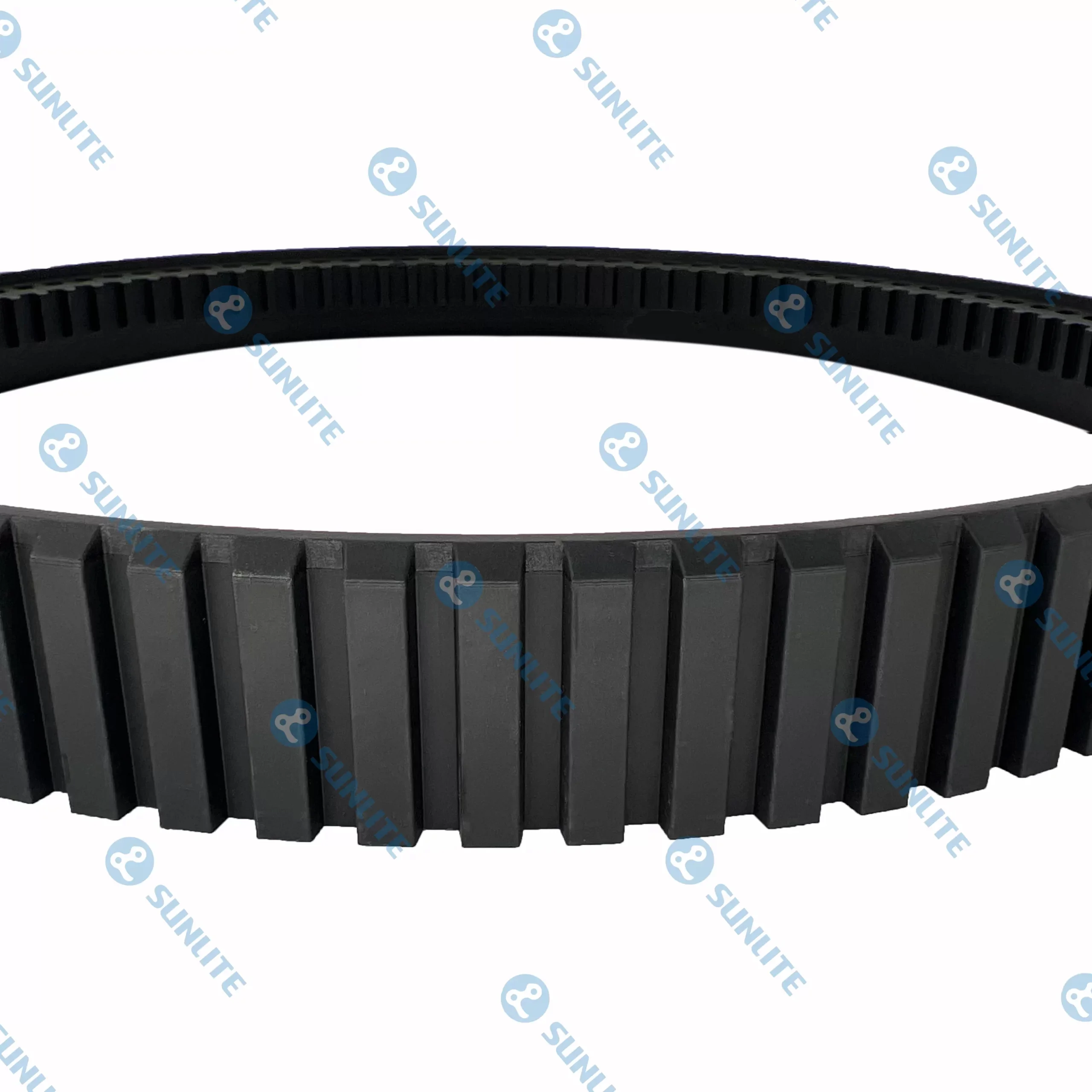
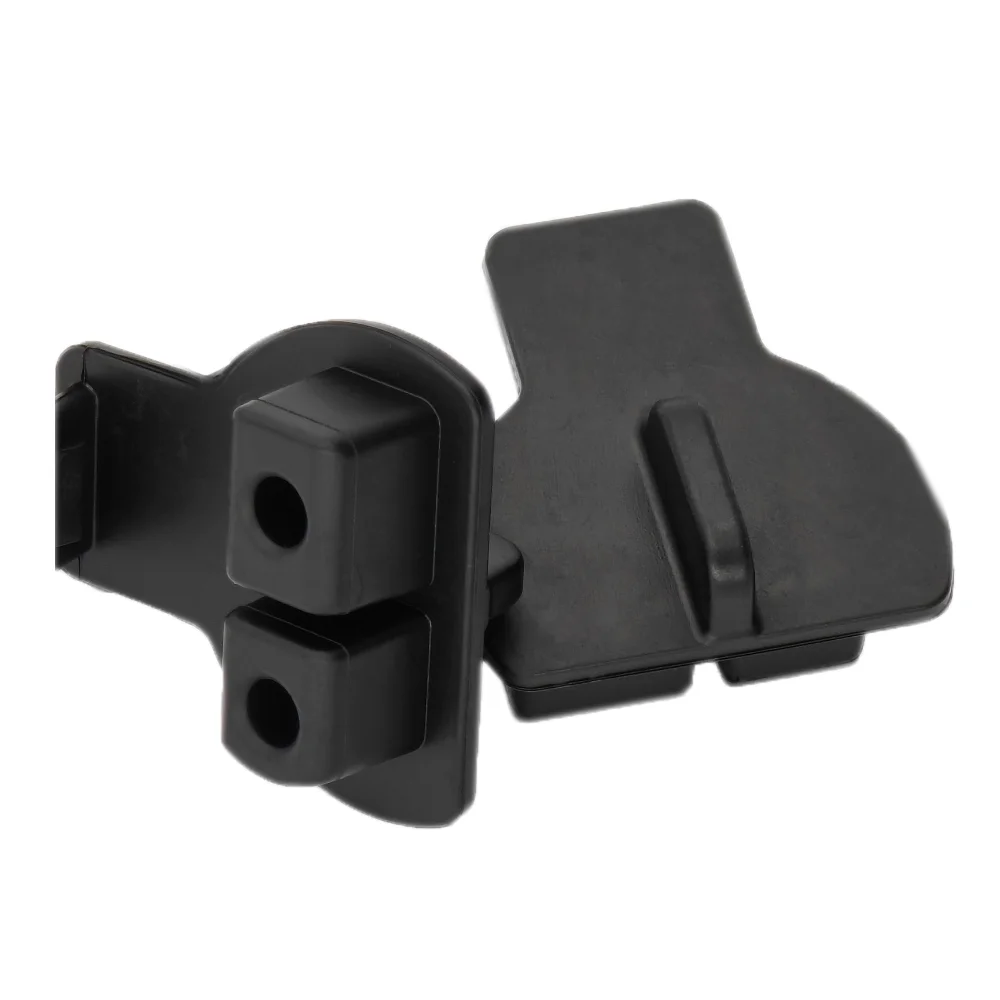
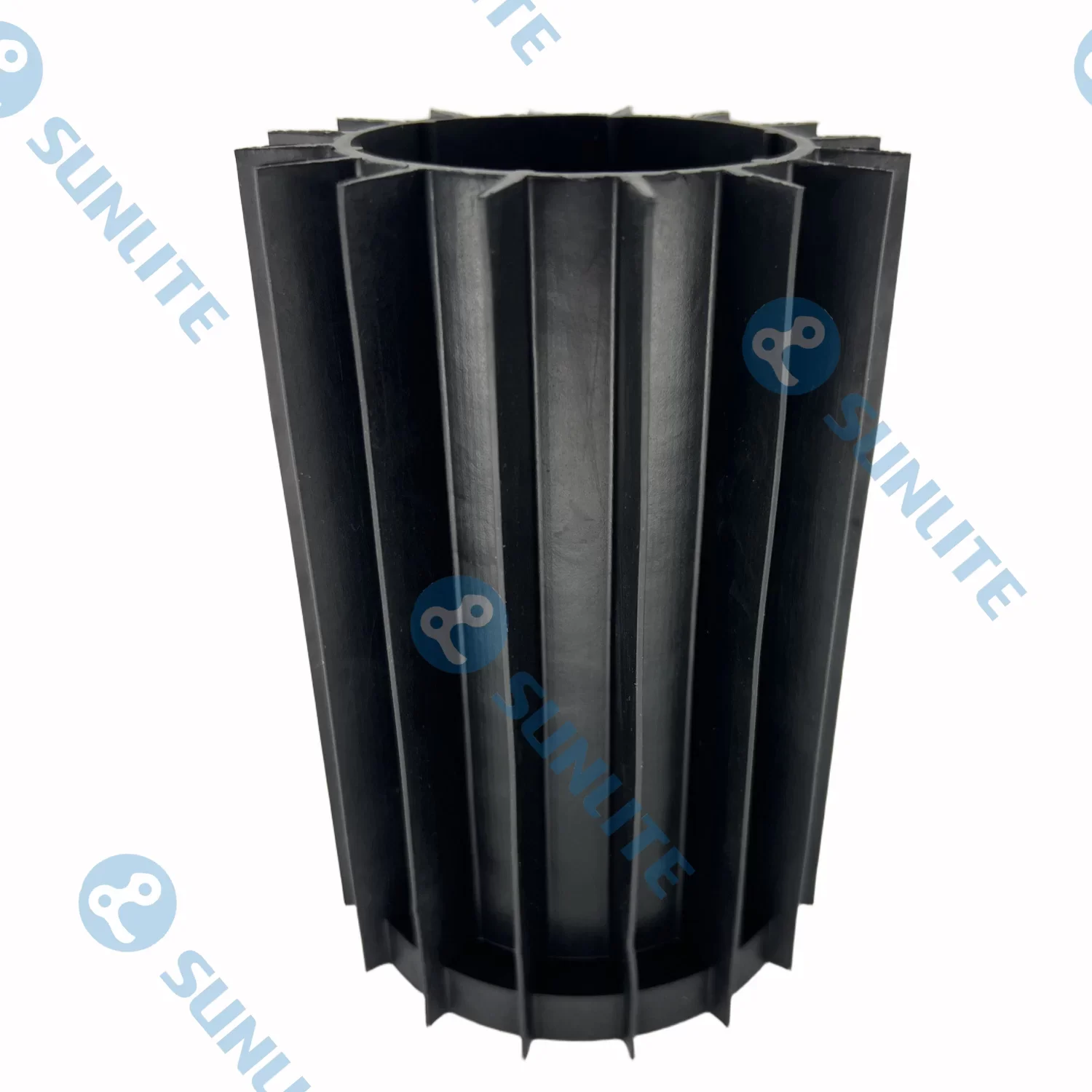
The functionality of a modern pool roller brush extends far beyond simple sweeping. In the context of a robotic cleaner, the brush acts as a dual-purpose tool: it provides mechanical scrubbing while simultaneously facilitating the traction required for the robot to climb vertical walls. Because water acts as a lubricant, the pool roller brush must be engineered with specific textures and surface geometries that can "pierce" the water film to grip the substrate. This is particularly important for tiled or fiberglass pools, where the surfaces are naturally slick. A well-maintained brush ensures that the robot can reach the waterline, where the most significant organic buildup typically occurs.
Furthermore, the design of the pool roller brush is often optimized to create a localized vortex. As the roller spins at high revolutions per minute, it creates a small-scale current that lifts debris off the floor and directs it toward the vacuum intake. This synergy between mechanical scrubbing and hydrodynamic flow is what allows the robot to capture fine particulates that would otherwise settle back into the grout lines. If the bristles or fins of the brush are matted or broken, this flow is disrupted, and the vacuum’s suction becomes far less effective at capturing suspended solids.
Optimizing Performance with a High-Quality Robot Rolling Brush
When selecting or maintaining a robot rolling brush, material composition is the most critical factor in determining cleaning efficiency. Traditional brushes were often made of stiff nylon, which, while durable, could be too abrasive for delicate vinyl liners. The modern robot rolling brush has transitioned toward hybrid materials that balance softness with structural resilience. These brushes are designed to deform slightly under pressure, allowing them to conform to the irregular shapes of steps, drains, and corners. This flexibility ensures that no spot is left untouched, even in the complex geometry of a modern custom-shaped pool.
Efficiency is also dictated by the "self-cleaning" ability of the robot rolling brush. In environments with heavy leaf fall or pet hair, a standard brush can quickly become entangled, which increases the load on the drive assembly and reduces the scrubbing surface area. Modern maintenance-free designs incorporate "anti-tangle" patterns that naturally shed long fibers as the brush rotates. Keeping the robot rolling brush clear of such obstructions is the most effective way to maintain peak electrical efficiency, as a clean brush encounters less resistance and allows the robot to operate for its full battery or cable cycle without overheating.
Mechanical Longevity of the Roller Brush for Robot Systems
The lifespan of a roller brush for robot systems is primarily a battle against chemical degradation. Chlorine and bromine are essential for sanitation, but they are highly oxidative. Over time, these chemicals can leach the plasticizers out of the brush material, making it brittle. Once a roller brush for robot becomes brittle, it begins to shed small pieces of plastic or rubber into the water, and the cleaning fins lose their ability to "flick" debris. To counter this, it is essential to maintain proper water balance and to rinse the robot with fresh water after each cleaning cycle to remove concentrated chemical residues from the brush assembly.
Another factor in the wear of the roller brush for robot is the surface texture of the pool itself. A robot operating on a rough plaster or "pebble" finish will experience significantly faster mechanical abrasion than one on a smooth vinyl surface. Owners of rough-surfaced pools should inspect the "wear indicators" on their brushes monthly. Most professional-grade rollers feature a specific notch or color layer that disappears when the brush has reached its minimum effective diameter. Replacing the roller brush for robot before it is completely worn out is a proactive step that prevents the robot’s drive belts and tracks from being overstressed by the lack of traction.
The Industrial Superiority of the NBR Robot Roller Brush
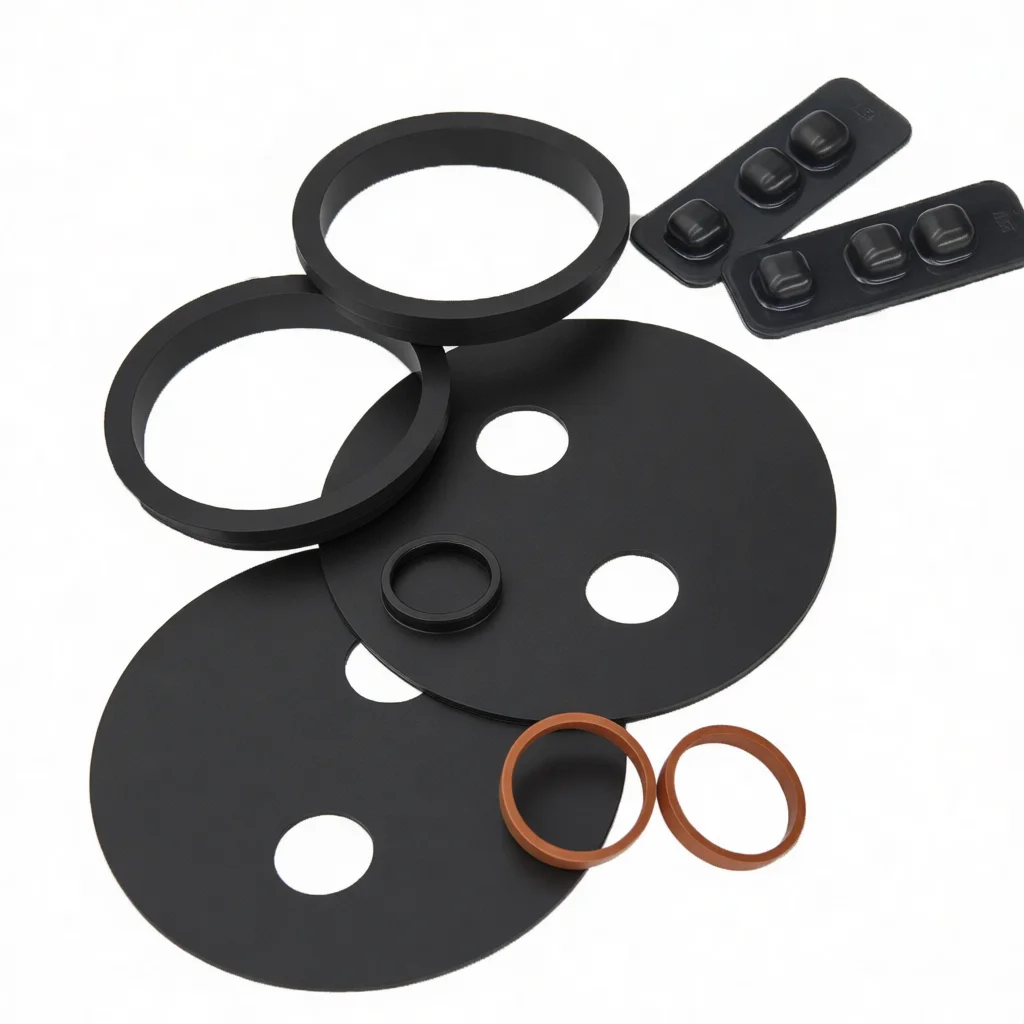
For those seeking the pinnacle of durability, especially in commercial or large-scale residential settings, the NBR robot roller brush represents the gold standard. Nitrile Butadiene Rubber (NBR) is a synthetic elastomer prized for its exceptional resistance to oils and chemicals, as well as its superior abrasion tolerance. In a pool environment, an NBR robot roller brush stands up to high concentrations of salt and chlorine far better than standard rubbers. The material maintains its "shore hardness" even after thousands of hours of immersion, ensuring that the scrubbing action remains consistent from the first day of the season to the last.
The use of an NBR robot roller brush also provides an advantage in thermal stability. Many pools in warmer climates can reach temperatures that soften lesser materials, causing them to lose their "elastic memory" and become permanently deformed. NBR retains its shape and flexibility across a wide temperature range, ensuring that the fins stay straight and effective. For owners who demand the lowest frequency of part replacement and the highest level of mechanical "bite" on slippery biofilm, investing in a machine equipped with an NBR robot roller brush is the most effective way to ensure industrial-grade cleanliness in a domestic setting.
Maintaining a crystal-clear swimming pool has evolved from a labor-intensive chore into a streamlined, automated process, thanks to the advancement of aquatic robotics.