Select Language
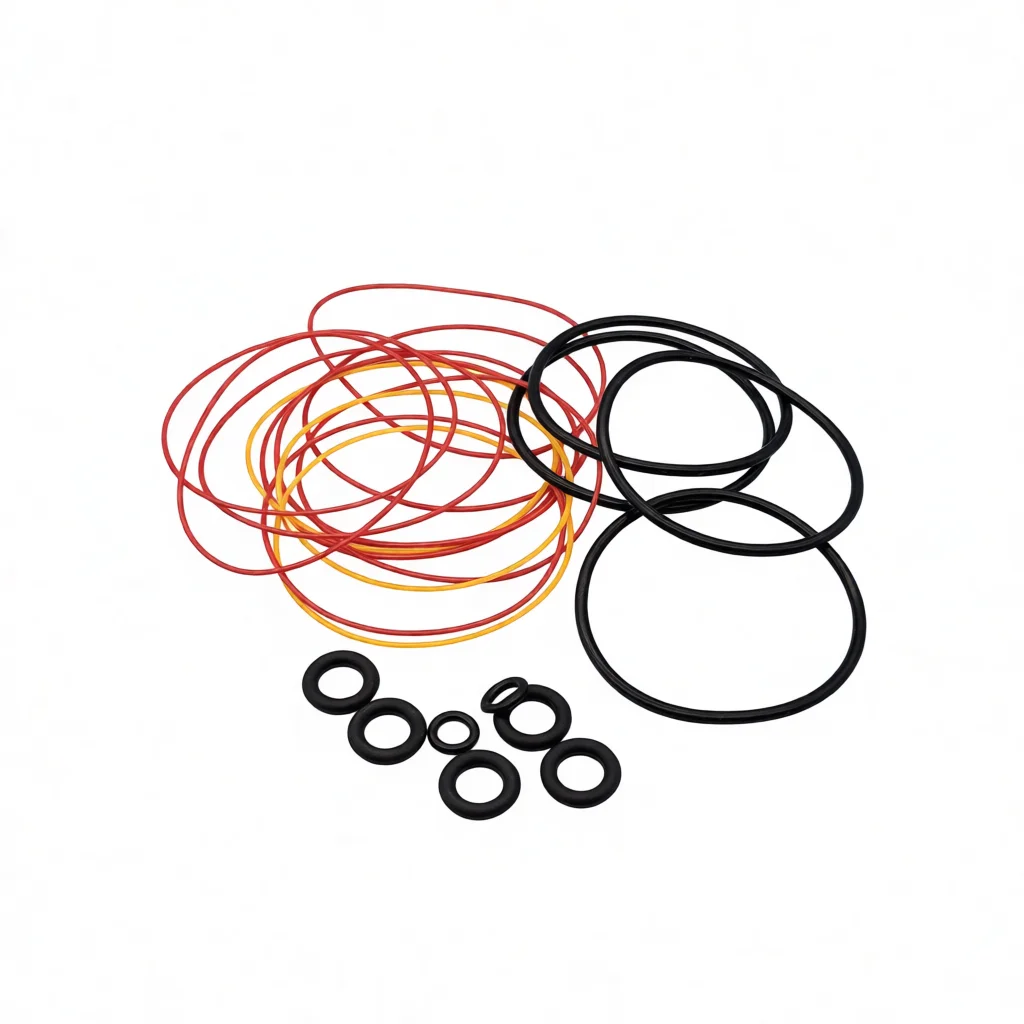
 Why an Automotive O-ring Gasket quietly decides whether a car leaks or lasts
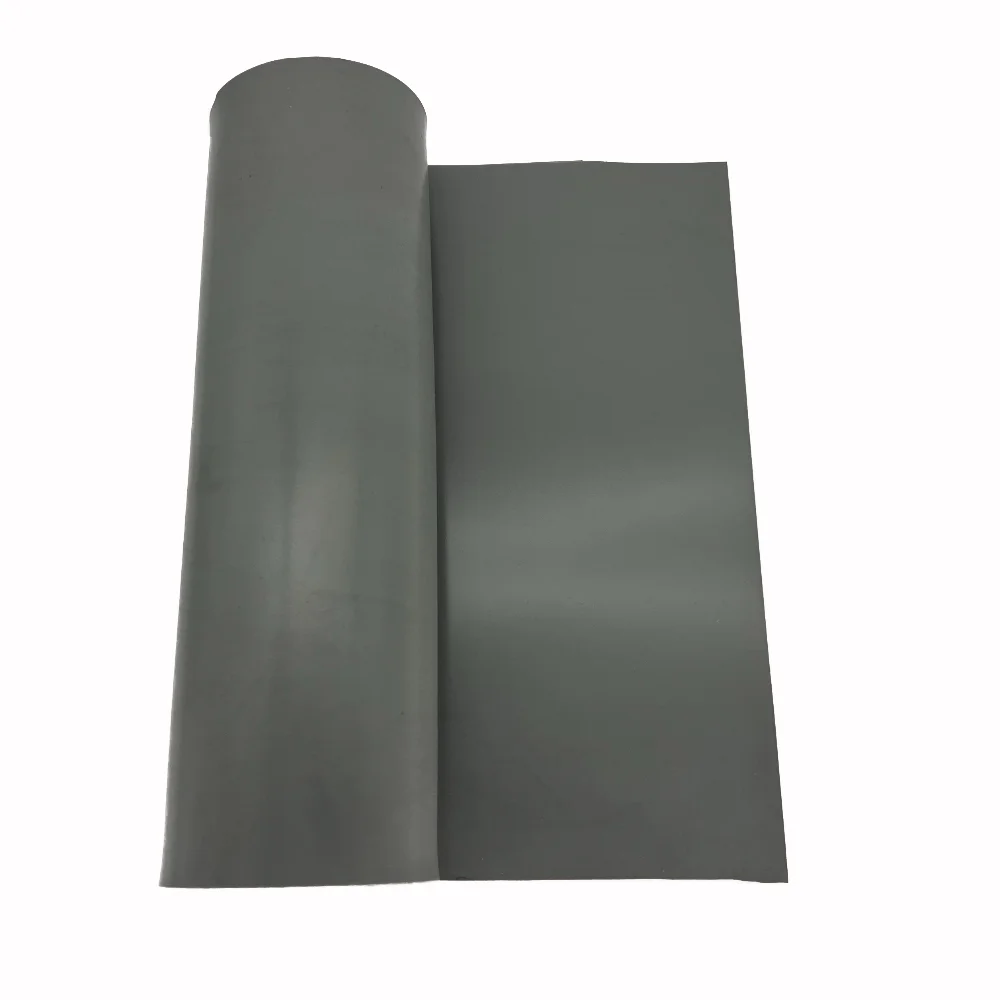
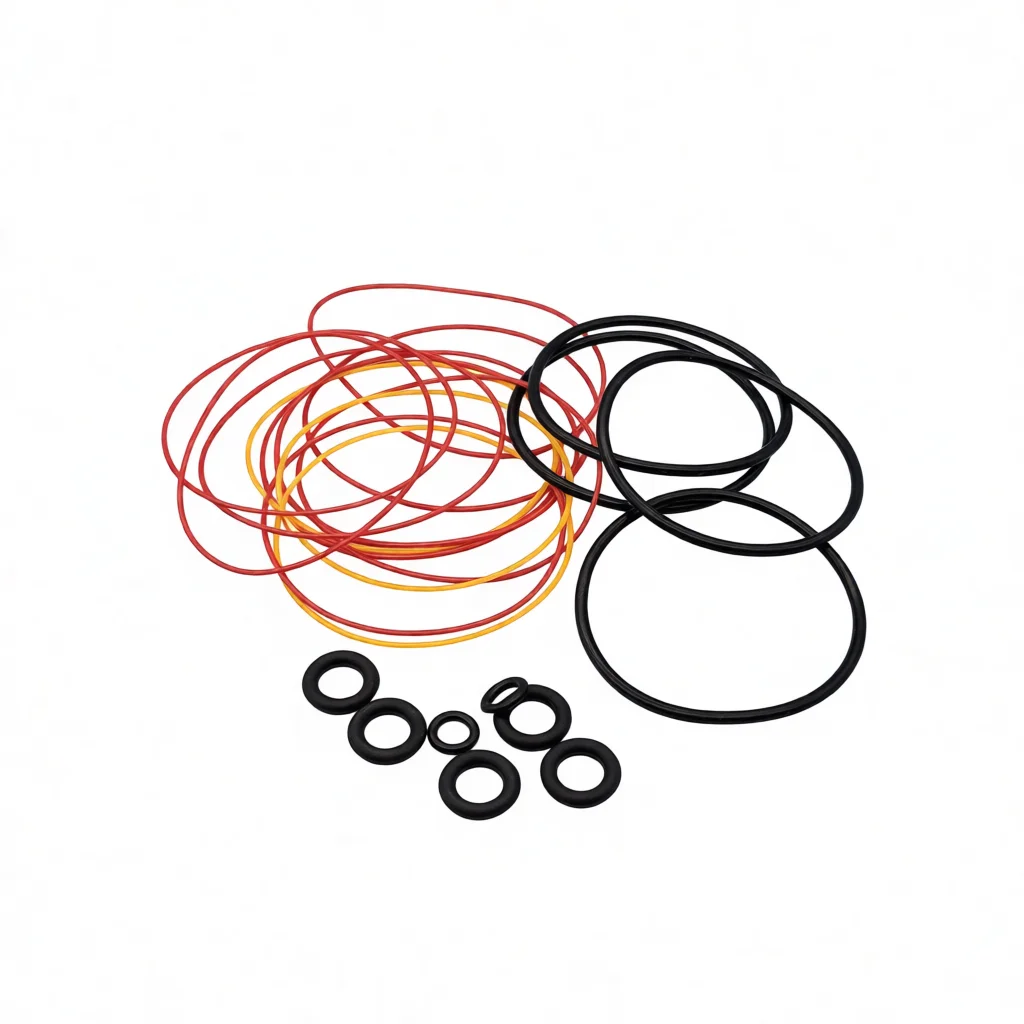
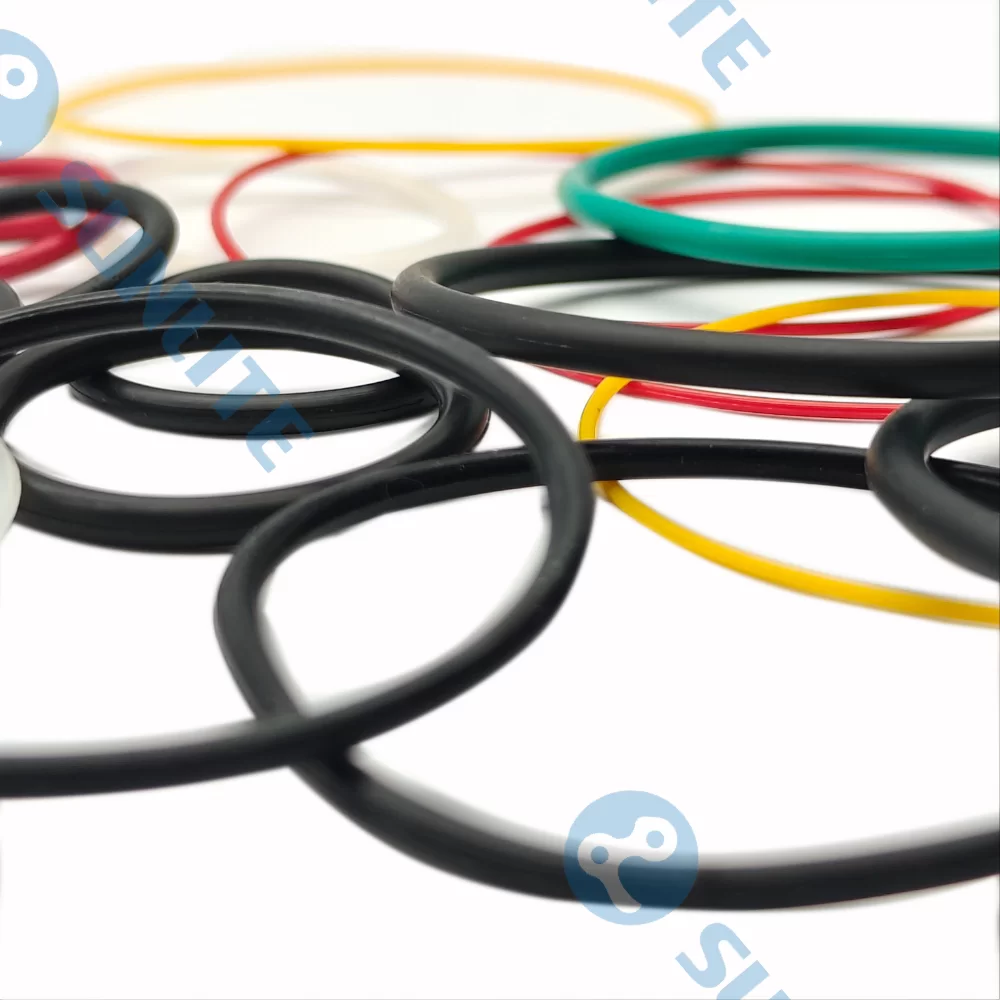
Sounds dramatic? Maybe. But after two decades nosing around test labs and teardown benches, I’ve learned the tiniest seals often make or break reliability. This O-Ring platform is built around AEM elastomer: “High and Low Temperature Resistant Sealing Rubber −40°C~200°C, Oil-Resistant & Anti-Aging, suitable for Automotive/Industrial/Aerospace.” To be honest, that’s exactly the spec line most powertrain engineers want to read.
Industry pulse
Three trends are reshaping seals: hotter turbo engines and hybrids (higher dwell at temp), harsher biofuel blends, and EV thermal loops that really don’t like micro-leaks. Many customers say moving from NBR to AEM/HNBR or even FKM curbs warranty returns—surprisingly, the ROI comes from fewer line stops and cleaner dyno data more than raw part cost.
Where it’s used
- Engine oil galleries, timing covers, cam caps
- Turbo/charge-air and EGR interfaces (heat + oil mist)
- Fuel rails and quick-connects (E10–E85; check media)
- Thermal management in EV/HEV (coolants, pumps, manifolds)
- HVAC (R134a/R1234yf) and transmission mechatronics
Product snapshot
| Parameter | Spec (≈) | Notes |
|---|---|---|
| Base materials | AEM, HNBR, FKM, NBR | Select per media and temperature |
| Hardness | 60–90 Shore A | ASTM D2240 |
| Temperature | −40°C to 200°C | AEM headline window |
| Sizes | AS568, ISO 3601; custom | Class B/C tolerances |
| Compression set | AEM ≈30% @150°C/22h | ASTM D395; real-world use may vary |
| Oil swell | AEM ≈10–20% in IRM903 | ASTM D471 |
Manufacturing flow (how the sausage gets made)
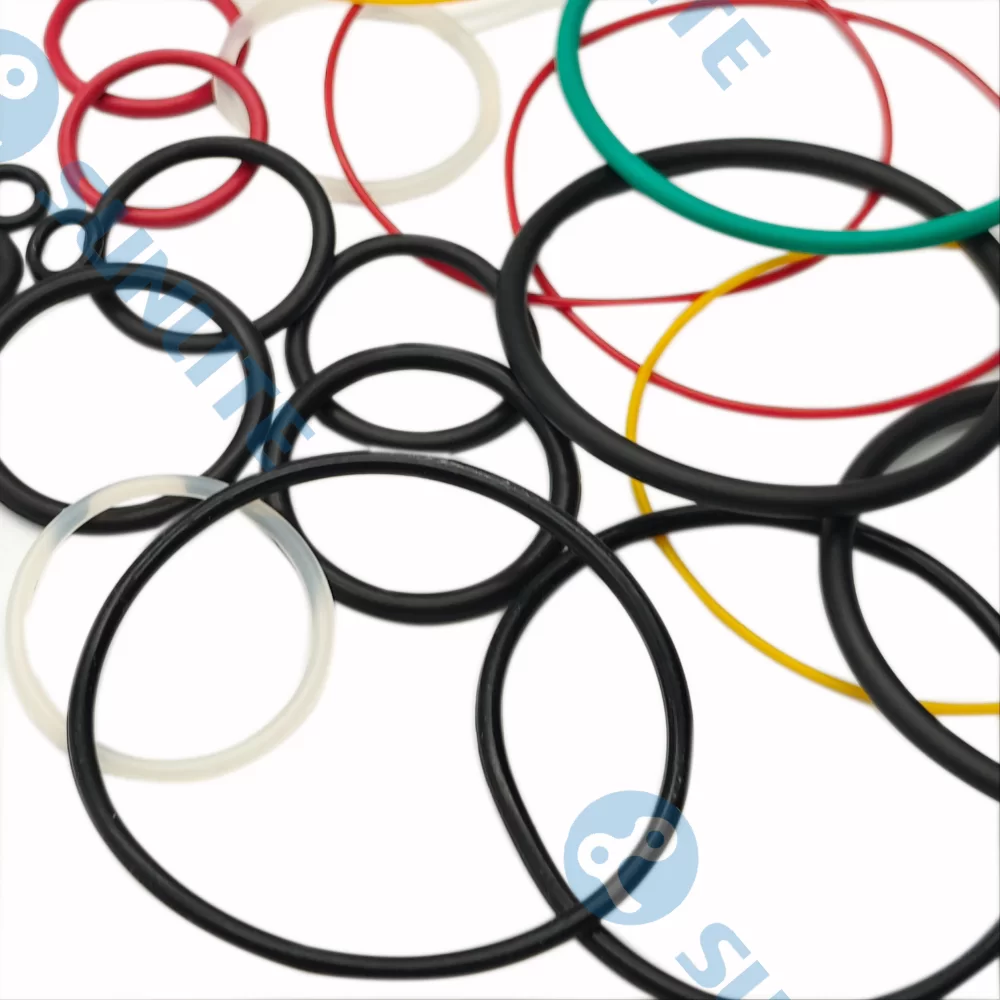
Material selection → Compounding with stabilizers/anti-oxidants → Molding (compression/transfer/injection) → Cryo-deflashing → Post-cure (oven) → 100% visual + dimensional per ISO 3601-1 → Functional checks (pressure-hold, leak) → Lot traceability.
Testing: ASTM D412 tensile/elongation, D395 compression set, D471 fluid resistance (fuel/oil/coolant), D573 heat aging; O-ring-specific methods per ASTM D1414. Service life in autos is often ≈150,000 km or 5–10 years depending on media, groove design, and squeeze. I guess design beats material heroics most days.
Compliance, documents, and confidence
Typical customer requirements include ISO 3601 conformity, PPAP (Level 3 for safety/critical), IMDS submissions, and REACH/RoHS declarations. For automotive lines, IATF 16949-based processes are expected even if the part isn’t “safety critical.”
Vendor snapshot (what buyers compare)
| Vendor | Strengths | Lead Time (≈) | Docs |
|---|---|---|---|
| Sunlitetek (Dongguan, China) | AEM focus, custom tooling, automotive/industrial mix | 10–25 days after approval | PPAP/IMDS/CoC on request |
| Global Specialist A | Broad material portfolio, global warehousing | Stock to 6 weeks | Full APQP toolchain |
| Local Distributor B | Fast small-batch, emergency replacements | Same week | Basic trace + CoC |
Origin: No. 16, Third Road, Zhangpeng Industrial Park, Machong Town, Dongguan City, Guangdong Province, China.
Customization notes
Groove fit tweaks (squeeze 15–30%), low-outgassing post-cure for sensors, colored ID rings, laser batch codes, and media-specific blends (e.g., HNBR for fuel, EPDM for brake fluid, AEM for hot oil). Many customers say moving to peroxide-cured stocks stabilizes compression set at high temp.
Quick case files
- Cold-start fuel rail: HNBR variant cut leaks by ≈60% at −30°C soak (dyno fleet, 6 months).
- EV chiller loop: AEM seals reduced top-up events from quarterly to annually in field data, likely thanks to better heat-aging.
Why this Automotive O-ring Gasket works
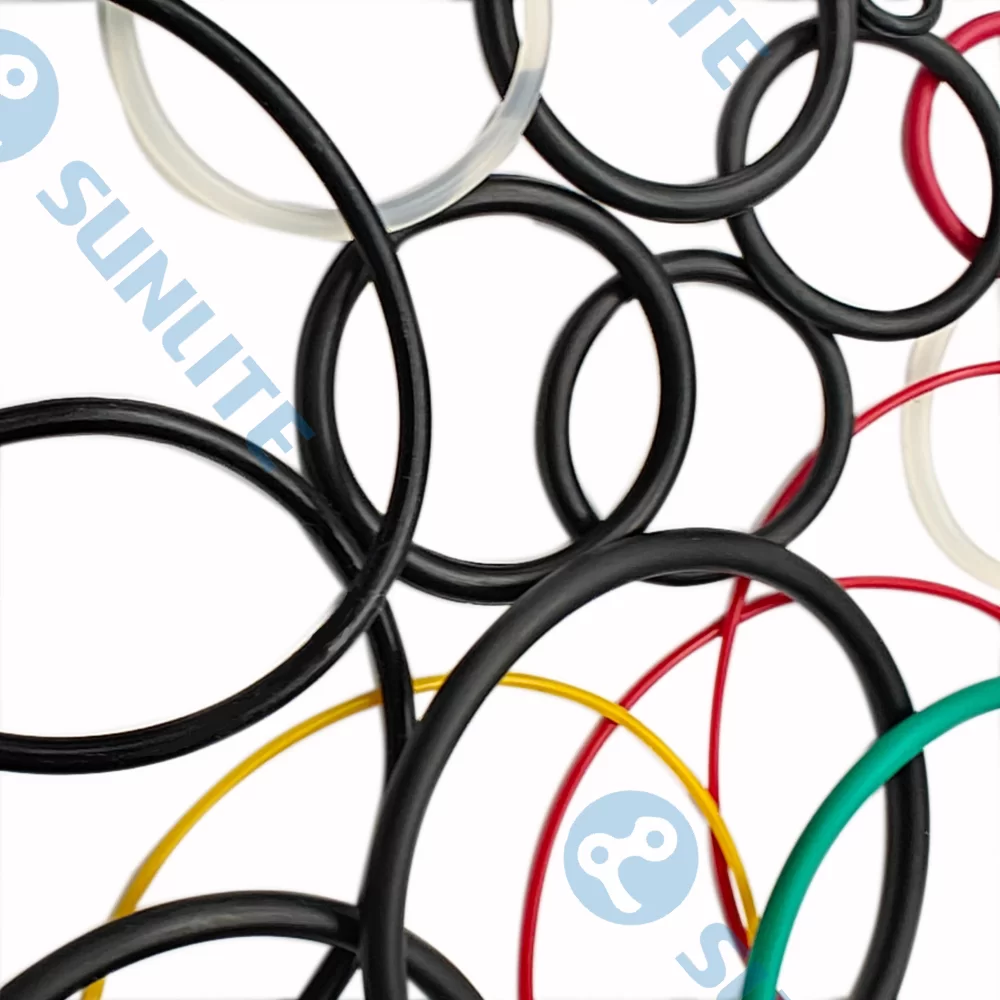
It balances temperature headroom, oil resistance, and manufacturability. The trick, in fact, is disciplined testing and groove design. Get those right, and a Automotive O-ring Gasket quietly does its job for years—and nobody notices. Which is the point.
Standards & references
- ISO 3601 O-rings — Dimensions, tolerances, and quality — iso.org
- ASTM D2000 Rubber Products — Classification System — astm.org
- ASTM D1414 Standard Test Methods for Rubber O-Rings — astm.org
- IATF 16949 Automotive QMS Requirements — iatfglobaloversight.org
- REACH Regulation (EC) No 1907/2006 — echa.europa.eu

Why an Automotive O-ring Gasket quietly decides whether […]