Select Language
 Introducing EPDM Rings: Why They Matter Across Industries
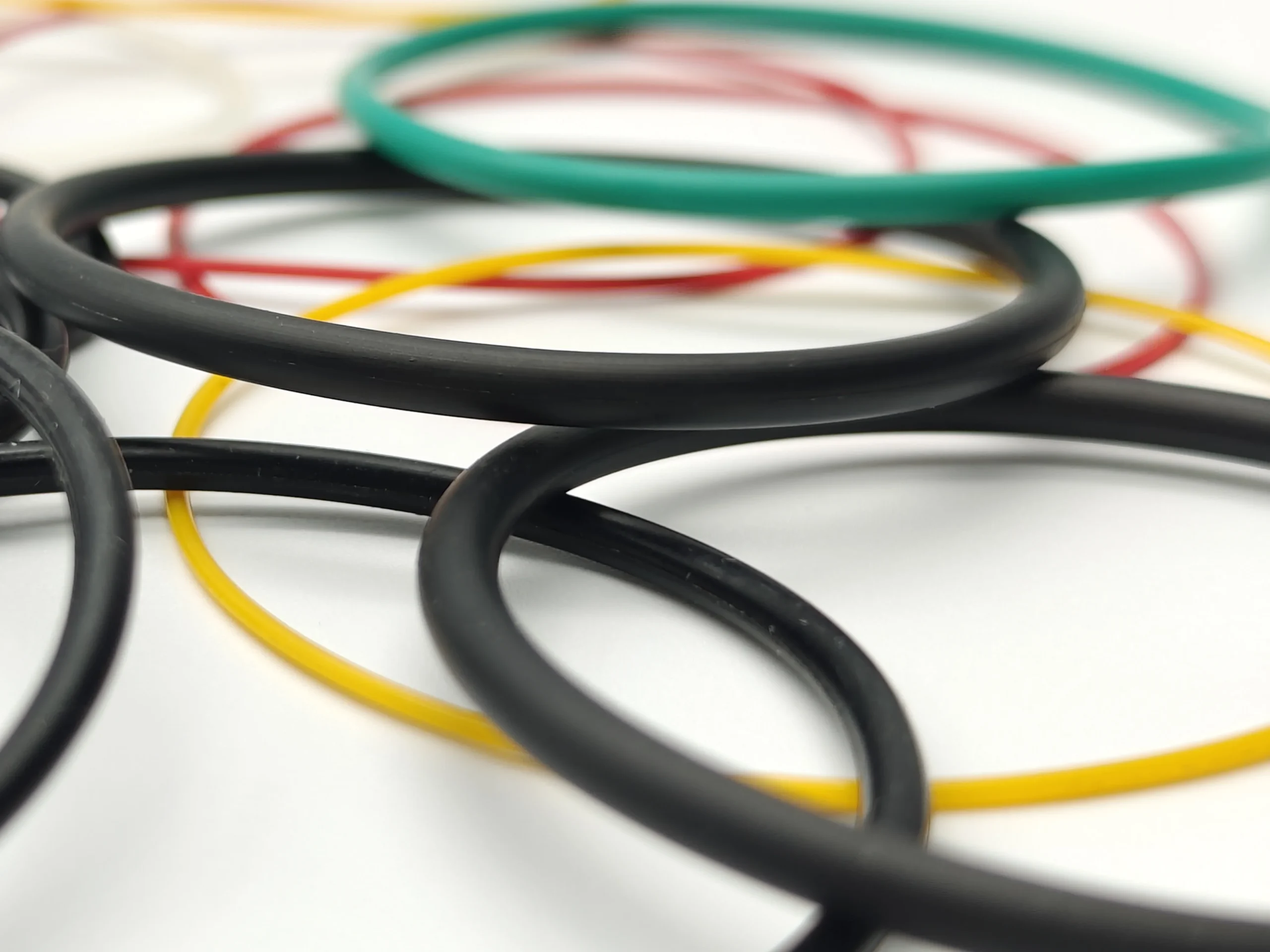
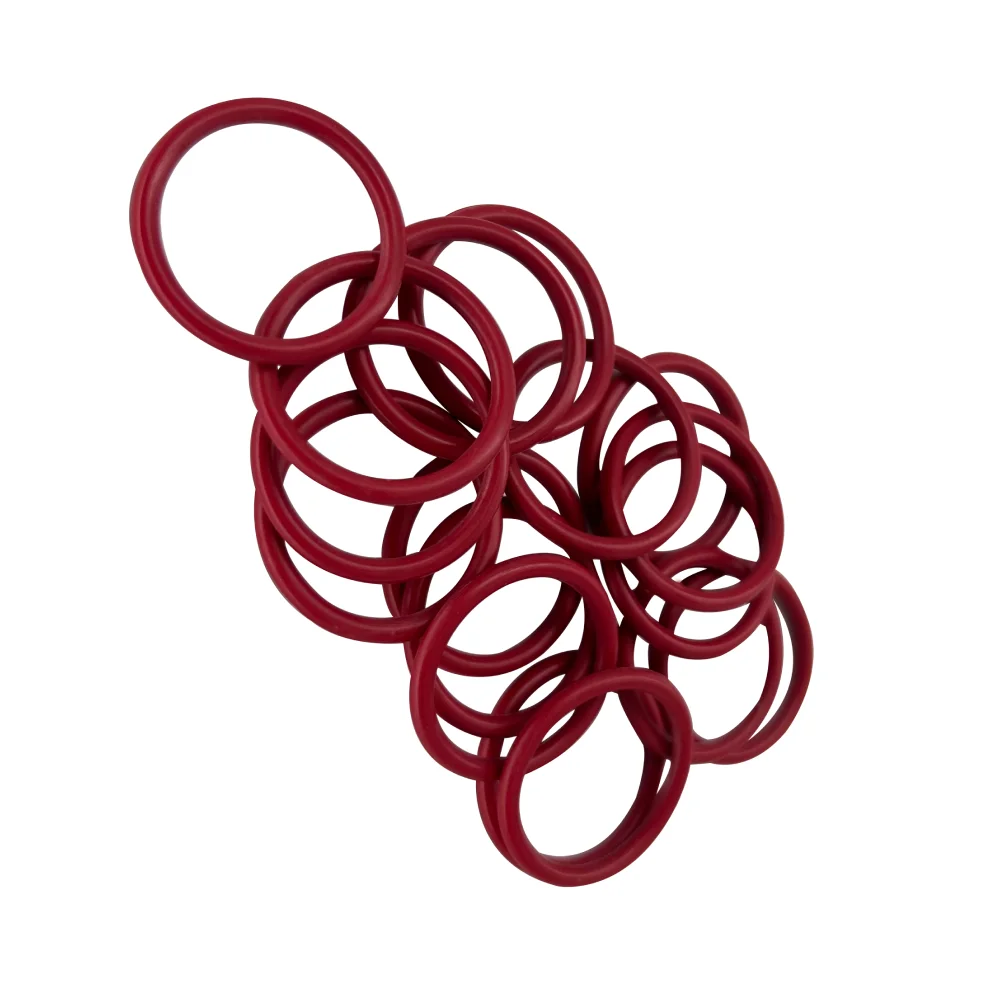
If you’re involved in sealing, insulation, or waterproofing in any way, you've probably heard of EPDM rings. But what exactly makes these little black rings so ubiquitous and important worldwide? EPDM rings, made from Ethylene Propylene Diene Monomer rubber, are key components that help industries from automotive to construction keep fluids in—and the elements out. Their importance stretches beyond convenience; they’re instrumental in industries aiming for sustainability and durability, tackling challenges ranging from climate resilience to industrial safety.
Globally, the sealing market is expected to rise steadily—according to the ISO standards on material durability and environmental resistance, materials like EPDM provide unmatched flexibility and temperature tolerance compared to traditional rubbers. So, understanding EPDM rings isn’t just niche knowledge, it’s a practical insight that translates to improved product life, safety, and cost savings worldwide.
What Exactly Are EPDM Rings?
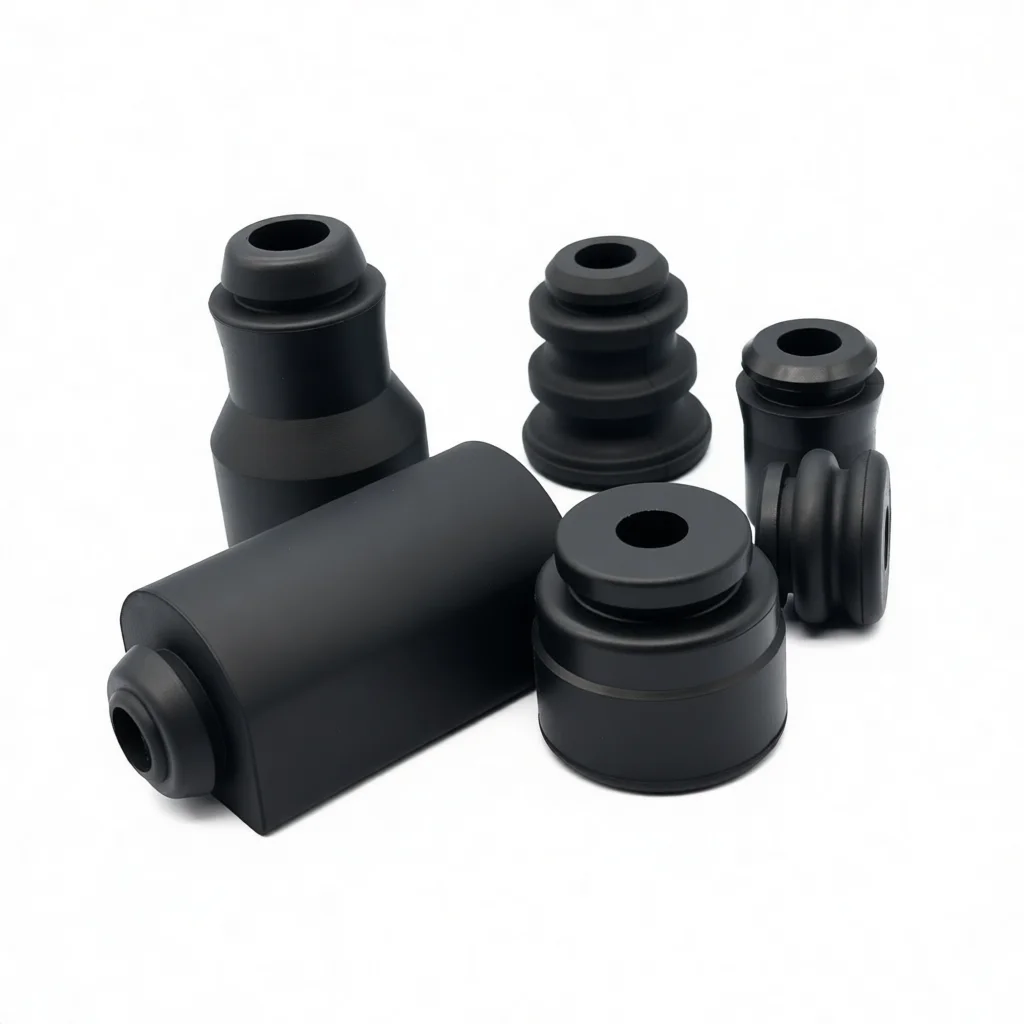
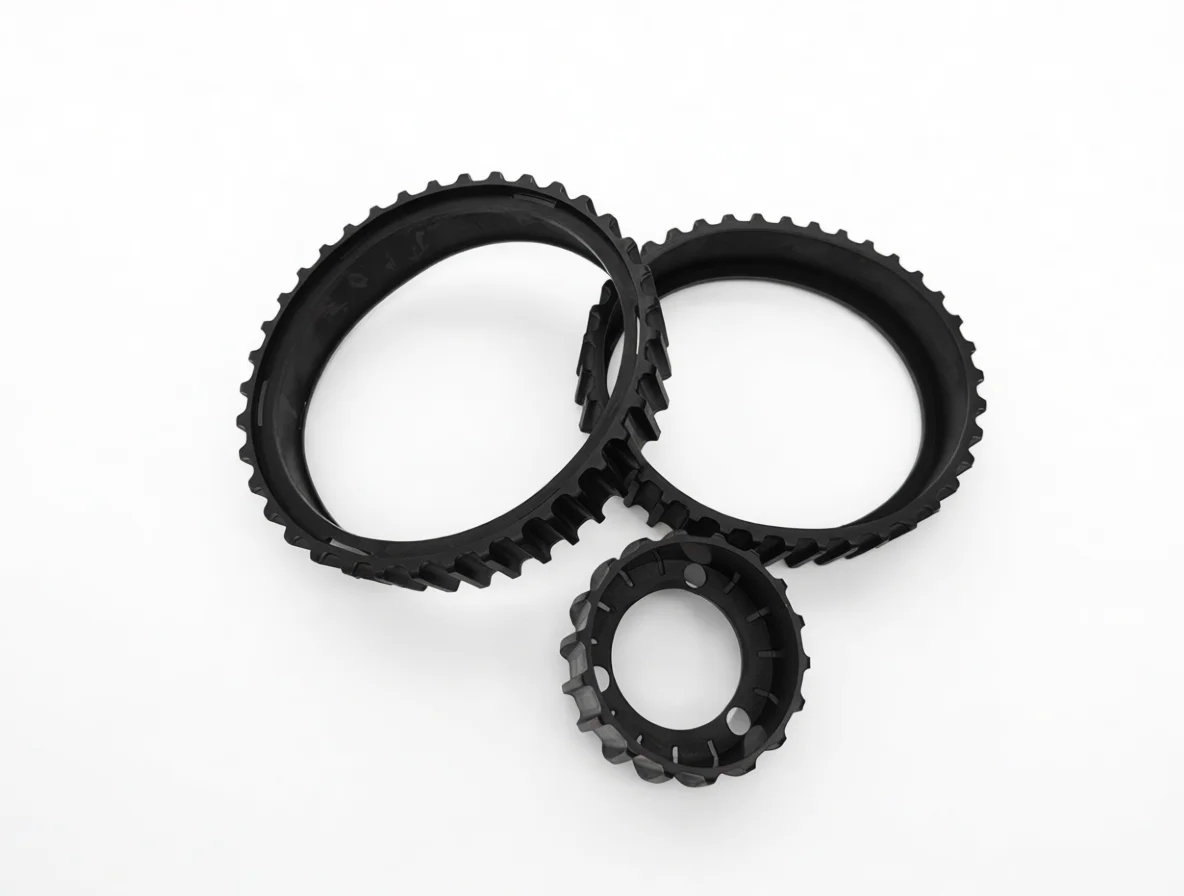
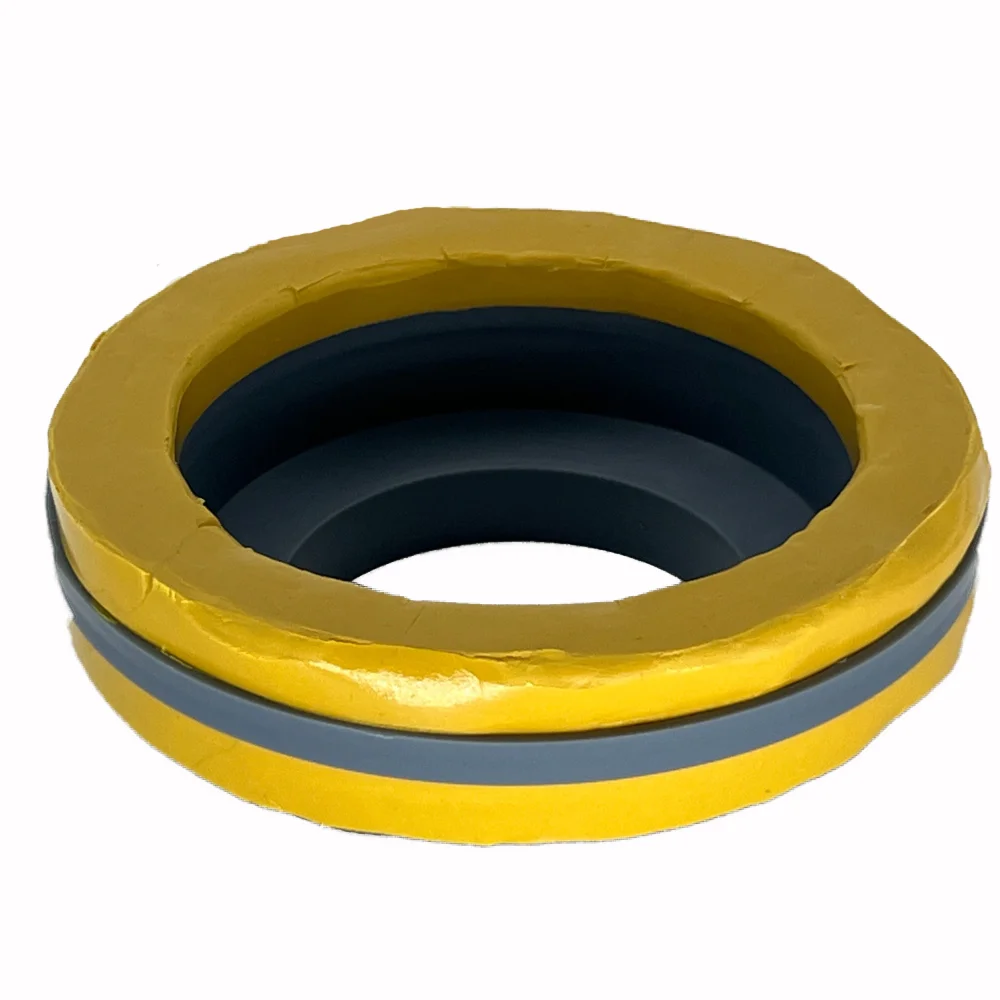
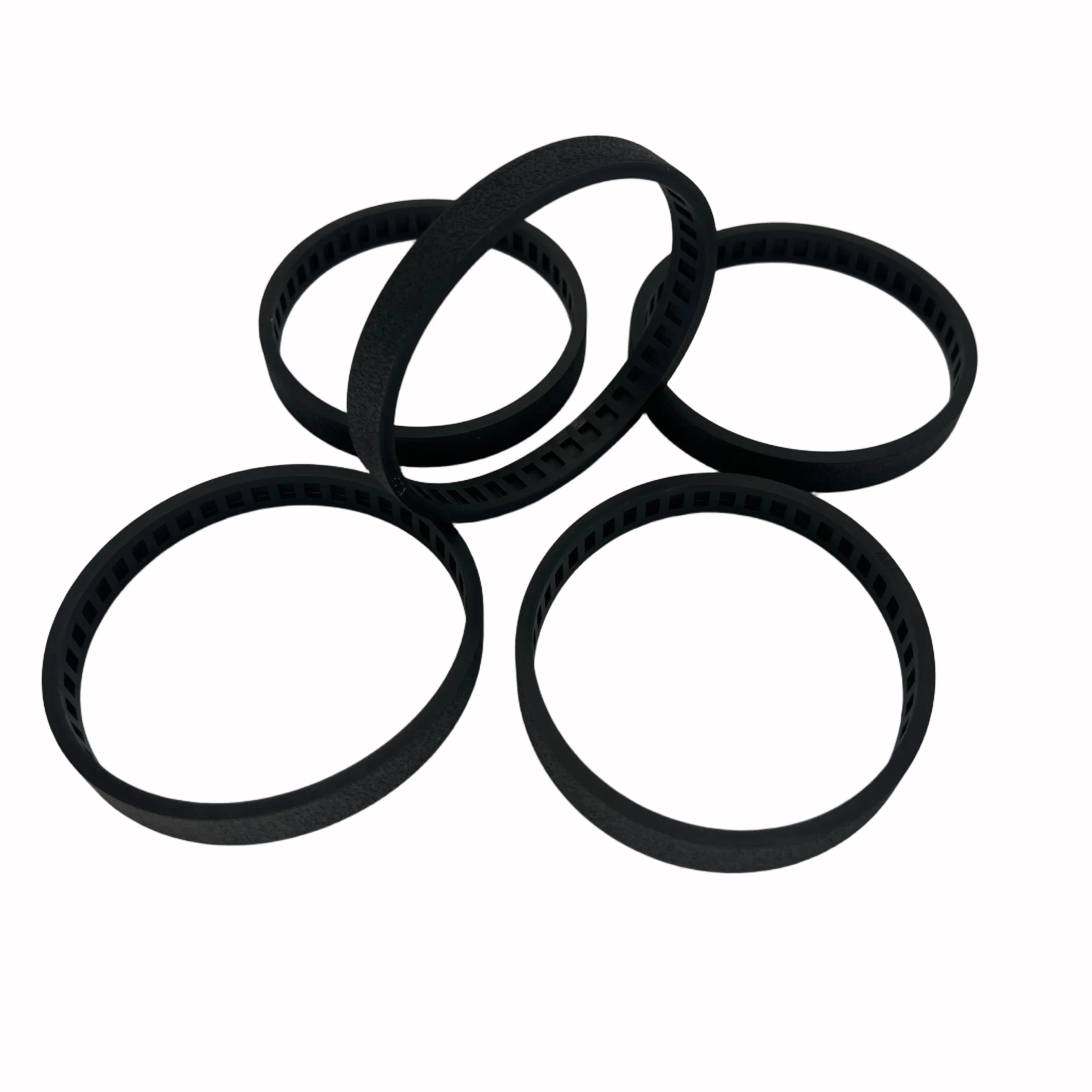
Put simply, EPDM rings are sealing rings crafted from a synthetic rubber known for its excellent resistance to weathering, heat, ozone, and a host of chemicals. They're basically donut-shaped gaskets or O-rings made to create tight seals in machinery, plumbing, engines, and more. The “EPDM” part stands for Ethylene Propylene Diene Monomer — a mouthful, but it highlights their synthetic nature with remarkable elasticity and durability.
Why should you care? In modern industrial or humanitarian contexts, EPDM rings help maintain system integrity in everything from clean water supplies in remote areas to heavy machinery used in disaster relief operations. They’re cost-effective, long-lasting, and often irreplaceable when rugged performance is a must. For example, agencies like the United Nations might rely on fast-deploy infrastructure components that use EPDM ring seals to avoid leaks or failures in harsh environments.
Key Features You Should Know About EPDM Rings
1. Durability Against Harsh Elements
EPDM’s resistance to ozone, UV rays, and extreme temperatures (roughly -40°C to 150°C) makes these rings ideal in outdoor or industrial use. This durability extends the lifespan of products and infrastructure dramatically, reducing maintenance costs.
2. Chemical Resistance
Unlike some rubbers that degrade when exposed to oils, acids, or alkalis, EPDM rings hold strong, except for petroleum-based fluids. This makes them perfect for water systems, HVAC units, or pharmaceutical applications where chemicals vary.
3. Elasticity and Compression Set Resistance
The rings retain their shape and sealing ability even under constant pressure or deformation, ensuring no leaks develop over time. Many engineers say this is why EPDM seals beat out silicones or nitriles in many applications.
4. Cost Efficiency
EPDM strikes a fantastic balance between price and performance. For companies looking to optimize budgets while maintaining quality, EPDM rings often represent an ideal choice.
5. Environmental Impact
EPDM is recyclable and often made with environmentally conscious processes, aligning perfectly with today’s sustainability goals. Plus, its longevity means fewer replacements and less waste overall.
EPDM Rings in Action: Diverse Global Applications
It’s fascinating how EPDM rings quietly play starring roles across borders and sectors. Think:
- Water Treatment Plants: EPDM seals prevent leaks in piping systems crucial to clean water access, especially in developing regions.
- Automotive Industry: Used in engines, cooling systems, and brake systems worldwide for reliable sealing under stress.
- Construction: In roofing and window installations, EPDM gaskets ensure water and air-tight seals against storms and climate extremes.
- Renewable Energy: Wind turbines and solar panel mounts use EPDM rings to maintain integrity over decades.
- Disaster Relief Operations: Lightweight, easy-to-deploy infrastructure components sealed with EPDM rings are deployed rapidly in crisis zones.
Regions like Southeast Asia and Sub-Saharan Africa particularly benefit from EPDM-equipped water systems that are designed to endure tropical conditions without costly replacements. It feels like EPDM rings help silently keep the wheels turning (and the water flowing) in ways many of us simply take for granted.
Specifications of a Typical EPDM Ring
| Property | Specification | Typical Application |
|---|---|---|
| Temperature Range | -40°C to +150°C | Outdoor sealing, automotive engine parts |
| Hardness (Shore A) | 60–80 | Compression sealing applications |
| Tensile Strength | > 8 MPa (megapascals) | Mechanical and industrial sealing |
| Ozone Resistance | Excellent (ISO 1431-1 tested) | Roofing and outdoor gaskets |
| Chemical Resistance | Good (Acids, alkalis, heat) | Water treatment, industrial plants |
Comparing Leading EPDM Ring Vendors
| Vendor | Material Quality | Customization Options | Industry Focus | Lead Time |
|---|---|---|---|---|
| Sunlite Tek | Premium, ISO-certified EPDM | High (sizes, hardness, colors) | Automotive, construction, water treatment | 3-5 days |
| GlobalSeal | Standard grade EPDM | Moderate (mainly standard sizes) | Industrial, packaging | 5-7 days |
| SealPro | Enhanced UV-resistant EPDM | Limited | Renewables, marine | 7-10 days |
Advantages and Lasting Value of EPDM Rings
The advantages of EPDM rings go well beyond just material specs. For businesses and communities alike, the long-term value is in reliability and trust. These seals reduce downtime, prevent expensive repairs, and often come with warranty-backed assurances.
From an emotional standpoint, there’s peace of mind when you know your water pipes aren’t going to leak or your vehicle’s engine seals won’t crack in the heat. Sustainability-wise, fewer replacements mean less environmental impact. So the humble EPDM ring quietly supports safety, dignity, and innovation, especially where things simply can’t go wrong.
Future Trends & Innovations in EPDM Ring Technology
Looking ahead, EPDM technology isn’t standing still. Manufacturers are focusing on green production methods to further minimize ecological footprints. Advances in polymer chemistry could lead to EPDM compounds with even greater resistance to extreme weather and chemical attack.
One exciting frontier is digital transformation — embedding sensors that monitor seal integrity in real time, giving predictive maintenance a major boost. There’s also a push for materials that better support emerging renewable energy systems, ensuring that the seals can last decades on turbine blades or solar panel mounts.
It’s odd but invigorating to think a product so small could be riding these big technology waves...
Common Challenges and Smart Solutions
Of course, it’s not all smooth sailing. Some challenges include compatibility issues—EPDM rings won’t handle petroleum oils well, which means they aren’t universal for all sealing needs. Also, improper installation or wrong sizing can compromise performance.
Experts suggest thorough specification reviews and collaboration with suppliers to custom-design EPDM rings for unique conditions. Plus, ongoing training for installers can dramatically reduce seal failures. After all, these are small rings, but their impact is huge when things go wrong.
FAQs About EPDM Rings
Q1: How do EPDM rings compare with silicone O-rings in durability?
A1: EPDM rings generally outperform silicone in resistance to ozone, UV, and weathering. However, silicone can handle higher temperatures but is less resistant to certain chemicals. For outdoor and industrial uses, EPDM often wins for long-term durability.
Q2: Can EPDM rings be customized to unusual sizes or shapes?
A2: Yes, many vendors like Sunlite Tek offer custom sizing, hardness variations, and color options to meet specific industrial or commercial needs.
Q3: Are EPDM rings eco-friendly?
A3: EPDM is recyclable and often produced with green manufacturing processes. Its long service life also helps reduce waste, contributing positively to sustainability goals.
Q4: What is the typical lifespan of an EPDM ring in water systems?
A4: When properly installed and maintained, EPDM rings can last 10-20 years in water systems due to their excellent chemical and ozone resistance.
Q5: How can international NGOs import EPDM rings for humanitarian projects?
A5: Many EPDM suppliers have experience exporting globally, providing certifications and documentation to facilitate customs. Buyers should contact vendors directly to streamline this process.
Final Thoughts on EPDM Rings
EPDM rings may seem small and unassuming, but they pack a punch in reliability, versatility, and sustainability. Their role in sealing critical infrastructure worldwide—from water systems to renewable energy—is only set to grow as industries innovate and push for greener solutions.
If you’re considering EPDM rings for your project, it’s worth checking out trusted industry suppliers like Sunlite Tek who combine quality materials with fast turnaround. Because, frankly, in a world full of unpredictability, dependable sealing solutions are something we all can count on.
For more insight and options, visit Sunlite Tek today.

Introducing EPDM Rings: Why They Matter Across Industri […]