Select Language
 Understanding the Hose Rubber Ring: Essential Component for Modern Industrial Connections
At first glance, the hose rubber ring might not grab headlines like cutting-edge tech gadgets or renewable energy breakthroughs. Yet, this small but mighty piece plays a critical role in countless industries worldwide. From ensuring leak-proof connections in water supply systems to maintaining pressure integrity in complex machinery, hose rubber rings are quietly indispensable. Appreciating their importance offers a fresh perspective on how simple engineering solutions keep our infrastructure running smoothly—and why they matter on a global scale.
Why the Hose Rubber Ring Matters Globally
Water scarcity, agricultural demands, industrial growth, and emergency relief operations all depend on secure fluid transfer systems. The hose rubber ring serves as a reliable seal in these systems, preventing leaks that could lead to resource loss or hazardous accidents. According to the United Nations, nearly 2.2 billion people lack safely managed drinking water, underscoring the need for robust piping solutions that minimize waste and contamination.
But the challenge isn’t just about access to fluids—it’s also about durability under varied conditions. Industrial sectors like oil & gas, agriculture, and manufacturing often operate in harsh environments, putting hose seals to the test. That’s why understanding the materials and design of hose rubber rings is more than a technical detail; it’s a matter of operational safety and environmental responsibility.
What Exactly Is a Hose Rubber Ring?
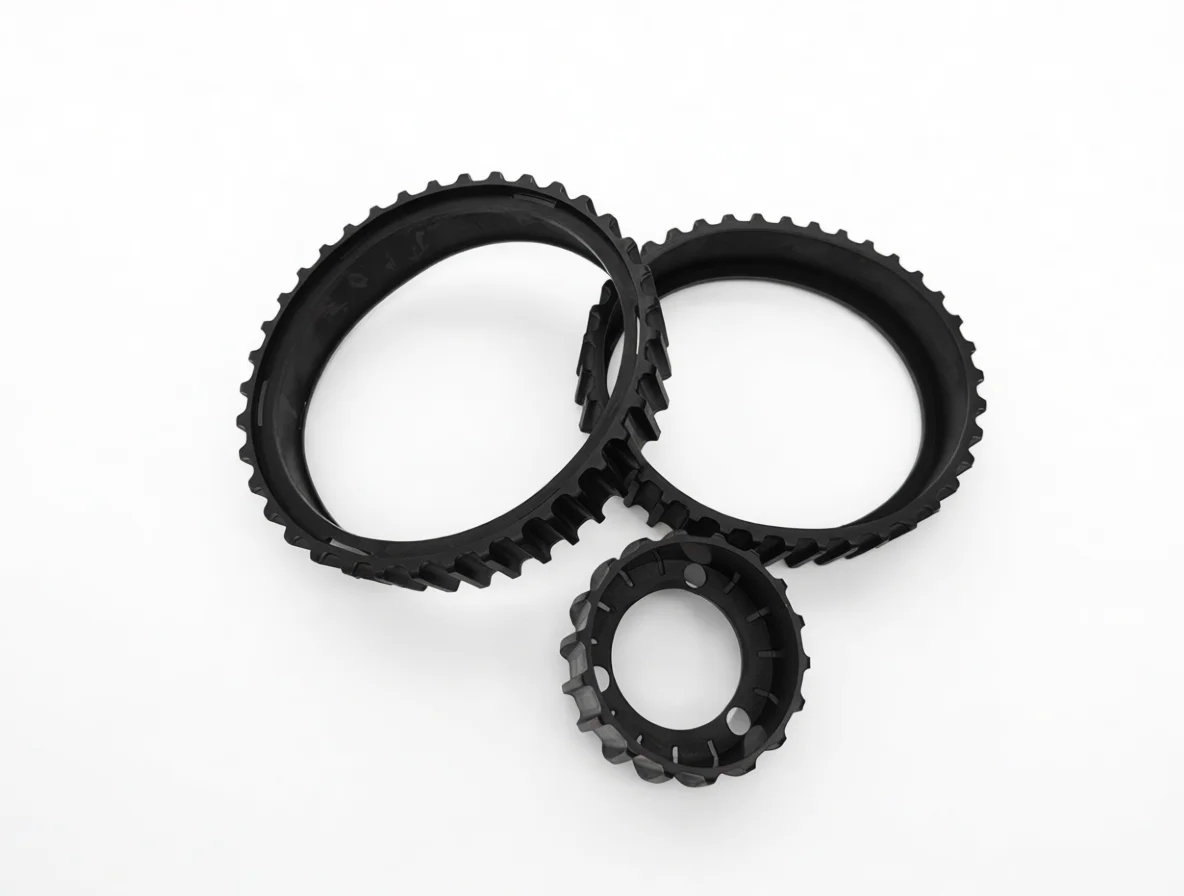
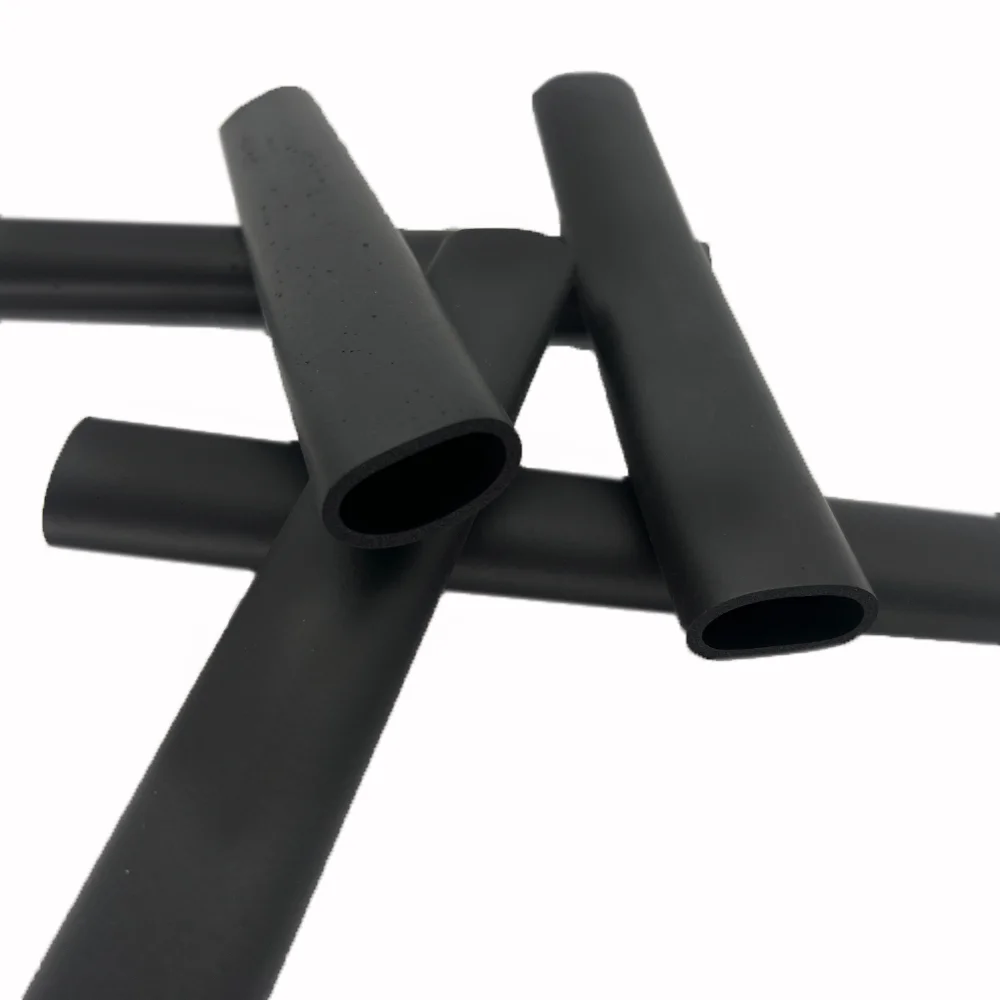
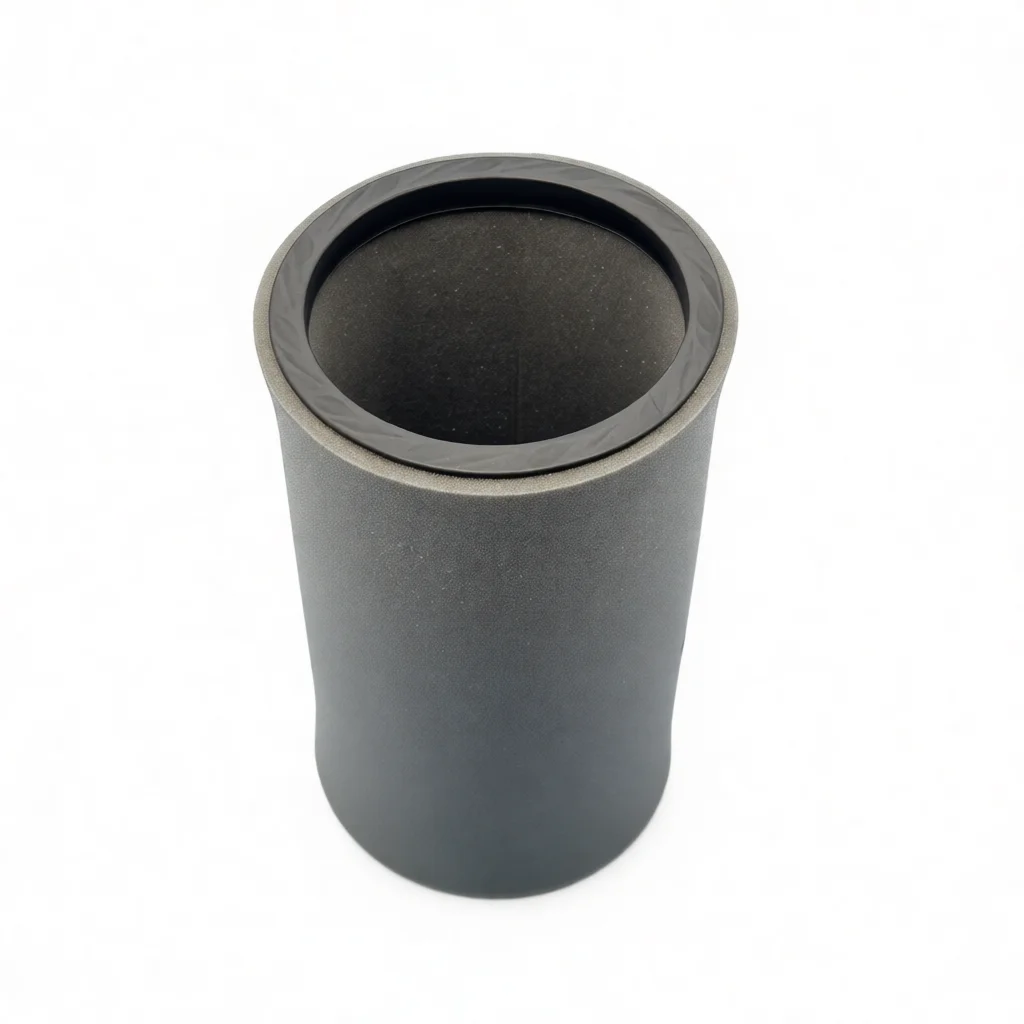
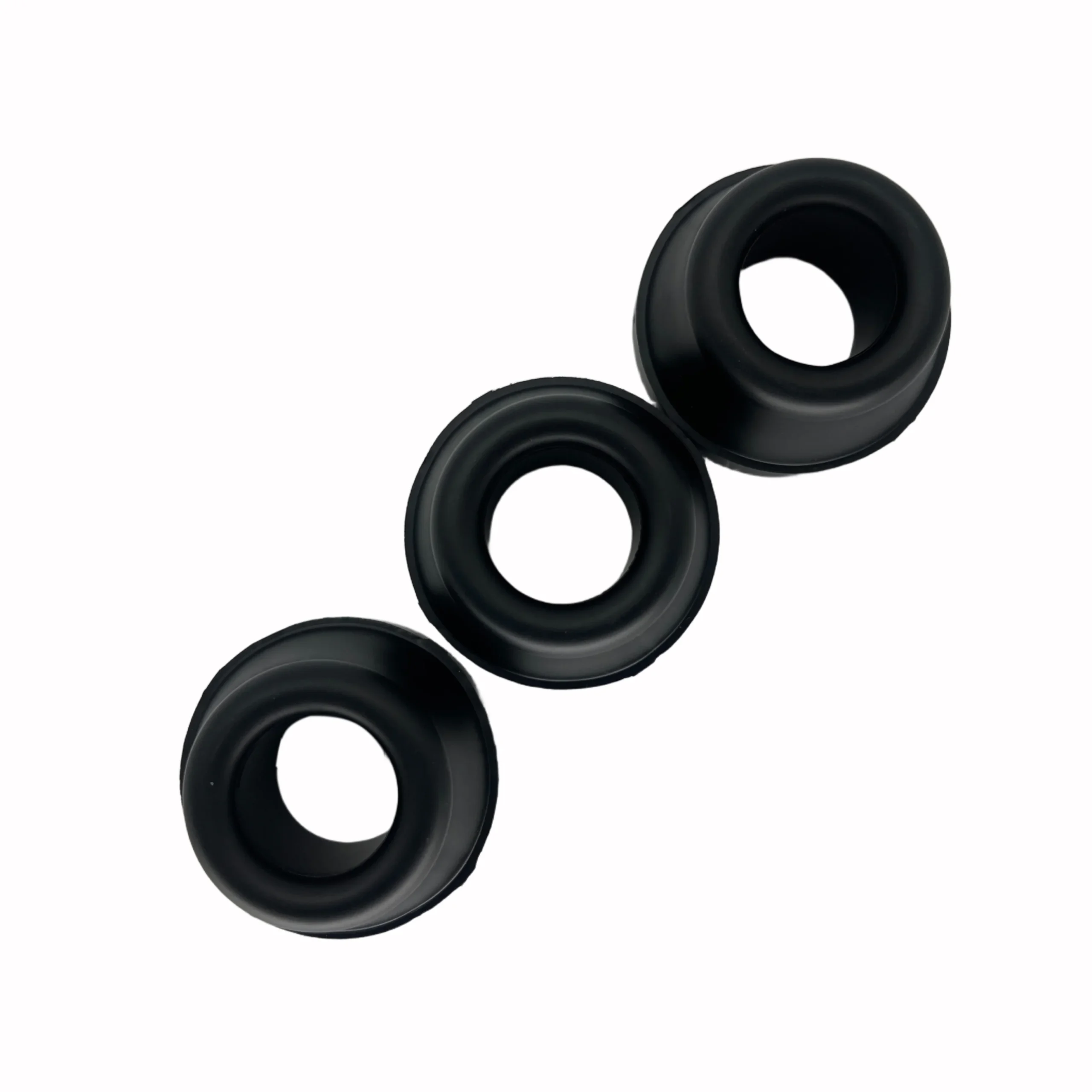
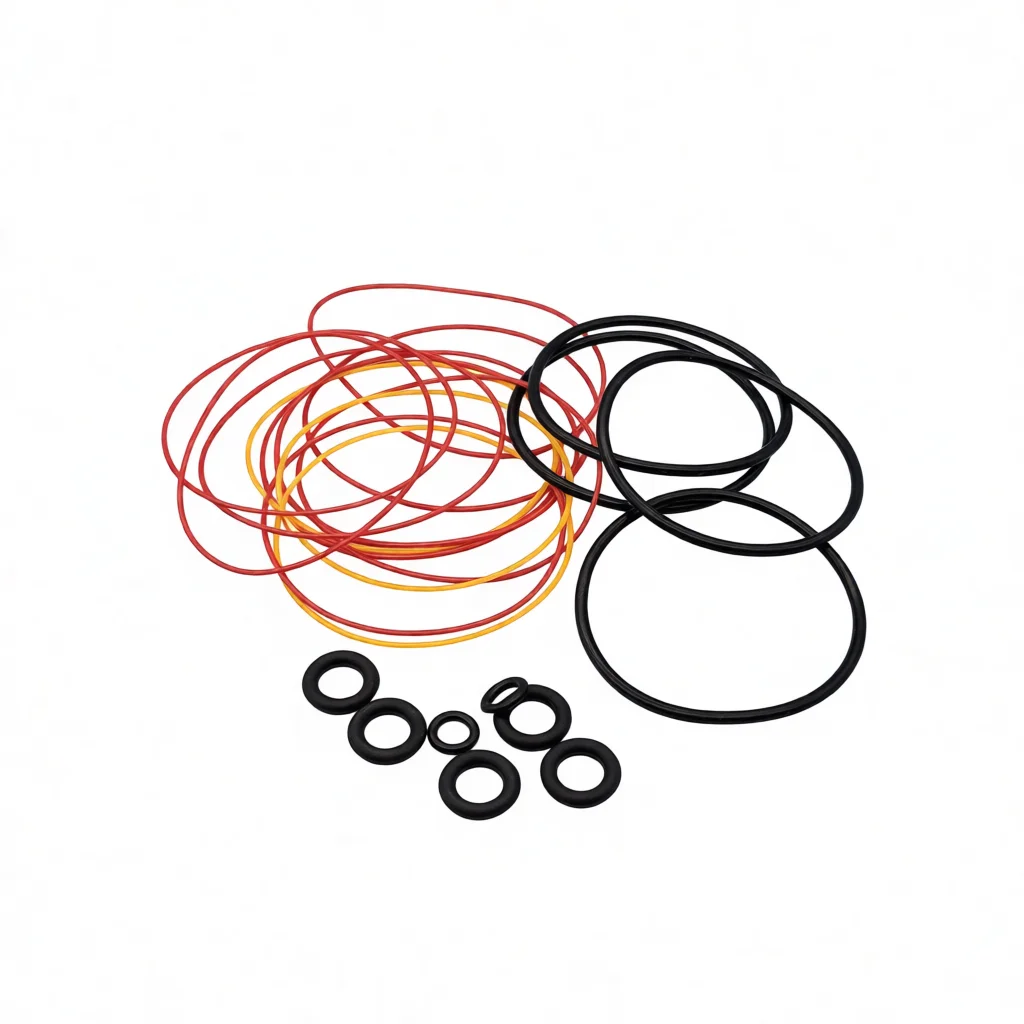
Simply put, a hose rubber ring is a circular seal made from elastic rubber compounds designed to fit snugly into hose fittings or couplings. Think of it as the guardian of fluid connections—it cushions, seals, and adapts to pressure changes to keep liquids or gases from escaping.
In industry, these rings are also known as O-rings or sealing rings. Their flexibility allows them to maintain a tight seal despite vibrations, temperature fluctuations, or minor misalignments. From irrigation pipes in agriculture to cooling hoses in automotive factories, they keep systems running without leaks or contamination.
Key Features of Hose Rubber Rings
1. Durability
The harsh reality of industrial use means these rings must resist wear, chemical corrosion, and extreme temperatures. High-quality rubber compounds—like nitrile or EPDM—offer this resilience, sometimes enhanced with special coatings.
2. Elasticity and Fit
A proper seal depends on how well the ring can compress and conform to surfaces. When the right size and material are chosen, the hose rubber ring can compensate for small irregularities or movements, maintaining tightness.
3. Chemical Resistance
Different industries require seals that withstand oils, fuels, acids, or solvents. Selecting the right rubber type ensures compatibility and longevity—reducing costly maintenance or shutdowns.
4. Temperature Tolerance
From freezing climates to high-heat manufacturing facilities, hose rubber rings endure a wide temperature spectrum without cracking or deforming.
5. Cost-Effectiveness
Despite their simple design, these rings provide huge cost savings by preventing leaks, downtime, and equipment damage. Their replaceability also keeps maintenance manageable.
Real-World Applications Across the Globe
- Disaster Relief: In post-flood regions, temporary water distribution systems often rely on quick-connect hoses sealed with rubber rings, ensuring clean water delivery.
- Agriculture: In arid zones like parts of Africa and Australia, drip irrigation tubing secured by these rings optimizes water use for crop growth.
- Manufacturing: Factories worldwide depend on coolant hoses sealed reliably to prevent overheating machinery.
- Oil & Gas: High-pressure fuel lines in the Middle East utilize specialized rubber rings to avoid leaks in hazardous environments.
Mini-Takeaway:
Hose rubber rings are everywhere—from your garden hose to industrial pipelines—ensuring fluid containment and system durability even under tough conditions.
Advantages & Long-Term Value of Hose Rubber Rings
The benefits aren’t purely technical. Reliable hose seals bring peace of mind to workers who trust their equipment won’t suddenly fail. Environmentally, leaks avoided mean less wastage and pollution—small but significant contributions to sustainability goals.
The cost savings in maintenance and system longevity translate into measurable returns, especially in sectors where downtime translates directly into lost revenue. Socially, safe water delivery and hazard prevention help maintain dignity and safety in vulnerable communities.
Product Specification Table: Typical Hose Rubber Ring
| Feature | Description |
|---|---|
| Material | Nitrile Butadiene Rubber (NBR), EPDM, Silicone |
| Temperature Range | -40°C to 120°C (varies by material) |
| Chemical Resistance | Oil, fuel, mild acids, alkalis |
| Size Range | Custom sizes, typically 10mm to 200mm diameter |
| Typical Hardness | 60-80 Shore A |
Vendor Comparison: Top Hose Rubber Ring Suppliers
| Vendor | Material Options | Custom Sizes | International Shipping | Sustainability Initiatives |
|---|---|---|---|---|
| SunliteTek | NBR, EPDM, Silicone, Viton | Yes | Worldwide | Uses recycled materials, eco-friendly processes |
| SealMaster Inc. | NBR, Silicone | Limited | North America, Europe | Green manufacturing certification |
| RubberPro Ltd. | EPDM, Viton | Yes | Asia-Pacific focus | Ongoing waste reduction programs |
Emerging Trends & Innovations in Hose Rubber Rings
Technology never stands still; oddly enough, even the humble hose rubber ring is evolving. New composite materials infused with nanotechnology aim to improve lifespan and chemical resistance. Meanwhile, digital sensors embedded in hose fittings can monitor seal integrity in real time—allowing predictive maintenance rather than reactive fixes.
Environmentally, biodegradable elastomers and recycled raw materials are being incorporated to reduce waste and carbon footprint. Regulatory bodies like ISO and ASTM are tightening standards for seal quality, pushing suppliers to innovate continuously.
Challenges & Expert Insights
Common hurdles include selecting the right material for highly variable chemical exposures and extreme environments, plus ensuring proper installation to avoid premature failure.
Experts suggest rigorous testing using ISO 3601 standards (O-ring dimensions and quality) and stress the importance of training technicians on fitting practices. Sometimes, custom formulations or coatings can solve unusual problems—underscoring that “one size fits all” rarely applies in engineering.
Frequently Asked Questions About Hose Rubber Rings
- What materials are best for hose rubber rings used in fuel systems?
Nitrile Butadiene Rubber (NBR) and Viton are often recommended due to their excellent resistance to oils and fuels. NBR is cost-effective and widely used, while Viton offers higher temperature tolerance and chemical resistance. - How do I know if a hose rubber ring needs replacement?
Signs include visible cracks, hardening, stretching, or leakage around the seal. Regular inspections and pressure tests help catch wear early to prevent system failure. - Are custom-sized hose rubber rings expensive?
Custom sizes generally cost more than standard sizes but allow for specialty applications where precise sealing is critical. Suppliers like SunliteTek offer custom orders with competitive pricing. - Can hose rubber rings be reused after removing a hose?
It's usually best practice to replace rubber rings after removal to ensure maximum sealing performance. Reusing can risk leaks due to deformation. - Do temperature changes affect hose rubber ring performance?
Yes, extreme temperatures may cause expansion, contraction, or hardening, affecting seal integrity. Choosing a material rated for your operating environment is essential.
Conclusion: The Quiet Power of Hose Rubber Rings
In essence, the hose rubber ring is a small but vital hero in industrial and humanitarian contexts worldwide. Its ability to maintain reliable seals under pressure, chemical exposure, and temperature swings makes it foundational for safe, efficient fluid transfer. Investing in quality rings, proper installation, and innovation leads to long-term savings, environmental benefits, and enhanced operational trust.
Curious to learn more or ready to source high-quality hose rubber rings? Visit our website: sunlitetek.com to explore options tailored to your needs.
Small component, big impact — hose rubber rings keep the world’s essentials flowing.
References

Understanding the Hose Rubber Ring: Essential Component […]