Select Language
 Understanding Hollow O Ring Cord: Versatile Solutions for Modern Industry
When you hear hollow o ring cord, you might think of just another technical component tucked away in mechanical assemblies. But in fact, its role stretches far beyond simple sealing tasks. Globally, this specialized cord is pivotal for industries ranging from automotive manufacturing to humanitarian aid equipment — ensuring durability, flexibility, and cost efficiency in the most challenging conditions. Frankly, appreciating what hollow o ring cords bring to the table adds a layer of insight to how countless machines, vehicles, and systems perform reliably day in and day out.
Global Context: Why Hollow O Ring Cords Matter
The global sealing market is projected to reach nearly $20 billion by 2027 (source), fueled by industries seeking durable, lightweight, and sustainable materials. Hollow o ring cords are a subset of this market, known for their unique hollow profile which increases compressibility and sealing performance. In sectors like aerospace or oil & gas — where ISO standards dictate stringent specifications — the demand for dependable sealing solutions is immense.
But it’s not just industrial giants relying on these cords. In remote or disaster-prone regions, hollow o ring cords feature in lifesaving equipment, often sourced and supplied by NGOs. The challenge they address is universal: preventing leaks and maintaining air- and fluid-tight seals under varying pressures and temperatures. Put simply, a failure in these seals might mean costly repairs, environmental hazards, or even safety risks.
Mini takeaway: Hollow o ring cords play a surprisingly vital role in global manufacturing and humanitarian efforts by ensuring reliable seals that minimize downtime and protect equipment.
What Is a Hollow O Ring Cord?
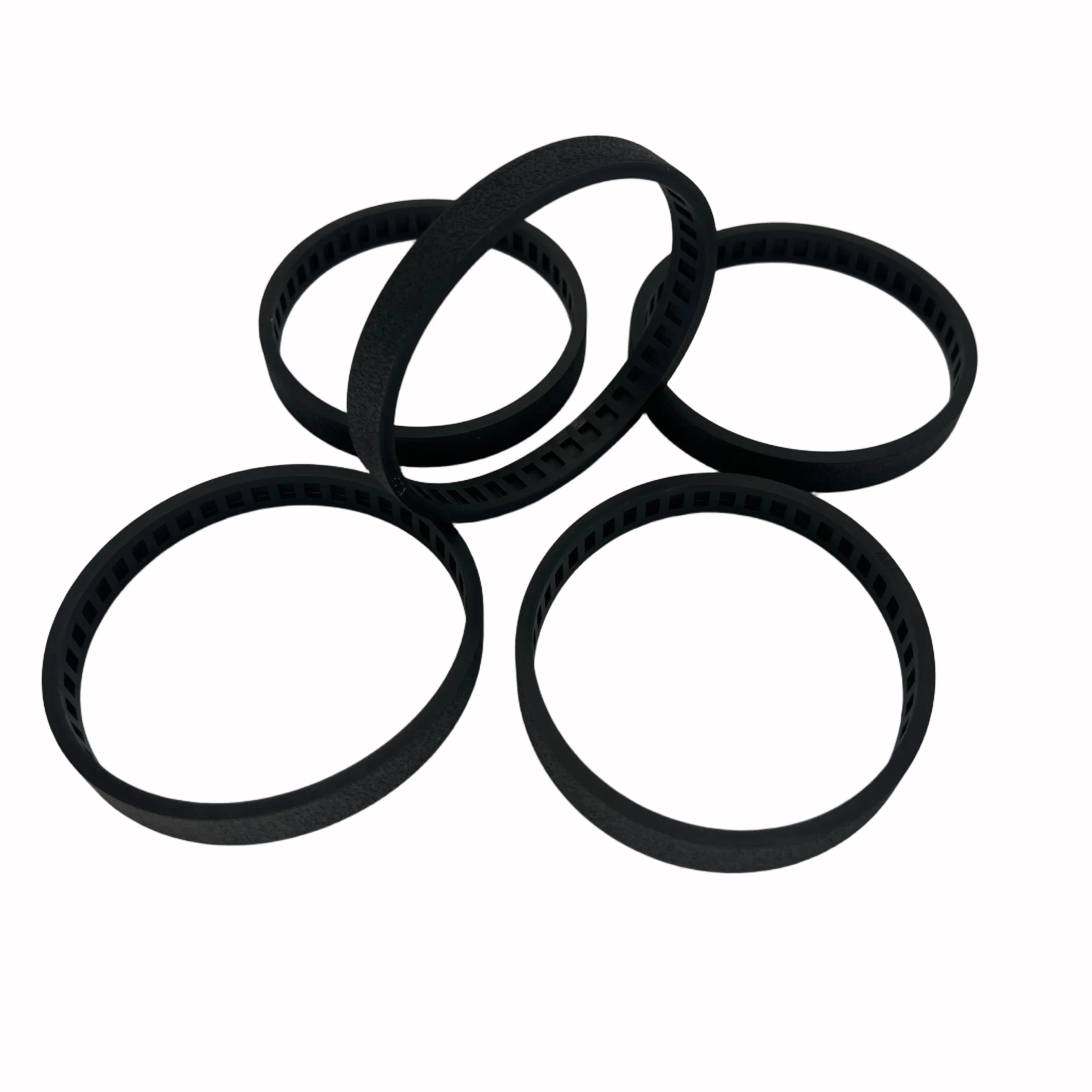
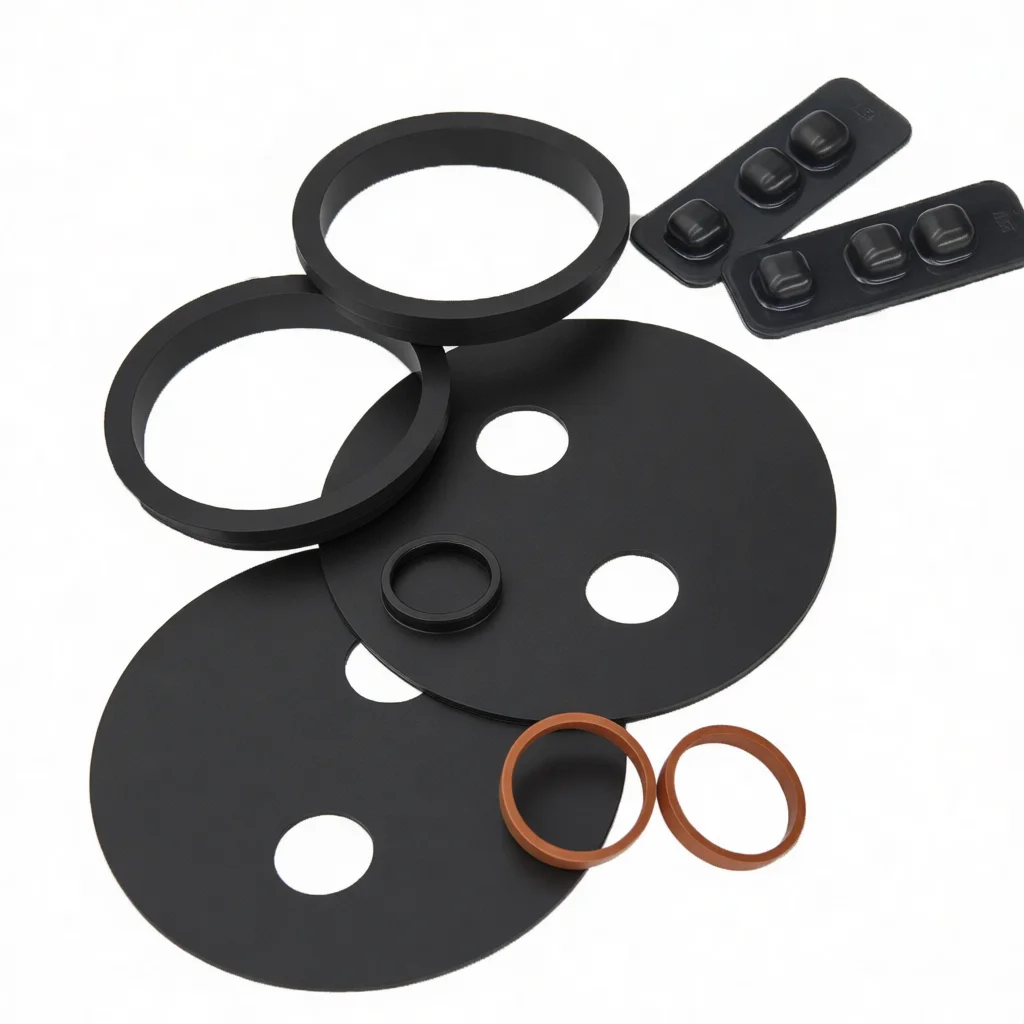
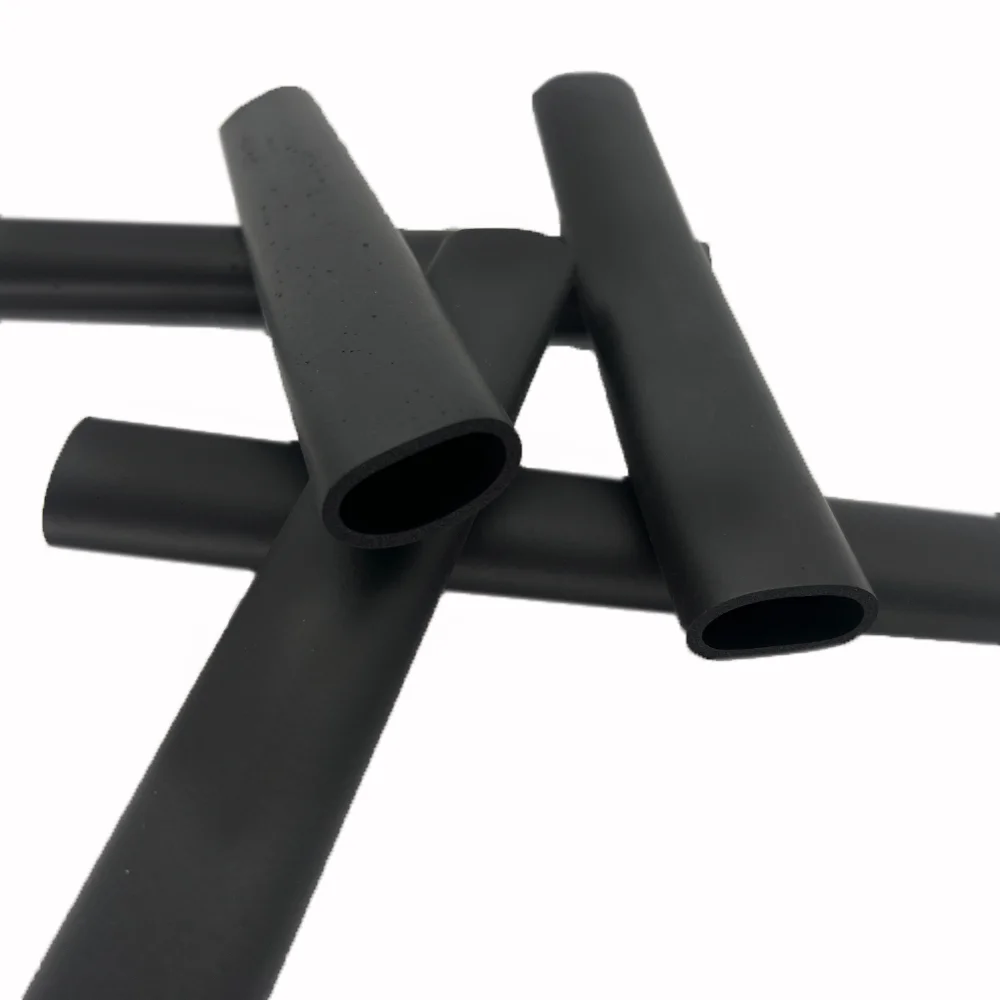
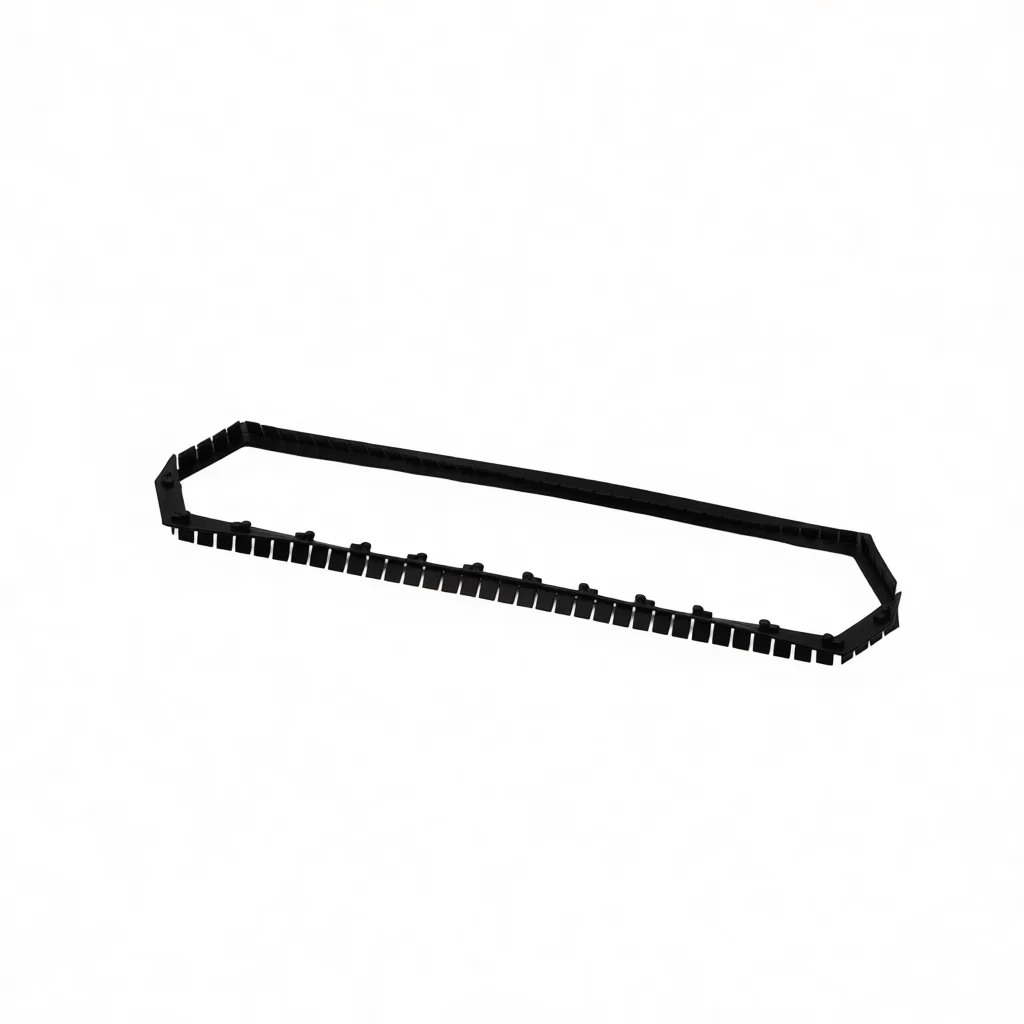
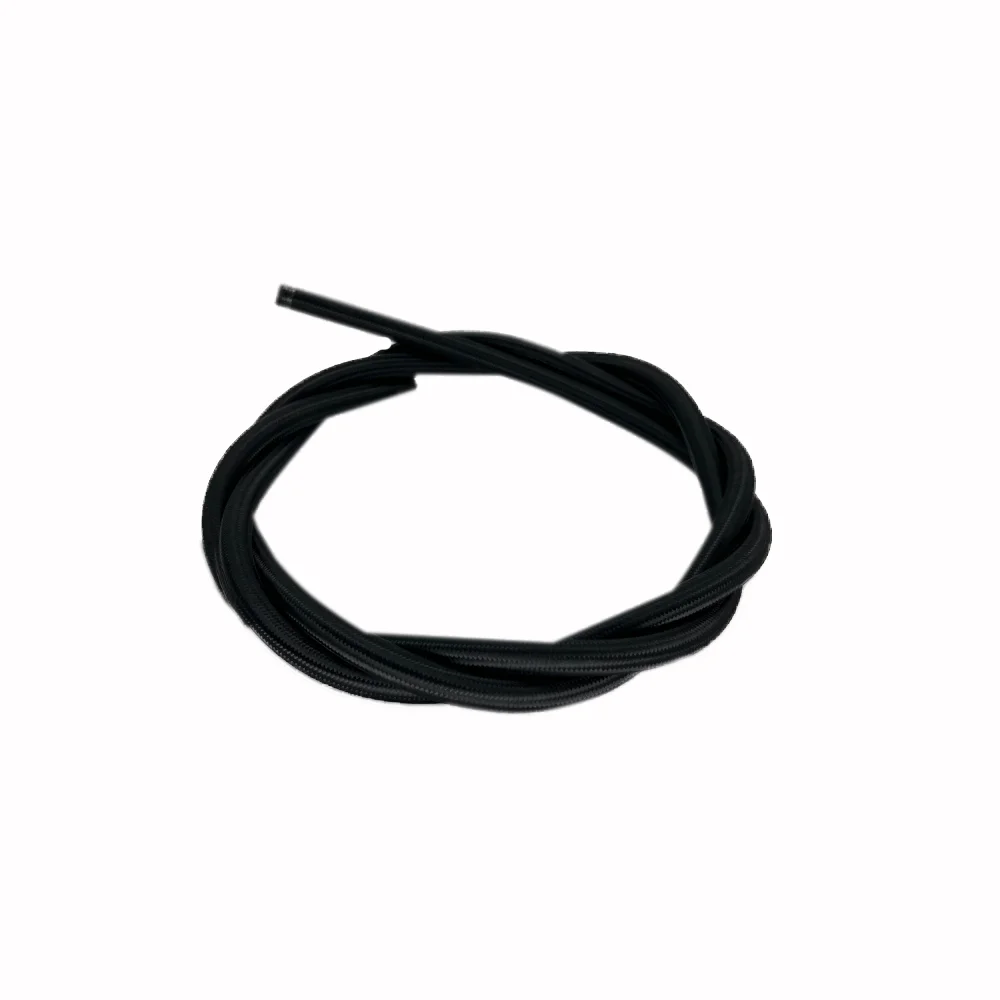
In straightforward terms, a hollow o ring cord is a sealing gasket shaped roughly like a “O” but with a hollow center rather than a solid core. This hollow design lets the cord compress more easily, allowing for better accommodation of irregular surfaces and moderate pressure variations. They are typically made from materials like silicone, neoprene, or EPDM rubber.
Modern machinery, vehicles, and even consumer appliances incorporate hollow o ring cords to create flexible, resilient seals that prevent leakage of gases or liquids. Think about automotive door seals or air-conditioning units — these cords maintain long-term performance despite constant movement or environmental exposure.
Key Factors of Hollow O Ring Cord
1. Durability
Durability is paramount. These cords resist aging, ozone, heat, chemical exposure, and compression set, which means they keep their form and function over long periods under harsh conditions. That’s why industries like petrochemical or automotive opt for premium-grade hollow o ring cords.
2. Flexibility and Compressibility
Their hollow core makes them more flexible than solid rings, allowing them to compress and conform to surface irregularities better. This flexibility is crucial in sealing dynamic joints or uneven assemblies.
3. Cost Efficiency
While sometimes slightly pricier than solid cord seals, hollow o ring cords offer a better lifespan and lower failure rates, cutting overall maintenance and replacement costs.
4. Chemical Resistance
Depending on the material, these cords resist oils, fuels, solvents, and other chemicals. EPDM version, for example, excels with water and steam, while silicone is ideal for extreme temperature ranges.
5. Ease of Installation
Hollow o ring cords often come in standard diameters and can be cut to length for custom fit, making them versatile for on-site adjustments.
| Property | Value | Unit |
|---|---|---|
| Inner Diameter | 2 - 10 | mm |
| Outer Diameter | 5 - 15 | mm |
| Hardness (Shore A) | 40 - 70 | |
| Temperature Range | -50 to 200 | °C |
| Typical Material | EPDM, Silicone, Neoprene |
Mini takeaway: Choosing the right hollow o ring cord involves balancing size, material, and durability requirements based on the environment and application.
Global Applications & Use Cases
Hollow o ring cords find homes in a variety of industries and regions:
- Automotive manufacturing: Door and window seals, shock absorber components, exhaust systems.
- Aerospace: Sealing aircraft cabin pressurization and hydraulic systems, where safety margins are tight.
- Industrial machinery: Hydraulic presses, pumps, compressors that require leak-proof seals in tough conditions.
- Humanitarian relief: Portable water purification units or temporary shelter systems using hollow o ring cords to ensure weatherproofing and equipment longevity.
- Oil and gas extraction: Pipeline seals and connectors exposed to chemicals and extreme temperature variations.
Oddly enough, even consumer-grade portable vacuum-sealing devices sometimes use these cords for airtightness, proving versatility from heavy industry all the way to the kitchen counter.
Advantages & Long-Term Value
The practical benefits are evident: improved seal integrity means less downtime and reduced risk of leakage hazards — which saves money and boosts safety. Plus, because many hollow o ring cords are recyclable or made from eco-friendly compounds, they align with growing sustainability goals.
From an emotional standpoint, knowing the equipment you rely on has robust sealing components that won’t unexpectedly fail brings peace of mind—not just for manufacturers, but for end users who depend on those machines for their safety or livelihood.
Future Trends & Innovations
The future for hollow o ring cords is fascinating. Materials science continues to evolve, with ongoing research into bio-based elastomers that could reduce carbon footprint even further. Digital manufacturing including 3D-printing hollow o ring profiles customized to specific geometries might soon become a reality. Also, with Industry 4.0, embedded sensors within cords to monitor seal integrity in real time are actively being explored.
Sustainability is not a buzzword here but an underlying driver. As companies strive to reduce waste and improve product lifecycle, hollow o ring cord producers are investing in greener production methods complying with ISO 14001 standards.
Challenges & Solutions
No product is perfect, and hollow o ring cords face limitations like vulnerability to extreme abrasion or harsh chemicals beyond certain thresholds. Sourcing the right material mix for a specific environment requires expertise — a process sometimes complicated by supply chain disruptions.
However, advances in composite cord designs (combining rubber with textile reinforcement) and improved supply chain transparency using blockchain technology promise to ease these issues. Partnering with knowledgeable vendors who understand these nuances is crucial to optimize performance and longevity.
| Vendor | Material Range | Customization | Lead Time | Sustainability Practices |
|---|---|---|---|---|
| SunliteTek | EPDM, Silicone, Neoprene | High (cut-to-length, profile tweaks) | 2-3 weeks | ISO 14001 Certified |
| GlobalSeal Inc. | Silicone, Nitrile | Medium (standard sizes) | 3-4 weeks | Green manufacturing initiatives |
| SealMaster | EPDM, Neoprene | Low (fixed profiles) | 1-2 weeks | Complies with ISO standards |
Mini takeaway: Selecting suppliers who combine quality, customization, and sustainability offers a competitive edge in reliable sealing solutions.
FAQ: Frequently Asked Questions About Hollow O Ring Cord
- Q: What industries benefit most from hollow o ring cords?
- A: Automotive, aerospace, industrial machinery, oil & gas, and humanitarian relief predominantly use hollow o ring cords because these sectors require adaptable and reliable sealing solutions to prevent leaks and ensure safety.
- Q: How do hollow o ring cords compare to solid o rings in sealing performance?
- A: Hollow o ring cords generally offer better compressibility and flexibility, allowing them to seal uneven or dynamic joints more effectively, though solid o rings can provide higher pressure resistance in certain static applications.
- Q: Can hollow o ring cords be customized to fit unique equipment?
- A: Yes. Many vendors offer cut-to-length or profile customization services, making it easier to match exact dimensions and performance needs for tailored applications.
- Q: Are hollow o ring cords environmentally friendly?
- A: Increasingly so. Manufacturers are adopting recycled or bio-based materials and ISO 14001-certified processes to reduce environmental impacts while maintaining performance.
- Q: Where can I find reliable suppliers for hollow o ring cords?
- A: Look for companies with proven quality certifications, sustainability practices, and customization capabilities. For example, SunliteTek is known for balancing all these aspects effectively.
Conclusion & Call to Action
In the end, the humble hollow o ring cord quietly underpins a vast array of critical industrial and humanitarian operations. Its ability to provide flexible, durable, and cost-effective sealing solutions makes it an indispensable component in modern manufacturing and field applications alike. As innovations continue, especially around sustainability and smart materials, these cords will only grow more integral—and interesting.
To explore high-quality hollow o ring cords tailored to your needs, visit SunliteTek — your trusted partner in advanced sealing solutions.
References:

Understanding Hollow O Ring Cord: Versatile Solutions f […]