Select Language
 Understanding hnbr70: A Key Material in Modern Industrial Applications
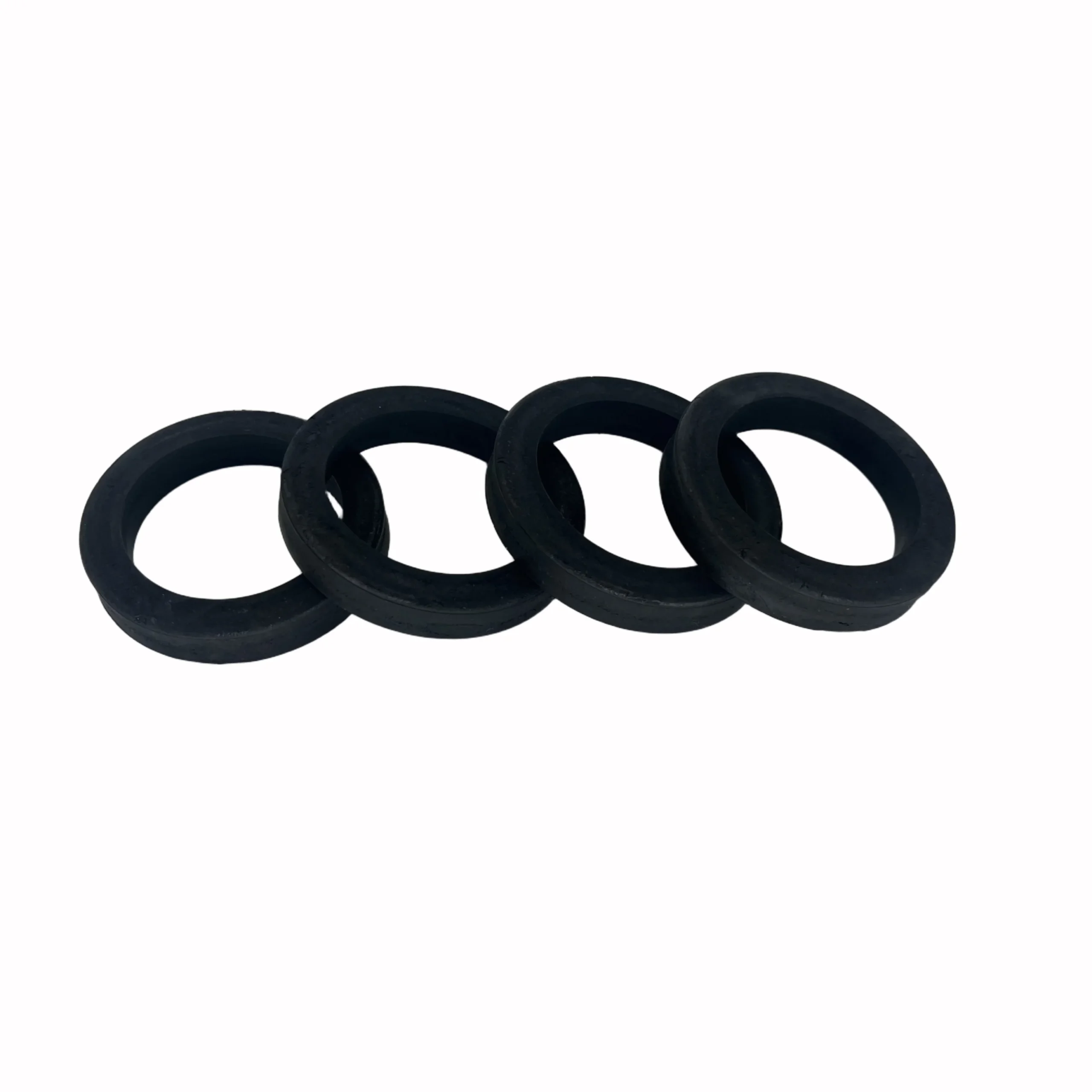
When you hear the term hnbr70, it might not immediately ring bells outside specialist circles. Yet, in industries ranging from automotive manufacturing to oil and gas, hnbr70 is quietly crucial. This specialty rubber compound blends impressive elasticity and resistance with a hardness rating around 70 Shore A — hence its name — making it a standout choice for durable seals, gaskets, and hoses that operate reliably in tough environments.
Why does understanding hnbr70 matter on a global scale? As industries race toward sustainability and efficiency, materials that ensure longevity and reduce waste are more vital than ever. Plus, hnbr70’s resistance to heat, oils, and chemicals means fewer failures and costly maintenance worldwide — from North American refineries to Asian auto plants.
The Global Context of hnbr70
According to the International Rubber Study Group, the demand for specialized elastomers like hydrogenated NBR (hnbr) has grown steadily by roughly 3% annually over the past decade. That trend reflects growing industrial complexity and stricter standards. For example, ISO standards for automotive hoses increasingly require materials with superior chemical resistance, where hnbr70 finds a sweet spot.
Yet challenges remain: harsh operating conditions, environmental regulations, and supply chain fluctuations demand reliable compounds — exactly where hnbr70 steps in. It’s fascinating how a single material can influence everything from vehicle safety to energy efficiency worldwide.
Quick takeaway: HNBR70 is more than a material — it’s a global enabler of durable, efficient industrial solutions.
What Exactly Is hnbr70?
At its core, hnbr70 stands for hydrogenated nitrile butadiene rubber with a hardness measured about 70 on the Shore A scale. Hydrogenation stabilizes standard nitrile rubber, giving it enhanced resistance to heat, ozone, and chemicals, making hnbr70 particularly valuable in strenuous industrial contexts.
In simpler terms? Think of hnbr70 as the tough, resilient rubber cousin that can endure grease, oil, and extreme temperatures without cracking or degrading — essential for modern machinery or automotive parts working overtime.
Core Features of hnbr70
1. Durability and Chemical Resistance
hnbr70 excels in resisting petroleum oils, fuels, and many hydraulic fluids. That means components won't swell, crack, or fail prematurely when exposed to harsh substances.
2. Heat Stability
It maintains elasticity in temperatures from –40°C up to 150°C (even briefly higher), outperforming non-hydrogenated NBR. This broad thermal window supports diverse applications.
3. Mechanical Robustness
With its Shore A 70 hardness, hnbr70 strikes a balance between firmness and flexibility, resisting wear under mechanical stress, ideal for seals and gaskets.
4. Ozone and Weather Resistance
Hydrogenation boosts resilience against ozone and aging. In environments with fluctuating weather, hnbr70 parts keep their integrity far longer than many alternatives.
5. Versatility in Processing
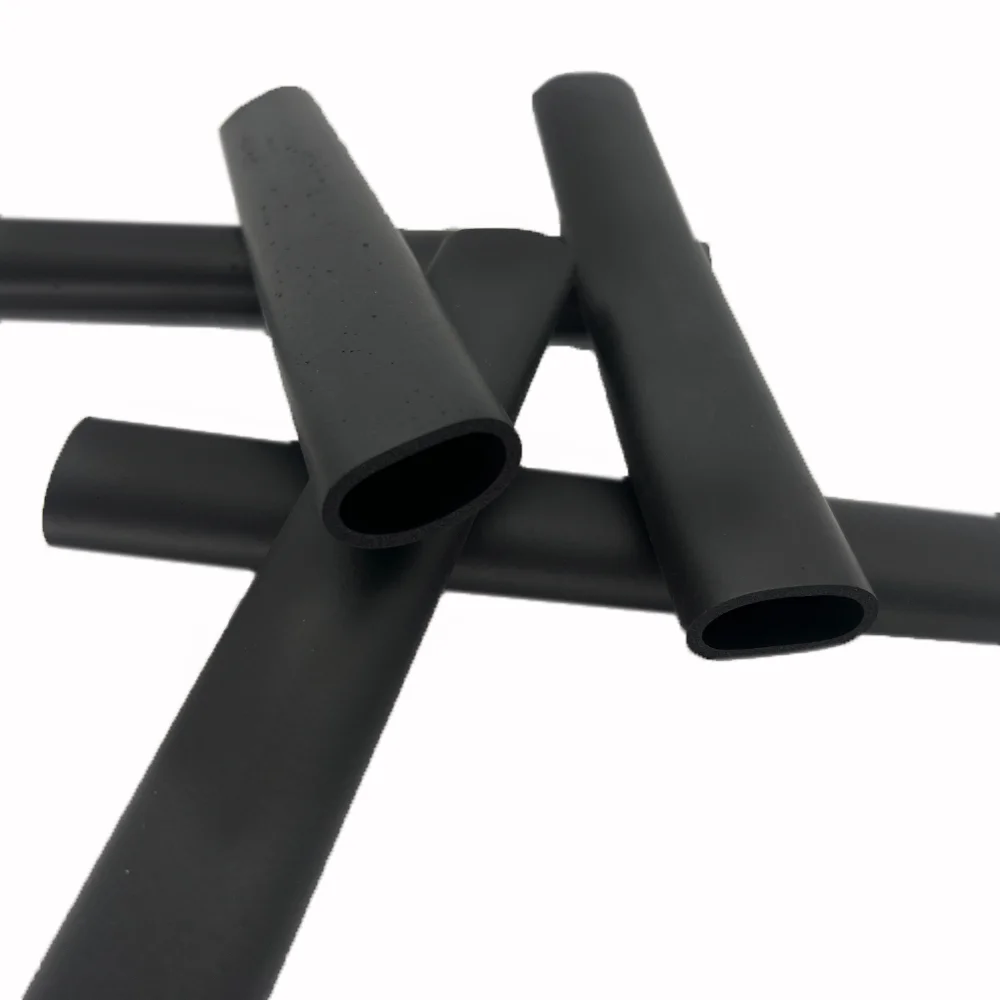
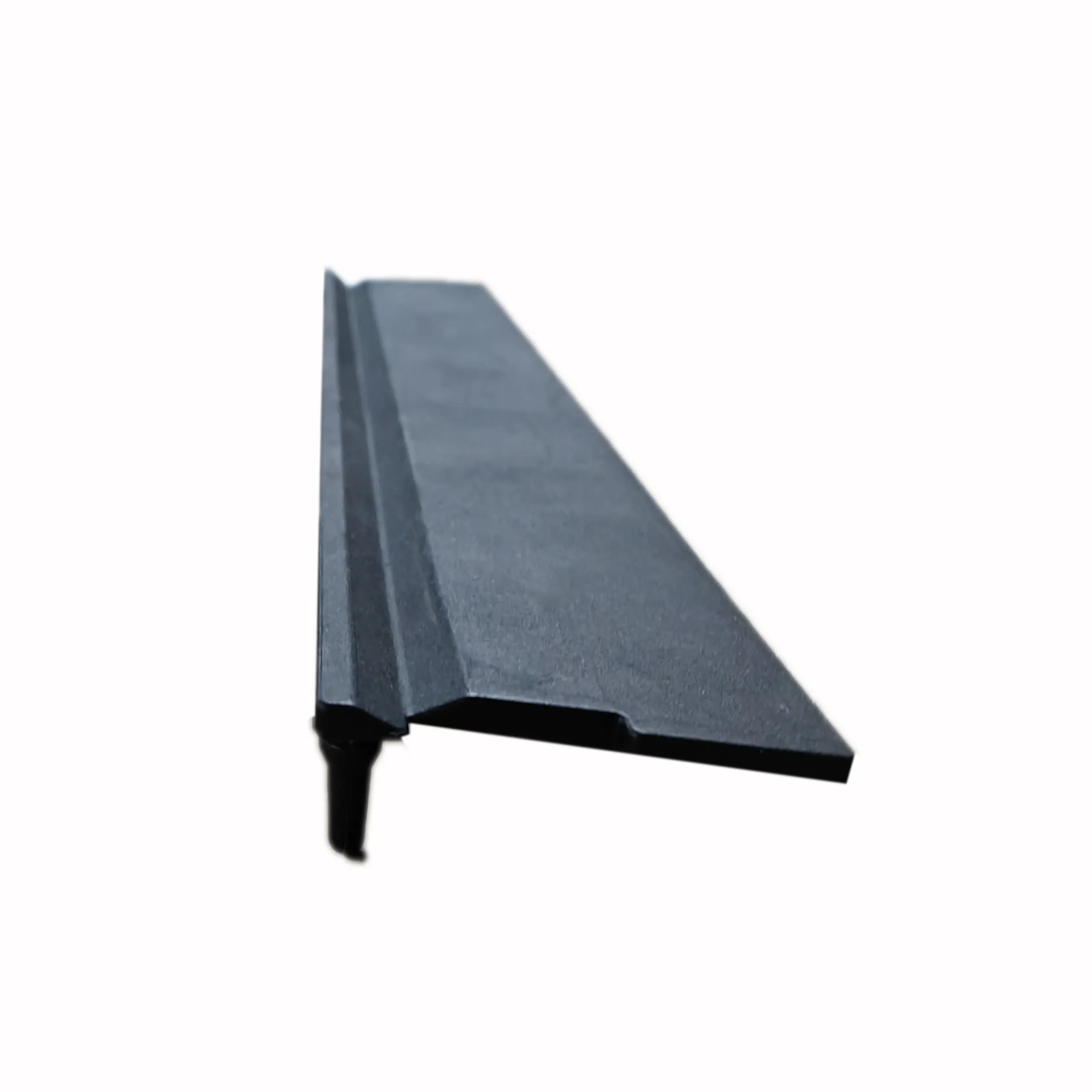
Manufacturers can mold, extrude, or calender hnbr70, making it adaptable for various shapes and sizes without sacrificing properties.
Mini Summary: Durability, heat and chemical resistance, mechanical strength, and versatility — all hallmarks of hnbr70’s industrial appeal.
Real-World Applications of hnbr70
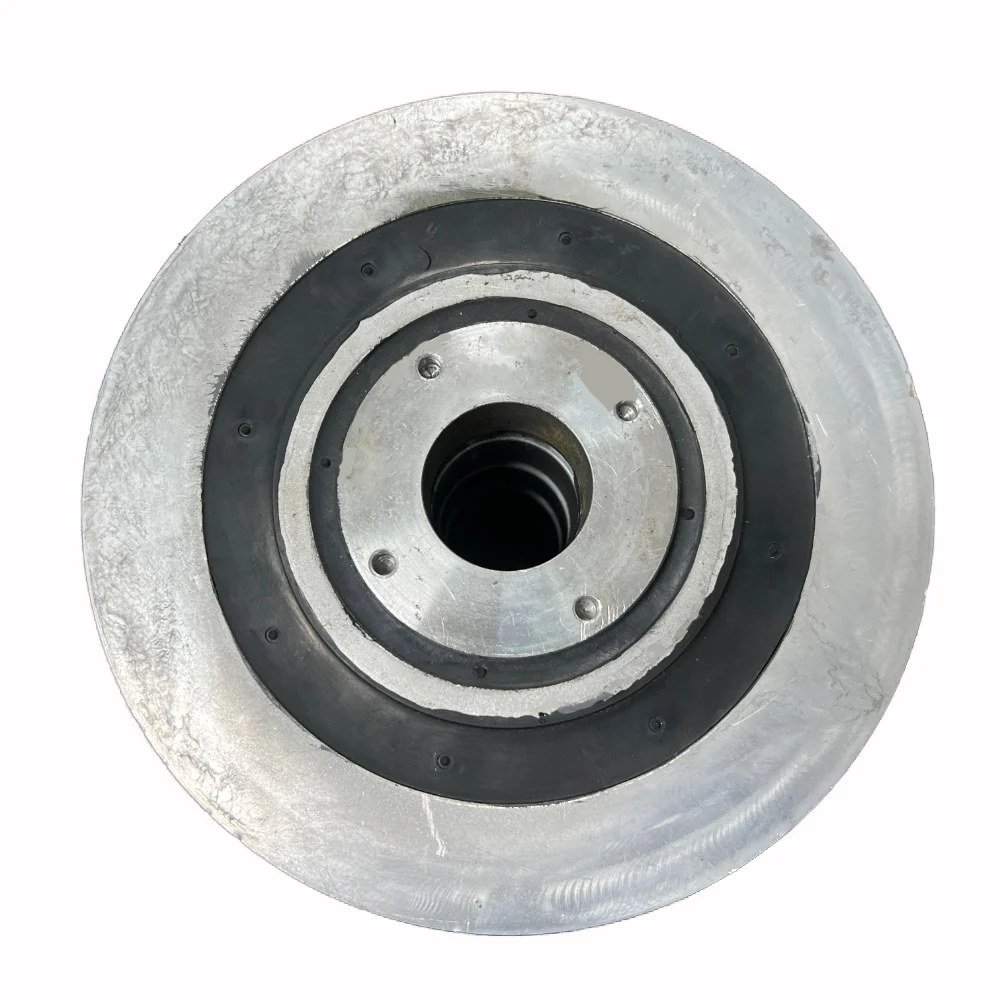
- Automotive Industry: Used extensively in engine seals, fuel system components, and transmission parts, where oil and heat resistance is non-negotiable.
- Oil & Gas Sector: Valves, seals, and hose linings in remote rigs rely on hnbr70’s chemical resistance for years without replacement.
- Industrial Machinery: Hydraulic hose covers and seals in manufacturing plants withstand abrasive and chemical stresses.
- Aerospace: Though less common, hnbr70's properties assist in specific sealing applications where reliability is crucial.
- Medical Equipment: In certain cases, hnbr70’s biocompatibility and resistance allow its use in devices exposed to oils and sterilizing agents.
Oddly enough, smaller suppliers and emerging economies are increasingly adopting hnbr70, signaling its growing global footprint.
| Property | Value | Unit |
|---|---|---|
| Hardness (Shore A) | 70 | — |
| Tensile Strength | ~16 | MPa |
| Elongation at Break | 300 | % |
| Temperature Range | -40 to 150 | °C |
| Volume Swell in Oil | % |
Comparing Leading hnbr70 Suppliers
| Vendor | Quality Grade | Typical Applications | Price Index (relative) |
|---|---|---|---|
| Sunlite Tek | Premium | Automotive, Oil & Gas | 1.0 |
| RubberPro Inc. | Standard | Industrial machinery | 0.85 |
| Global Elastomers | High | Automotive, Aerospace | 1.1 |
Advantages and Long-Term Value of hnbr70
The use of hnbr70 isn’t just a cost calculation — its impact extends socially and environmentally. Thanks to its durability, manufacturers reduce the frequency of part replacements, cutting down landfill waste and material consumption. That feels significant, especially when we consider sustainability goals.
Frankly, the peace of mind hnbr70 offers industrial engineers also has a value. Knowing parts won’t fail mid-shift or leak hazardous fluids supports workplace safety and operational continuity. There’s also a subtle emotional element — trust in materials — rarely discussed but widely felt.
Emerging Trends & Innovations in hnbr70
In real terms, innovation continues with bio-based hydrogenated nitrile rubbers and improved filler technologies. There’s a clear push toward greener production, aligning with ISO 14001 environmental management systems.
Moreover, advanced compounding techniques now tailor hnbr70’s characteristics for even harsher environments — like Arctic offshore rigs or EV battery seals. Digital transformation and Industry 4.0 also optimize manufacturing precision for consistent quality.
Challenges and Solutions
Despite its strengths, hnbr70 isn’t perfect. Sourcing quality raw materials remains unpredictable due to geopolitical strains affecting chemical supply chains. Also, processing hydrogenated compounds requires expert handling — not all manufacturers have that skill.
To address this, industry leaders advocate for stronger supplier relationships and enhanced staff training. Additionally, innovations like automated mixing and vulcanization controls minimize human error, improving batch-to-batch uniformity.
FAQ: Common Questions About hnbr70
- What distinguishes hnbr70 from other rubber compounds?
- hnbr70 offers balanced hardness and superior resistance to oils, heat, and ozone compared to standard NBR, making it ideal for durable sealing in challenging environments.
- How long can hnbr70 components last in industrial settings?
- With proper use, hnbr70 parts typically last 5–10 years, sometimes longer, depending on exposure and mechanical stresses.
- Is hnbr70 recyclable or environmentally friendly?
- While traditional elastomers are challenging to recycle, ongoing R&D focuses on bio-based hnbr compounds and reprocessing techniques that reduce environmental impact.
- Can hnbr70 parts be used in extreme cold climates?
- Yes, hnbr70 maintains flexibility down to around –40°C, suitable for cold-weather applications though extremely low temperatures below that may require specialized formulations.
- How do I source premium hnbr70 for manufacturing?
- Look for reputable vendors like Sunlite Tek that certify compliance with quality standards and provide technical support for customization.
Conclusion: Why hnbr70 Should Matter to Your Business
Ultimately, hnbr70 represents more than just a material grade — it’s a bridge between industrial reliability and global sustainability efforts. It delivers a combination of resilience, adaptability, and eco-consciousness that businesses worldwide can’t afford to overlook.
If you’re looking to upgrade your products’ performance or reduce lifecycle costs, hnbr70 solutions might just be the smart move. Visit https://www.sunlitetek.com to explore how their advanced elastomeric compounds can enhance your manufacturing success.
Takeaway: hnbr70’s robust balance of properties continues to empower global industries in enduring, sustainable ways.
References

Understanding hnbr70: A Key Material in Modern Industri […]