Select Language
 Understanding HNBR O Rings: The Unsung Heroes of Modern Industry
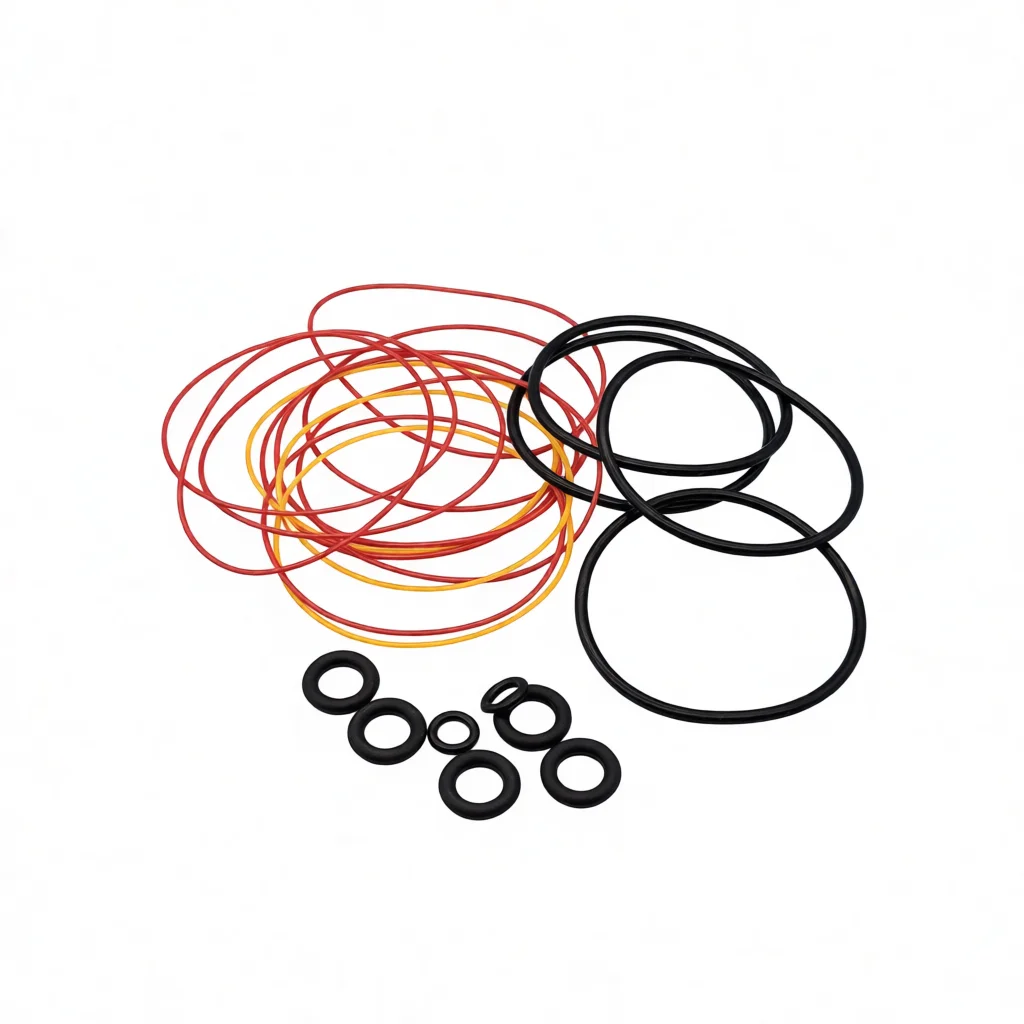
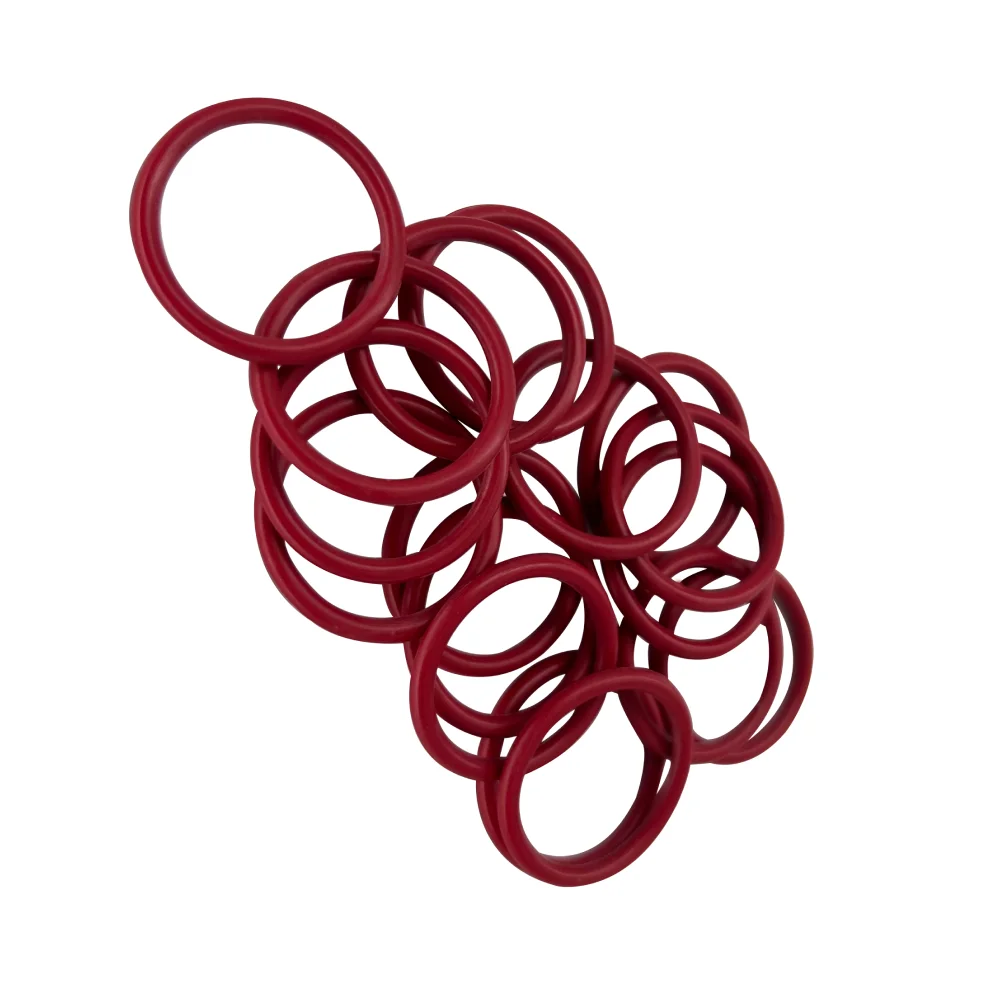
What exactly are hnbr o ringe, and why should we care about them? At first glance, an O-ring might sound like a simple donut-shaped rubber seal, but in reality, these tiny components are vital to countless industrial applications worldwide. They provide leak-proof sealing solutions in environments ranging from automotive engines to aerospace hydraulics. Frankly, without these little seals, many machines and processes we take for granted would simply fail.
So, why is the global industry buzzing about hnbr o ringe? For starters, their unique chemical makeup—hydrogenated nitrile butadiene rubber (HNBR)—gives them exceptional resistance to heat, chemicals, and abrasion, which translates directly to longer-lasting, safer, and more cost-effective equipment. Put simply, understanding these rings unlocks better performance, less downtime, and lower maintenance costs across sectors.
The Global Footprint of HNBR O Rings
Globally, the demand for resilient sealing solutions continues to climb. According to recent ISO standards and World Bank industrial output data, the sealing components market is expected to grow at about 6.2% annually over the next five years. This is largely fueled by stringent environmental regulations and the push for more efficient, sustainable machinery.
The automotive sector alone, which uses roughly 30% of all O-rings produced worldwide, increasingly favors hnbr o ringe because of the growing emphasis on engine efficiency and emissions control. Oddly enough, while much of this demand originates from industrialized regions—Europe, North America, East Asia—there is growing urgency in emerging markets where heavy industry and infrastructure projects rely on durable parts to reduce downtime and improve safety.
One major challenge is that many O-rings fail prematurely in harsh conditions, causing costly leaks, contamination, or even accidents. This makes hnbr o ringe not just a technical fix but a safety imperative in critical applications like oil and gas drilling or chemical processing.
What Are HNBR O Rings? A Simple Explanation
At its core, an HNBR O-ring is a ring-shaped seal made from hydrogenated nitrile butadiene rubber, a chemically enhanced version of nitrile rubber. The hydrogenation process improves the polymer’s heat resistance, mechanical strength, and chemical stability.
Imagine an ordinary rubber band, but one that withstands high temperatures (up to 150°C or more), aggressive chemicals like oils and fuels, and continuous mechanical stress without cracking or losing elasticity. That’s basically what makes HNBR O-rings special.
Industries that demand precision sealing—like automotive, aerospace, medical devices, and even water treatment—depend heavily on these seals for their equipment to operate reliably over years of use.
Why does this matter beyond industry?
In humanitarian and environmental contexts, for example, reliable sealing in water filtration or fuel storage gear often depends on robust O-rings. Failures here can delay relief efforts or harm ecosystems, so knowing which seals perform best actually saves lives and the planet — not just machines.
Core Characteristics That Define HNBR O Rings
Durability in Harsh Environments
Thanks to hydrogenation, HNBR O-rings resist swelling, tearing, and chemical degradation far better than standard nitrile rubbers. This means fewer replacements and more uptime.
Thermal Stability
They maintain elasticity at temperatures ranging roughly from −40°C up to 160°C, crucial for automotive engines and industrial pumps where thermal cycling is constant.
Chemical Resistance
HNBR withstands exposure to hydrocarbons, acids, and alkalis, making it ideal for fuel systems or chemical plant seals where contamination risk is high.
Mechanical Strength
These O-rings resist compression set and retain sealing force, even under severe pressure or vibration — a must for aerospace or hydraulic applications.
Cost Efficiency
While pricier than standard rubber O-rings, the extended service life and fewer breakdowns often lead to overall savings.
Compatibility and Customization
Manufacturers can produce HNBR O-rings to specific tolerances and hardness levels, tailoring solutions to exact engineering needs.
Typical Applications Across the World
- Automotive Industry: Sealing fuel injectors, transmissions, and AC systems. In Germany and Japan, where automotive quality is king, HNBR O-rings help meet strict emission standards.
- Oil & Gas: Equipment seals exposed to high pressures and corrosive liquids in the Middle East and North America rely heavily on these durability properties.
- Aerospace: Specialized variants seal hydraulic systems on aircraft, ensuring flight safety.
- Water Treatment & Environmental Tech: In remote zones across Africa and Asia, HNBR seals in pumps and filters help deliver clean water reliably.
- Medical Devices: Their biocompatibility and chemical resistance find use in devices that require sterilization.
For instance, in post-disaster relief operations, pumps with HNBR O-rings withstand harsh conditions to keep clean water flowing. Similarly, in oil rigs off the coast of Brazil, the robustness of these rings reduces unplanned shutdowns caused by leaks.
Advantages and Long-Term Value of Using HNBR O Rings
Choosing HNBR O-rings means investing in:
- Reduced Maintenance: Longer lasting seals reduce downtime and labor costs.
- Environmental Safety: Leak-proof seals prevent chemical spills and emissions.
- Cost Savings: Less frequent replacement balances the slightly higher upfront cost.
- Reliability and Trust: Especially in critical industries, knowing your seals won’t fail is priceless.
- Innovation Friendly: Their adaptability allows engineers to push design boundaries.
There’s also an emotional angle — many engineers mention a quiet confidence working with HNBR O-rings, because the risk of failure feels markedly lower. As odd as it sounds, sometimes peace of mind is the best ROI.
Product Specification Table: Typical HNBR O Ring Characteristics
| Property | Typical Range / Value |
|---|---|
| Hardness (Shore A) | 70 - 90 |
| Operating Temperature | -40°C to +160°C |
| Tensile Strength | 15 - 25 MPa |
| Elongation at Break | 250% - 350% |
| Chemical Resistance | Excellent against oils, fuels, and many solvents |
| Compression Set (70h @ 100°C) |
Comparing Top Vendors of HNBR O Rings
| Vendor | Range of Sizes | Customization Options | Certifications | Delivery Time |
|---|---|---|---|---|
| SunliteTek | #001 - 150 | Hardness, Size, Color | ISO 9001, REACH | 2–4 Weeks |
| SealPro Co. | #005 - 120 | Material Blends, Size | ISO 14001 | 3–5 Weeks |
| RubberTech International | #002 - 140 | Standard Sizes Only | ISO 9001 | 1–3 Weeks |
Emerging Trends and Innovations in HNBR O Rings
Looking ahead, the hnbr o ringe market isn’t exactly standing still. One exciting wave is the push toward greener materials and curing methods that reduce the environmental footprint of rubber production. Some R&D teams are experimenting with bio-based HNBR blends that maintain performance but rely less on petrochemicals.
Meanwhile, digitization and automation mean tighter production tolerances and faster turnaround times. Engineers increasingly integrate sensors within seals (yes, smart seals!) to monitor wear and predict failure — a game-changer for industries where downtime costs a fortune.
Lastly, customization at scale is becoming the norm. Thanks to 3D printing technologies adapted for elastomers, tailor-made HNBR O-rings for niche applications are now quicker to prototype and produce.
Common Challenges and How to Overcome Them
No material is perfect. Some users report that HNBR O-rings can be less flexible at very low temperatures, which could cause sealing issues in arctic conditions. Additionally, improper storage or exposure to UV light can degrade their quality over time.
The solution? Use specially formulated grades with added plasticizers for cold climates, and store O-rings in cool, dark places. Training maintenance teams to recognize wear early also helps avoid sudden failures.
Many engineers emphasize the importance of partnering with reliable suppliers who provide full material traceability and testing documentation, thereby avoiding counterfeit or substandard products.
Frequently Asked Questions About HNBR O Rings
- What makes HNBR O-rings better than regular nitrile rubber O-rings?
- HNBR O-rings offer superior heat and chemical resistance due to hydrogenation, which stabilizes the molecular structure. This makes them suitable for more aggressive environments and longer service life.
- Can HNBR O-rings be used in hydraulic systems?
- Absolutely. Their excellent mechanical strength and chemical resistance make HNBR O-rings ideal for hydraulic seals exposed to oils and fluctuating pressures.
- How should I store HNBR O-rings to maximize their shelf life?
- Store them in cool, dry, and dark conditions, away from ozone-generating equipment and sunlight. Heat and UV can degrade the rubber over time.
- Are HNBR O-rings customizable to specific sizes and hardness?
- Yes. Many vendors, including hnbr o ringe specialists, offer size, hardness, and color customization to fit precise engineering requirements.
- Do HNBR O-rings meet international quality standards?
- Most reputable manufacturers produce HNBR O-rings compliant with ISO 9001 and REACH regulations, ensuring consistent quality and safety.
Wrapping Up: Why HNBR O Rings Are Worth Your Attention
If you’re working with any equipment requiring reliable sealing, understanding hnbr o ringe is more than a technical detail — it’s a business and safety imperative. From withstanding extreme temperatures to resisting corrosive chemicals, these seals quietly ensure the smooth running of industries vital to modern life.
To explore a wide range of high-quality HNBR O-rings suited for various applications, don’t hesitate to visit SunliteTek’s website. Investing in the right seal today can save you costly headaches tomorrow.
Stay curious, and good sealing!
References

Understanding HNBR O Rings: The Unsung Heroes of Modern […]