Select Language
 Big Rubber O Rings: An Unassuming Giant with Global Reach
Let’s start simple: big rubber o rings might sound mundane, but in reality, they’re quietly powering industries around the world. These circular rubber seals, often overlooked, play crucial roles in everything from massive industrial machinery to water pipelines and emergency equipment. Their global importance is no joke — according to ISO standards and industry reports, the sealing solutions market is growing steadily at roughly 5% annually, driven by demand in automotive, aerospace, and manufacturing sectors.
Why does this matter? Because big rubber o rings address one of the oldest engineering challenges: preventing leaks and maintaining equipment integrity. On a planetary scale, they help optimize resource use, reduce waste, and protect environments — from the oil rigs in the North Sea to humanitarian relief kits in flood zones.
So, buckle up. We’re about to unwrap the story of these hefty circles, why they’re essential, how they get designed, and where they’re headed.
Why Big Rubber O Rings Have Global Significance
The global manufacturing industry has leaned heavily on sealing solutions for decades. According to the ISO 3601-1 standard, o rings must meet strict tolerances — especially when scaled up. These bigger seals are everywhere, especially in high-stress environments where failure isn’t an option.
Think about it: leakage problems cost industries billions of dollars yearly, with downtime and environmental hazards adding to losses. The World Bank notes that efficient infrastructure is key to sustainable development, and sealing tech quietly supports that.
However, challenges exist. Larger o rings face more stress, harder installation, and higher material demands. So engineers and procurement specialists scramble to find solutions that combine durability, ease of use, and cost effectiveness.
Big Rubber O Rings: What Exactly Are They?
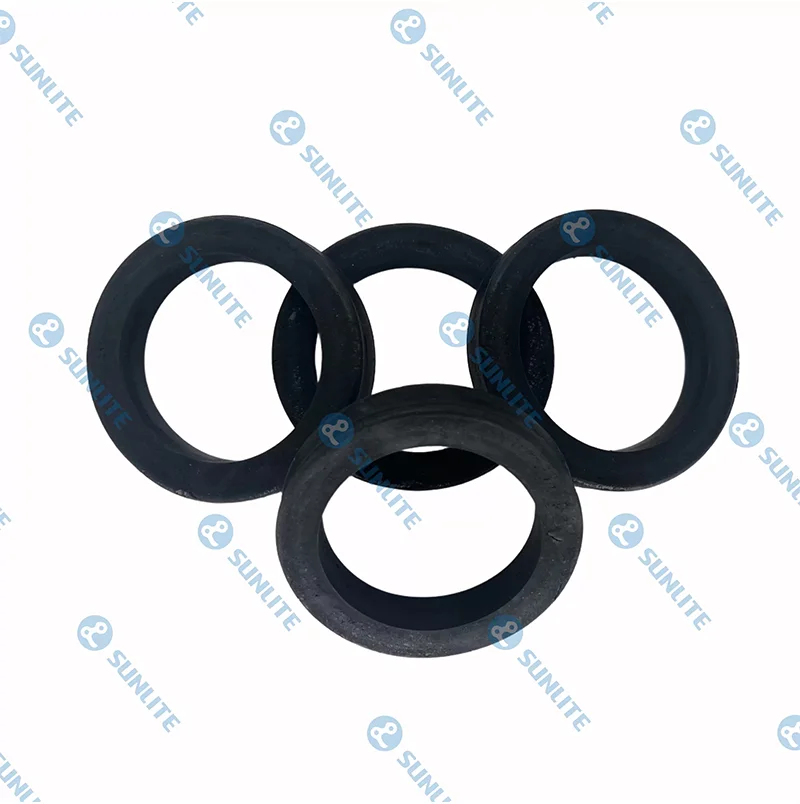
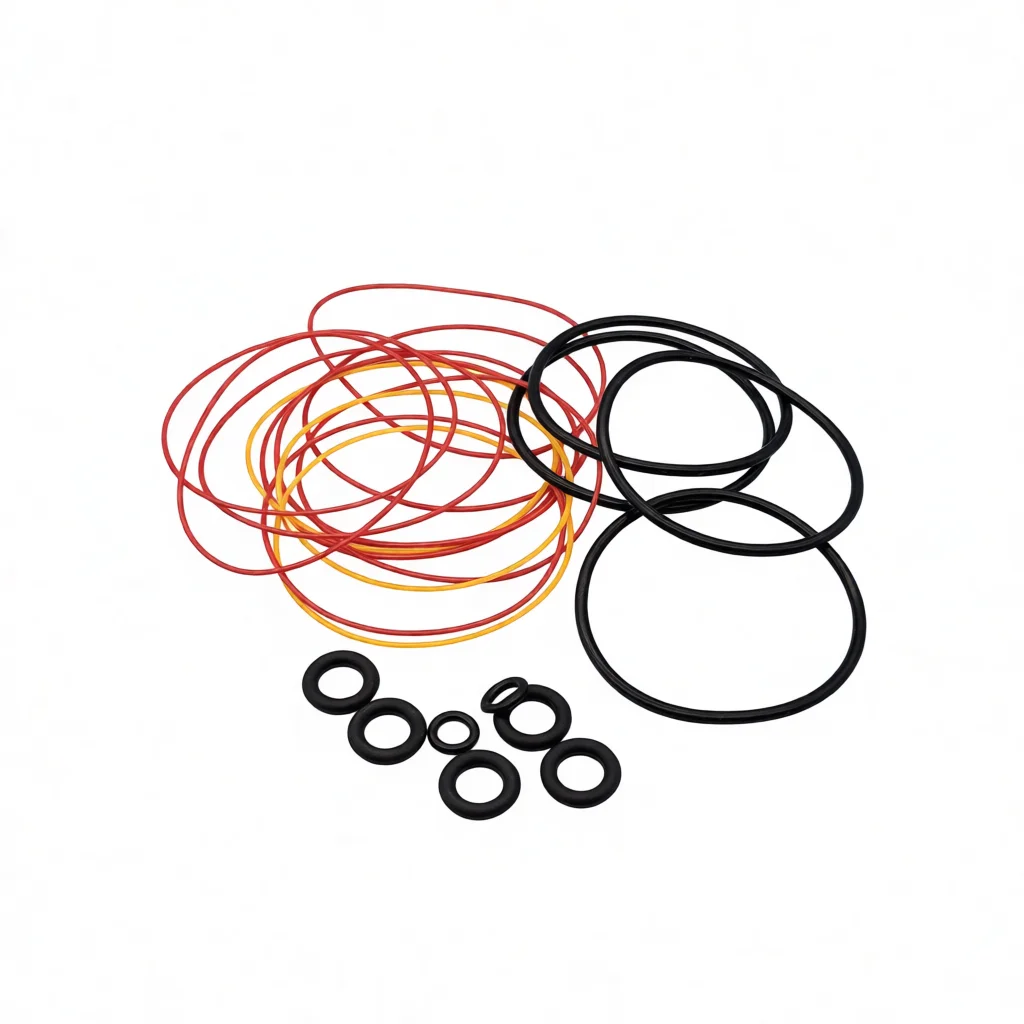
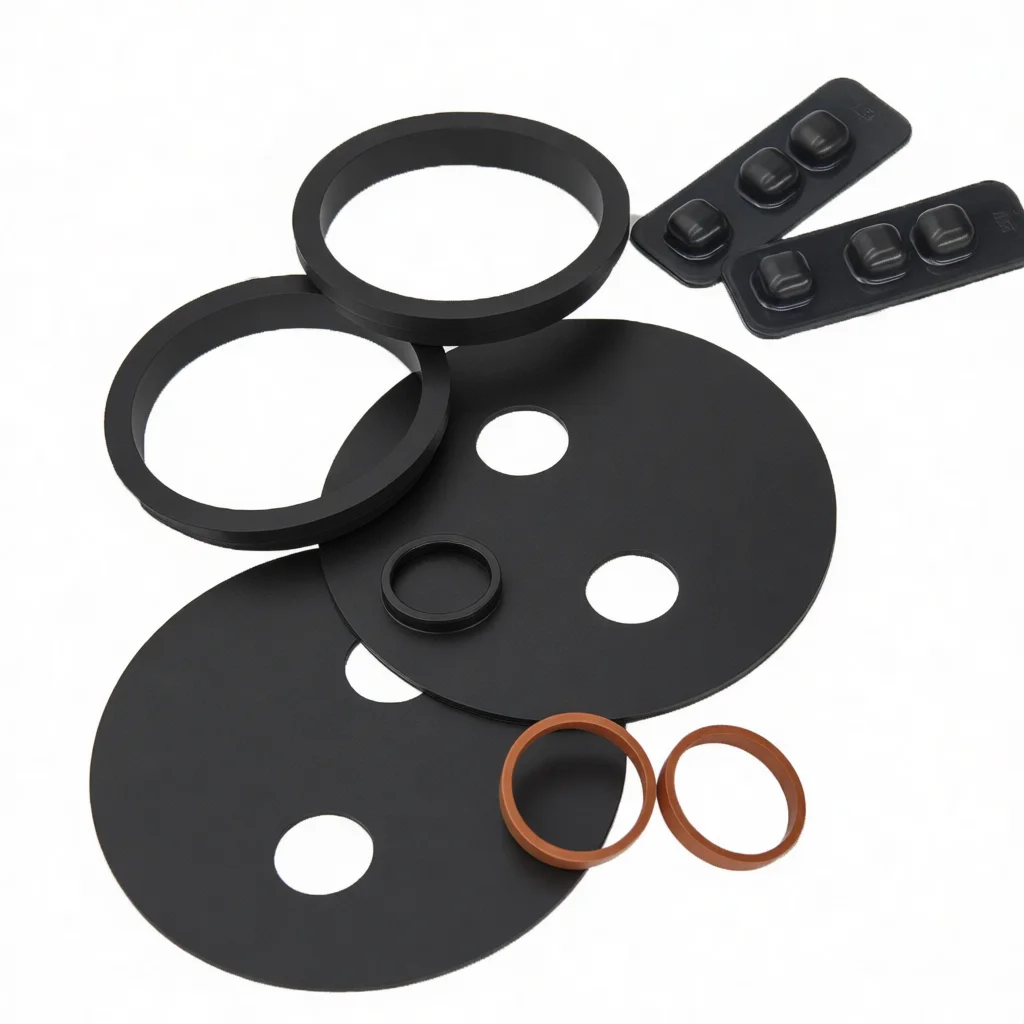
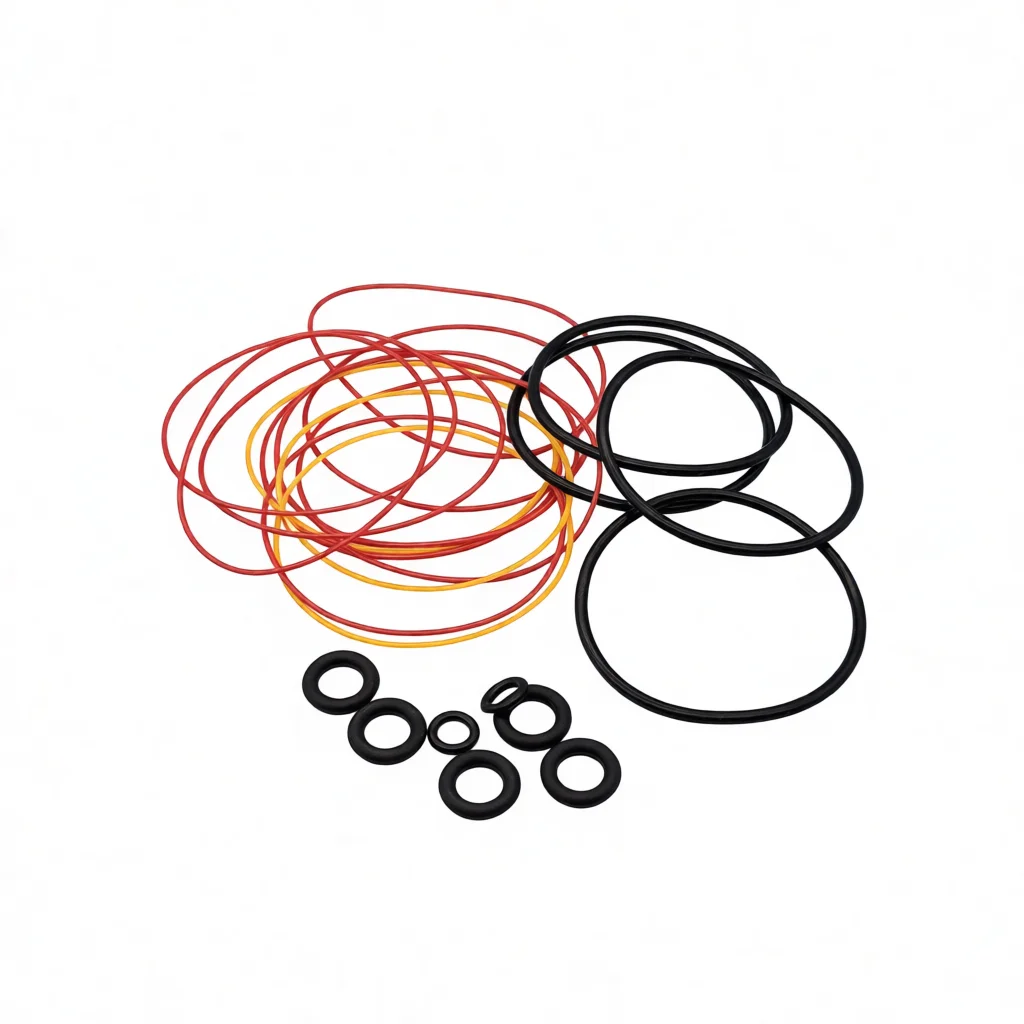
Simply put, these are large-diameter elastomeric rings designed to fit into grooves or between components to form a tight seal — keeping fluids or gases in or out. The bigger they are, the more demanding their applications — think hydraulic cylinders on heavy machinery, pipeline joints, or massive valves.
In modern industrial or humanitarian contexts, big rubber o rings also serve in equipment for temporary water storage or filtration systems. This might sound niche, but when disaster strikes or infrastructure develops in harsh environments, a dependable seal can be the difference between success and catastrophic failure.
Mini takeaway:
Big rubber o rings are not just bigger versions of their small counterparts; they have unique design, material, and functional demands that directly impact heavy industry and global development.
Key Features That Define Big Rubber O Rings
1. Durability and Material Composition
The rubber compounds vary: from nitrile (NBR) to fluorocarbon (FKM) or silicone. Each choice balances temperature range, chemical resistance, and wear properties. For instance, FKM suits hot oil applications, while silicone is better for extreme cold or food-grade uses.
2. Size and Scalability
Designing a seal 2 meters in diameter isn’t a simple upscaling of a 2-centimeter ring. The cross-section thicknesses, groove dimensions, and stretch tolerances all must be carefully engineered. Larger sizes need thicker, tougher materials while preserving flexibility without cracking.
3. Cost Efficiency
Since large o rings use more raw material and require precise manufacturing, there’s a fine line between suitable quality and budget constraints. Many manufacturers innovate with blends or layered composites to optimize price without compromising performance.
4. Installation and Maintenance
Big o rings tend to be heavier and more prone to twisting during installation. Specialized tools and training often come into play. In field conditions, modular or pre-lubricated designs reduce downtime — a real game changer in remote industrial zones.
5. Environmental Resistance
Seals might be exposed to UV light, saltwater, oils, acids, or dust. Resistance to these elements prolongs equipment life and reduces leak risks, especially critical in outdoor or marine installations.
Mini takeaway:
Material choice, size, cost, and environmental considerations define big rubber o rings’ design parameters, tailoring them to demanding real-world conditions.
Global Applications and Real-World Use Cases
- Oil & Gas Sector: Offshore platforms rely on large o rings in valves and pumps to withstand pressure and corrosive fluids.
- Water Treatment Plants: Big seals ensure no leakage in massive filtration units and pipelines.
- Humanitarian Relief: Field-deployed water tanks or emergency irrigation setups depend on seals that perform under tough conditions with minimal maintenance.
- Agriculture and Heavy Machinery: Hydraulic cylinders on harvesters or construction equipment use beefy o rings to stay leak-free.
For example, during recent flood relief efforts in Southeast Asia, large rubber o rings proved indispensable in portable water purification units, ensuring clean drinking water deliveries weren’t compromised by leaks.
Advantages and Long-Term Value of Big Rubber O Rings
Covering all bases here, the tangible benefits are obvious — fewer leaks, longer equipment life, reduced downtime, and overall safety enhancements. But I find the emotional side just as compelling: the confidence engineers have when a seal holds, the trust operators feel that their expensive assets won’t fail them, and the dignity of clean water access supported by these seals.
Sustainability also comes into play, especially with newer, recyclable elastomers or bio-based materials replacing older synthetic rubbers. Over time, replacing faulty seals means less waste and fewer accidents — a small but meaningful contribution to greener industry.
Product Specification Table
| Specification | Typical Range | Notes |
|---|---|---|
| Outer Diameter | 50 mm – 2000 mm | Custom sizes available on demand |
| Cross-Section Diameter | 5 mm – 50 mm | Dependent on pressure and groove specs |
| Operating Temperature | -40°C to +200°C | Material-dependent |
| Durometer Hardness | 40-85 Shore A | Varies by application |
| Material Options | NBR, FKM, EPDM, Silicone | Special blends possible |
Vendor Comparison Table: Selecting Your Big Rubber O Rings Supplier
| Vendor | Material Range | Lead Time | Customization | Price Range | Notable Strength |
|---|---|---|---|---|---|
| SunliteTek | Extensive (NBR, FKM, Silicone, EPDM) | 2–4 weeks | High | Mid-Range | Quality & Reliability |
| GlobalSeal Corp. | Focus on FKM and EPDM | 3–6 weeks | Medium | High | Specialty Compounds |
| EcoSeal Solutions | Bio-based Rubbers (limited) | 4–8 weeks | Growing | Premium | Sustainability Focus |
Looking Ahead: Trends and Innovations in Big Rubber O Rings
It feels like the rubber industry (pun intended) is quietly reinventing itself. New materials like hydrogenated nitrile butadiene rubber (HNBR) improve heat and chemical resistance, while experimental composites embed nanoparticles for added strength. Green energy projects, like geothermal pumps, demand seals resistant to extreme temps and corrosive fluids — pushing suppliers to innovate fast.
Digital transformation also plays a role. Some companies now use 3D scanning and printing to prototype big o rings rapidly — refining fit and function before going into mass production. This reduces waste and speeds response times.
Oddly enough, omitting the classic challenges of installation is a major focus. Self-lubricating coatings and modular ring sections are becoming a thing, making onsite repairs less of a headache.
Challenges and Solutions
But let’s not pretend it’s all smooth sailing. Challenges include:
- Material degradation: Exposure over time weakens seals.
- Installation difficulty: Big o rings can twist or get pinched.
- Cost pressures: High quality doesn’t always meet tight budgets.
To combat these, many industries turn to predictive maintenance backed by IoT sensors monitoring seal condition. Others focus on flexible manufacturing delivering just-in-time custom parts. The secret sauce is often a deep partnership with vendors who understand the nuances — no one likes a seal failure at 3 AM.
FAQ: Your Top Questions About Big Rubber O Rings
- Q: How do I choose the right material for my big rubber o ring?
- A: Consider operating temperature, chemical exposure, and mechanical stresses. For example, FKM suits high temperatures and oils, while EPDM is great for weather resistance. Consult material datasheets and vendors to match your needs precisely.
- Q: Can large o rings be reused after removal?
- A: Generally, it’s not recommended to reuse large o rings because of potential deformation or damage during removal. Replacing them ensures optimal sealing and safety.
- Q: Are there environmentally friendly options for big rubber o rings?
- A: Yes, some manufacturers now offer bio-based or recyclable elastomers. However, check performance specs carefully to ensure they meet your operational demands.
- Q: What tools help with installing big rubber o rings?
- A: Installation kits often include stretchers, protectors, and lubricants specially designed to minimize twisting and damage during fitting.
- Q: How quickly can customized big rubber o rings be produced?
- A: Turnaround depends on complexity but typically ranges from 2-6 weeks. Working with reputable vendors like SunliteTek can speed this up through streamlined ordering processes.
Wrapping It Up: Why Big Rubber O Rings Are More Important Than You Think
In real terms, big rubber o rings might not grab headlines, but their impact stretches across industries, continents, and humanitarian efforts. From keeping oil flowing safely to providing clean water in remote areas, these large deceptively simple seals hold together complex systems.
If you’re looking for reliable, well-engineered sealing solutions, consider exploring options from trusted suppliers like SunliteTek. Their expertise in big rubber o rings means you get quality, customization, and peace of mind.
Stay ahead by understanding the quirks, innovations, and challenges behind these massive o rings — because just like any unsung hero, they keep the world turning, quietly but effectively.
Final mini takeaway:
Big rubber o rings are foundational components whose simple design belies their global, technical, and even social significance. It pays to respect their role.
References

Big Rubber O Rings: An Unassuming Giant with Global Rea […]