Select Language
 Understanding Nitrile Rubber O Ring Cord: Why It Matters Globally
Let’s start with the basics: nitrile rubber o ring cord might sound like a niche, technical component, but it’s actually a quiet hero across industries worldwide. From sealing hydraulic machinery to ensuring leak-proof connections in aerospace, these tiny cords are everywhere. Grasping their significance helps industry professionals, engineers, and even NGOs optimize safety, efficiency, and cost savings on a global scale.
Why the fuss? Well, as manufacturing evolves and equipment demands higher durability and precision, the materials we rely on—like nitrile rubber—must keep pace. It’s not just about a seal anymore; it’s about resilience under pressure, chemical exposure, and extreme environments.
The Global Context: Why Nitrile Rubber O Ring Cord Is a Linchpin in Industry
According to ISO standards and recent manufacturing surveys by the World Bank, sealing solutions play a critical role in reducing equipment downtime and improving environmental safety. The global nitrile rubber market is expected to grow steadily, underscoring this material's ongoing importance. Industries across Asia, Europe, and North America depend on high-quality seals to maintain everything from oil rigs to medical devices.
Here’s a challenge many face: typical rubber seals degrade quickly under oils, acids, or heat. That’s where nitrile rubber o ring cord shines—it's engineered precisely to solve these issues. For anyone managing industrial assets or developing new products, understanding what goes into these seals isn’t just academic—it’s practical and profitable.
What Exactly Is Nitrile Rubber O Ring Cord?
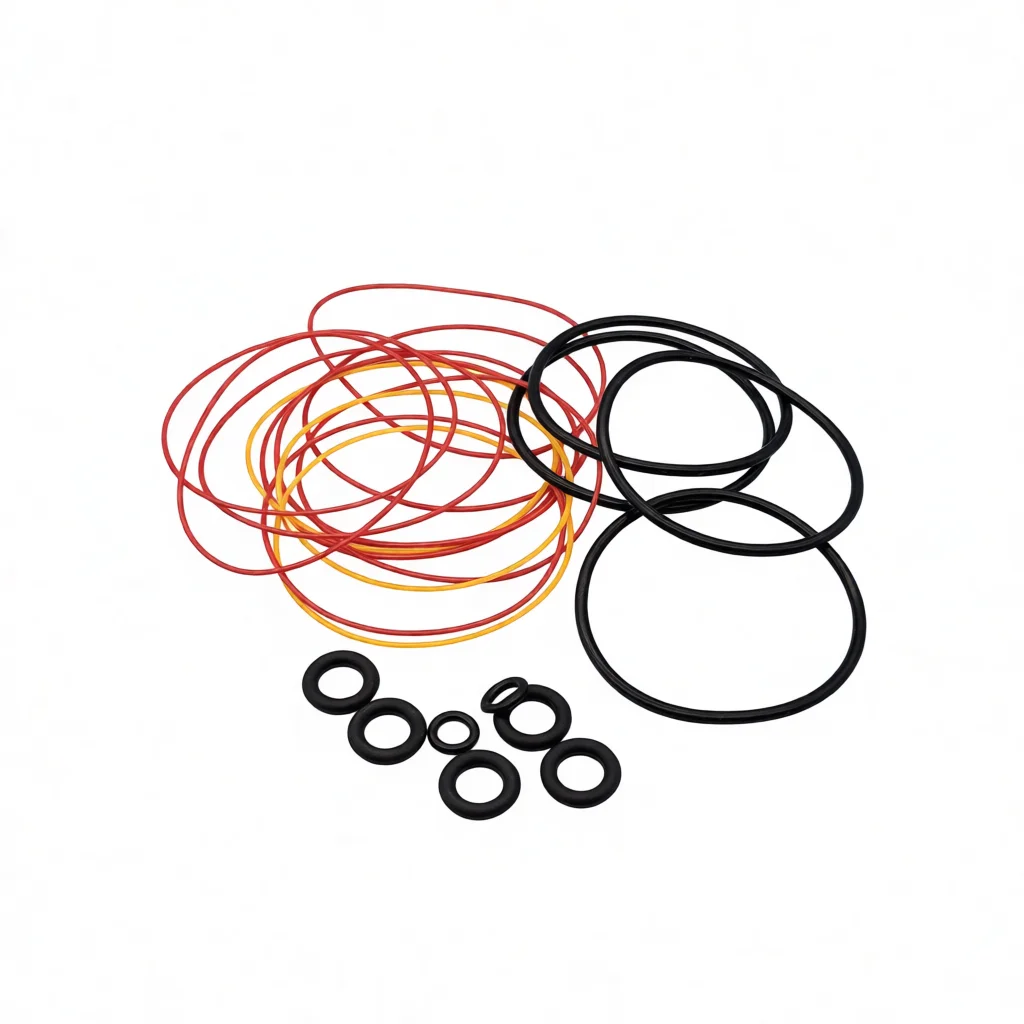
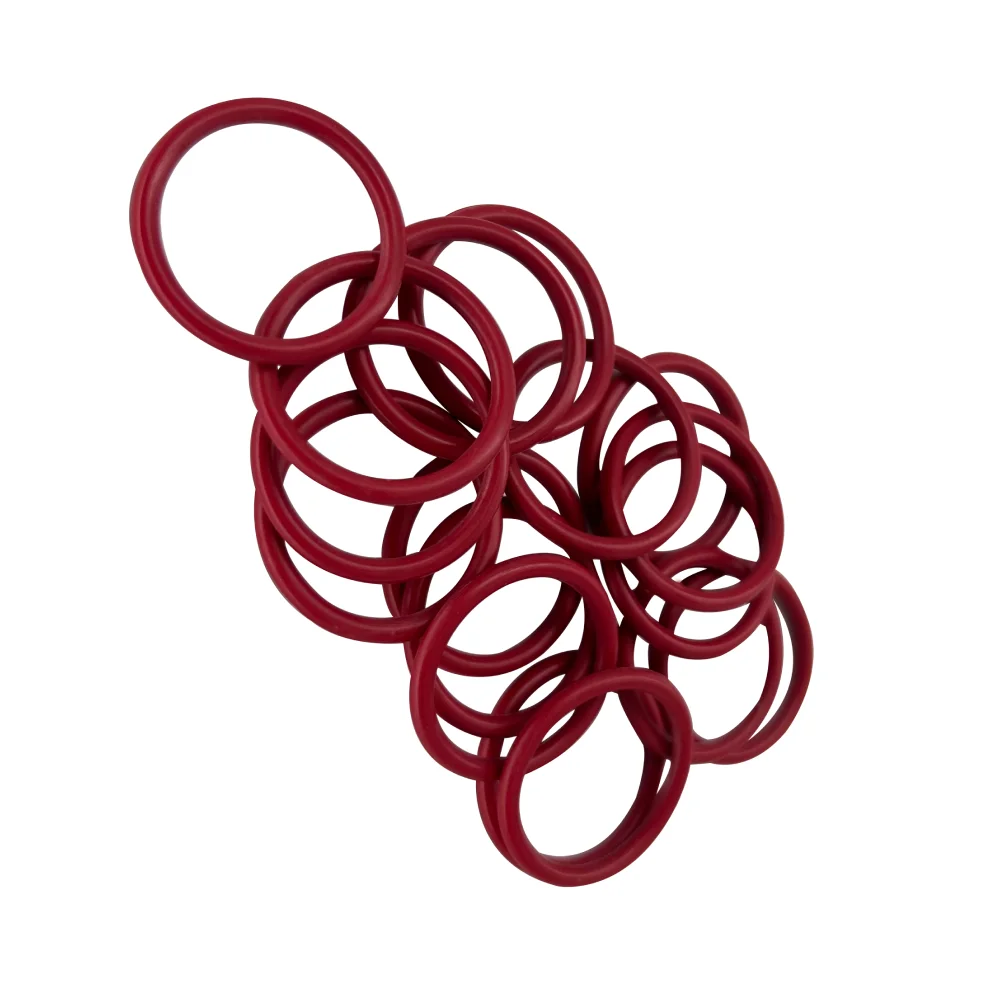
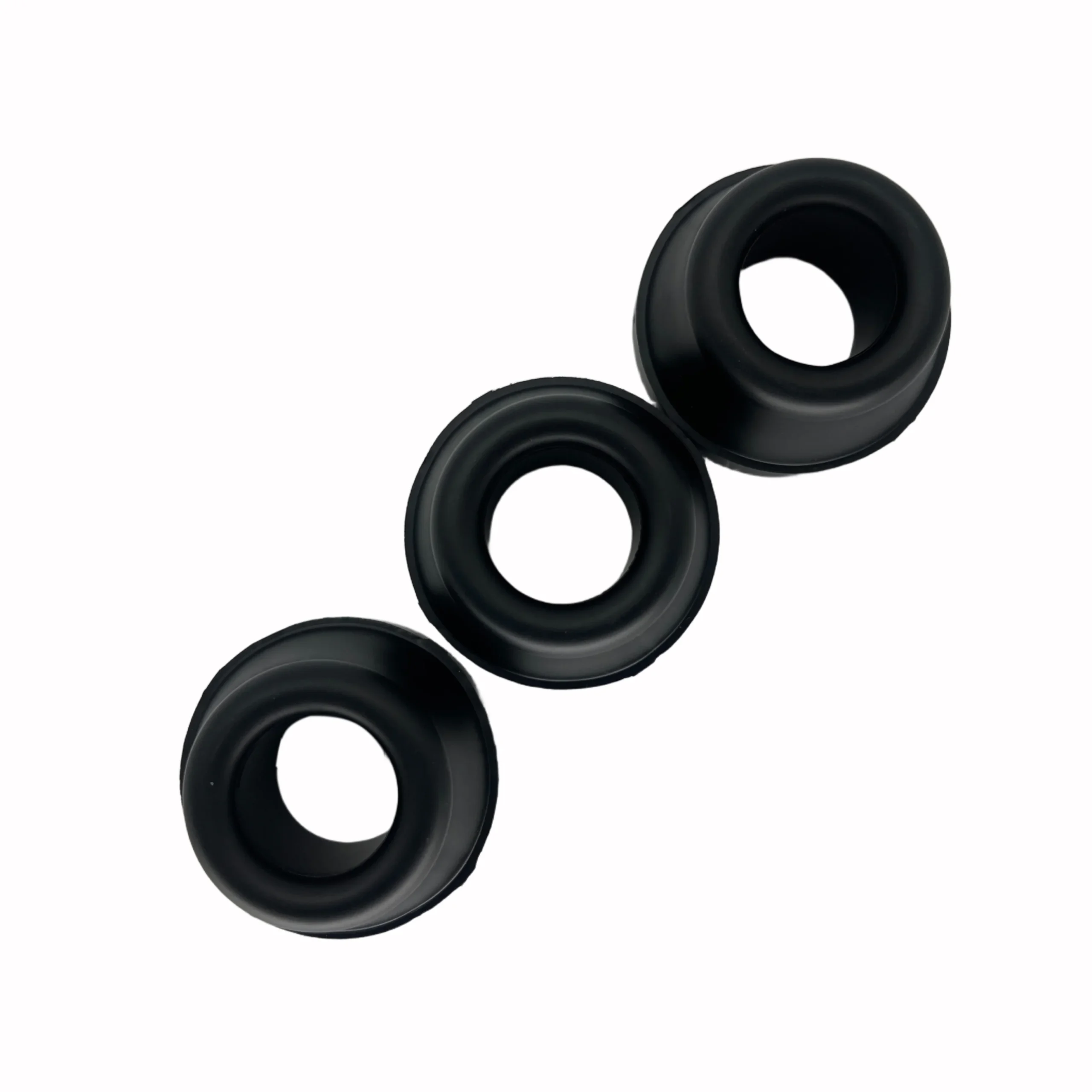
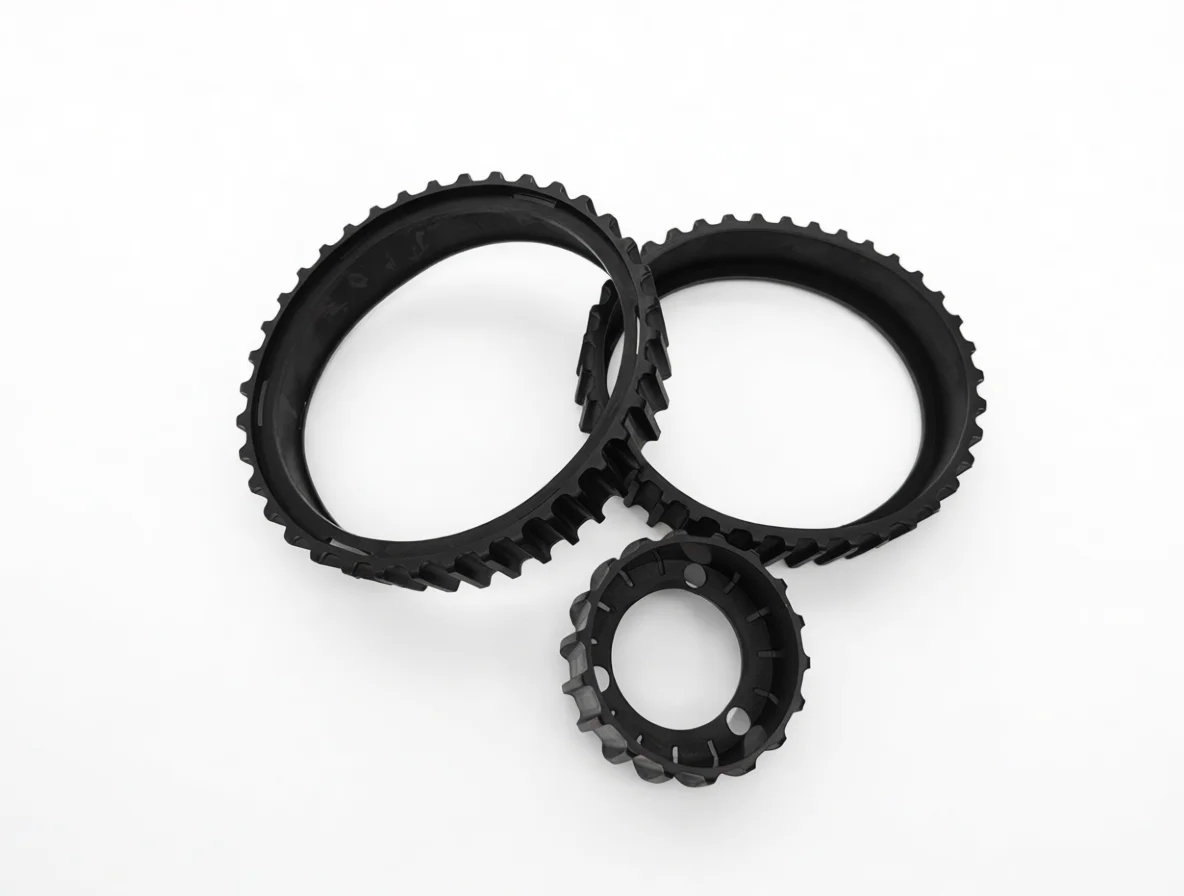
Simply put, nitrile rubber o ring cord is a continuous length of elastomeric material made primarily from nitrile butadiene rubber (NBR). It’s cut, shaped, or molded into o-rings to create a robust sealing solution. The “cord” form allows manufacturers to customize ring sizes on demand, which is crucial when you don’t want to be limited by fixed-ring inventories.
Beyond industry, nitrile rubber’s chemical resistance also makes it relevant for humanitarian and medical uses. Need leak-proof seals for water purification systems deployed in remote zones? This material’s got that covered, offering durability without costly downtime or maintenance.
Mini Takeaway:
- Nitrile rubber o ring cord is a customizable sealing solution with global industrial importance.
- Its chemical resistance and elasticity solve longstanding sealing challenges.
Core Properties of Nitrile Rubber O Ring Cord
High Durability
Nitrile rubber is renowned for its toughness. It can withstand oils, fuels, and lubricants without breaking down fast. This durability means less frequent replacements, which saves both money and headaches on maintenance rounds.
Chemical and Temperature Resistance
The cord resists a broad temperature range (approximately -40°C to 120°C) and many common chemicals, making it versatile for both cold and hot environments—as well as harsh industrial conditions.
Elasticity & Compression Set
This cord has excellent elasticity, allowing o-rings to compress and rebound effectively. Low compression set means seals won’t permanently deform, keeping their tight seal longer.
Cost Efficiency
Compared to fluorocarbon alternatives, nitrile rubber is relatively affordable but still packs enough performance for most applications. Plus, ordering o ring cord spools reduces waste and offers greater sizing flexibility.
Scalability & Customization
Because it comes as a continuous cord, manufacturers can produce custom o-ring sizes quickly. This scalability means fewer standard size limitations and faster prototyping.
Mini Takeaway:
- Nitrile rubber o ring cord blends durability, elasticity, and affordability.
- Its temperature and chemical stability cater to diverse industrial needs.
Global Applications and Use Cases
The practicality of nitrile rubber o ring cord is visible everywhere, perhaps most notably in:
- Automotive Industry: Seals in fuel systems, air conditioning, and braking components.
- Oil & Gas: Hydraulic seals exposed to harsh chemicals and variable temperatures.
- Medical Equipment: Leak-proof seals in devices that must remain sterilized and airtight.
- Humanitarian Relief: In remote relief operations, reliable sealing of pumps and water filtration units depends heavily on nitrile cord o-rings.
- Manufacturing & Robotics: Sealing pneumatic and hydraulic cylinders to improve automation reliability.
Oddly enough, even aerospace manufacturers favor nitrile for non-critical seal parts due to its cost-effectiveness. Countries with growing industrial sectors — like India and Brazil — see expanding demand for nitrile o ring cord for local machinery repair.
Advantages and Long-Term Value
In real terms, these are the benefits anyone—from maintenance engineers to procurement managers—will recognize:
- Reduced Downtime: Better seals mean fewer leaks, less equipment failure, and smoother operations.
- Sustainability: Longer-lasting materials reduce waste and consumption.
- Cost Savings: Bulk ordering of cords lets companies cut custom ring costs and tailor to exact needs.
- Safety & Reliability: Proper sealing prevents hazardous leaks, protecting workers and the environment.
On a more emotional level: companies gain trust and peace of mind knowing their equipment won’t let them down thanks to reliable sealing solutions. Innovation thrives when you’re not battling the basics.
Product Specification Table
| Property | Typical Value | Unit |
|---|---|---|
| Hardness (Shore A) | 70 ± 5 | - |
| Temperature Range | -40 to 120 | °C |
| Tensile Strength | 14-18 | MPa |
| Elongation at Break | 350-450 | % |
| Compression Set (22h at 100°C) | 20-30 | % |
Comparing Top Vendors for Nitrile Rubber O Ring Cord
| Vendor | Quality Grade | Price Range ($/kg) | Lead Time | Custom Sizes |
|---|---|---|---|---|
| SunliteTek | Premium | 12 - 16 | 1-2 Weeks | Yes |
| RubberTech Inc. | Standard | 10 - 14 | 2-4 Weeks | Limited |
| SealPro Global | Industrial | 9 - 13 | 3-5 Weeks | No |
Future Trends and Innovations in Nitrile Rubber O Ring Cord
Few materials sit still for long, and nitrile rubber o ring cord is no exception. Manufacturers are actively researching bio-based nitrile rubber blends aimed at lowering environmental impact without compromising performance. As digital transformation spreads through manufacturing, expect tighter quality control, on-demand custom sizes via 3D elastic printing, and predictive maintenance driven by IoT sensors integrated with sealed machinery.
Sustainability is front and center: recycled nitrile variations and reduced chemical additives are a growing focus. At the same time, improved formulations tackling ozone and UV degradation extend outdoor equipment lifespans—a crucial factor in renewable energy fields like wind turbines.
Challenges and Practical Solutions
No product is without its quirks. Nitrile rubber o ring cord can suffer stress cracking if exposed to certain solvents or prolonged UV exposure. Temperature extremes outside its design limits also degrade performance. But manufacturers counter these by adding protective coatings, blending with tougher polymers, and advising end-users on proper maintenance practices.
Experts recommend rigorous quality testing such as hardness, tensile strength, and compression set tests to catch subpar lots. Many engineers I spoke with swear by sourcing from vendors like SunliteTek (nitrile rubber o ring cord provider) who adhere strictly to ISO 3601 standards.
FAQ: Frequently Asked Questions About Nitrile Rubber O Ring Cord
Q1: What applications are best suited for nitrile rubber o ring cord?
A: It excels in sealing hydraulic, fuel, and pneumatic systems requiring oil resistance and moderate temperature tolerance. Also widely used in automotive, manufacturing, and water filtration applications.
Q2: Can nitrile o ring cord be customized for unusual sizes?
A: Yes! That’s one of the key advantages of purchasing cord form. You can cut and shape rings tailored precisely to your project's specs, reducing waste and inventory needs.
Q3: How does nitrile rubber o ring cord compare to silicone or fluorocarbon options?
A: Nitrile is generally more affordable and oil-resistant but isn’t suitable for extreme temperatures or certain chemicals where silicone or fluorocarbon would perform better.
Q4: Is nitrile rubber sustainable or recyclable?
A: Traditional nitrile isn’t biodegradable, but newer bio-based blends and recycling initiatives are improving sustainability in this segment.
Q5: How can international buyers source quality nitrile rubber o ring cord?
A: Working with global suppliers like SunliteTek offers access to certified products, flexible orders, and international shipping solutions, simplifying import logistics.
In Summary: Why Investing in Quality Nitrile Rubber O Ring Cord Pays Off
Over time, nitrile rubber o ring cord isn’t just an industrial detail — it’s foundational to machine reliability, environmental safety, and operational efficiency worldwide. Whether you’re designing a new product line or maintaining essential infrastructure, having the right seal can avoid costly setbacks. So next time you order seals, consider the quality, customization, and supplier expertise behind that little nitrile cord.
If you’d like to explore options or learn more about top-grade products, don’t hesitate to reach out to industry leaders. The right choice today saves headaches (and budgets) tomorrow.
References:
1. Wikipedia on Nitrile Rubber
2. International Organization for Standardization (ISO) 3601 standards on O-rings
3. World Bank Industry Reports on Global Manufacturing and Materials Trends

Understanding Nitrile Rubber O Ring Cord: Why It Matter […]