

 Select Language
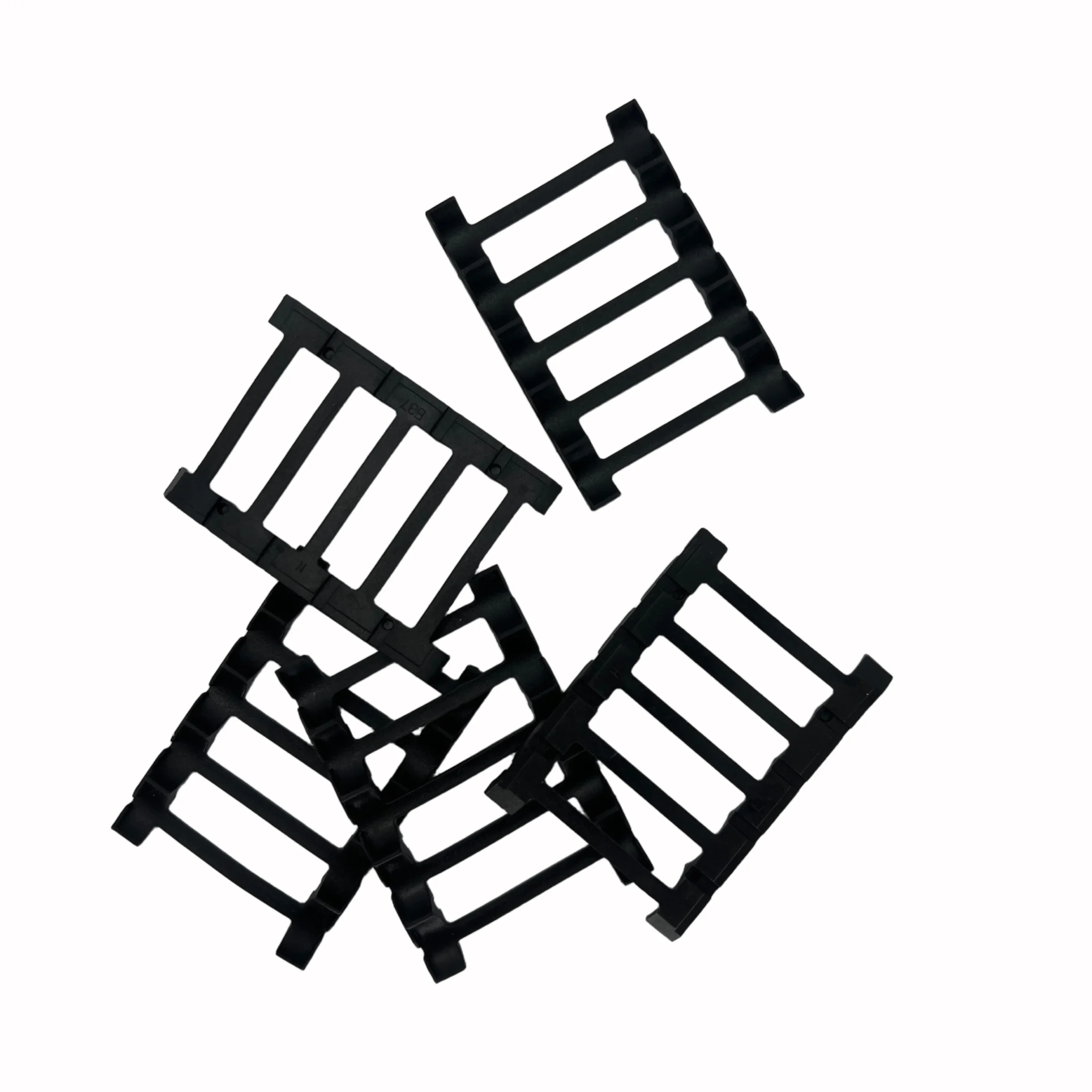
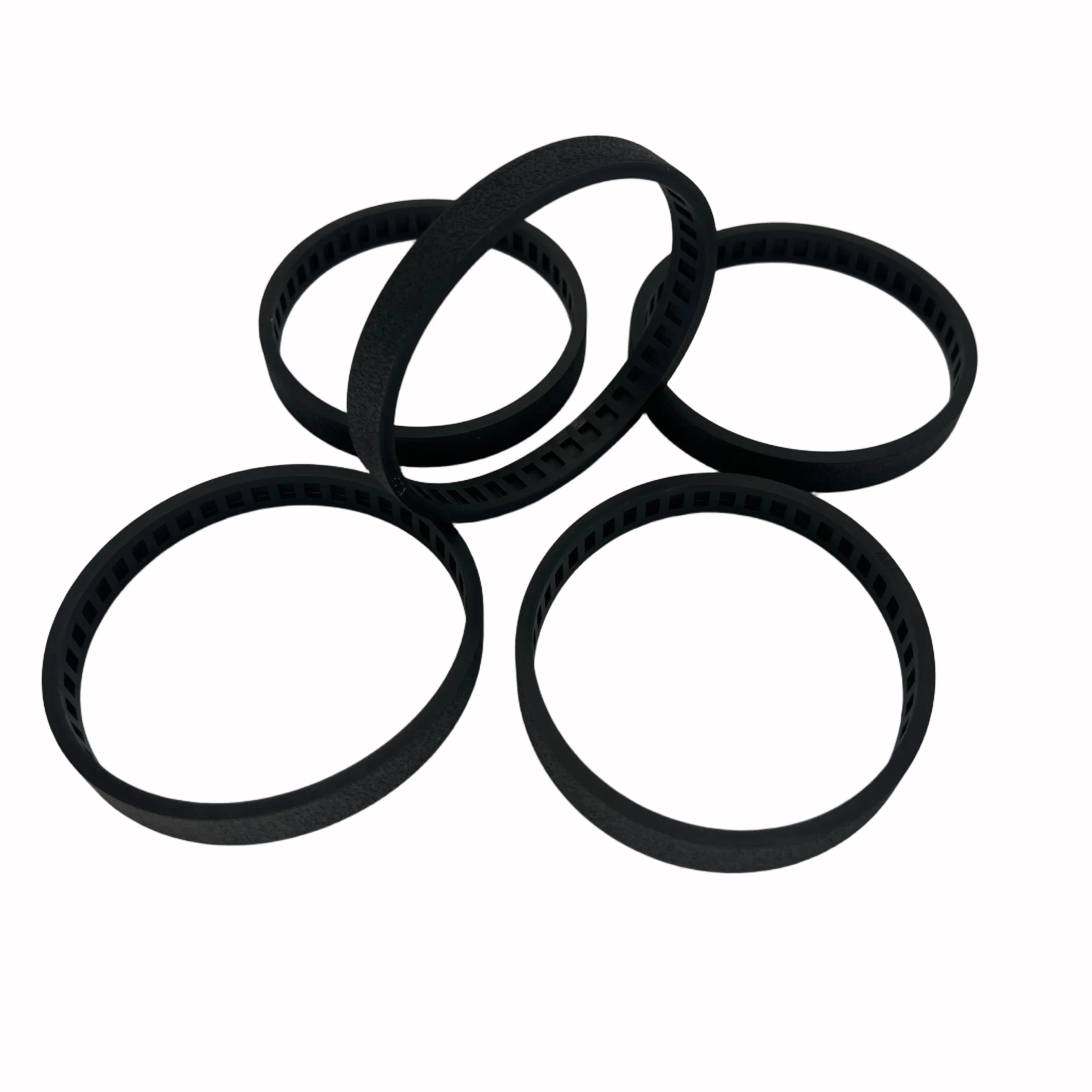
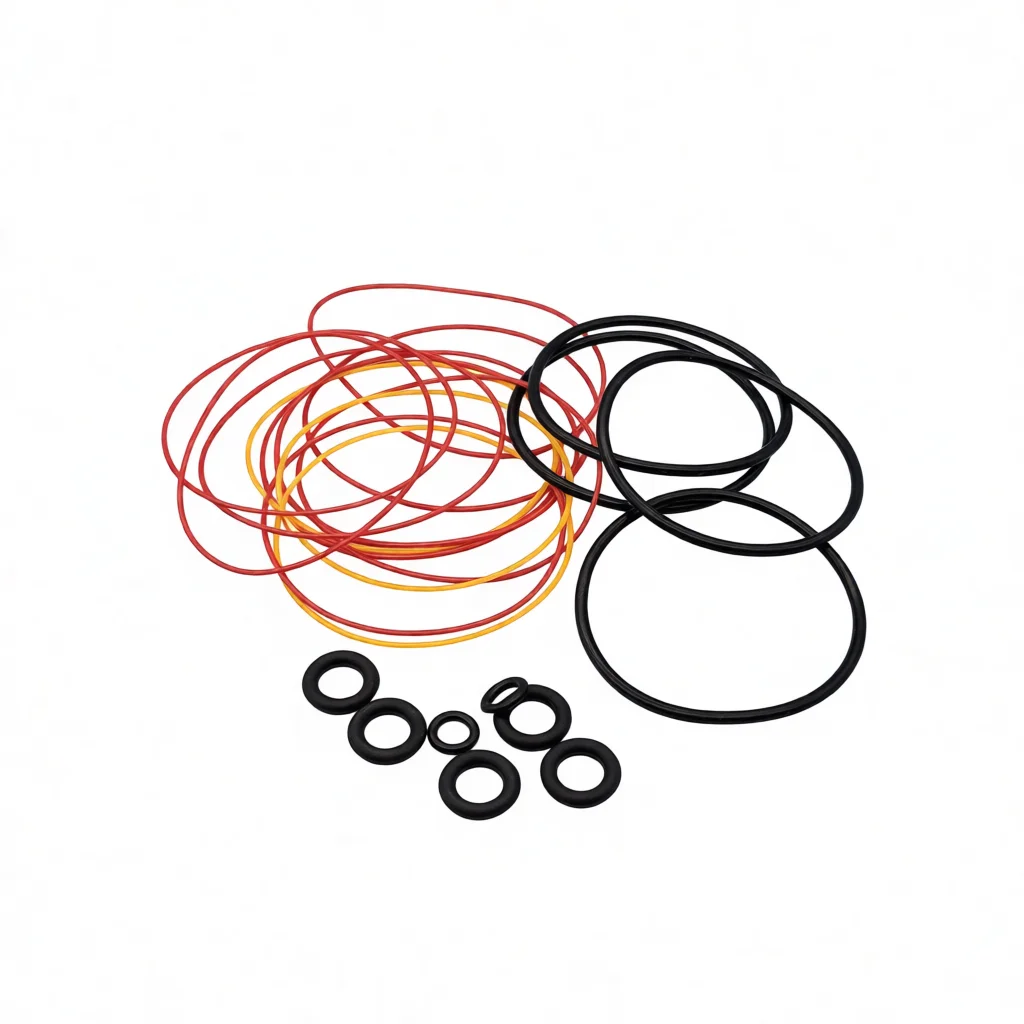
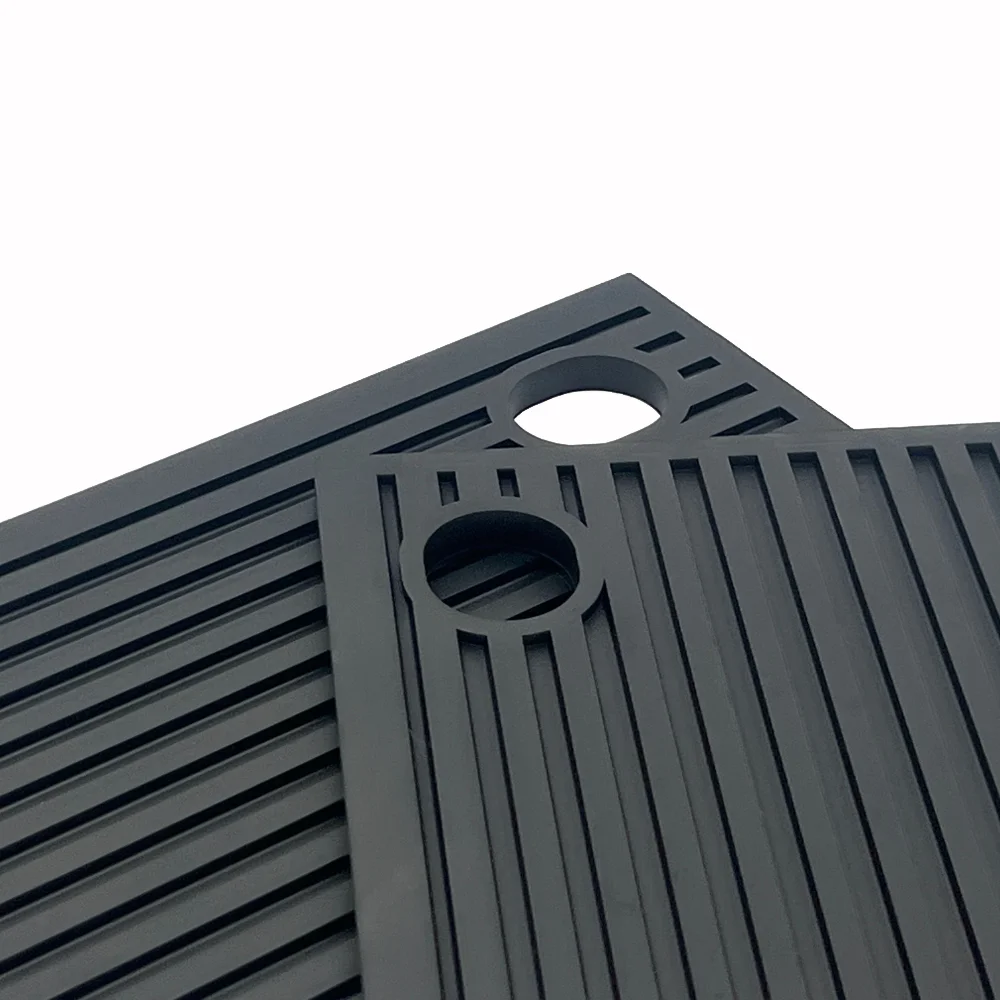
As an important polymer material, pure rubber systems inherently suffer from low mechanical strength and poor wear resistance. Reinforcement technology, which involves introducing fillers or structural modifications, can significantly enhance the tear resistance, wear resistance, and mechanical properties of rubber products. This paper will systematically analyse the mainstream rubber reinforcement technologies currently used in industry from the perspectives of mechanism of action and practical application.
1. Carbon Black Reinforcement System
Technical Principles
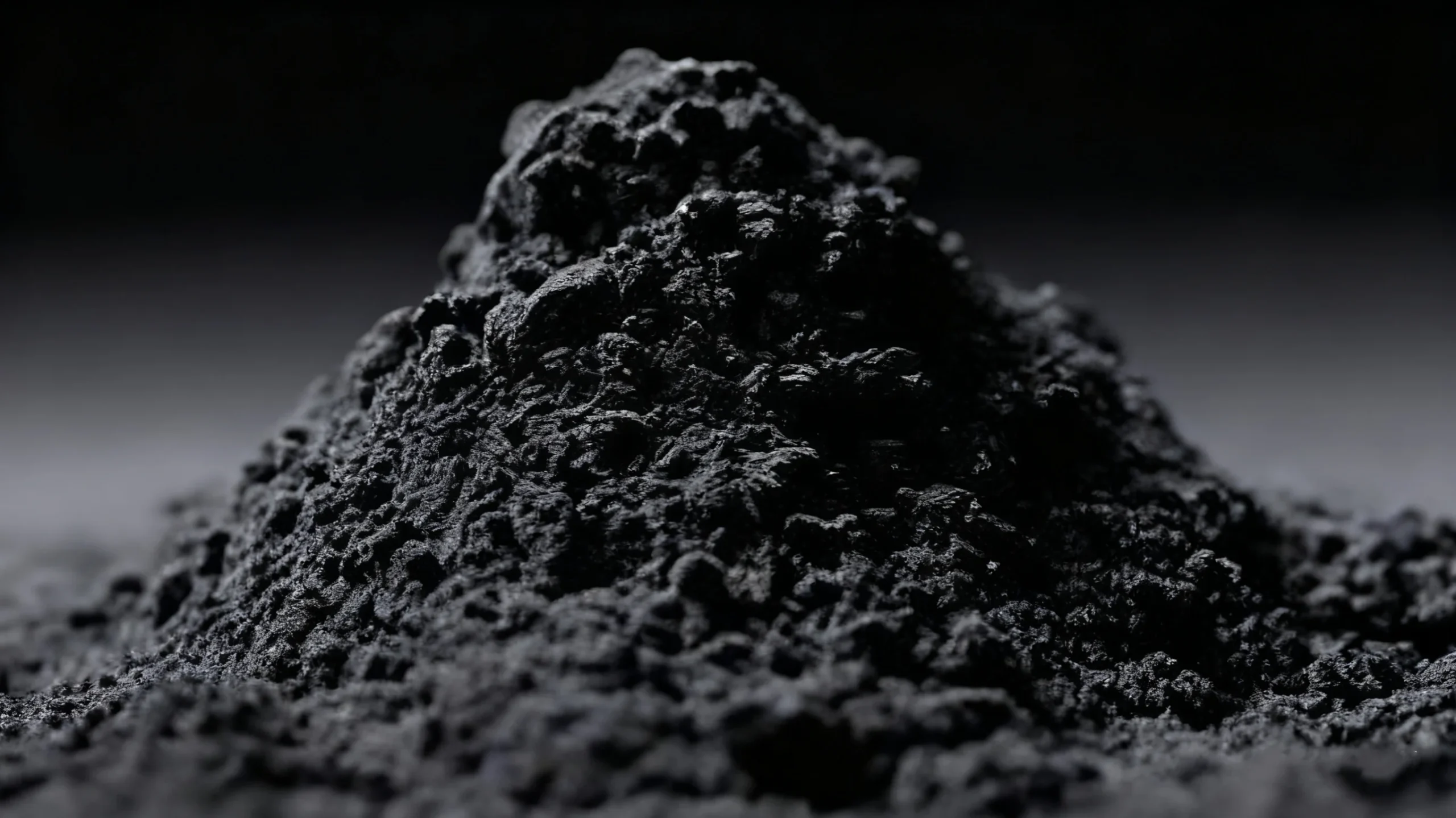
Carbon black particles physically adsorb and chemically bond with rubber molecular chains to form a three-dimensional network structure. Carbon black particles with a particle size of 20–300 nm can produce a ‘volume exclusion effect,’ restricting molecular chain movement and increasing tensile strength by 3–5 times. Their surface active groups (such as carboxyl groups and phenolic hydroxyl groups) can also undergo grafting reactions with rubber.
Application Characteristics
N-series carbon black (e.g., N330) is used in tyre treads.
Conductive carbon black (e.g., acetylene black) is used in anti-static products.
The addition rate is typically 30–50 phr (parts per hundred rubber).
II. Silica Reinforcement Technology
Nano-enhancement Mechanism
Pyrogenic silica (particle size 10–25 nm) forms a hydrogen bond network with rubber through silanol groups, making it particularly suitable for silicone rubber. Its reinforcing effect depends on the degree of surface modification—after treatment with silane coupling agents, tensile strength can be increased by 200%.
Environmental advantages
Compared to carbon black, white carbon black-reinforced green tyres can reduce rolling resistance by 15%, making it a standard technology for EU-labelled tyres.
III. Fibre-Reinforced Composite Materials
Synergistic Reinforcement Effect
Short fibres (e.g., aramid, glass fibre) produce anisotropic reinforcement through oriented distribution.
Cellulose nanofibres (CNF) can simultaneously enhance strength and toughness.
Typical addition ratio: 5–15 wt%.
Interface Optimisation Technology
Plasma treatment, graft modification, and other methods can improve fibre-matrix interface bonding strength, increasing the modulus of composite materials by 8–10 times.
IV. Advances in New Reinforcement Technologies
Graphene Hybrid Systems
0.5 wt% graphene can increase the thermal conductivity of natural rubber by 400%, and its two-dimensional structure effectively inhibits crack propagation.
Self-Healing Reinforcement Systems
A reinforcement network based on dynamic disulphide bonds can achieve 94% mechanical property recovery at 80°C, suitable for high-end seals.
Conclusion
Modern rubber reinforcement technology is evolving towards nanotechnology, functionalisation, and intelligence. In the future, through multi-scale structural design and AI-assisted formulation optimisation, the ‘strength-elasticity’ balance bottleneck will be further broken through. For more technical information, please contact Guangdong Xinli Technology Co., Ltd. (https://reurl.cc/ekVdEW).
As an important polymer material, pure rubber systems inherently suffer from low mechanical strength and poor wear resistance.