Select Language
 Understanding the Versatility of Closed Foam Gasket
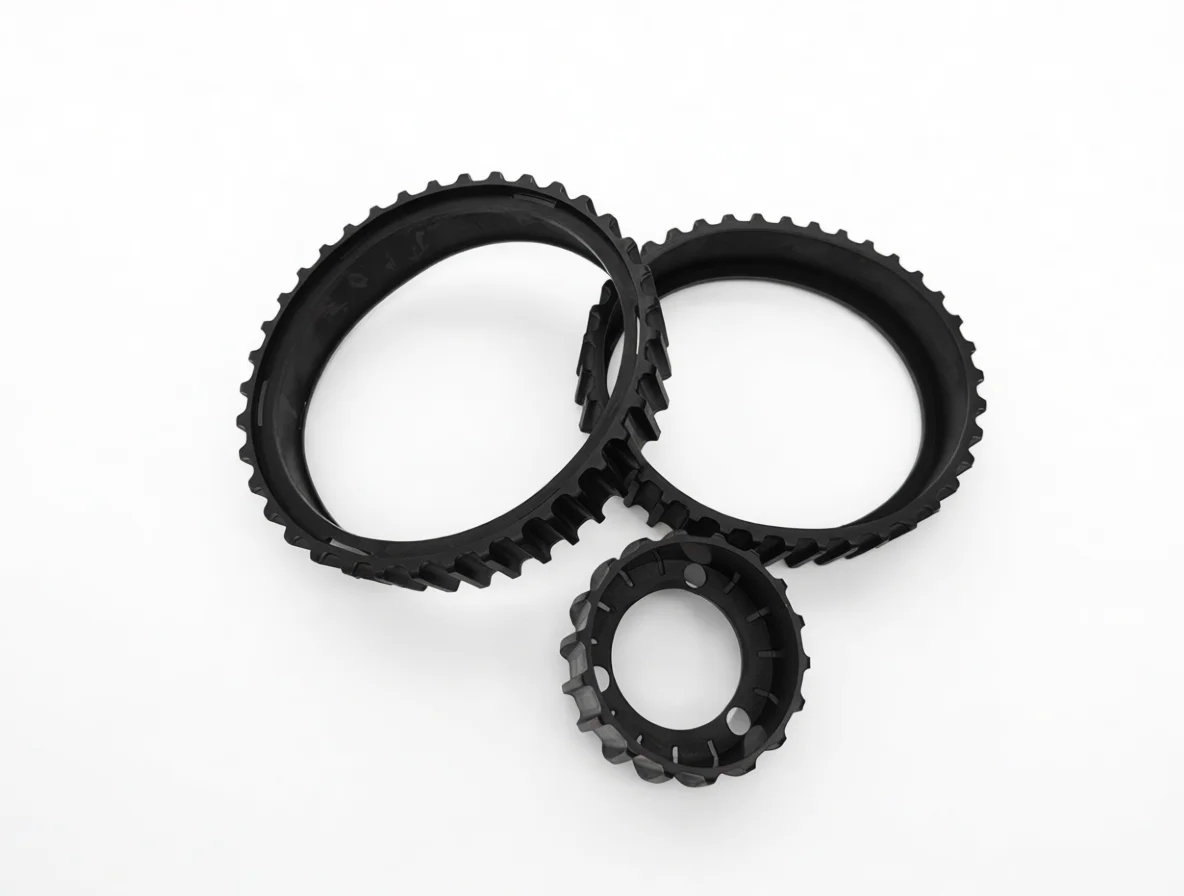
Having spent a good chunk of my career around closed foam gasket solutions, I can tell you: they’re one of those quiet heroes of industrial sealing technology. Oddly enough, the more traditional and seemingly simple a product, the more vital its role becomes in complex equipment.
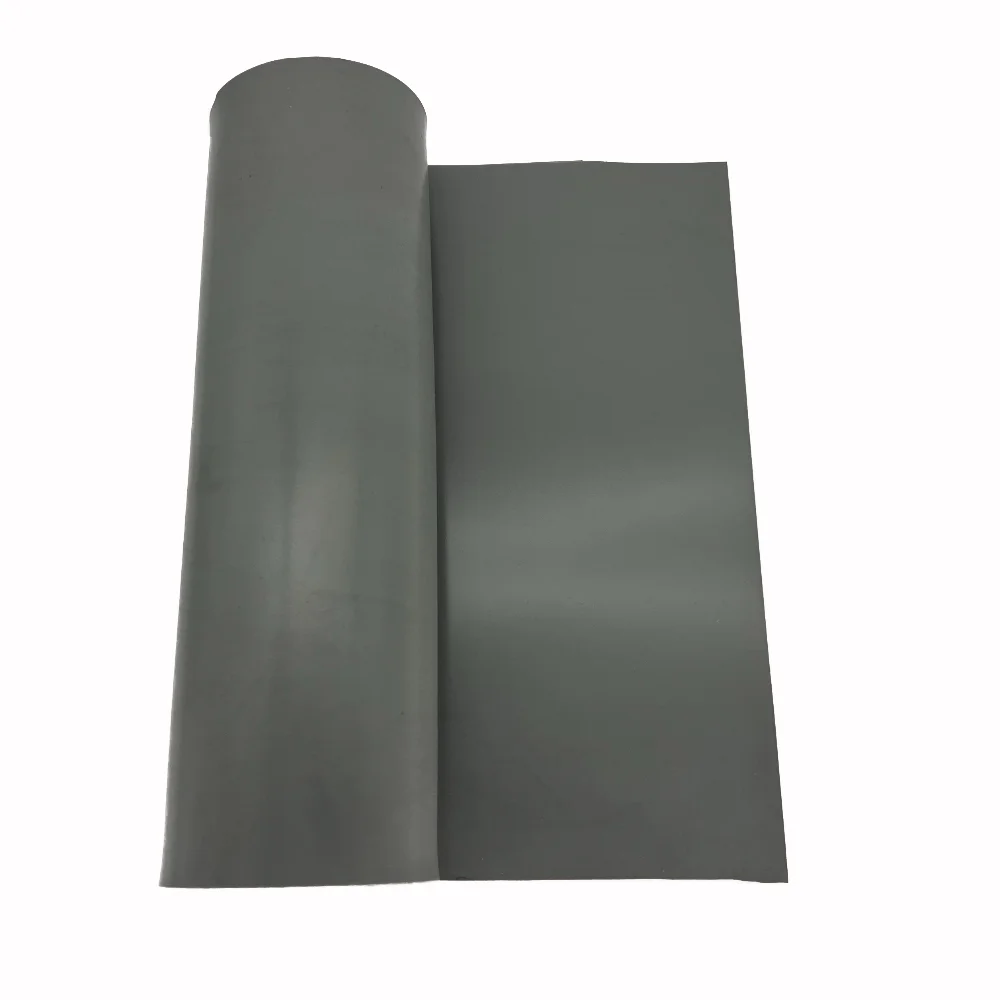
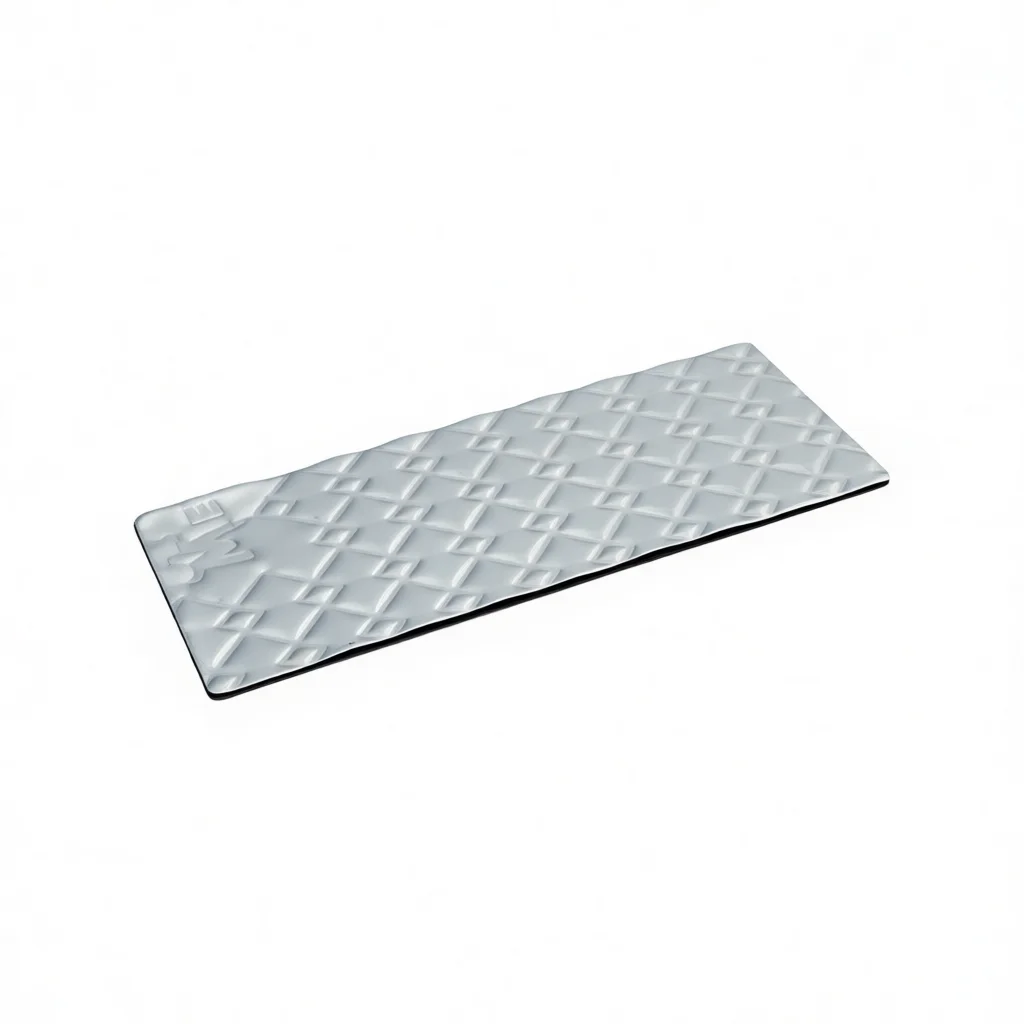
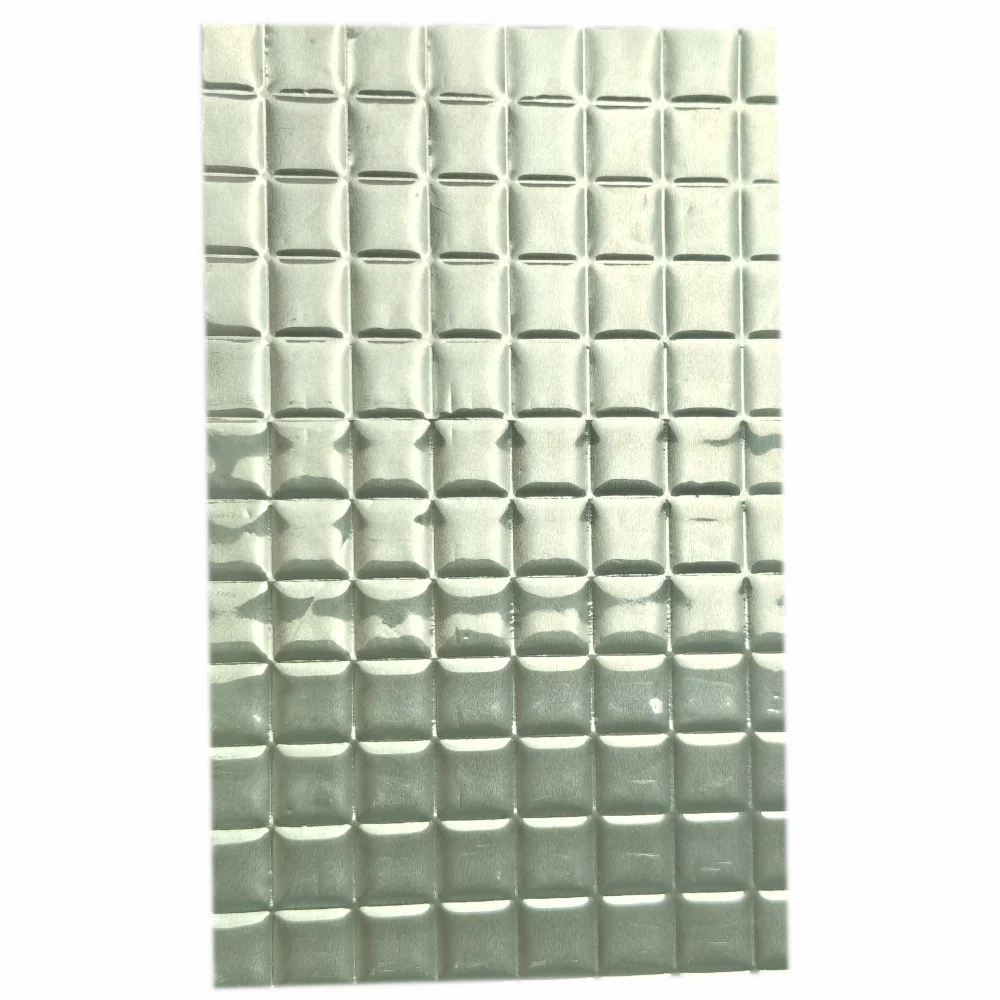
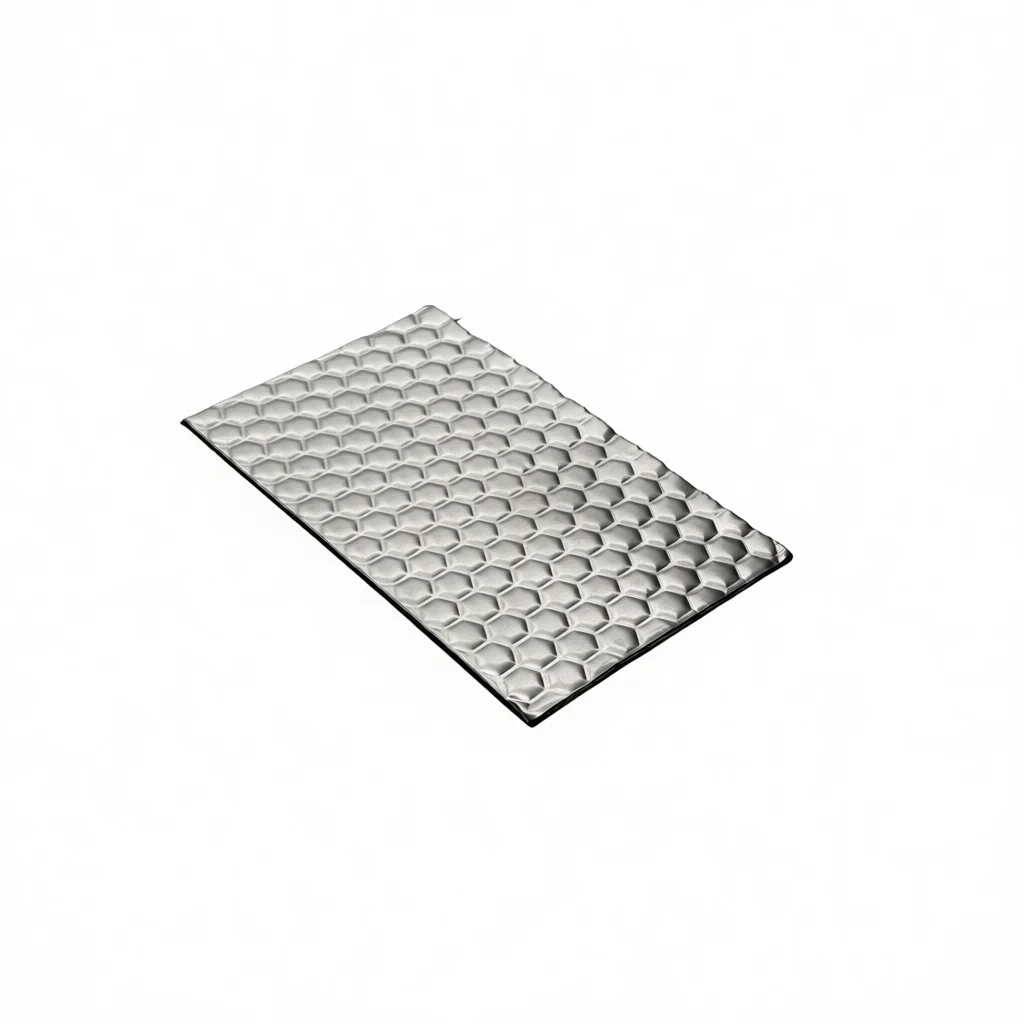
So what exactly is a closed foam gasket? In short, it’s a sealing material made from closed-cell foam — that means each tiny cell is sealed off from others, making the material impermeable to water, air, dust, and even oils. This contrasts with open-cell foams that are rather sponge-like (not quite ideal when you want a seal). You’d be surprised how that cellular difference changes everything.
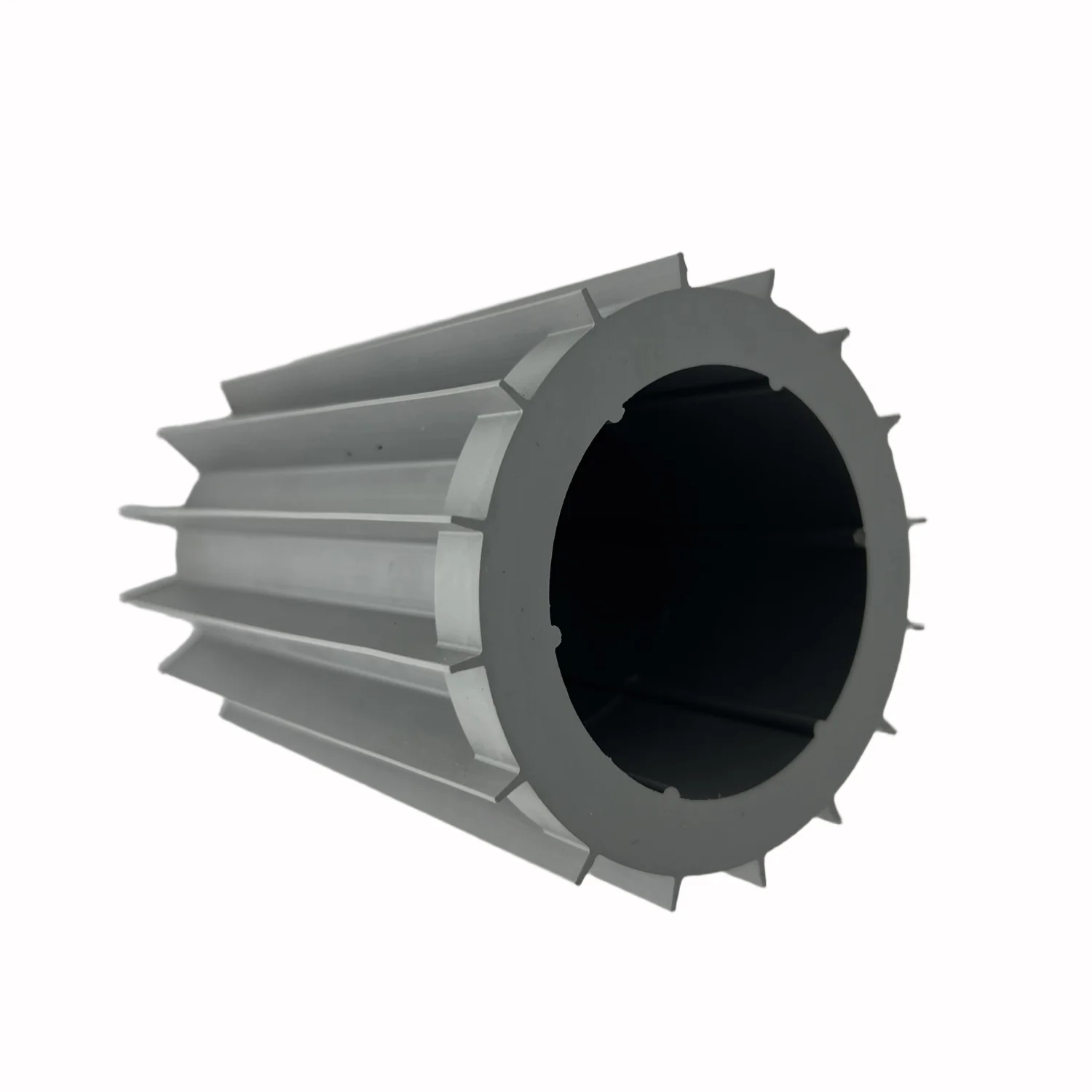
Over the years, I’ve personally seen these gaskets used in everything from automotive door seals and HVAC systems to heavy industrial machinery. They’re prized for compressibility and resilience, plus chemical and weather resistance. You know, real workhorse stuff.
Materials & Design: The Backbone of Performance
Closed foam gaskets typically come in materials like EPDM (Ethylene Propylene Diene Monomer), neoprene, and silicone. My experience suggests EPDM is a go-to when weather and ozone resistance are critical, which is often the case outdoors. Neoprene has solid oil and chemical resistance, so it’s the pick in some manufacturing plants. Meanwhile, silicone takes a starring role when temperature ranges get extreme.
Designing these gaskets isn’t just about slapping some foam in a shape. Thickness, density, and cell size all matter for the right compression and life span. Frankly, you want a balance — too soft, it wears out fast. Too stiff, it won’t seal well or conform to complex surfaces. This is where vendors’ experience and quality control make a measurable difference.
Testing & Standards
If you’re ever involved with specs documents (I’ve been), you’ll know that ASTM standards like D1056 (for rubber sponge) or specific ISO tests often apply. It’s reassuring when suppliers can provide thorough test reports on compression set, tensile strength, and UV resistance. I always encourage customers to request these because frankly, you can’t always see quality just by looking.
Customization & Applications
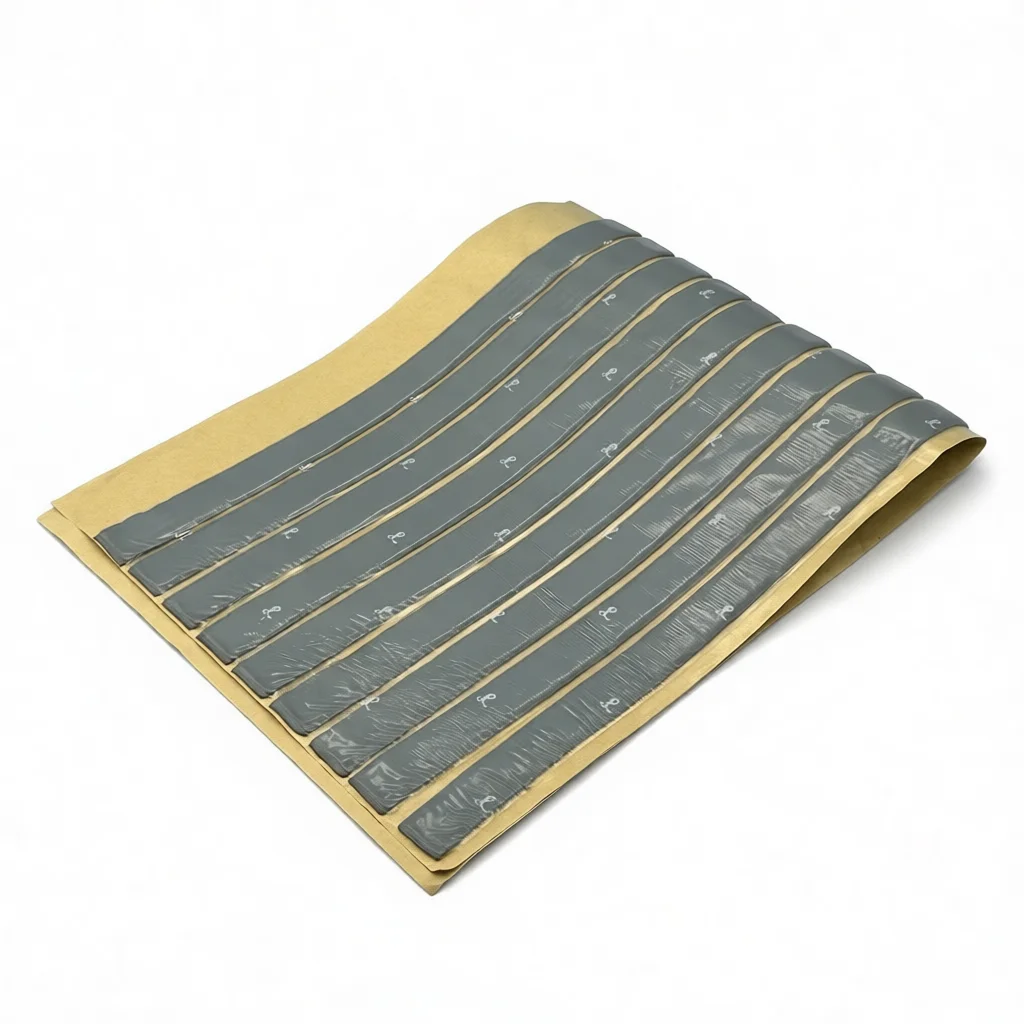
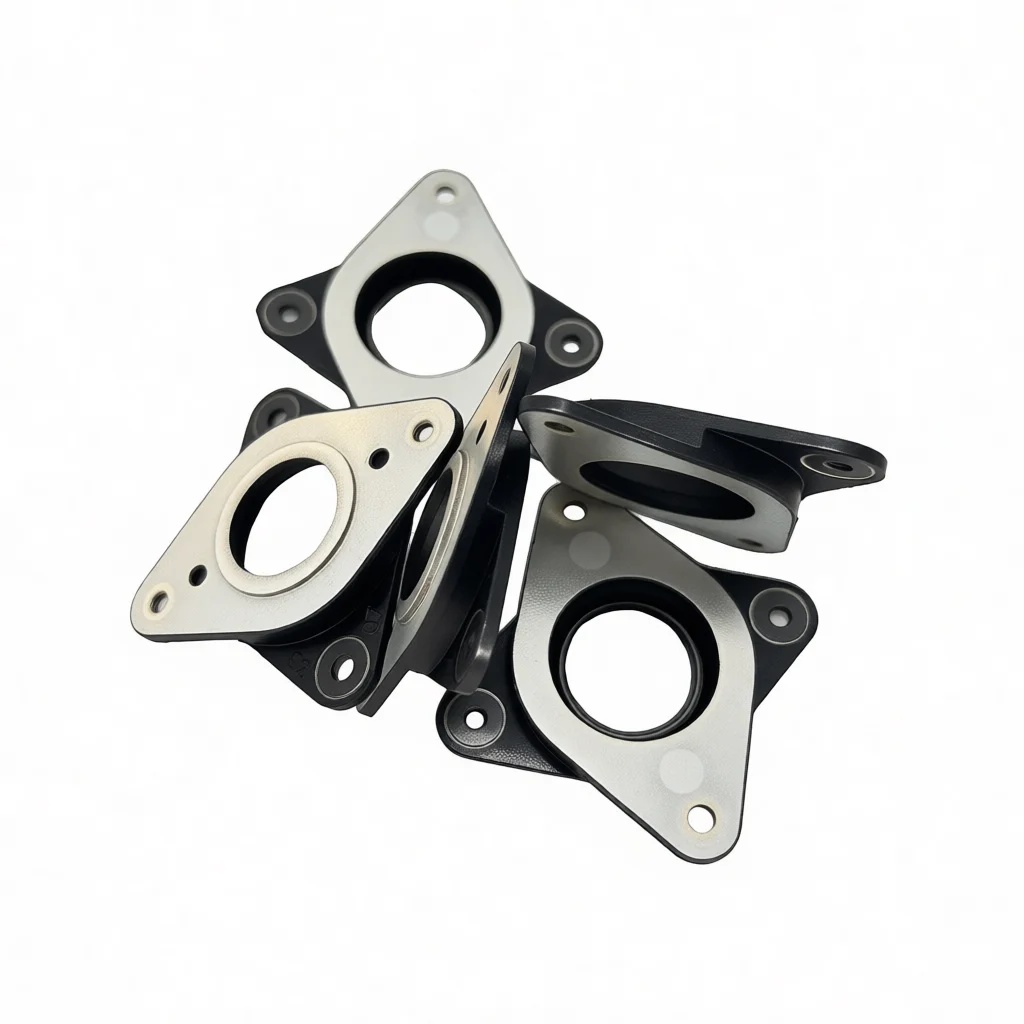
Closed foam gaskets don’t come only in standard strips or sheets — sometimes you need die-cut parts, custom profiles, or adhesive backing. I recall a project where the client needed a very tight tolerance gasket for HVAC units; the customized closed-cell silicone foam they got exceeded expectations in preventing moisture ingress.
There’s something satisfying about a gasket that not only fits perfectly but lasts years without a hint of failure. Maybe it sounds mundane, but those little sealing pieces often dictate equipment uptime and warranty lifetimes.
Specs at a Glance
| Property | Typical Range | Notes |
|---|---|---|
| Density | 30–70 kg/m³ | Varies by material and application |
| Compression Set (ASTM D1056) | < 25% | Reflects resilience under load |
| Temperature Range | -40 °C to 150 °C | Silicone variants can go higher |
| Tensile Strength | 0.3–0.7 MPa | Depends on foam and curing |
| Water Absorption | < 5% | Key for outdoor sealing |
Vendor Comparison Snapshot
| Vendor | Material Options | Customization Capabilities | Lead Time | Pricing Tier |
|---|---|---|---|---|
| SunliteTek | EPDM, Neoprene, Silicone | Die-cut, Profiles, Adhesive-backed | 2–4 weeks | Mid-range |
| FoamSeal Co. | EPDM, Neoprene | Standard shapes only | 3–5 weeks | Budget |
| Seal Masters | Silicone only | Custom profiles, high precision | 4–6 weeks | Premium |
To put a finer point on it, I remember a particular client — an HVAC manufacturer — who’d struggled for months with gasket failures that caused condensation leaks and warranty headaches. Switching to a tailored closed-cell EPDM foam gasket from a trusted supplier changed their outlook practically overnight. The solution minimized downtime and complaints, which might sound small, but in industrial equipment, reliability is king.
If there’s one thing I’ve learned, it’s that these gaskets aren’t just foam scraps. They’re engineered barriers that help machines last longer and perform better, quietly saving the day.
In other words: don’t underestimate the humble closed foam gasket.
References:
1. ASTM D1056 – Standard Specification for Flexible Cellular Materials – Sponge or Expanded Rubber.
2. ISO 3385 – Rubber - Determination of ozone resistance.
3. Personal experience in industrial manufacturing and sealing technologies.

Understanding the Versatility of Closed Foam Gasket Hav […]