

 Select Language
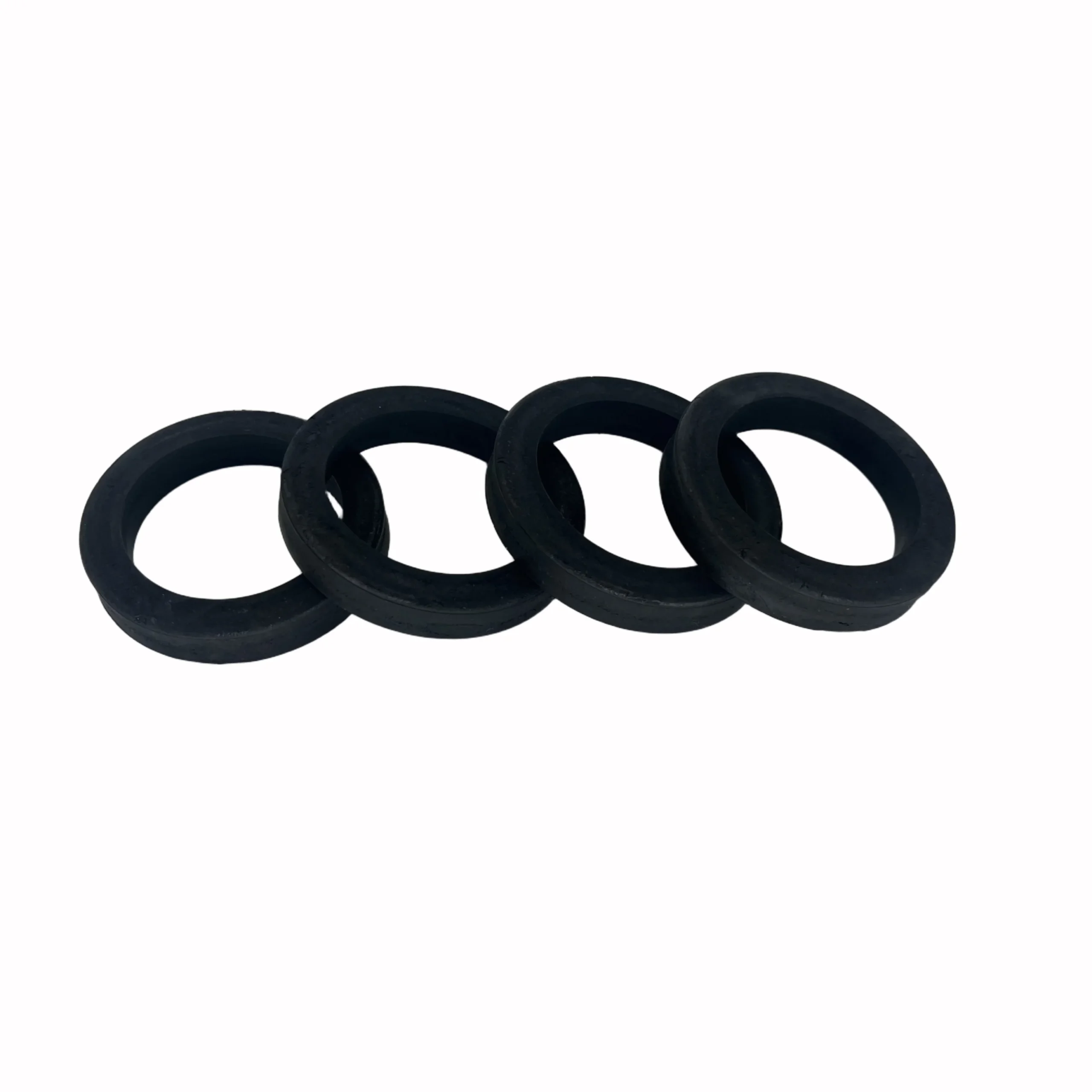
 Silicone Sealing Rings: The Unsung Hero of Industrial Equipment
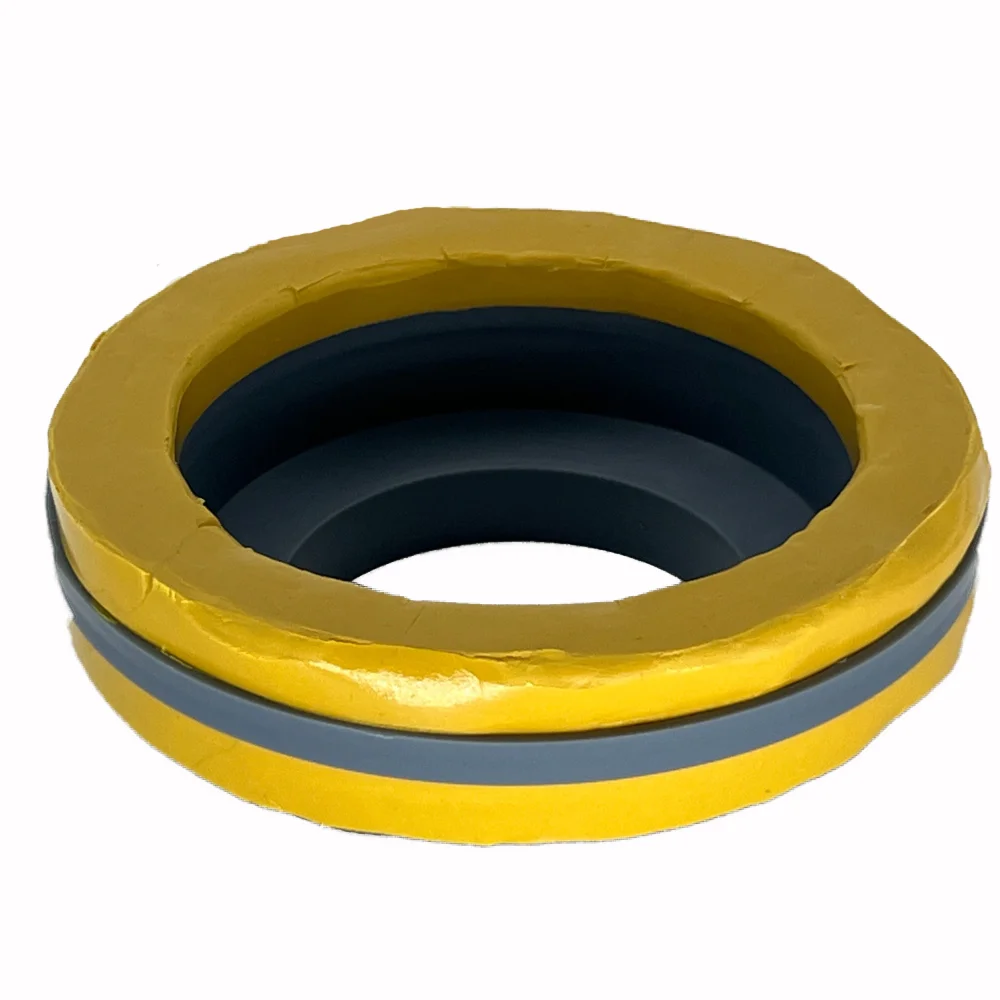
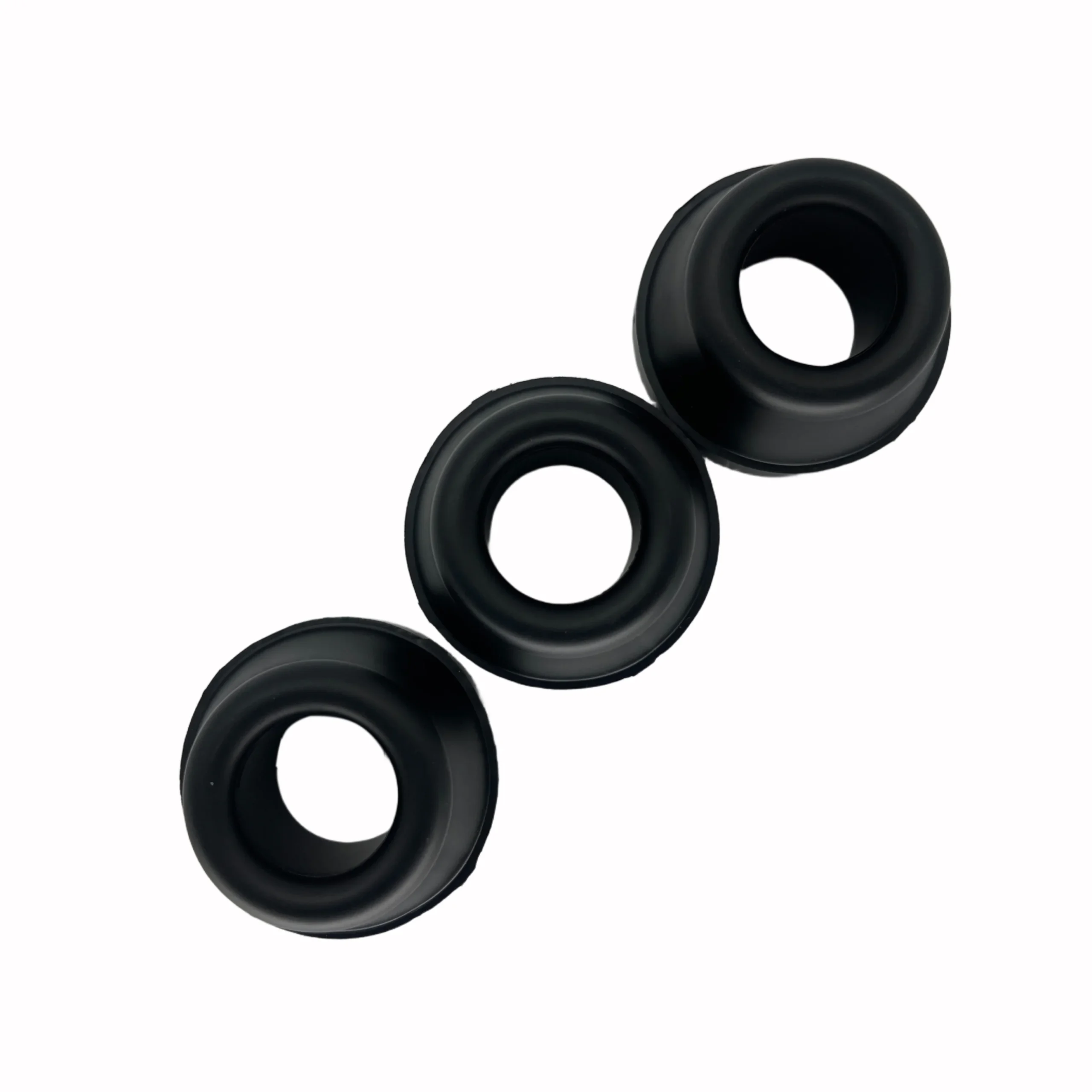
Having spent a fair share of my career around industrial machinery, I’ve come to realize that certain small components quietly shoulder a huge load. Enter the silicone sealing ring — simple, yet vital. Oddly enough, folks outside the industrial world rarely appreciate how much these little rings can influence performance, safety, and downtime. Whether you’re running heavy conveyor systems, hydraulic units, or food-grade processing gear, the sealing ring’s quality can really make or break the operation.
Why Silicone? The Material That Keeps You Running
One of the first things engineers chew over is: why silicone at all? Well, silicone’s reputation isn’t just hype. Its elasticity, chemical resistance, and temperature tolerance make it a go-to for sealing applications. I’ve seen rubber rings fail under intense heat or harsh chemicals, but silicone often performs like a champ, even when conditions get gnarly. From -60°C to +230°C in some cases, these rings flex and seal without losing their shape.
Frankly, the resilience of silicone helps avoid costly leaks or contamination, especially in food and pharma sectors, where sanitary sealing is non-negotiable. And if you’ve been around seals for a while, you know that downtime to swap out a faulty gasket can ripple across entire production lines — downtime nobody invites!
Silicone sealing ring specifications that matter
Not all silicone sealing rings are created equal. I think the key specs to watch out for revolve around size tolerance, hardness, and compliance certifications. For example, Shore A hardness affects how well the ring handles compression without cracking. Then there’s tensile strength — crucial if your seal faces constant pressure.
| Specification | Typical Range | Notes |
|---|---|---|
| Material | Food Grade Silicone (FDA approved) | Ensures safety in food/pharma use |
| Temperature Range | -60°C to +230°C | Withstands extreme conditions |
| Shore A Hardness | 40–70 | Balances flexibility and strength |
| Durometer Tolerance | ±5 | Maintains consistent sealing force |
| Chemical Resistance | Excellent (Acids, bases, oils) | Suitable for harsh environments |
| Custom Sizes | Available on request | Fits bespoke industrial systems |
Comparing vendors for silicone sealing ring quality
From my experience talking with operators and OEMs, vendor choice matters a lot. Some companies treat sealing rings as an afterthought, pushing generic products with spotty quality control. Others – and I won't name names, but guess what – offer tightly regulated manufacturing processes and even custom molding to exact specs.
| Vendor | Manufacturing Process | Certifications | Customization Ability | Typical Lead Time |
|---|---|---|---|---|
| SunliteTek | Injection molding, CNC tooling | FDA, ISO 9001 | High – bespoke requests welcome | 2–4 weeks |
| Competitor A | Compression molding | ISO 9001 | Limited custom runs | 4–6 weeks |
| Competitor B | Hand-cut sheets | None | None, standard sizes only | 1–2 weeks |
Industry veterans often vouch that it’s worth waiting a bit longer for quality. I get that urgency is a beast to wrestle with, but having a trusted supplier who knows their stuff, like silicone sealing ring specialists SunliteTek, can save you headaches down the line.
Real-world insights: A customer story
Take a mid-sized food packaging facility I worked with recently. They had recurrent seal leaks disrupting lines and causing expensive cleanups. After switching to custom silicone sealing rings designed and supplied by SunliteTek, the reliability shot up noticeably. Their staff even remarked how the installation felt smoother — the seals flexed just right, fitting tight without needing brute force.
It’s a simple fix with outsized impact, which feels pretty rewarding when you see things hum along without a hiccup for months. Sometimes, it’s these “small” components that are the unsung heroes of industrial uptime.
If you want to explore high-performance silicone sealing rings, it’s definitely worth checking out custom options and certifications early, as specs make all the difference. And yes, I’d point you to silicone sealing ring experts like these—they’ve earned their stripes.
For anyone tinkering or specifying sealing solutions yourself: don’t overlook material grades, production quality, or lead time. You might save the day with a well-chosen silicone sealing ring, after all.
References / Further reading:
- Industry insights from machinery maintenance forums, 2023
- FDA guidelines on food-grade silicone materials
- Personal interviews with OEM supply managers, 2024
Silicone Sealing Rings: The Unsung Hero of Industrial E […]