Select Language
 What Is EPDM O NBR and Why Should It Matter Worldwide?
It might sound like alphabet soup, but EPDM O NBR is a shorthand for a fascinating rubber compound blend involving Ethylene Propylene Diene Monomer (EPDM) and Nitrile Butadiene Rubber (NBR). These materials play a quietly essential role across countless industries—think automotive, construction, sealing tech, and more. Globally, as supply chains tighten and industries demand more sustainable and high-performance materials, understanding EPDM O NBR’s benefits isn't just industry jargon—it’s key to smarter, longer-lasting products everywhere.
Why is this mix important? Well, it delivers a balance of flexibility, chemical resistance, and weather durability that other materials struggle to achieve on their own. That’s crucial for products exposed to harsh weather, oils, or stretching stresses—right from remote industrial sites to urban infrastructure projects.
The Global Relevance of EPDM O NBR
According to ISO standards on polymer materials and UN sustainability goals on industrial innovation, manufacturers worldwide are shifting towards materials that are more durable and environmentally stable. EPDM O NBR comes into play by enabling longer product lifespans and reducing waste from frequent replacements.
In 2023, the global market for synthetic rubber blends including EPDM and NBR was valued at over $20 billion, with projections to grow by roughly 4% annually. This demand is particularly strong in Asia-Pacific and North America, where automotive, appliance, and infrastructure sectors are rapidly developing.
But here’s a problem EPDM O NBR helps solve: many industries face increasing exposure to harsh chemicals or extreme weather, demanding materials that keep their integrity over time. EPDM O NBR seals and gaskets, for example, outperform many traditional rubbers when exposed to oils, ozone, and temperature swings. Quite impressive when you think about how often a failing seal can cause costly downtime.
So, What Exactly Is EPDM O NBR?
To put it simply: EPDM O NBR is a blended elastomer compound combining EPDM’s excellent weather, ozone, and UV resistance with NBR’s superior oil and fuel resistance. This hybrid ensures the finished product won't crack under sun or get brittle in cold — and also won’t degrade from contact with lubricants or fuels.
Both EPDM and NBR were developed mid-20th century and have since become staples of industrial rubber applications. But blending them leverages the best properties of both worlds, unlocking solutions that meet modern industry’s complicated needs—whether in automotive hoses, vibration dampers, or industrial seals.
Key Features that Make EPDM O NBR a Game-Changer
Durability Across Environments
EPDM brings superb resistance to heat, ozone, UV rays—making it an all-star outdoors. But on its own, it's not great with oils or fuels. NBR compensates for that, excelling against oils, gasoline, and other chemicals. So when blended, the resulting compound lasts longer in mixed-exposure situations. Simple, right? Yet so effective.
Flexibility and Elasticity
Both materials are quite elastic, but combining them creates a compound that adjusts better under mechanical stresses. For applications involving frequent stretching or compression—like automotive hoses or industrial belts—this flexibility means fewer failures and maintenance headaches.
Cost Efficiency
You might assume that combining two specialized rubbers would be pricey, but manufacturers say EPDM O NBR compounds offer excellent value by extending maintenance cycles and reducing replacements. Less downtime, fewer parts to order, and lower overall lifecycle costs add up.
Temperature Range
This blended rubber typically performs well from roughly -40°C to +125°C (-40°F to 257°F), covering most industrial and automotive environments. You get a material that doesn’t stiffen in winter or melt in the summer—very handy for applications from engine seals to weatherstripping.
Environmental Resistance
EPDM O NBR blends resist chemicals, ozone, and weathering without breaking down. This makes them prime candidates for outdoor seals, roofing membranes, and other exposed parts that traditionally face premature deterioration.
Typical Applications and Industry Success Stories
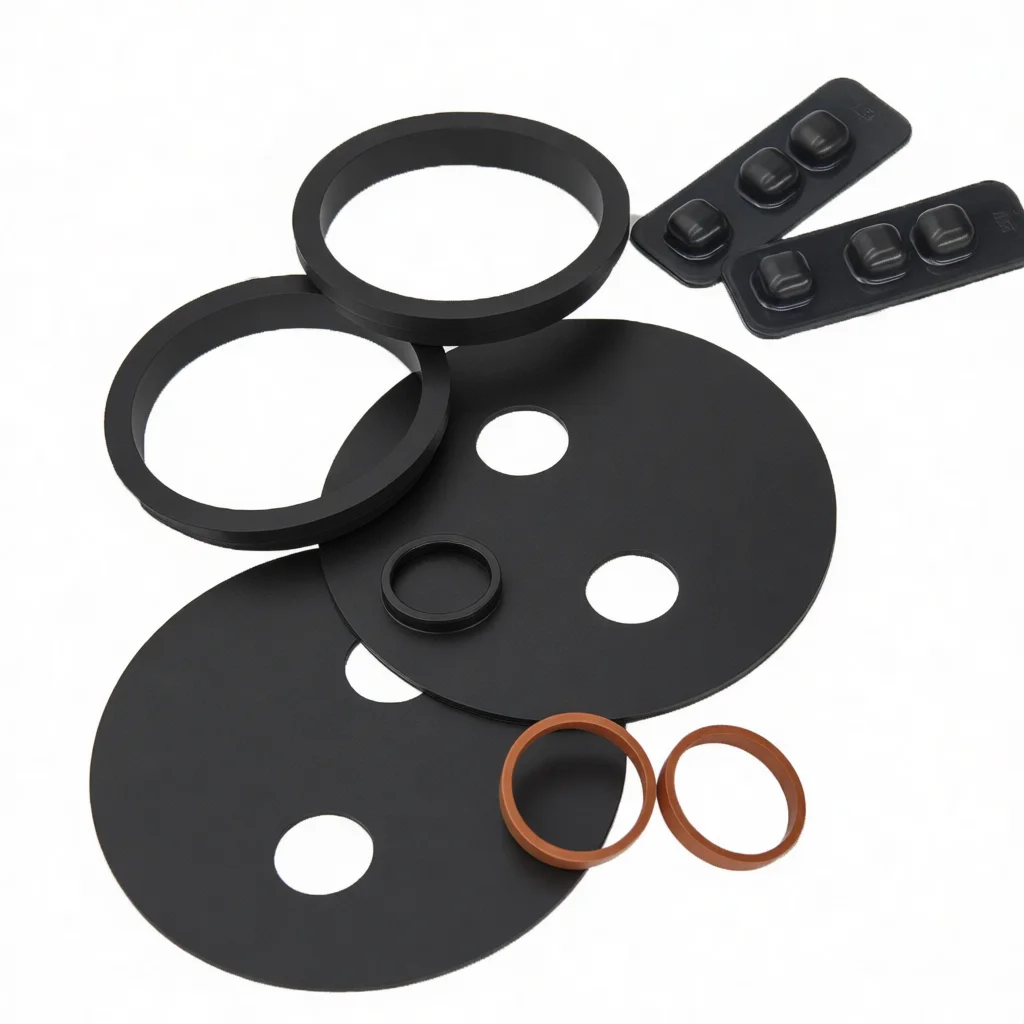
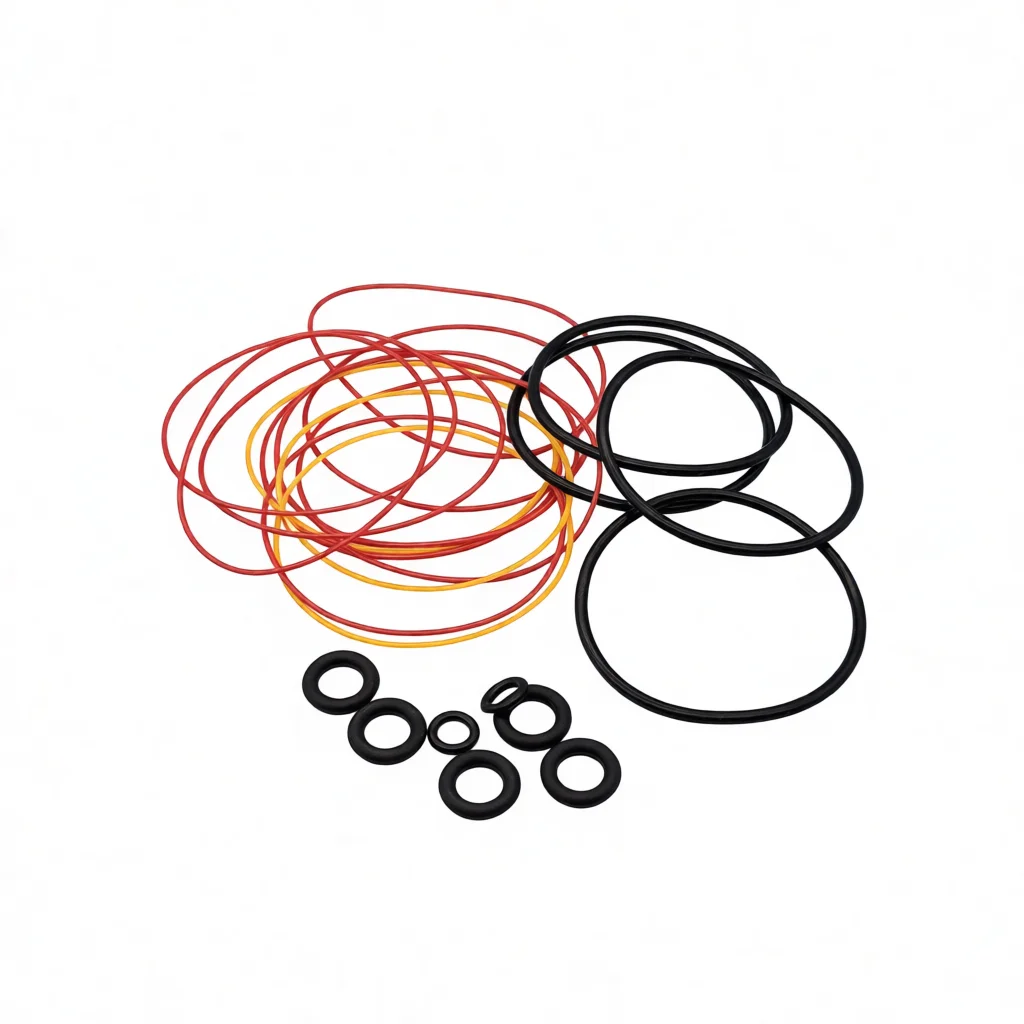
The automotive sector is probably the loudest cheerleader for EPDM O NBR's advantages. Engine seals, fuel system hoses, gaskets, and weatherproofing strips harness its durability and chemical resistance. In post-disaster relief, flexible sealing parts made from this mix are sometimes used in modular shelters and temporary containment units—extending their lifespan in tough conditions.
Moreover, regional industrial hubs in Germany, Japan, and the U.S. have adopted EPDM O NBR as standard for chemical plant seals and mining equipment gaskets due to their harsh chemical duty ability. Oddly enough, it’s often those hidden components that silently keep operations going without flamboyant headlines.
For a useful link on related materials, check epdm o nbr.
Material Specs Snapshot: EPDM O NBR Compound
| Property | Typical Value | Unit |
|---|---|---|
| Hardness (Shore A) | 60–70 | - |
| Tensile Strength | 12–18 | MPa |
| Elongation at break | 350–450 | % |
| Operating Temp Range | -40 to +125 | °C |
| Oil Resistance | Good | - |
| UV & Ozone Resistance | Excellent | - |
Comparing Top Vendors of EPDM O NBR Compounds
| Company | Global Reach | Product Range | Customization | Lead Time |
|---|---|---|---|---|
| SunliteTek | Worldwide | Wide (seals, sheets, molded parts) | High customization | 3–4 weeks typical |
| RubberTech Inc. | North America, Europe | Focus on hoses and industrial seals | Medium customization | 4–6 weeks |
| Asia Elastomers | Asia-Pacific | Broad product line, focused on cost-effective solutions | Low customization | 2–3 weeks |
Advantages That Last Beyond the Surface
- Longer Service Life: EPDM O NBR components keep their shape and function in tough conditions, reducing frequent replacements.
- Lower Total Cost of Ownership: Better durability equals savings on downtime and repairs, valuable to any operation.
- Eco-friendly Aspects: Increased lifespan means less waste. Plus, some blends incorporate recyclable materials improving sustainability footprints.
- Enhanced Safety & Reliability: Industries deploying EPDM O NBR in seals or vibration dampening often report fewer failures, helping protect workers and equipment.
Mini takeaway: This compound feels like a smart, practical investment—meeting both the technical needs and broader sustainability goals many industries chase.
Looking Ahead: Trends and Innovations Around EPDM O NBR
Looking forward, green chemistry and digital design are shaping how EPDM O NBR blends evolve. Researchers are developing bio-sourced additives to reduce petroleum dependence, aiming for even better environmental profiles. Plus, automated mixing and testing systems are allowing rapid prototyping customized compounds for ultra-specific applications.
Smart sealing solutions infused with sensors for predictive maintenance are another horizon. Imagine a simple gasket that might one day tell you it's about to fail before you even notice—epdm o nbr’s physical robustness combined with digital smarts.
Challenges and How Industry Tackles Them
Not everything is perfect, of course. Blending rubber types can affect processability and uniformity, sometimes leading to quality inconsistencies if not tightly controlled. That means manufacturers must invest in precise mixing equipment and quality assurance testing.
Another limitation is temperature extremes beyond standard ranges; super-hot engine parts or ultra-cold environments may require specialty rubbers. Still, innovation is ongoing to push those boundaries a bit further.
Expert advice: Always evaluate the application environment carefully to ensure the EPDM O NBR formulation matches demands—there’s rarely a one-size-fits-all.
FAQ: Your EPDM O NBR Questions Answered
- Q: How does EPDM O NBR compare to pure NBR or EPDM in automotive seals?
- A: Blended EPDM O NBR combines weather resistance of EPDM with the oil resistance of NBR, offering superior durability especially in engine and fuel system seals compared to either used alone.
- Q: Are EPDM O NBR products suitable for outdoor electrical insulation?
- A: Yes, thanks to excellent UV and ozone resistance, this blend is often recommended for outdoor insulating sleeves and protective covers, though precise specs depend on exact formulation.
- Q: Can I request custom EPDM O NBR blends for unique industrial needs?
- A: Absolutely. Many suppliers, including epdm o nbr specialists, offer tailored formulations balancing hardness, elasticity, and chemical resistance.
- Q: What’s the usual lifespan of EPDM O NBR seals in harsh chemical environments?
- They typically last several years longer than pure EPDM seals when exposed to oils and fuels, sometimes extending maintenance intervals by 30–50%, depending on specific use.
- Q: Is EPDM O NBR recyclable?
- While recycling elastomers is challenging, some specialized facilities can process EPDM O NBR scrap. Plus, manufacturers increasingly use recycled fillers to minimize waste during production.
Wrapping Up: Why EPDM O NBR Deserves Your Attention
So there you have it—EPDM O NBR isn’t just a technical mix; it’s a reliable, cost-effective, and sustainable choice for industries facing tough environmental or chemical challenges. Its blend of properties supports longer-lasting, safer products while advancing green manufacturing goals.
For anyone scouting material upgrades, consider how EPDM O NBR can improve your product durability and reduce costs. Curious? Visit our website: https://www.sunlitetek.com to explore options, specs, and expert guidance.
References

What Is EPDM O NBR and Why Should It Matter Worldwide? […]