Select Language
 Heavy Duty Robot Tracks: field notes from the underwater edge
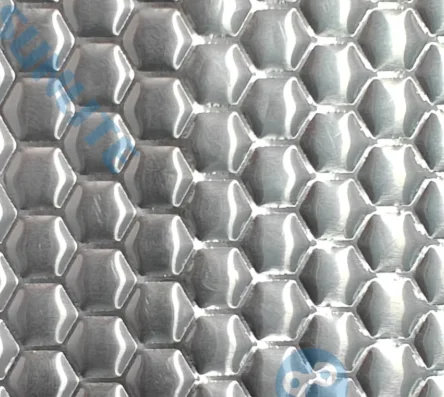
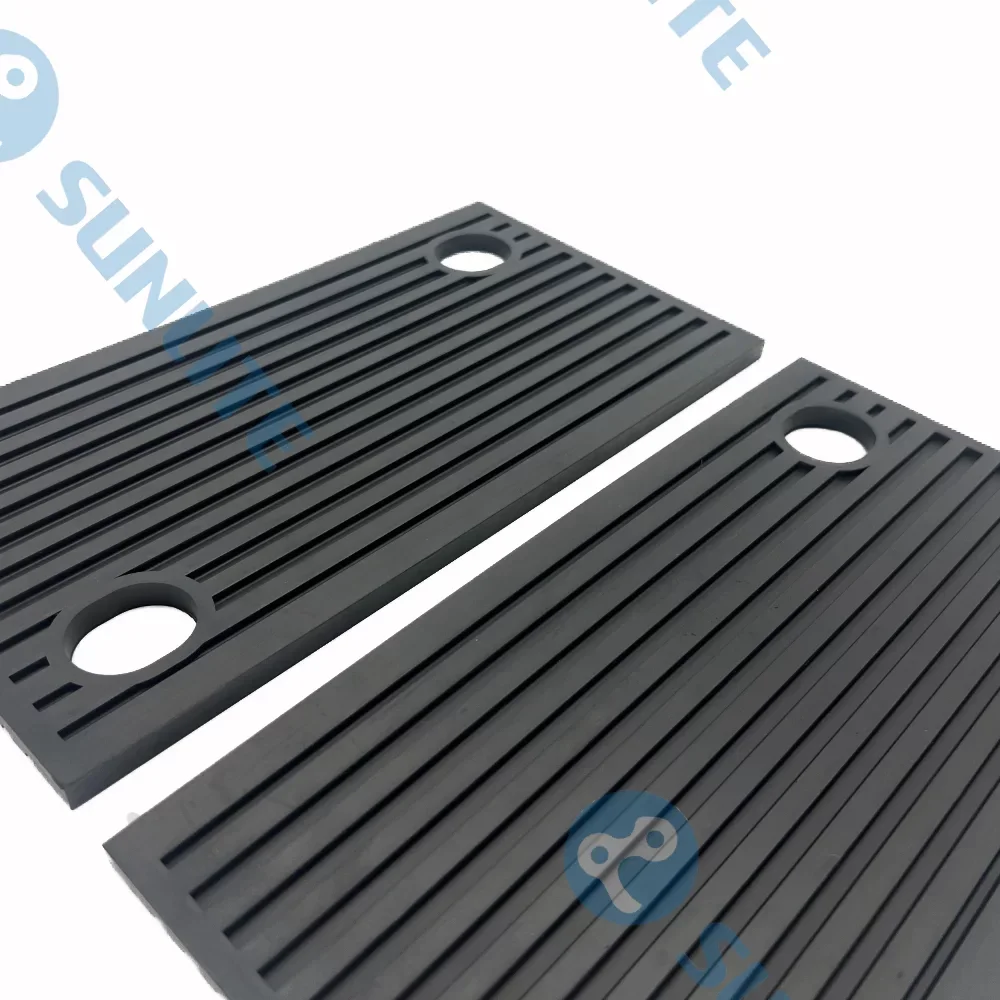
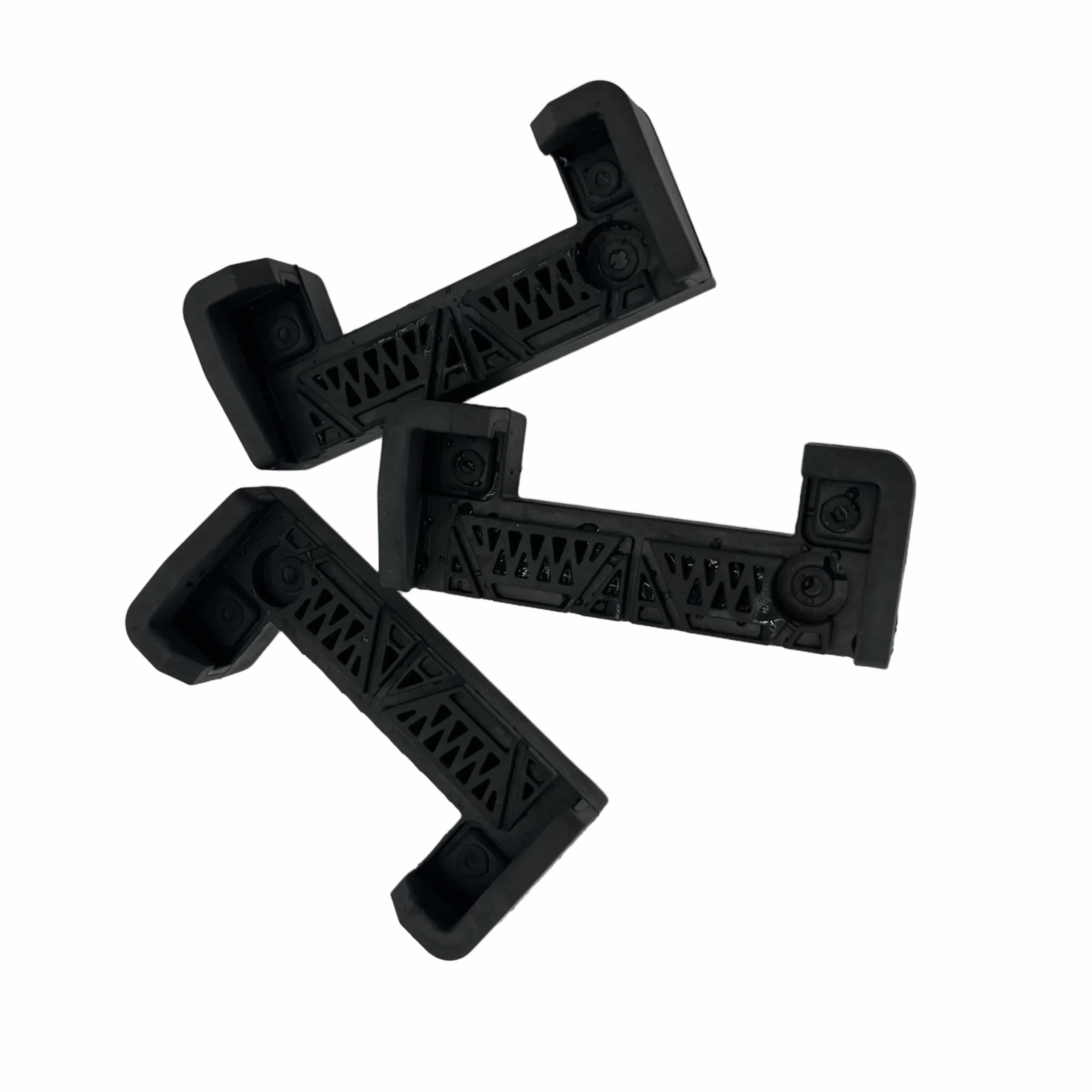
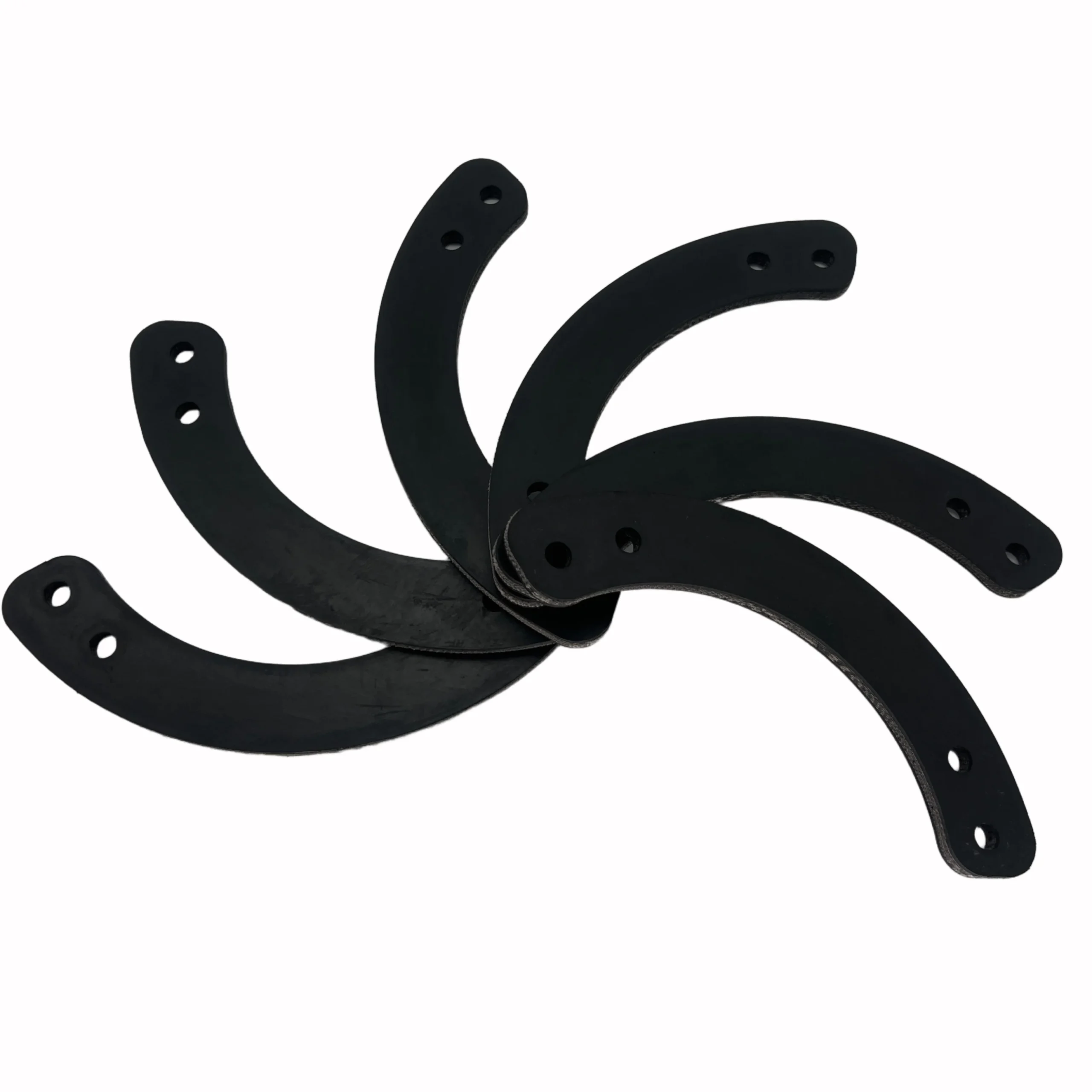
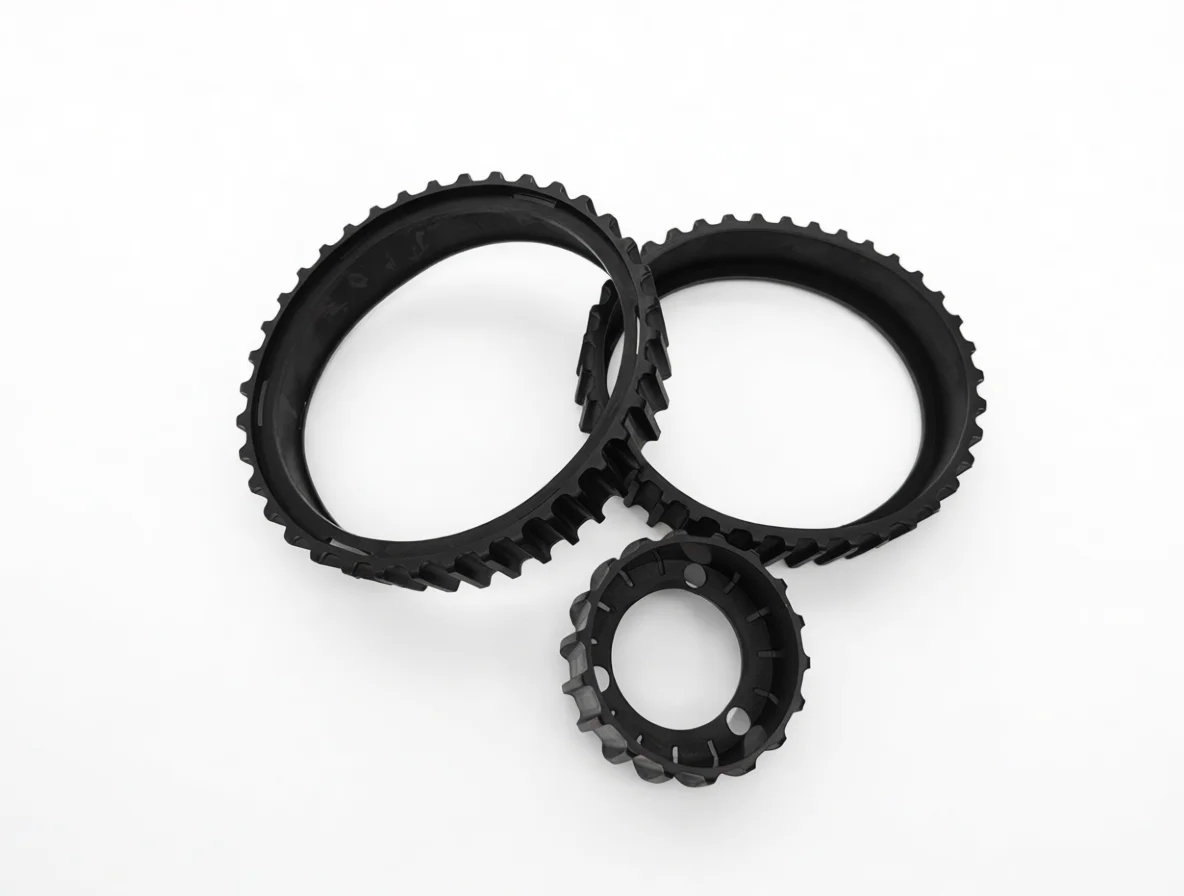
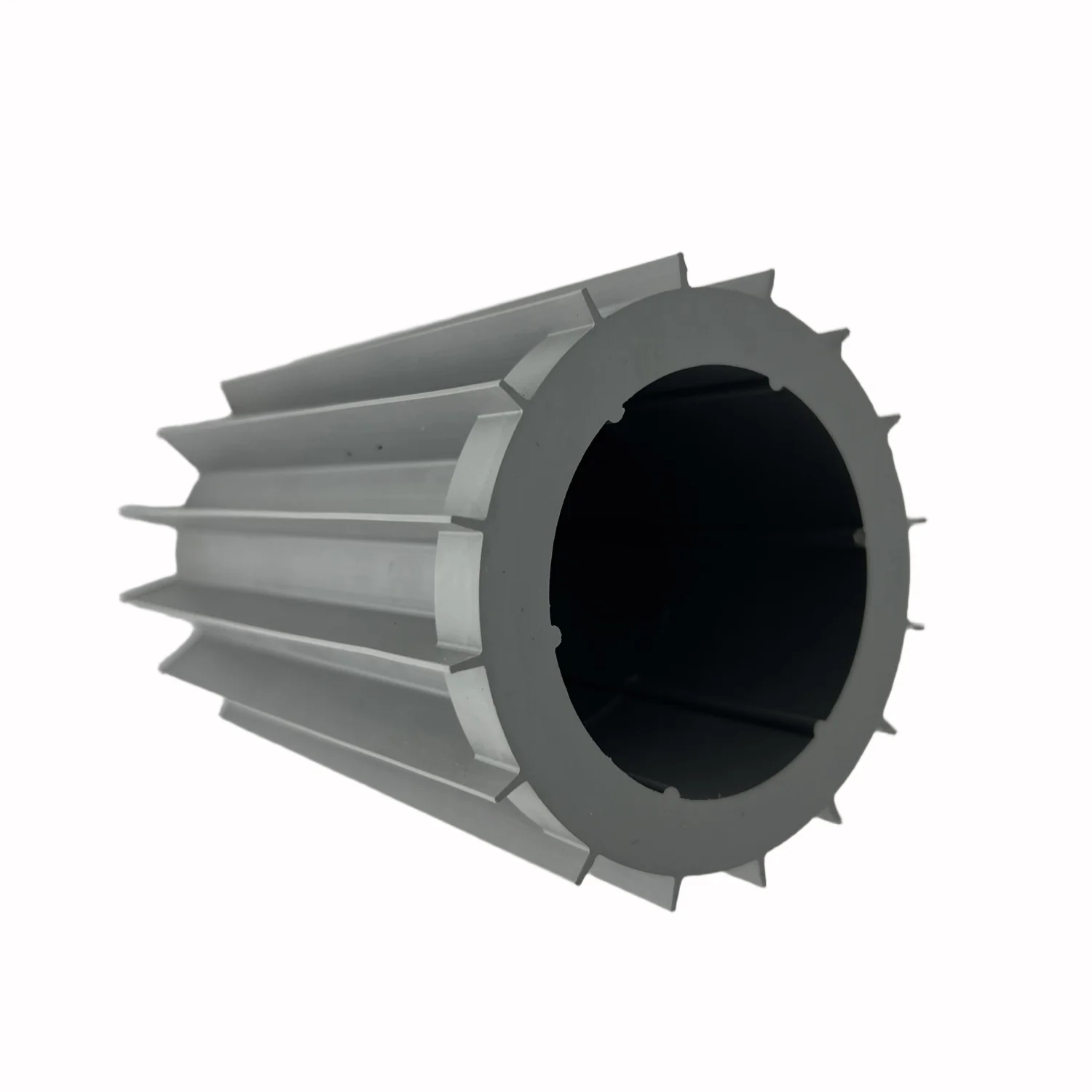
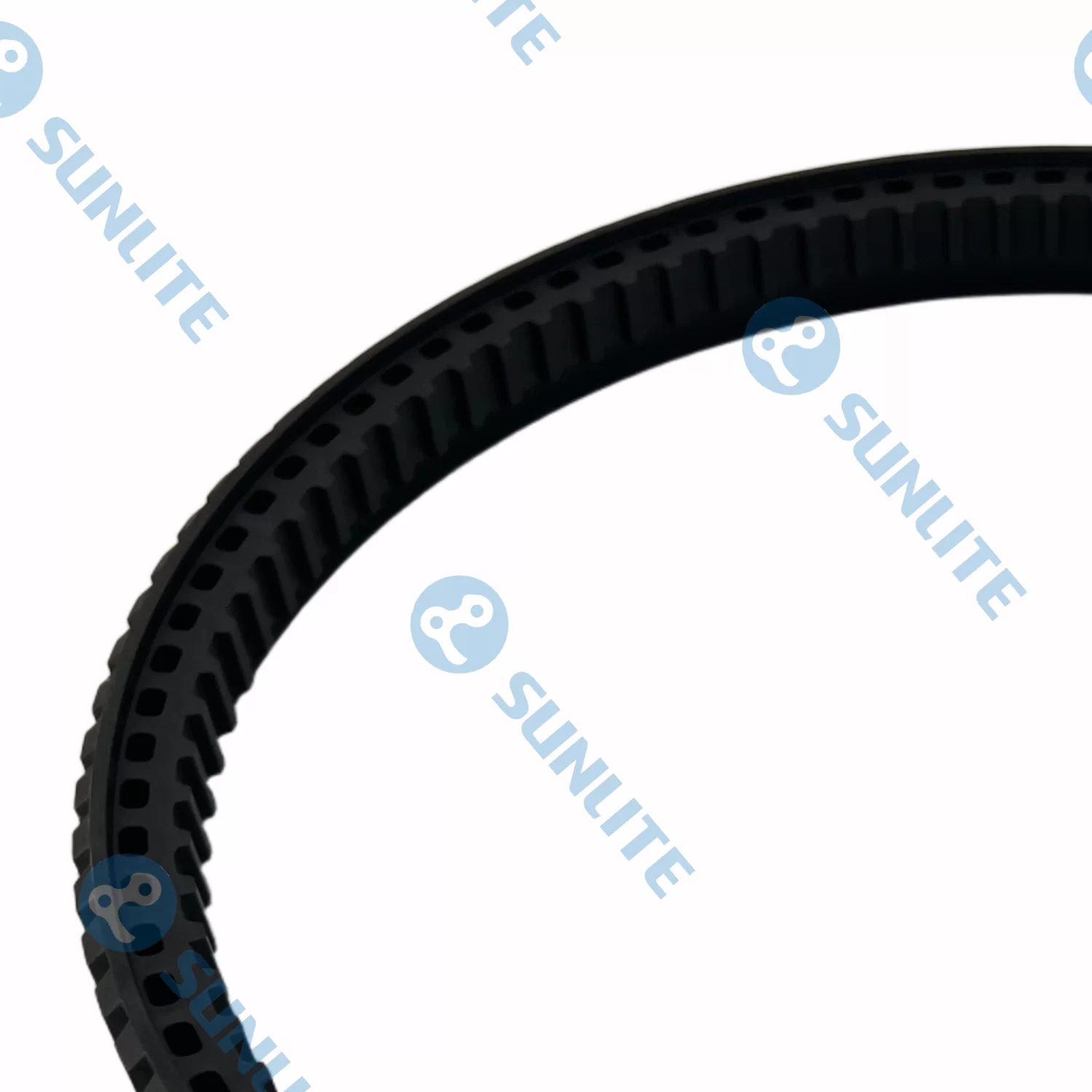
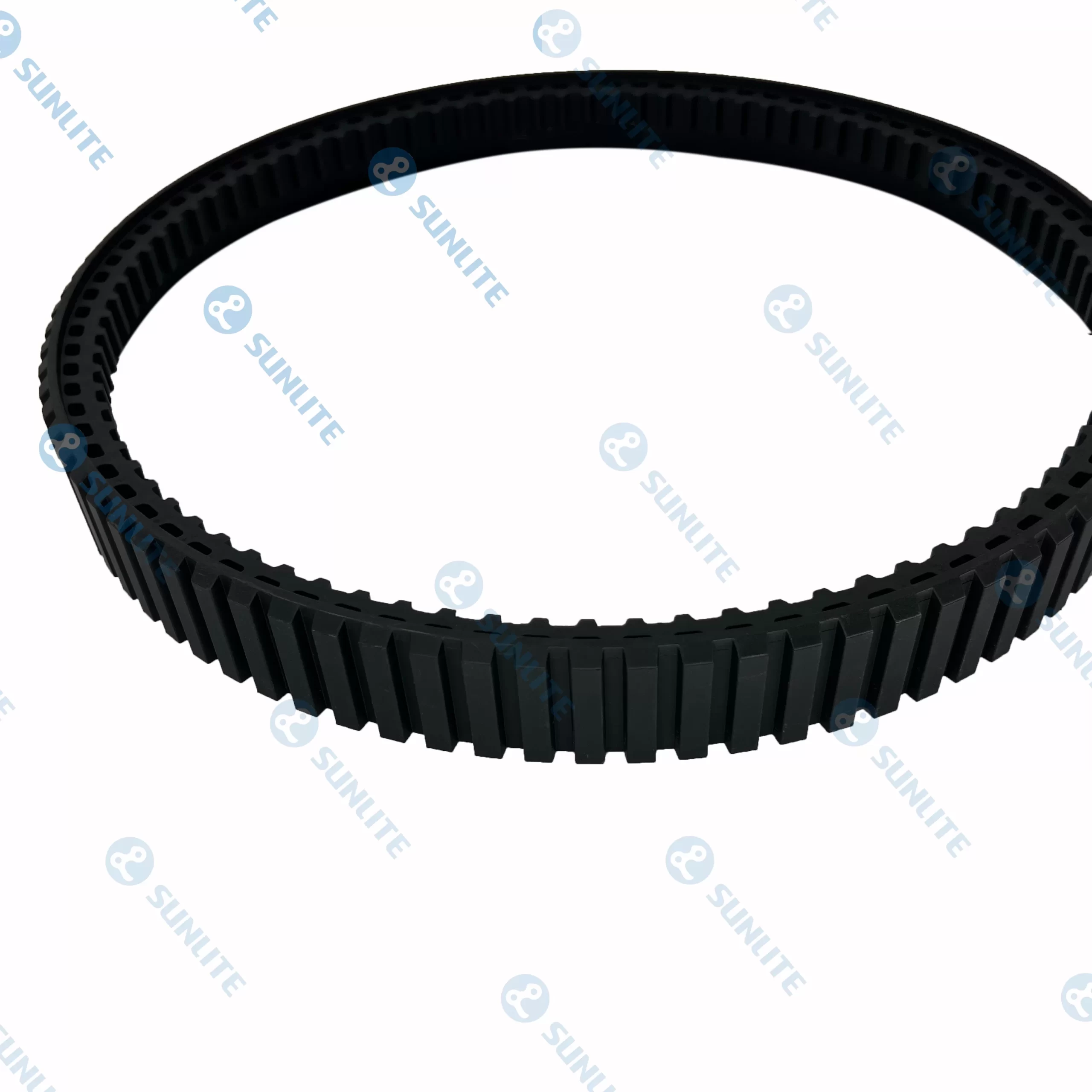
I’ve spent enough time around ROV builders and service techs to know one thing: tracks fail in the most annoying way—right when the job gets interesting. That’s why the Track from Sunlitetek caught my eye. It’s an NBR rubber system built for underwater work, chlorine-heavy environments, and the kind of UV that bleaches everything else to chalk. In fact, many customers say the “stickiness” and anti-corrosion performance are the difference between an easy inspection and a long day of tether wrangling.
What’s moving the market
The industry trend is clear: compact, high-traction Heavy Duty Robot Tracks for confined subsea spaces—desalination plants, nuclear pools, water parks, wastewater clarifiers. There’s also a shift to chlorine-resistant elastomers and reinforcement fabrics that won’t delaminate after months underwater. Surprisingly, we’re also seeing more UV-stable tracks for amphibious bots that hop between pool decks and intake basins.
Quick spec snapshot
Product name: Track | Origin: No. 16, Third Road, Zhangpeng Industrial Park, Machong Town, Dongguan City, Guangdong Province, China.
| Parameter | Value (≈) | Notes |
|---|---|---|
| Base material | NBR rubber + fabric reinforcement | Chlorine-resistant compound |
| Hardness (Shore A) | 65 ±5 | ASTM D2240 |
| Tensile strength | ≥12 MPa | ASTM D412 |
| Abrasion loss | ≈80 mm³ | DIN 53516 |
| UV aging | ΔHardness ≤ +5 after 500 h | ISO 4892-2, real-world use may vary |
| Salt spray / chlorine | 720 h NSS; 5 ppm Cl₂, 1000 h | ISO 9227; internal method |
| Operating depth | Up to 50 m | System-dependent, IEC 60529 context |
Process, testing, and service life
- Materials: formulated NBR with anti-chlorine additives; aramid/nylon carcass; high-adhesion bonding system.
- Methods: calendering → precision molding → vulcanization → post-cure → surface treatment for grip.
- Testing: Shore A, tensile/elongation, peel adhesion, salt spray, UV, dimensional stability, loop endurance.
- Service life: around 2,000–4,000 operating hours in treated water; harsher chemistries may shorten that.
- Certifications: ISO 9001 plant; RoHS/REACH-compliant materials upon request.
Where they’re used
Desalination intake inspections, municipal pools, nuclear fuel pools (non-contaminated areas), aquaculture nets, hydro dam galleries, and, yes, the unglamorous but vital wastewater clarifiers. For bots that need traction without shredding liners, Heavy Duty Robot Tracks in NBR are a practical choice.
Why these tracks work
Strong adhesion in wet films, chlorine resistance that actually lasts, and UV/aging stability for amphibious setups. To be honest, I also like the predictable wear pattern—easy to schedule maintenance.
Vendor snapshot (what teams compare)
| Vendor | Core Material | Chlorine Performance | Pitch Options | Lead Time | Warranty |
|---|---|---|---|---|---|
| Sunlitetek (Track) | NBR + fabric | 1000 h @ 5 ppm, minimal swelling | Custom: 30–80 mm | 3–5 weeks | 12 months |
| Vendor A | SBR blend | Moderate, 300–500 h | Fixed: 50 mm | 6–8 weeks | 6 months |
| Vendor B (Budget) | EPDM | Good UV, weak chlorine | Limited | 2–3 weeks | 3 months |
Customization options
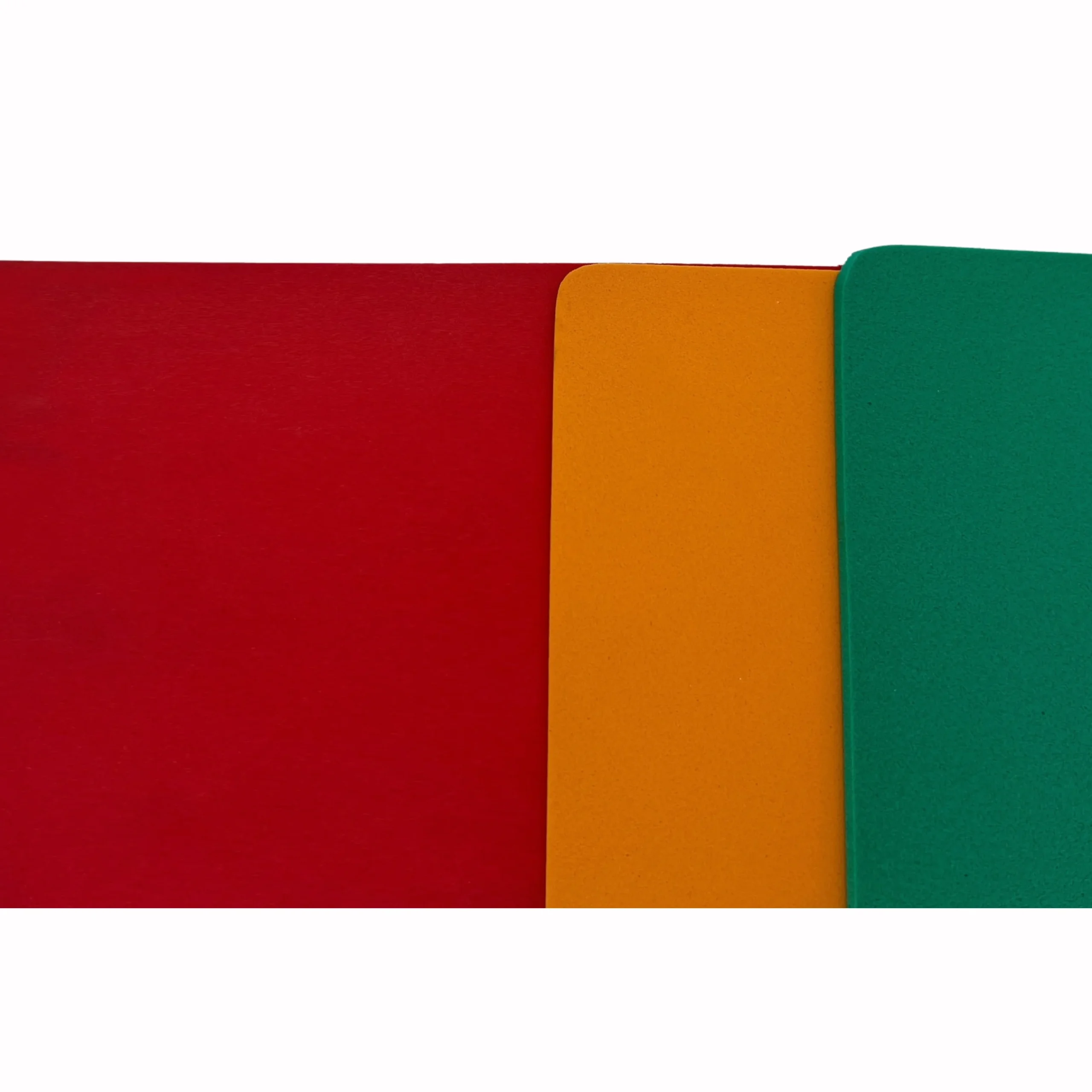
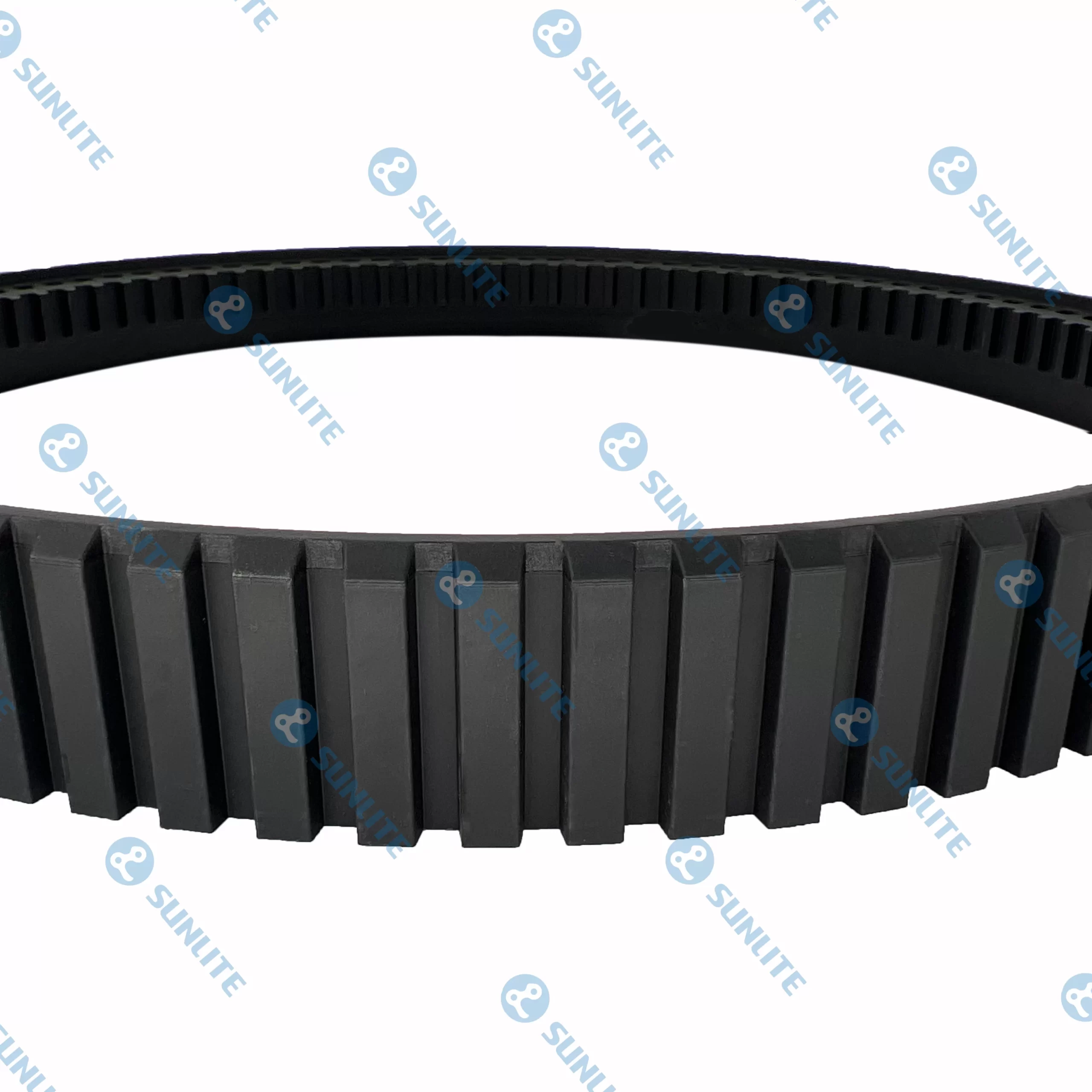
Width (40–180 mm), pitch and tooth profile, cleat geometry, compound hardness, embedded cords (aramid/steel), and color tracers for wear. I guess most teams start with medium-durometer NBR and iterate on cleats.
Two quick case notes
- Desalination intake ROV: swapped to Heavy Duty Robot Tracks after slippage on biofilm; traction up ≈18%, maintenance interval extended from 6 to 9 months.
- Municipal pool inspection bot: chlorine pH swings trashed prior tracks; NBR set ran full season (≈700 h) with minor edge wear. Operators liked the quieter roll—small win.
Final thought
Not every job needs premium tracks, but underwater + chlorine + UV is a brutal combo. That’s where Heavy Duty Robot Tracks like Sunlitetek’s NBR Track justify the spec sheet—with performance you can plan around.
Authoritative citations
- ASTM D2240: Standard Test Method for Rubber Property—Durometer Hardness.
- ASTM D412: Standard Test Methods for Vulcanized Rubber and Thermoplastic Elastomers—Tension.
- DIN 53516: Determination of abrasion resistance of rubber.
- ISO 9227: Corrosion tests in artificial atmospheres—Salt spray tests.
- ISO 4892-2: Plastics—Methods of exposure to laboratory light sources.
- IEC 60529: Degrees of protection provided by enclosures (IP Code) — context for underwater assemblies.
- ISO 9001: Quality management systems—Requirements.

Heavy Duty Robot Tracks: field notes from the underwate […]